A Comprehensive Guide to Senior Nutrition: 5 What to Eat for Optimal Health

Good nutrition serves as the cornerstone of vitality, longevity, and everyday independence throughout our later years. As the human body matures, its internal biochemical mechanisms, metabolic rates, and cellular maintenance requirements undergo profound shifts. Tailoring daily meals to match these evolving physiological demands provides the necessary foundation for sustained energy, sharp cognitive abilities, and resilient physical health over time.
While advancing age often lowers overall caloric requirements due to reduced resting metabolic rates and decreased physical activity, the necessity for vital micronutrients and structural macronutrients remains constant or even increases. Without thoughtful planning, older adults face elevated vulnerabilities to nutrient deficiencies, muscle wasting, and bone fragility. Embracing a proactive, nutrient-dense diet protects bodily systems, safeguards independence, and enhances quality of life.
Key takeaways
- Seniors require fewer overall calories due to slower metabolic rates, making nutrient density critical for avoiding deficiencies.
- Adequate daily intake of protein, fiber, calcium, vitamin D, and potassium supports muscle mass, digestive health, bone density, and cardiovascular function.
- Limiting processed items, sodium, saturated fats, sugary drinks, and alcohol reduces the risks of chronic illness and medication complications.
- Practical meal strategies such as batch cooking, portion control, and seasoning with herbs and citrus make healthy eating sustainable and flavorful.
Why Senior Nutrition Changes Over Time
The aging process initiates gradual physiological transformations that fundamentally alter how the body absorbs, processes, and utilizes food. Gastrointestinal motility tends to slow, stomach acid production can decline, and the composition of the gut microbiome shifts, making the assimilation of essential vitamins and minerals less efficient. At the same time, lifestyle shifts and hormonal changes contribute to natural decreases in lean muscle mass and resting metabolic expenditure. Consequently, older adults typically need fewer daily calories to maintain a stable weight, yet their cellular demand for vitamins, minerals, and amino acids remains as high as—or higher than—in their younger years.
External factors also alter dietary behaviors in older adulthood. A natural reduction in taste bud sensitivity and olfactory function can make standard meals seem bland, frequently leading to an overreliance on added salt or sugar. Dental problems, gum sensitivity, and changes in saliva production may make chewing tough meats or raw vegetables uncomfortable. Furthermore, mobility limitations, joint discomfort, fatigue, and changing social circumstances can make grocery shopping and scratch cooking feel burdensome. Recognizing these interrelated obstacles is essential for crafting dietary strategies that preserve physical independence and cognitive sharpness.
Recognizing these physiological shifts allows older individuals, family members, and caregivers to build a proactive approach to nutrition that sustains vitality, protects independence, and enhances overall well-being throughout the later stages of life.
Five Essential Nutrients and Daily Targets
Meeting nutritional needs during older adulthood requires prioritizing foods that deliver maximum biological value per serving. Focusing on five primary nutrients provides a reliable, science-backed framework for daily meal planning and chronic disease prevention.
| Nutrient | Recommended Daily Intake | Primary Bodily Function | Top Food Sources |
|---|---|---|---|
| Protein | 1.0 to 1.2 g per kg of body weight | Preserves muscle mass, prevents frailty, repairs tissue | Lean meats, poultry, fish, eggs, beans, nuts, tofu |
| Fiber | At least 25 g | Aids digestive transit, stabilizes blood glucose, feeds gut flora | Whole grains, legumes, vegetables, fresh fruits |
| Calcium | 1,200 mg | Sustains skeletal architecture, helps prevent osteoporosis | Low-fat dairy, fortified plant milks, dark leafy greens |
| Vitamin D | 600 to 800 IU | Facilitates calcium absorption, supports immune resilience | Fortified dairy and cereals, dietary supplements, sunlight |
| Potassium | 2,500 to 3,000 mg | Regulates blood pressure, counterbalances sodium, aids muscle action | Bananas, oranges, potatoes, tomatoes, leafy produce |
Protein
- Daily target: 1 to 1.2 grams per kilogram of body weight
- Primary role: Muscle maintenance, cellular repair, and fall prevention
- Key sources: Lean meats, poultry, fish, eggs, beans, nuts, and tofu
As the body matures, it experiences a steady, natural loss of skeletal muscle tissue, a condition known as sarcopenia. Without intentional intervention, this decline compromises balance, reduces physical stamina, and significantly elevates the risk of falls and bone fractures. Protein provides essential amino acids that drive continuous muscle protein synthesis and tissue restoration. To maintain functional mobility, seniors should aim to consume 1 to 1.2 grams of protein per kilogram of body weight each day. Distributing this intake evenly across breakfast, lunch, and dinner supplies muscle fibers with an uninterrupted stream of restorative building blocks rather than overwhelming the digestive tract in a single heavy meal.
Fiber
- Daily target: At least 25 grams
- Primary role: Gastrointestinal motility, blood sugar regulation, and lipid balance
- Key sources: Whole grains, legumes, fruits, vegetables, and seeds
Gastrointestinal transit times naturally decelerate with age, predisposing older adults to constipation, diverticular issues, and systemic digestive discomfort. Dietary fiber stimulates regular bowel movements by adding bulk and drawing moisture into the intestinal tract. Beyond mechanical digestion, soluble fibers slow the uptake of carbohydrates into the bloodstream, moderating post-meal blood glucose surges and aiding in long-term cholesterol management. Incorporating at least 25 grams of dietary fiber every day promotes a balanced microbiome and helps dampen chronic low-grade inflammation throughout the body.
Calcium
- Daily target: 1,200 milligrams
- Primary role: Bone density preservation and fracture prevention
- Key sources: Low-fat dairy products, fortified plant-based milks, and dark leafy greens
Bone remodeling undergoes a distinct shift in later life: bone reabsorption outpaces new mineral deposition, progressively thinning the inner matrix of the skeleton. This imbalance drastically elevates the danger of osteoporosis and devastating hip or spinal fractures. Consistent calcium intake preserves skeletal density and supplies the minerals necessary for proper neuromuscular signaling and vascular contraction. Seniors must aim for 1,200 milligrams of calcium per day, obtained through bioavailable dietary sources spaced throughout the day to ensure steady assimilation.
Vitamin D
- Daily target: 600 to 800 international units (IU)
- Primary role: Intestinal calcium absorption and immune system support
- Key sources: Fortified milks, fortified cereals, safe sunlight exposure, and supplements
Even a calcium-rich diet cannot safeguard the skeletal framework without adequate vitamin D. This fat-soluble compound acts as a hormonal trigger within the intestinal lining, enabling the bloodstream to absorb dietary calcium efficiently. Aging skin synthesizes less vitamin D from sunlight, and reduced outdoor mobility can exacerbate subclinical deficiencies. Securing 600 to 800 IU of vitamin D daily protects skeletal health, aids muscle function, and supports underlying immune system defenses against seasonal pathogens.
Potassium
- Daily target: 2,500 to 3,000 milligrams
- Primary role: Fluid balance, blood pressure moderation, and smooth muscle tone
- Key sources: Bananas, oranges, potatoes, tomatoes, and leafy green vegetables
Potassium serves as the primary intracellular electrolyte responsible for regulating systemic fluid volumes and moderating electrical impulses in muscular and nervous tissue. In modern diets that are heavily skewed toward processed foods, excess sodium draws water into the bloodstream, stiffening arterial walls and elevating blood pressure. Potassium directly counterbalances sodium retention, relaxing vascular smooth muscle, reducing strain on the heart, and lowering the statistical likelihood of cardiovascular disease and stroke. Seniors should target 2,500 to 3,000 milligrams of potassium daily through whole, unprocessed produce.
What to Eat for Optimal Health
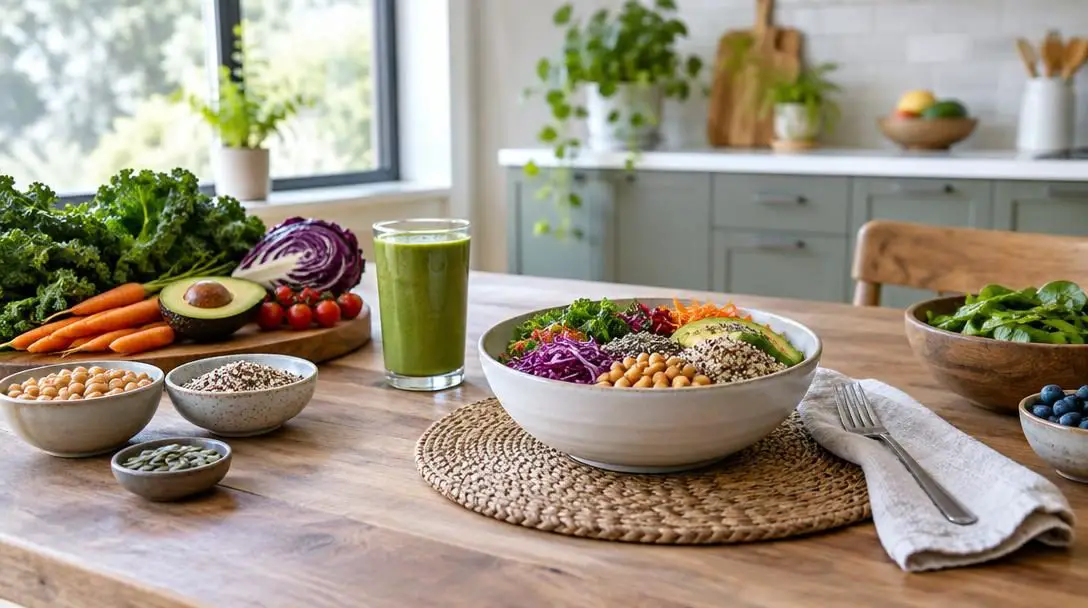
Translating clinical nutrient targets into enjoyable, everyday meals involves designing plates around nutrient-dense whole foods. Emphasizing foods in their natural, unrefined states ensures an abundant delivery of vitamins, minerals, antioxidants, and healthy fats without excess calories.
- Whole grains over refined grains: Replace white bread, white rice, and conventional pasta with whole-grain alternatives like brown rice, quinoa, whole-wheat bread, and oatmeal. Whole grains retain their nutrient-dense germ and fibrous bran layers, providing sustained energy, critical B vitamins, and minerals that stabilize metabolic output.
- A vibrant spectrum of produce: Aim for deep, varied colors across every meal. Dark leafy greens, red tomatoes, bright orange carrots, and rich blue or purple berries provide distinct families of phytonutrients that neutralize free radicals, reduce oxidative stress, and supply generous doses of fiber.
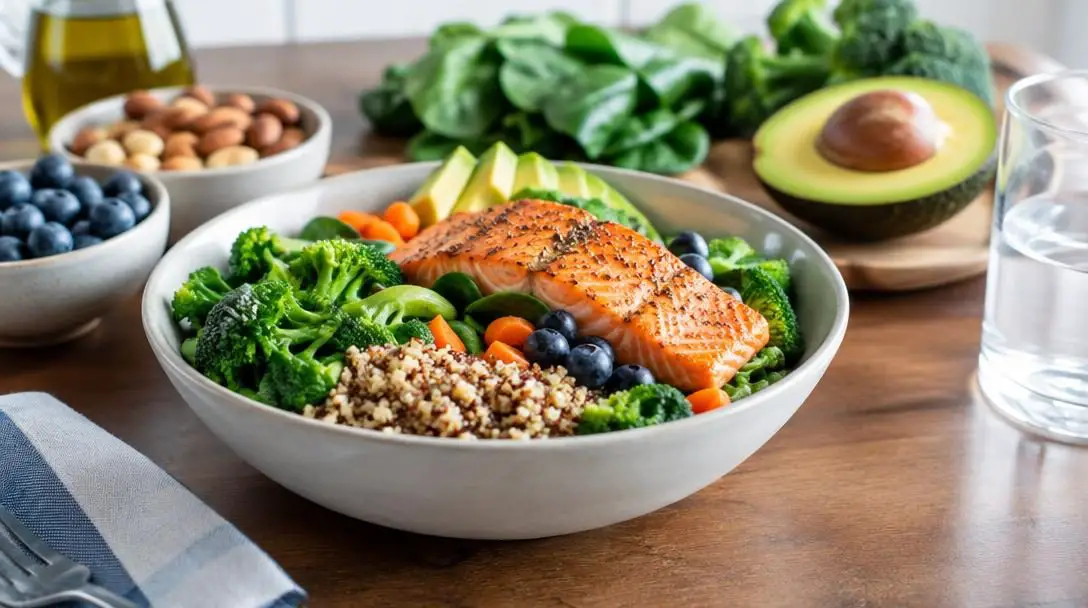
- Lean and plant-based proteins: Select lean cuts of poultry, freshwater or ocean fish, and eggs alongside plant-forward protein powerhouses such as lentils, chickpeas, black beans, and tofu. Fish provides clean protein, while legumes deliver a dual punch of amino acids and complex fiber without saturated fats.
- Low-fat or fat-free dairy products: Choose low-fat milk, plain Greek yogurt, kefir, and cottage cheese. These foods provide readily absorbable calcium, vitamin D, and protein while keeping dietary saturated fat within healthy cardiovascular parameters.
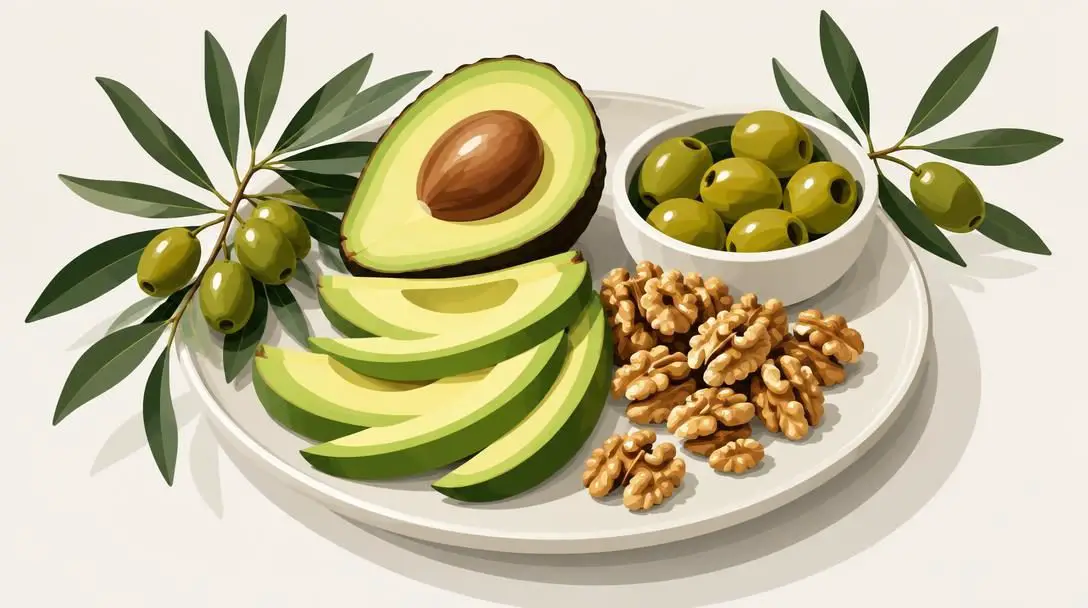
- Cardiovascular-supportive healthy fats: Incorporate moderate amounts of monounsaturated and polyunsaturated fats from extra-virgin olive oil, avocados, walnuts, almonds, flaxseeds, and chia seeds. These fats support brain cell integrity, improve lipid profiles, and facilitate the absorption of fat-soluble vitamins like A, D, E, and K.
Foods to Limit or Avoid
Maximizing nutritional quality also requires actively minimizing items that induce systemic inflammation, elevate blood pressure, and overburden cardiovascular and renal systems. Seniors should exercise caution around the following categories:

- Ultra-processed convenience foods: Packaged snack cakes, commercial chips, canned soups with high sodium, and pre-packaged frozen dinners frequently contain high levels of refined starches, preservatives, trans fats, and hidden sugars while stripping out natural micronutrients.
- Sugary beverages: Regular sodas, sweetened teas, energy drinks, and fruit juices with added sugar deliver concentrated calories that spike blood glucose levels without providing satiety. These drinks can crowd out nutrient-dense foods and disrupt metabolic balance.
- Excess dietary sodium: Packaged foods, processed meats, and restaurant fare often contain immense quantities of sodium. High sodium intake stresses the kidneys and elevates arterial blood pressure, multiplying the risk of heart disease and stroke.
- Saturated and trans fats: Heavy intake of fatty red meats, butter, lard, palm oil, and commercially fried foods elevates low-density lipoprotein (LDL) cholesterol, accelerating arterial plaque formation and compromising cardiovascular health.
- Excessive alcohol: Aging bodies metabolize alcohol much more slowly. Drinking more than moderate limits can erode the stomach lining, compromise intestinal nutrient absorption, dehydrate the body, impair balance, and trigger dangerous interactions with prescription medications. Seniors who choose to consume alcohol should limit intake to a maximum of one drink per day.
Practical Steps for Meal Planning and Preparation
Adopting and sustaining healthy dietary patterns depends on setting up practical, low-stress kitchen routines. Simple structural changes to how groceries are planned, prepped, and cooked reduce daily fatigue and ensure wholesome choices remain effortless.
- Implement conscious portion control: Because older adults require fewer daily calories, oversized portions can result in gradual, unintended weight gain. Use smaller plates and bowls, measure high-calorie ingredients like oils and nuts, and avoid eating snacks straight from multi-serving bags or boxes.
- Replace salt with culinary herbs and acids: Diminishing taste sensation often prompts older adults to reach for the salt shaker. Instead, build flavor complexity using fresh garlic, minced onions, rosemary, oregano, ground black pepper, lemon juice, lime zest, or apple cider vinegar to brighten foods without raising sodium levels.
- Choose gentle cooking techniques: Opt for baking, broiling, grilling, roasting, or steaming rather than deep-frying or pan-frying in butter. Steaming retains water-soluble micronutrients in fresh vegetables, while roasting caramelizes natural sugars without the need for heavy coatings of oil.
- Prepare batch components in advance: Cooking from scratch three times a day can lead to physical fatigue. Prepare large batches of brown rice, bake multiple chicken breasts, or wash and chop fresh vegetables on a designated prep day. Storing pre-portioned containers in the refrigerator or freezer ensures balanced meals are readily available when energy levels run low.
Common Nutritional Mistakes to Watch For
Even with dedication to healthy eating, older adults frequently encounter common missteps that can diminish their nutritional progress. Being aware of these blind spots helps ensure every meal contributes to strength and vitality:
- Relying on refined carbohydrates for quick meals: Toast, plain crackers, and instant white noodles are easy to prepare, but they lack essential proteins and fibers, prompting rapid blood sugar spikes followed by steep energy crashes.
- Skipping protein during breakfast: Traditional breakfast choices often focus heavily on carbohydrates—such as bagels, pastries, or dry cereal—leaving the body without the amino acids needed to halt morning muscle breakdown. Adding an egg, Greek yogurt, or tofu creates a balanced morning foundation.
- Overlooking hidden sodium in prepared condiments: Even when salt is not added at the stove, pre-made barbecue sauces, soy sauce, ketchup, and jarred gravies can introduce excessive milligrams of sodium into a single dish.
- Consuming liquid calories instead of water: Quenching thirst with sweet teas, bottled juices, or sugary coffee concoctions floods the system with simple sugars while bypassing the brain's internal fullness cues, making hydration less effective.
- Inconsistent bone-mineral intake: Consuming calcium sporadically makes it difficult to maintain protective bone mineral density. Consistent, daily intake of calcium paired with adequate vitamin D is required to support the skeletal matrix continuously.
Frequently asked questions
Why do older adults need fewer calories if their nutrient needs stay the same?
Caloric needs decline with age because resting metabolic rates naturally slow down and physical activity levels often decrease, reducing the total energy burned each day. However, biological processes such as bone repair, cellular renewal, and immune defense still demand the same, or greater, quantities of vitamins, minerals, and amino acids. Choosing nutrient-dense whole foods ensures these requirements are satisfied without causing unintended weight gain.
How can seniors meet their protein targets if chewing tough meat is difficult?
Seniors who experience dental pain or chewing fatigue can obtain high-quality protein from tender, easily masticated foods. Excellent options include scrambled or poached eggs, soft-cooked lentils, canned beans mashed into soups, flaky fish like salmon or cod, low-fat Greek yogurt, cottage cheese, and smooth tofu.
Can seniors get enough vitamin D strictly from natural sun exposure?
While the human skin can synthesize vitamin D from sunlight, aging reduces the skin's capacity to produce this nutrient efficiently. Additionally, many older adults spend more time indoors or use protective clothing and sunscreen. Relying on fortified foods and discussing targeted supplementation with a healthcare provider is generally the most reliable way to achieve the daily target of 600 to 800 IU.
What makes potassium particularly critical for older individuals?
Potassium functions as an essential counterbalance to sodium in the cardiovascular system. It helps relax muscular walls inside the blood vessels, maintains healthy fluid distribution within cells, and lowers high blood pressure. Reaching 2,500 to 3,000 milligrams daily through produce like bananas, potatoes, and tomatoes reduces the risk of stroke and cardiovascular disease.
What is a safe limit for alcohol consumption for older adults?
Because aging slows down the body's rate of alcohol metabolism, older adults are more susceptible to its intoxicating and dehydrating effects. Alcohol can also irritate the digestive lining, disrupt the absorption of essential nutrients, impair balance, and interact dangerously with prescription medications. Seniors should limit alcohol intake to no more than one drink per day, or abstain entirely if recommended by their physician.
The Bottom Line
Adopting a nutrient-rich dietary pattern is a progressive journey that delivers dividends in strength, mental clarity, and independent living. As you evaluate your current nutritional patterns, start by auditing your kitchen cupboards and refrigerator. Gradually phase out highly processed convenience items, excess sodium, and sugary beverages, replacing them with whole staples like rolled oats, legumes, brown rice, fresh or frozen vegetables, and lean protein options. Transforming your immediate environment makes balanced eating an effortless, default choice.
Remember that nutrition works in close partnership with physical movement. The muscle-preserving benefits of daily protein intake and the bone-strengthening effects of calcium and vitamin D are greatly enhanced when combined with regular, safe exercise. Simple daily walking, light resistance training, and gentle balance exercises work hand in hand with wholesome food to maintain muscular stability and prevent falls.
Finally, tailor these principles to your individual medical history by maintaining an active dialogue with your physician or a registered dietitian. Reviewing personal intake targets for protein, fiber, calcium, vitamin D, and potassium ensures that your daily plate complements any prescribed medications and honors your unique metabolic health, paving the way for vibrant, energized senior years.