Why Plant-based Diets Support Better Digestion
In recent years, the global shift toward plant-based diets has accelerated significantly. While environmental sustainability, carbon footprints, and ethical concerns frequently motivate individuals to reconsider their plates, one of the most immediate and tangible advantages of plant-focused eating appears within the human gastrointestinal tract. Every meal initiates an intricate series of muscular contractions, chemical secretions, and microbial reactions that dictate how energized, comfortable, and regular an individual feels throughout the day.
The human digestive system is remarkably responsive to dietary inputs. When provided with nutrient-dense, minimally processed plant foods—including colorful fruits, fibrous vegetables, complex whole grains, protein-rich legumes, and mineral-dense seeds—the digestive tract operates with enhanced efficiency. By delivering an abundant supply of dietary fiber, bioactive digestive enzymes, and protective anti-inflammatory compounds while limiting heavy saturated fats, plant-based patterns naturally foster optimal gut function and long-term metabolic health.
Key takeaways
- Plant-based diets supply the essential prebiotic fiber required to sustain beneficial gut bacteria and ensure comfortable, predictable bowel regularity.
- Certain fresh fruits introduce active digestive enzymes, such as bromelain and papain, which help break down complex macronutrients before they cause gastrointestinal strain.
- A naturally lower intake of heavy saturated fats accelerates gastric emptying and prevents the sluggishness and bloating common after high-fat meals.
- Antioxidant and anti-inflammatory compounds in plant foods help soothe the gastrointestinal lining, offering defensive benefits against conditions like IBS and IBD.
- Transitioning to high-fiber eating requires gradual pacing and generous hydration to prevent temporary digestive distress and constipation.
Defining the Whole-Food Plant-Based Eating Pattern
A plant-based dietary pattern is best understood not by what it eliminates, but by the nutrient-rich abundance of what it includes. Rather than focusing purely on restrictive mandates, this way of eating emphasizes whole, unrefined foods harvested directly from the earth. These foods provide a harmonious spectrum of micronutrients, antioxidants, and macronutrients that work in tandem to nourish human cells and the trillion-member microbial community inhabiting the colon.
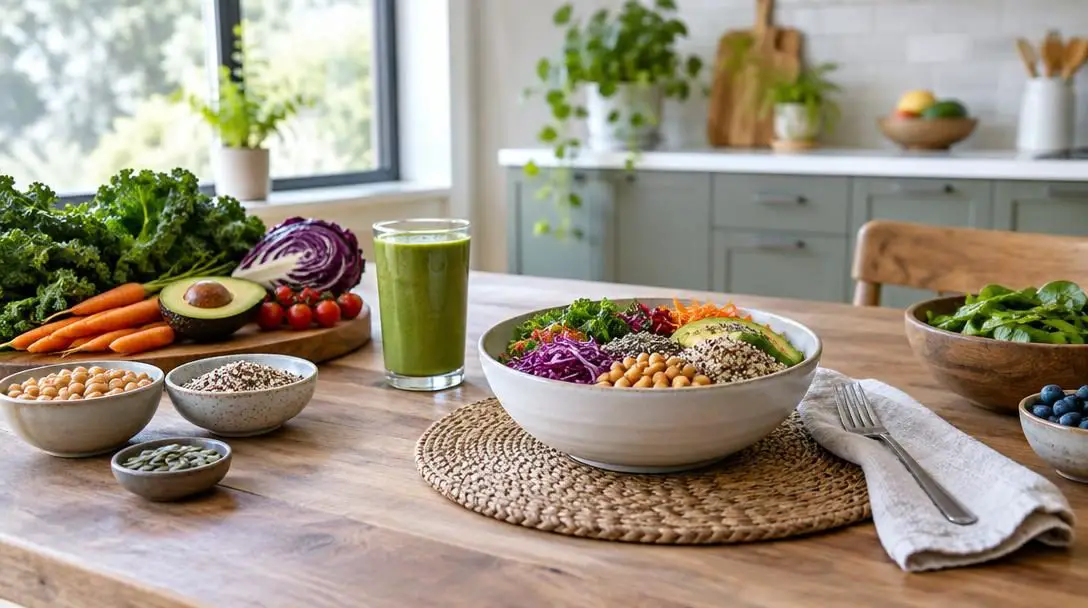
At the center of a digestive-friendly plant-based lifestyle are five core food categories, each contributing distinct physical and biochemical qualities to the digestive process:
- Fresh and whole fruits: Options such as blueberries, strawberries, blackberries, apples, citrus, pineapples, and papayas offer soluble hydration, natural enzymes, and protective polyphenols.
- Nutrient-dense vegetables: Leafy greens like spinach, kale, and collards combine with cruciferous vegetables and root crops to provide insoluble bulk and critical micronutrients.
- Complex whole grains: Carbohydrate sources such as rolled or steel-cut oats, brown rice, barley, quinoa, and whole wheat offer sustained energy alongside intact bran and germ layers.
- Legumes and pulses: Black beans, chickpeas, brown lentils, and split peas serve as substantial sources of plant-based protein, resistant starch, and essential trace minerals.
- Nuts and seeds: Portions of walnuts, almonds, chia seeds, and flaxseeds deliver concentrated essential fatty acids, fat-soluble nutrients, and functional mucilaginous fiber.
In contrast to diets heavily reliant on ultra-processed vegan meat analogues or animal proteins, a whole-food plant-based approach prioritizes ingredients that remain close to their natural state. Minimally processed whole plants retain their cellular architecture, requiring more thorough mastication, stimulating salivary enzymes, and modulating the release of glucose into the bloodstream as food moves smoothly along the alimentary canal.
Core Mechanisms: How Plant Foods Transform Gastrointestinal Function
The remarkable digestive ease frequently reported by individuals adopting plant-rich eating is grounded in distinct physiological mechanisms. By examining how dietary fiber interacts with intestinal transit, how natural enzymes support endogenous secretions, how lipid concentrations affect motility, and how phytochemicals temper mucosal inflammation, the structural benefits of this dietary model become distinctly clear.
Plant-based diets naturally align with human gastrointestinal physiology by supplying abundant fiber, functional enzymes, and soothing anti-inflammatory compounds.
High Fiber Content and Prebiotic Nourishment
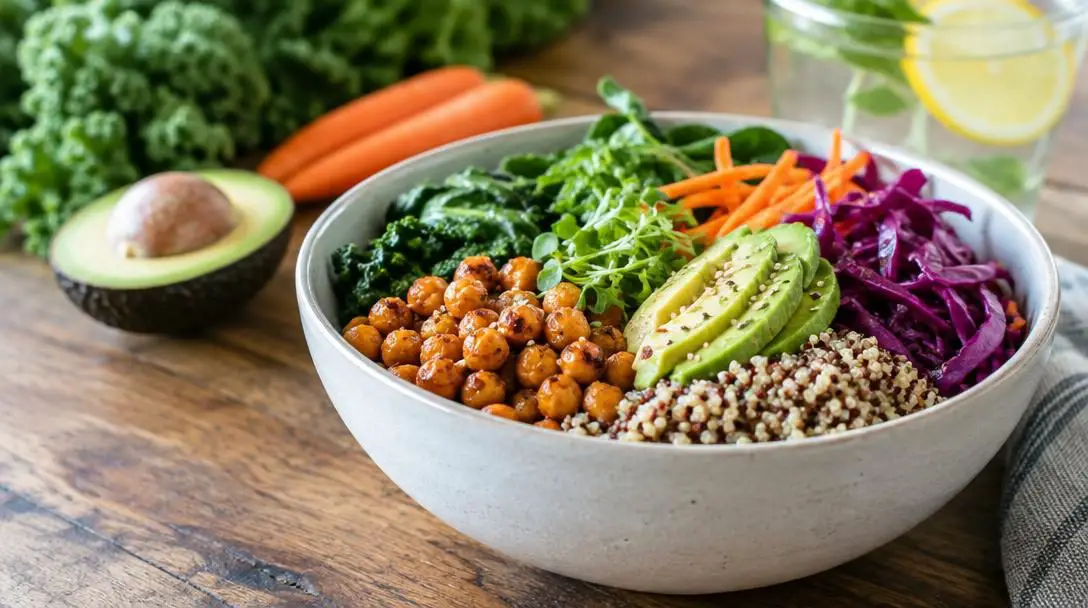
Fiber is an essential non-digestible carbohydrate synthesized exclusively by plant cells. Because human digestive enzymes cannot dismantle the beta-glycosidic bonds found in dietary plant fiber, these structural carbohydrates pass largely intact through the stomach and small intestine into the colon. Adults adhering to standard Western diets frequently struggle to consume even minimal fiber, whereas a varied plant-based diet makes it simple to meet and exceed the standard recommended target of 25 to 30 grams per day.
Within the colon, fiber performs two distinct yet complementary roles based on its chemical solubility:
- Insoluble fiber: Found abundantly in vegetable cell walls, whole grain hulls, and legume skins, insoluble fiber attracts water into the stool, adds physical bulk, and mechanically stimulates the smooth muscular walls of the bowel. This rhythmic stimulation promotes regular peristalsis, efficiently moving waste matter through the lower tract and drastically lowering the risk of chronic constipation and diverticular strain.
- Soluble fiber: Found in oats, beans, chia seeds, and peeled fruits, soluble fiber dissolves in gastrointestinal fluids to form a viscous, soothing gel. This gel slows down gastric emptying moderately, promoting lasting post-meal satiety and stabilizing blood glucose levels.
Beyond regulating stool consistency, dietary fiber serves as an essential prebiotic substrate. The beneficial bacteria residing within the gut microbiome rely on fermentable prebiotic fibers as their primary fuel source. When these microbes ferment fiber, they produce beneficial short-chain fatty acids that nourish colonocytes and protect against colon cancer. Conversely, a diet deficient in fiber leaves the gut microbiota undernourished. Starved of fermentable plant matter, opportunistic pathogenic bacteria can overpopulate the gut, disrupting the mucosal barrier and triggering dysbiosis marked by uncomfortable gas, bloating, and unpredictable bouts of diarrhea.
Active Natural Digestive Enzymes
While the human pancreas and stomach produce endogenous digestive juices, including proteases, lipases, and amylases, specific plant foods carry their own intrinsic enzymatic activity. Consuming fresh, enzyme-rich plant foods assists your native digestive process by initiating the breakdown of macronutrients in the upper digestive tract, reducing the physiological workload imposed on the stomach and small intestine.
Two of the most well-documented plant enzymes are found in tropical fruits:
- Bromelain: Concentrated within the fruit and core of fresh pineapple, bromelain is a complex proteolytic enzyme mixture that actively cleaves peptide bonds in dense protein molecules. By breaking large proteins into smaller peptides and amino acids, bromelain accelerates digestion and minimizes upper abdominal heaviness.
- Papain: Sourced from ripe and green papayas, papain functions as another powerful proteolytic enzyme capable of degrading tough protein fibers and assisting carbohydrate breakdown. Traditional wellness practices have long utilized fresh papaya to relieve indigestion, reduce sluggish stomach feelings, and restore digestive harmony.
Introducing these raw, enzyme-dense fruits into the diet offers functional enzymatic support, preventing lingering food particles from fermenting improperly in the stomach and creating distressing sensations of fullness or acid regurgitation.
Favorable Lipid Profiles and Gastric Transit
Dietary fats are the slowest of all macronutrients to clear the human stomach. High concentrations of total and saturated fats—typically characteristic of meat-heavy meals and dairy-rich dishes—trigger the release of cholecystokinin, a gut hormone that deliberately slows down gastric emptying. When a meal remains trapped in the stomach for an extended period, it frequently produces a sense of heavy lethargy, gastroesophageal pressure, and persistent upper-abdominal distension.
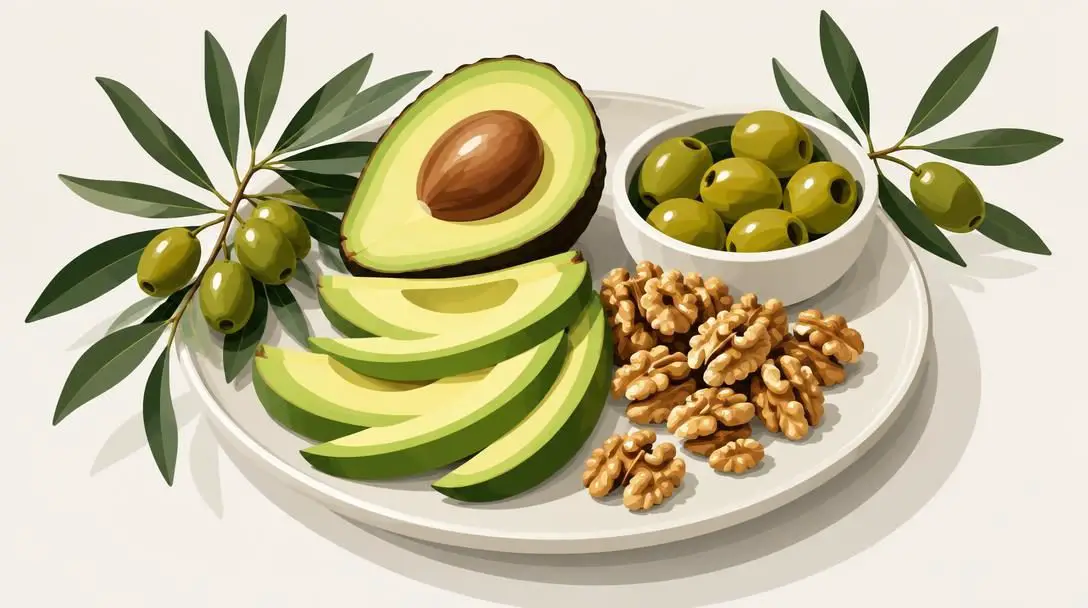
In contrast, whole-food plant-based meals are naturally lower in total fat and saturated fat. This lighter nutritional density enables food to move through the initial stages of digestion without unnecessary delay, ensuring efficient transit and preventing uncomfortable postprandial stagnation. However, this does not mean plant-based eating lacks essential lipids. Nutrient-dense whole plant fats—such as those found in avocados, raw walnuts, pumpkin seeds, and almonds—provide heart-healthy monounsaturated and polyunsaturated fats along with fat-soluble vitamins. Because these healthy fats are still energy-dense and slow down transit when consumed in excess, portion awareness ensures they support your system without overtaxing your digestive pace.
Suppression of Mucosal Inflammation
Subclinical or chronic inflammation within the gastrointestinal tract presents a major hurdle to comfortable digestion. Persistent inflammation can degrade the protective mucus barrier, compromise the tight junctions of the intestinal epithelium, and provoke painful visceral hypersensitivity. These underlying inflammatory reactions are primary contributors to debilitating clinical conditions such as irritable bowel syndrome (IBS) and inflammatory bowel disease (IBD).
Fortunately, whole plant foods are uniquely saturated with bioavailable anti-inflammatory compounds, including polyphenols, anthocyanins, and specialized phytonutrients that soothe and defend the gut lining. Key dietary contributors to gastrointestinal tranquility include:
- Dark leafy greens: Vegetables such as spinach, kale, and collards deliver abundant chlorophyll, beta-carotene, and magnesium, all of which support cellular repair along the intestinal wall.
- Dark berries: Blueberries, strawberries, and blackberries provide rich concentrations of anthocyanins, potent antioxidants that neutralize cellular oxidative stress and decrease pro-inflammatory signaling in the bowel.
- Turmeric: Containing the vibrant polyphenol curcumin, this golden root helps downregulate inflammatory enzymes within mucosal tissues and eases digestive irritation.
- Fresh ginger: Long revered for its gastrointestinal virtues, ginger contains active gingerols and shogaols that soothe gastric irritation, relax the intestinal musculature, and encourage healthy downward motility.
Comparing Plant-Based Food Categories and Gut Benefits
Different categories of plant foods perform unique, complementary tasks across the gastrointestinal tract. The following comparison illustrates how various whole-food categories uniquely nourish and protect your digestive physiology.

| Food Category | Primary Gut Role | Key Active Components | Digestive Considerations |
|---|---|---|---|
| Legumes and Pulses | Microbiome nourishment and bulk | Resistant starch, insoluble fiber, plant protein | Introduce gradually to prevent transient gas while gut bacteria adapt. |
| Whole Grains | Peristaltic regularity and stool bulk | Soluble beta-glucans, insoluble bran, B vitamins | Drink adequate water to allow grain fibers to swell properly. |
| Enzyme-Rich Fruits | Macronutrient breakdown support | Bromelain (pineapple), papain (papaya), pectin | Best consumed fresh, raw, or lightly chilled to preserve enzyme activity. |
| Leafy Greens and Spices | Mucosal protection and anti-inflammation | Curcumin, gingerols, polyphenols, chlorophyll | Soothes gut lining; pair with cooking to soften rough cellulose if sensitive. |
| Nuts and Seeds | Nutrient absorption and soothing mucilage | Omega-3 fatty acids, soluble fiber, vitamin E | Consume in mindful portions to avoid slowing stomach emptying. |
Systemic Health Impacts Beyond the Gut
While the immediate digestive improvements of a plant-rich diet—such as predictable regularity, reduced bloating, and effortless transit—are often what people notice first, the physiological benefits extend across the entire body. The digestive system functions as the primary gatekeeper for whole-body wellness; when intestinal balance is achieved, systemic health outcomes improve markedly.
Diets built around whole plant foods reliably decrease circulating low-density lipoprotein (LDL) cholesterol levels. The soluble fibers found in beans, oats, and fruits bind to cholesterol-rich bile acids in the small intestine, escorting them out through bowel movements and prompting the liver to pull excess cholesterol from the bloodstream to produce new bile. This mechanism significantly reduces the risks of developing atherosclerosis, hypertension, heart disease, and stroke.
Furthermore, maintaining high fiber consumption and an active, diverse gut microbiome provides durable protection against colorectal cancers. As prebiotic fibers ferment into beneficial short-chain fatty acids within the colon, the local pH drops slightly, producing an environment inhospitable to pathogenic bacteria, suppressing cellular mutations, and accelerating the transit of potential carcinogens out of the body. In this manner, eating for digestive comfort simultaneously builds a robust shield against major chronic diseases.
How to Transition Your Diet Without Digestive Distress
Shifting your eating habits toward whole plants should be approached methodically. Because your gut microbiome is a living ecosystem that mirrors your habitual diet, changing your fuel source too rapidly can cause temporary gas and cramping. Follow these sequential steps to ensure an enjoyable and comfortable transition.
- Incrementally increase your daily fiber intake: Do not jump from a low-fiber diet to 40 grams of fiber overnight. Over three to four weeks, gradually add an extra half-cup of beans, a serving of whole grains, or an extra serving of vegetables each day, allowing your microbiome to adjust its microbial populations smoothly.
- Double down on daily fluid hydration: As your fiber intake increases, match it with consistent water consumption throughout the day. Water combines with both soluble and insoluble fiber to keep stools soft, hydrated, and easily propelled through the colon.
- Introduce natural digestive enzymes: Integrate fresh pineapple or ripe papaya into your morning breakfast or as a mid-afternoon digestive snack to assist upper gastrointestinal breakdown and soothe transit.
- Season meals with therapeutic culinary roots: Incorporate freshly grated ginger and ground turmeric into hot teas, grain bowls, curries, and vegetable soups to coat the digestive mucosa with anti-inflammatory support.
- Substitute animal proteins with tender legumes: Replace red meats and poultry with lentils, chickpeas, or black beans. Lentils and split peas are particularly easy to digest when thoroughly cooked and provide exceptional protein and prebiotic nutrients.
- Practice intentional portioning with high-fat plant foods: Enjoy nutrient-rich whole fats such as avocados, walnuts, chia seeds, and almonds, but keep portions mindful so stomach clearance remains brisk and unburdened.
Common Digestive Pitfalls to Avoid
When adopting a plant-based diet, enthusiastic beginners sometimes encounter dietary stumbling blocks that can sabotage digestive harmony. Avoiding these frequent missteps will keep your gastrointestinal tract comfortable and working smoothly:
- Increasing fiber without adequate water: Fiber absorbs liquid like a dry sponge. If you dramatically increase your intake of beans, oats, and raw produce without drinking enough water, the fiber will compact within the lower intestine, leading to painful constipation, hard stools, and severe abdominal cramping.
- Relying on ultra-processed vegan substitutes: Pre-packaged meat alternatives, vegan baked goods, and refined plant-based junk foods are often depleted of natural enzymes, devoid of genuine prebiotic fiber, and high in inflammatory refined seed oils. These factory-formulated products can irritate the gastrointestinal tract just as severely as any conventional processed diet.
- Neglecting critical micronutrient planning: While plant foods provide an abundance of antioxidants and fibers, certain essential nutrients demand proactive attention. In particular, vitamin B12 cannot be reliably obtained from unfortified plant sources and is critical for nerve conduction and healthy red blood cell synthesis. Similarly, iron requires thoughtful planning, as plant-derived non-heme iron is best absorbed when paired with vitamin C-rich foods. Supplementation or fortified foods should be utilized whenever necessary.
- Overeating high-fat plant foods in single sittings: Even though the monounsaturated and polyunsaturated fats found in avocados, nut butters, and seeds are nutritious, eating large volumes at once heavily delays stomach clearance, causing sluggishness, reflux, and bloating.
Frequently asked questions
Why does eating more beans and vegetables initially cause gas?
When you suddenly consume higher amounts of dietary fiber and oligosaccharides, your existing gut bacteria must ferment these complex compounds rapidly. If your microbiome is unaccustomed to this volume, the accelerated fermentation creates temporary gas and mild bloating. This resolves naturally within a few weeks as your gut flora diversifies and adapts.
How much fiber should I consume each day for optimal digestion?
Health guidelines generally recommend consuming between 25 and 30 grams of dietary fiber daily. A varied whole-food plant-based diet naturally achieves or surpasses this target through its abundant focus on legumes, whole grains, root vegetables, fruits, and seeds.
Do I need to take commercial enzyme supplements if I eat plant-based?
Most healthy individuals produce sufficient endogenous digestive enzymes and do not require commercial enzyme pills. Incorporating whole, raw fruits that naturally carry active enzymes—such as pineapple containing bromelain and papaya containing papain—provides gentle, natural digestive assistance without supplemental reliance.
Can a plant-based diet help calm conditions like IBS and IBD?
Yes, the anti-inflammatory properties of whole plant foods—such as leafy greens, berries, turmeric, and ginger—can help decrease mucosal irritation and oxidative stress in the gastrointestinal tract. However, individuals managing IBS or active IBD flares should work with a healthcare provider to tailor their fiber types and avoid specific personal trigger foods.
What critical nutrients should I monitor when cutting out animal products?
Individuals eating exclusively plant-based foods must proactively plan for vitamin B12, which is essential for blood formation and neurological health, as it is absent in unfortified plant foods. Iron intake must also be monitored, and regular medical check-ups can confirm that your nutritional reserves remain robust.
The bottom line
Adopting a whole-food plant-based eating pattern provides direct, physiologically grounded support for the human digestive tract. By delivering an abundant spectrum of soluble and insoluble fibers, active natural enzymes, and protective anti-inflammatory phytonutrients within a framework naturally low in heavy saturated fats, plant foods create an environment where beneficial gut bacteria flourish and digestion proceeds comfortably.
Sustained digestive vitality does not require perfection, nor does it require dramatic overnight extremes. By thoughtfully crowding your plate with colorful fruits, dark leafy greens, intact whole grains, and protein-packed legumes—while hydrating consistently and monitoring your essential micronutrients—you can optimize your gastrointestinal transit, soothe your gut lining, and establish a resilient foundation for lifelong systemic health.