5 Easy Ways To Lower Cholesterol

Managing cholesterol is one of the most critical aspects of maintaining long-term cardiovascular health. When an individual has a total cholesterol level that reaches or exceeds 200 mg/dL, the risk for serious medical emergencies, including heart disease and stroke, rises substantially. Despite extensive public health campaigns, elevated cholesterol remains an urgent concern across the country. In the United States, roughly 95 million adults are affected by high cholesterol, and the condition is not confined to older demographics: approximately seven percent of children and adolescents under the age of 20 also struggle with elevated levels.
Because high cholesterol frequently develops without visible warnings or physical discomfort, millions of people remain unaware that their blood vessels are under strain until a life-threatening crisis occurs. Left unaddressed, lipid imbalances accelerate arterial wear and tear. Fortunately, adopting straightforward, evidence-based lifestyle modifications can profoundly alter your lipid markers, protecting your cardiovascular system and supporting a longer, healthier life.
Key takeaways
- Total cholesterol levels at or above 200 mg/dL substantially elevate your risk for strokes and heart attacks.
- Approximately 95 million American adults and seven percent of young people under 20 currently live with elevated cholesterol.
- A routine of brisk walking for 30 minutes five days weekly stimulates enzymes that clear harmful low-density lipoproteins from the blood.
- Losing just 10 pounds or five percent of total body weight can significantly reduce triglycerides and LDL while elevating HDL.
- Drinking green tea regularly delivers potent antioxidants that have been shown to lower LDL by nearly 2.2 mg/dL in clinical settings.
How Cholesterol Affects Your Bloodstream
To understand why lifestyle habits exert such a profound effect on cardiovascular health, it is essential to examine how cholesterol moves through the human body. Cholesterol is a waxy, fat-like substance that cells require to construct stable membranes, produce crucial steroid hormones, and synthesize vitamin D. However, because it is an oil-based compound, cholesterol cannot travel through water-based blood on its own. The body overcomes this barrier by encapsulating lipids inside protein-coated carriers called lipoproteins.
Clinical lipid panels primarily evaluate three distinct markers to gauge your overall cardiovascular profile:
- Low-Density Lipoprotein (LDL): Commonly designated as bad cholesterol, LDL carries cholesterol outward from the liver to peripheral tissues. When concentrations of circulating LDL become too elevated, excess particles penetrate the delicate endothelial lining of the arterial walls. These trapped particles oxidize and trigger an inflammatory immune response, forming hardened deposits known as arterial plaque. As plaque accumulates, arteries narrow and stiffen, choking off blood flow and sharply increasing the risk of sudden clot formation, heart attacks, and ischemic strokes.
- High-Density Lipoprotein (HDL): Known as good cholesterol, HDL operates as the vascular system's biological maintenance crew. It patrols the bloodstream, absorbing surplus cholesterol from tissues and blood vessel walls, and carries it back to the liver for catabolism, recycling, or excretion. Robust HDL concentrations prevent LDL from establishing a foothold in arterial tissue.
- Triglycerides: The most abundant form of circulating fat, triglycerides store unburned dietary calories for future energy demands. When systemic levels stay persistently elevated—particularly alongside high LDL and depressed HDL—arterial walls experience accelerated stress and progressive damage.
At a Glance: The 5 Strategies to Lower Cholesterol
| Strategy | Primary Mechanism | Recommended Target |
|---|---|---|
| Aerobic Exercise | Stimulates liver enzymes to clear LDL and boosts protective HDL | 30 minutes of brisk walking 5 times weekly |
| Dietary Adjustments | Soluble fibers bind bile acids and sweep cholesterol from the digestive tract | Eat beans, whole grains, apples, berries, nuts, fish, and vegetables |
| Smoking Cessation | Halts chemical suppression of HDL and slows LDL oxidation | Complete cessation from all tobacco products |
| Modest Weight Reduction | Improves insulin sensitivity and reduces endogenous lipid synthesis | Lose 10 pounds or at least 5% of total body weight |
| Green Tea Consumption | Supplies natural antioxidants that blunt intestinal absorption of lipids | Daily freshly brewed green tea |
5 Proven Ways to Lower Your Cholesterol Levels
Rebalancing your lipid numbers does not demand drastic, invasive interventions or extreme deprivation. By adopting consistent, sustainable habits across your everyday routine, you can produce remarkable clinical improvements. Below are five proven lifestyle approaches that directly optimize your cholesterol markers.
1. Get Moving with Regular Cardio
Physical movement serves as one of the most reliable, non-invasive therapies for normalizing disrupted blood lipid profiles. Cardiovascular exercise works by stimulating specialized vascular and hepatic enzymes that pull harmful LDL particles out of circulation and transfer them back to the liver for disposal, while simultaneously stimulating your body to increase the production of protective HDL particles.
You do not need to train like an ultra-marathoner to reap these benefits. A straightforward routine of taking a brisk, 30-minute walk five times every week will substantially improve your cholesterol profile. Once you establish a dependable walking habit, you can progressively enhance the intensity of your cardiovascular workouts to achieve even greater benefits. Cardiologists frequently recommend activities such as jogging, swimming, cycling, and yoga to keep your heart strong, lower vascular tension, and maintain flexible blood vessels.
2. Eat the Right Foods
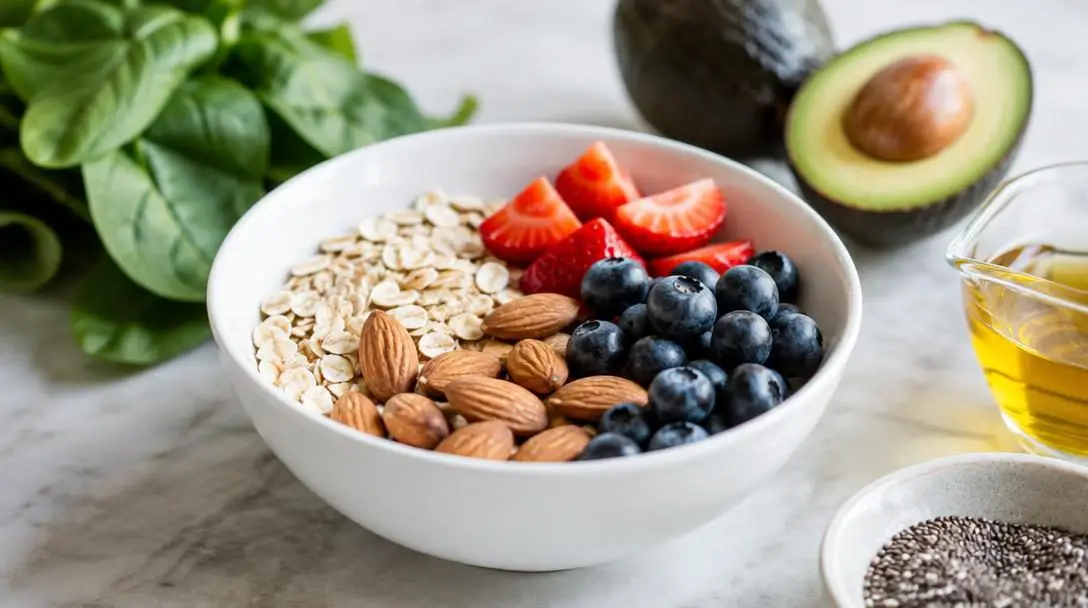
Targeted dietary intervention is a cornerstone of cholesterol management. Naturally, you will want to adjust your daily food choices to minimize arterial inflammation and lower circulating LDL levels. Rather than focusing entirely on restriction, prioritize adding whole, nutrient-dense foods known to actively sweep cholesterol from your system before it can harm your arterial lining.
Specific foods that you should actively include in your diet include:
- Beans and Legumes: Packed with viscous soluble fiber, beans bind to cholesterol precursors in the digestive tract, encouraging their elimination before they ever reach your bloodstream.
- Whole Grains: Whole grains supply rich dietary fiber that directly assists in reducing systemic LDL levels.
- Apples and Strawberries: These fruits provide rich amounts of pectin, a type of soluble fiber that lowers LDL, along with an array of protective micronutrients.
- Nuts: Eating a variety of nuts delivers heart-healthy fats, plant sterols, and fiber that support clear arteries.
- Fish: Incorporating fish into your meals provides essential clean proteins and fatty acids that nourish the heart and support balanced blood lipids.
- Vegetables: Eating a diet heavy in a wide variety of fresh vegetables delivers essential micronutrients, optimizes digestion, and dramatically enhances overall systemic health.
3. Put Down the Cigarettes
When most people reflect on the severe health hazards associated with smoking cigarettes, their immediate thoughts turn toward tissue destruction in the lungs, throat, and mouth, alongside spiking blood pressure. Very few individuals stop to think about the devastating impact cigarette smoke has on circulating cholesterol.
Those who smoke put themselves at an immediate and heightened risk for heart disease, and altered cholesterol profiles play a direct part in that damage. Researchers have determined that smokers—who account for roughly 13 percent of the total population in the United States—consistently present with higher LDL levels and lower HDL levels compared to non-smokers. While the exact biological mechanisms and pathways continue to be studied by researchers, the clinical outcome is clear: smoking suppresses the protective activity of your good HDL while accelerating the oxidation and deposition of your bad LDL. Giving up cigarettes is one of the quickest ways to reverse this trend and protect your blood vessels from accelerated plaque formation.
Smoking suppresses the protective activity of your good HDL while accelerating the oxidation and deposition of your bad LDL.
4. Drop the Weight
The steady climb in high cholesterol across broad populations directly mirrors the contemporary rise in obesity levels. Carrying substantial excess body weight alters normal metabolic function and goes hand in hand with elevated cholesterol markers. However, the path toward better health does not require you to eliminate every single excess pound in a short period to achieve meaningful longevity.
Clinical studies demonstrate that people who lose just 10 pounds experience a significant, measurable improvement in their overall cholesterol balance. Furthermore, research highlights that individuals who successfully shed 5 percent or more of their total body weight enjoy the greatest clinical improvements. This level of moderate weight reduction lowers circulating triglycerides, drops LDL numbers, and drives up levels of protective HDL, establishing a much safer internal environment for your heart.
5. Followed to a Tea
Beverage choices play a noticeable role in your overall metabolic health. Tea ranks as one of the best beverages you can consume, providing a wide array of distinct health benefits. Chief among these advantages is tea's capacity to help reduce cholesterol, driven primarily by its rich concentration of natural antioxidants.
Green tea is particularly potent in this regard. One major study revealed that individuals who drank green tea on a consistent basis were able to lower their LDL levels by nearly 2.2 mg/dL. The protective impact seen in experimental, non-human studies was even more dramatic, with LDL concentrations dropping by up to 30 percent. Incorporating freshly brewed green tea into your regular daily fluid intake provides a simple, enjoyable way to support balanced lipid numbers without any complicated interventions.
Practical Daily Steps to Build Healthy Habits
Sustained success comes from translating overarching health principles into manageable, day-to-day actions. Trying to overhaul your entire lifestyle all at once can lead to burnout, whereas layering small, actionable habits creates momentum that lasts over months and decades.
- Audit Your Morning Beverage: Replace sugary drinks, energy drinks, or heavily sweetened creamers with a cup of hot or iced green tea. This delivers antioxidants directly into your system at the start of your day.
- Schedule Your Workouts: Treat your 30-minute brisk walk with the same level of commitment as an essential business meeting. Choose five dedicated days per week and lock those times into your personal calendar. As your stamina improves, rotate in sessions of swimming, cycling, yoga, or jogging.
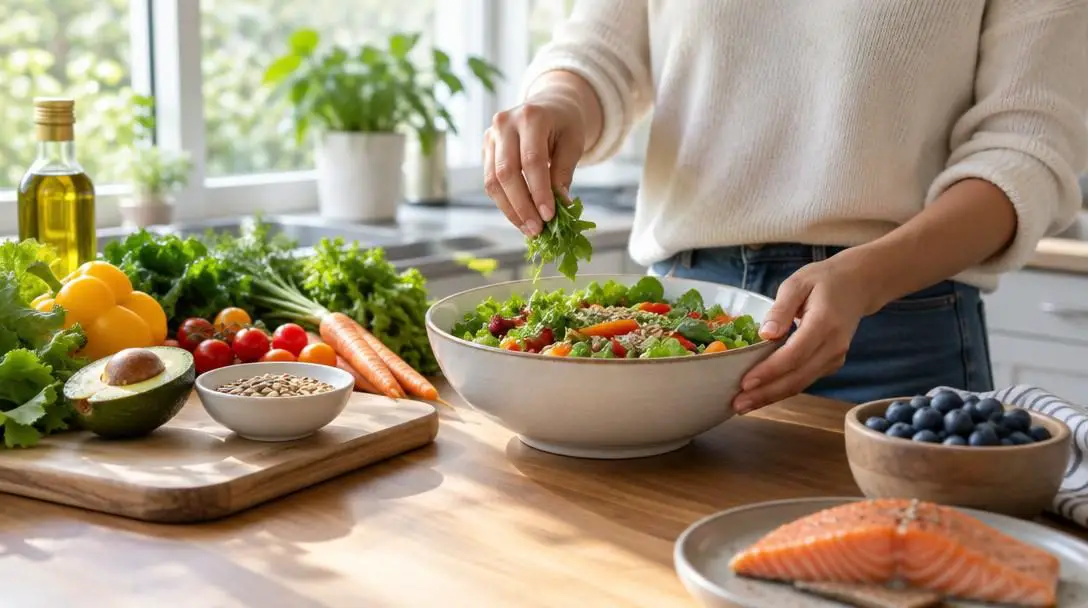
- Rebuild Your Grocery Cart: Ensure that your kitchen is stocked with heart-protective foods. Fill your cart with apples, strawberries, beans, whole grains, nuts, fresh fish, and an abundant assortment of vegetables so that nutritious options are always within arm's reach.
- Plan Your Meals for Gradual Weight Loss: Rather than attempting crash diets, use consistent portion awareness and higher vegetable and fiber intake to aim for losing 10 pounds or achieving a 5 percent reduction in total body weight. This manageable pace preserves lean muscle while reducing dangerous visceral fat.
- Identify Smoking Triggers: If you currently smoke, track the specific environments, times of day, or stress patterns that prompt you to light a cigarette. Seek smoking cessation resources, support groups, or professional healthcare guidance to dismantle the habit step by step.
Common Mistakes That Sabotage Progress
Even well-intentioned individuals encounter setbacks when attempting to lower their cholesterol. Avoiding these frequent missteps will help keep your efforts on track:
- Assuming Normal Weight Guarantees Safe Numbers: While obesity and high cholesterol frequently align, slim or average-weight individuals can also harbor dangerous LDL levels due to genetics, poor nutrition, or smoking. Everyone needs objective testing regardless of their body size.
- Relying Exclusively on Exercise: While cardio is indispensable for raising HDL and conditioning the heart, physical exertion alone cannot completely neutralize a diet devoid of fiber and heavy in harmful fats. Nutrition and exercise must work together.
- Setting Unrealistic Weight Loss Targets: Setting a goal to lose vast amounts of weight overnight often leads to frustration and rebound weight gain. Remember that losing just 10 pounds or roughly 5 percent of your body mass delivers immense cardiovascular advantages.
- Overlooking Hidden Sugars in Tea: Many consumer teas contain substantial amounts of high-fructose corn syrup or cane sugar. These sweeteners promote hepatic fat accumulation and spike triglycerides, erasing the tea's natural lipid-clearing benefits.
- Underestimating the Impact of Smoking: Many people treat smoking purely as a pulmonary issue, assuming that clean eating can offset tobacco use. In reality, the chemicals in smoke actively undermine your lipid profile by depleting HDL and driving up LDL.
Frequently asked questions
At what level does total cholesterol become dangerous?
Cardiovascular risk rises substantially when total cholesterol reaches or exceeds 200 mg/dL. At this threshold, circulating particles are far more likely to contribute to arterial plaque formation, narrowing your blood vessels and increasing the likelihood of heart attacks and strokes.
How much exercise is required to improve cholesterol markers?
A commitment of 30 minutes of brisk walking five times per week is enough to stimulate the clearance of LDL from your bloodstream and increase protective HDL levels. You can also mix in cycling, swimming, jogging, or yoga as your cardiovascular fitness develops.
Do I have to reach an ideal body weight to see lower cholesterol?
No. Research shows that losing just 10 pounds produces noticeable improvements in your lipid panel. Furthermore, shedding five percent or more of your total body weight yields the greatest clinical improvements, lowering triglycerides and LDL while boosting HDL.
How does green tea help reduce bad cholesterol?
Green tea is loaded with potent natural antioxidants that influence lipid metabolism. Clinical evidence indicates that regular green tea consumption can lower circulating LDL by nearly 2.2 mg/dL in humans, with experimental non-human trials observing reductions as high as 30 percent.
Can children or teenagers have high cholesterol?
Yes. Elevated cholesterol is not exclusive to older adults. In the United States, roughly seven percent of children and adolescents under the age of 20 struggle with high cholesterol, underscoring the importance of early dietary awareness and physical activity.
The Bottom Line
Taking ownership of your lipid panel is a continuous process that evolves over time. As you begin integrating regular cardio, antioxidant-rich green tea, smoking cessation, modest weight management, and fiber-packed whole foods, consider scheduling a comprehensive blood panel with your healthcare provider.
A fasting lipid panel will give you an exact measurement of your total cholesterol, LDL, HDL, and triglycerides. Having these baseline metrics lets you observe how your body responds to your new lifestyle habits. Use your lab results as an objective guide to refine your routines, adjust your physical activities, and celebrate the measurable progress you achieve as you reduce your cardiovascular risk and protect your long-term vitality.