5 Footballers Who Were Still Great After 35
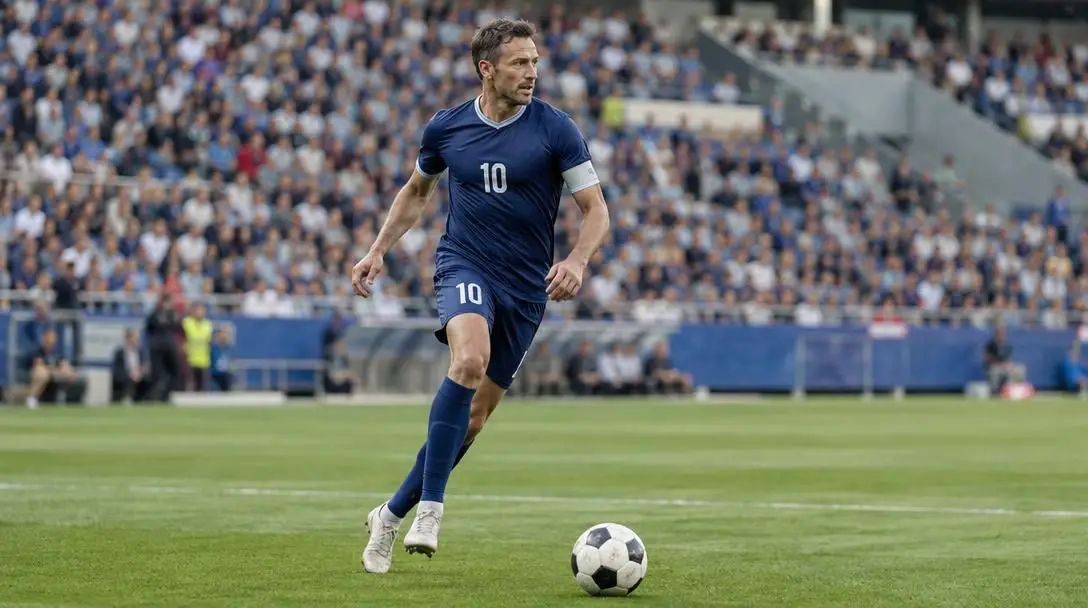
Professional football imposes severe physical demands on the human body, combining rapid changes of direction, grueling contact, and explosive sprinting across ninety minutes of high-intensity play. Because the grinding schedule of a domestic and continental season steadily wears down natural speed and physical resilience, the vast majority of professionals conclude their playing careers well before reaching their mid-thirties, with many hanging up their boots around the age of thirty.
Yet a rare fraternity of exceptional players has broken past this conventional ceiling. By blending natural resilience, refined technical skill, and tactical mastery, these iconic athletes not only competed past their thirty-fifth birthdays but continued lifting trophies, gathering individual accolades, and determining matches at the summit of world football.
Key takeaways
- Most professional footballers retire around age thirty due to intense athletic demands and the natural loss of recovery speed.
- Iconic athletes such as Ryan Giggs, Gianluigi Buffon, Francesco Totti, Zlatan Ibrahimović, and Cristiano Ronaldo sustained world-class output well beyond thirty-five.
- Late-career longevity depends on trading raw physical exertion for tactical positioning, mental efficiency, and technical precision.
- Clubs and players must actively adapt training regimens, tactical roles, and recovery routines to prevent premature physical burnout.
The Steep Physical Demands of Modern Football Longevity
Operating as an elite footballer requires an extraordinary baseline of aerobic capacity and anaerobic power. Match after match, players routinely cover kilometers of ground while absorbing heavy challenges, executing high-speed transitions, and engaging in aerial duels. Over a decade-long career, this relentless strain accumulates in joints, muscles, and tendons, inevitably diminishing the sharp burst of acceleration that defines an athlete's early twenties.
When natural recovery pace slows down, standard training habits and tactical approaches no longer suffice. Surviving—and excelling—in top-tier leagues beyond thirty-five requires a deliberate transformation. The athletes who succeed in this late phase are those who re-engineer their relationship with the sport, relying on spatial awareness, game intelligence, and refined technique rather than pure physical dominance.
Remaining competitive past age thirty-five is not merely a triumph of physical stamina, but a masterclass in tactical intelligence and technical economy.
Five Footballers Who Dominated Past Age 35
While hundreds of players step down to lower tiers or retire altogether when their physical speed wanes, these five standout players continued competing for major silverware and breaking historical records well into their late thirties.
| Player | Primary Position | Late-Career Clubs | Key Post-35 Accomplishments |
|---|---|---|---|
| Ryan Giggs | Winger / Midfielder | Manchester United | 4 Premier League titles, FA Community Shield |
| Gianluigi Buffon | Goalkeeper | Juventus, Paris Saint-Germain, Parma | 7 Serie A titles, Ligue 1 title, 4 Serie A Goalkeeper of the Year awards |
| Francesco Totti | Attacker | AS Roma | 619 total league appearances, UEFA President's Award |
| Zlatan Ibrahimović | Forward | Manchester United, LA Galaxy, AC Milan | UEFA Europa League, 2019 MLS Player of the Year, Serie A Player of the Month |
| Cristiano Ronaldo | Forward | Juventus, Manchester United, Al Nassr | Serie A title, Coppa Italia, Serie A Footballer of the Year |
Ryan Giggs
- Position: Winger / Midfielder
- Senior Debut: 1990 at age 16
- Post-35 Silverware: 4 Premier League titles, FA Community Shield
- All-Time Record: Most top-division English league titles in history
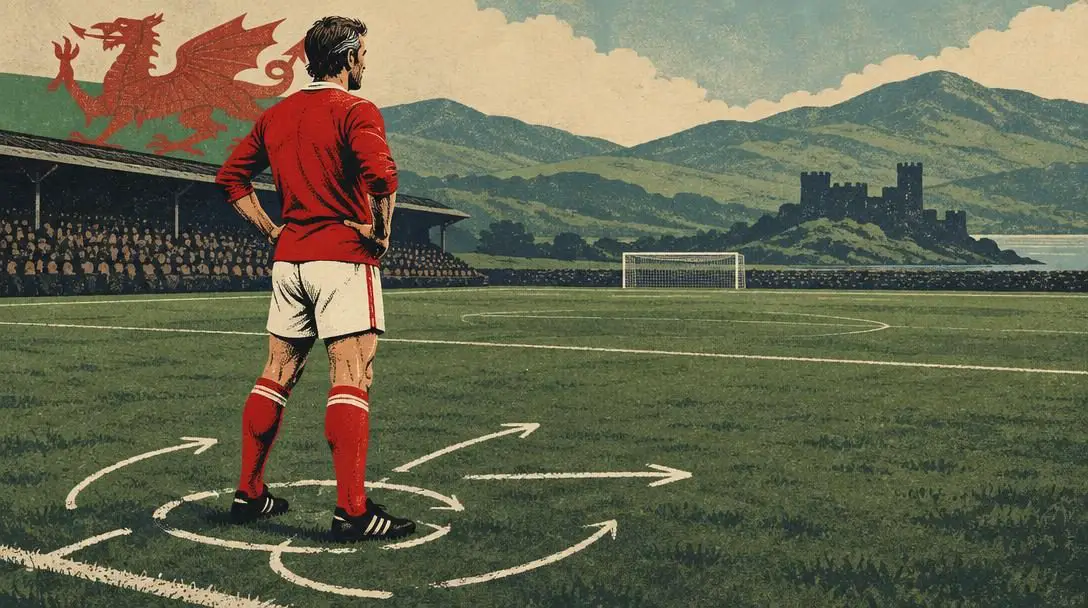
Welsh winger Ryan Giggs laid the foundation for his storied career in the mid-1980s inside Manchester City's youth setup before moving to Manchester United in 1987. Making his senior debut in 1990 at only sixteen years old, Giggs was celebrated for his blisteringly fast touchline runs. By the time he reached his thirty-fifth birthday in 2008, he had already served Manchester United as a professional for eighteen seasons.
Instead of fading from the lineup, Giggs adjusted his style to orchestrate play from deeper midfield areas. After turning thirty-five, he helped Manchester United capture four additional Premier League titles and an FA Community Shield. His relentless consistency across more than two decades enabled him to retire with more top-division English league championships than any other player in the history of the sport.
Gianluigi Buffon
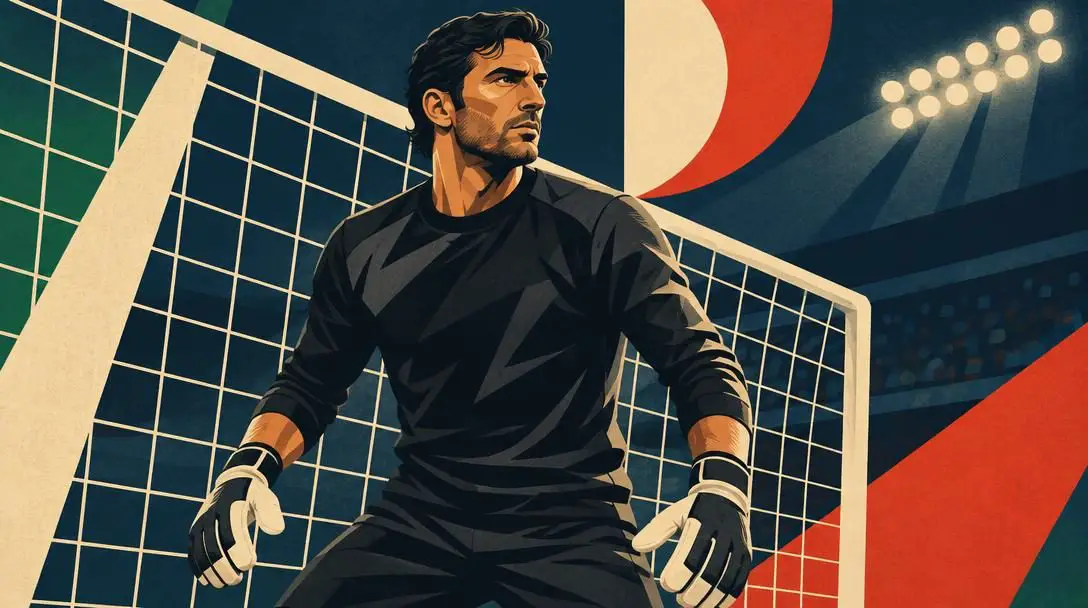
- Position: Goalkeeper
- Key Post-35 Clubs: Juventus, Paris Saint-Germain, Parma
- Post-35 Domestic Honors: 7 Serie A titles, multiple Coppa Italia trophies, 1 Ligue 1 title
- Individual Recognition: 4 Serie A Goalkeeper of the Year awards post-35
Italian goalkeeper Gianluigi Buffon began making waves during his formative professional years with Parma before securing a transfer to Juventus in 2001. After dedicating a full dozen seasons to the Turin giants, Buffon reached his thirty-fifth birthday with his sharp reflexes, commanding presence, and leadership unbroken.
Buffon's post-thirty-five resume rivals the entire lifetime careers of world-class athletes. He stayed with Juventus for five more seasons, ventured abroad to capture a Ligue 1 title with Paris Saint-Germain, and later returned for an emotional homecoming at Parma. Along the way, he claimed seven Serie A championships, multiple Coppa Italia trophies, and four Serie A Goalkeeper of the Year awards after age thirty-five, demonstrating that spatial anticipation can substitute for raw leaping agility.

Francesco Totti

- Position: Attacker
- Career Club: AS Roma
- Career Total: 619 league appearances
- Post-35 Accolades: UEFA President's Award, multiple sportsmanship honors
Embodying loyalty in an era defined by player transfers, Italian attacker Francesco Totti spent his entire professional career representing AS Roma. Developing through local youth teams before breaking into Roma's senior squad, Totti developed into the heartbeat of the Italian capital's football identity, continuing to feature in competitive matches for six years following his thirty-fifth birthday.
Totti remained a potent offensive weapon throughout his late thirties, scoring twelve league goals during the 2012–13 Serie A campaign and contributing consecutive eight-goal seasons immediately afterward. When he finally retired in 2017 with 619 league appearances, his playing tenure had spanned technological generations—stretching from the debut of the original FIFA video game on the Super Nintendo to FIFA 17 on the PlayStation 4, where gamers could trigger his iconic celebration. He concluded his career decorated with sportsmanship honors and the UEFA President's Award.
Zlatan Ibrahimović
- Position: Forward
- Post-35 Clubs: Manchester United, LA Galaxy, AC Milan
- European Silverware: UEFA Europa League, EFL Cup, Community Shield
- Individual Honors: 2019 MLS Player of the Year, Ballon d'Or nomination
Swedish striker Zlatan Ibrahimović forged a reputation as an itinerant superstar, gathering championships across the continent with Paris Saint-Germain, Inter Milan, and Juventus. In 2016, Ibrahimović celebrated his thirty-fifth birthday while competing in the physical environment of the Premier League with Manchester United, spearheading campaigns that won the UEFA Europa League, the EFL Cup, and the Community Shield.
After two impactful years in England, Ibrahimović traveled stateside to join Major League Soccer, earning two MLS All-Star Game selections and the 2019 MLS Player of the Year award. He then crossed back across the Atlantic to rejoin AC Milan, where he claimed a Serie A Player of the Month award and earned another Ballon d'Or nomination well after most contemporaries had settled into retirement.
Cristiano Ronaldo
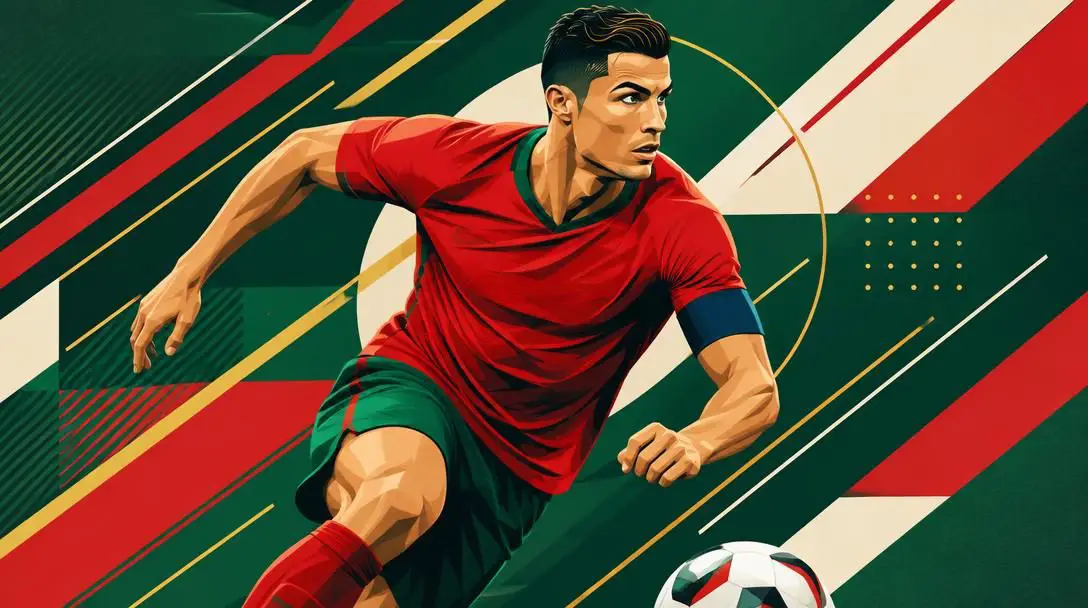
- Position: Forward
- Post-35 Honors: Serie A Footballer of the Year, Portuguese Player of the Year
- Trophies Post-35: Serie A title, Coppa Italia, Supercoppa Italiana
- Later Destinations: Manchester United, Al Nassr
Portuguese icon Cristiano Ronaldo established his status among the game's greatest figures through rigorous athletic dedication. Following formative beginnings at Sporting CP, Ronaldo starred for Manchester United and Real Madrid during the 2000s and 2010s, capturing numerous continental honors and global individual awards.
When Ronaldo reached thirty-five in 2020 while leading the attack for Juventus, his goalscoring metrics showed little sign of drop-off. He powered Juventus to the Serie A championship, the Coppa Italia, and the Supercoppa Italiana, picking up both Serie A Footballer of the Year and Portuguese Player of the Year honors. Following his time in Italy, he made a high-profile return to Manchester United before signing a record-setting deal with Saudi Arabian side Al Nassr, showing that elite physical preparation can preserve finishing output at any age.
The Mechanics of Sustained Elite Performance Past 35
Reaching an advanced sporting age without suffering a severe performance drop requires a complete recalibration of how a footballer approaches the game. Where an athlete in their early twenties might rely on sheer burst, endless recovery running, and sudden changes of pace, veteran performers must lean into different operational strengths:
Superior positioning and spatial anticipation replace the need for constant running. By evaluating defensive shapes and tactical movements seconds before they unfold, seasoned veterans position themselves where the ball will arrive, cutting out dangerous attacks or finding attacking pockets without expending unnecessary energy.
Mental efficiency and energy conservation become paramount. Experienced players choose their moments carefully, holding back on reckless presses to ensure they have the explosive burst needed to contest a decisive aerial duel or make a clinical run into the penalty area during the final ten minutes of a fixture.
Technical precision remains resilient to aging. While linear speed diminishes over time, passing range, first-touch security, dead-ball striking, and shooting technique do not degrade simply because a player turns thirty-five. This technical baseline allows players like Totti, Giggs, and Ibrahimović to remain decisive offensive focal points.
Practical Steps for Sustaining Long-Term Athletic Output
Athletes who successfully navigate their mid-to-late thirties adopt deliberate routines to safeguard their bodies and maximize output. The following progression outlines how world-class footballers adapt as their careers advance:
- Adapt tactical roles: Transition away from roles requiring end-to-end sprinting along the touchline, shifting into centralized positions focused on passing range, field vision, or targeted penalty-box finishing.
- Prioritize recovery and preservation: Institute rigorous post-match rehabilitation schedules, including physical therapy, structured rest windows, and tailored muscular care to prevent chronic soft-tissue strains.
- Refine core technical skills: Direct daily practice toward technical execution—such as first-touch control, distribution accuracy, and clinical finishing—which remains dependable regardless of foot speed.
- Maintain psychological drive: Cultivate the internal discipline required to sustain intense daily preparation, navigate competitive stress, and endure constant physical maintenance routines year after year.
- Select appropriate sporting environments: Align with clubs, tacticians, and playing systems that value tactical leadership and veteran composure while providing structural coverage for reduced mobility.
Common Missteps in Late-Career Player Management
When clubs and aging footballers fail to manage the final phases of a career properly, performance drops and injuries quickly follow. Avoiding these frequent missteps is critical for sustained longevity:
- Expecting outdated physical metrics: Demanding that a thirty-six-year-old athlete match the high-speed sprint volume of a twenty-year-old leads to muscular fatigue, diminished match effectiveness, and preventable injuries.
- Refusing to modify playing styles: Players who attempt to beat fullbacks on pure lateral speed or rely solely on youthful physical traits often struggle once natural acceleration wanes.
- Overusing veteran players: Starting older players across multiple intense fixtures inside a single week without planned rotation invites fatigue and degrades performance.
- Ignoring non-physical contributions: Evaluating veteran footballers solely by physical tracking data overlooks invaluable leadership, dressing-room composure, and tactical game management in pressure situations.
Evaluating Longevity in Modern Football
Advancements in sports science, biometric tracking, and nutritional monitoring mean modern footballers have better resources than ever to protect their bodies. Yet, turning sports science into sustained silverware requires balancing team mobility with veteran wisdom.
Club executives and managers must carefully weigh whether their tactical setup can accommodate older contributors without leaving the squad vulnerable to high-pressing opponents. Furthermore, sporting directors must balance the wage structures of established legends against the pathway needed for young academy talent to flourish. The select few who navigate these hurdles—scoring decisive goals and lifting trophies into their late thirties—set the historical standard for football excellence.
Frequently asked questions
Why do most professional footballers retire around age thirty?
Professional football demands explosive sprinting, constant directional shifts, and heavy physical contact. Over a decade, these forces cause wear and tear on joints and muscles, reducing an athlete's acceleration and recovery capacity to the point where competing against younger players becomes unsustainable.
How was Ryan Giggs able to play at Manchester United until his late thirties?
Giggs adapted his game by shifting from a high-speed touchline winger into an intelligent central midfielder. This tactical evolution emphasized his vision, passing range, and positional discipline, enabling him to secure four Premier League titles after turning thirty-five.
What major honors did Gianluigi Buffon win after turning thirty-five?
Following his thirty-fifth birthday, Buffon won seven Serie A championships, multiple Coppa Italia trophies, and a Ligue 1 title with Paris Saint-Germain, along with taking home four Serie A Goalkeeper of the Year awards.
Can attacking players remain prolific goalscorers after age thirty-five?
Yes. Players like Francesco Totti, Zlatan Ibrahimović, and Cristiano Ronaldo demonstrated that refined striking instincts, precise box positioning, and technical ball-striking remain potent regardless of age, allowing them to lead domestic scoring charts well past thirty-five.
What is the most common mistake clubs make with veteran players?
The most frequent error is demanding the same physical work rates and sprint volumes from veterans as younger teammates, or overplaying them across multiple matches in a single week without adequate rest, which frequently results in soft-tissue injuries.
The Bottom Line
Sustaining a football career past age thirty-five requires far more than physical endurance; it demands tactical evolution, technical excellence, and disciplined recovery. The enduring successes of icons like Ryan Giggs, Gianluigi Buffon, Francesco Totti, Zlatan Ibrahimović, and Cristiano Ronaldo prove that while youth possesses raw speed, experienced mastery remains one of football's most decisive weapons.