5 Fundamentals Of Dressing For Your Age
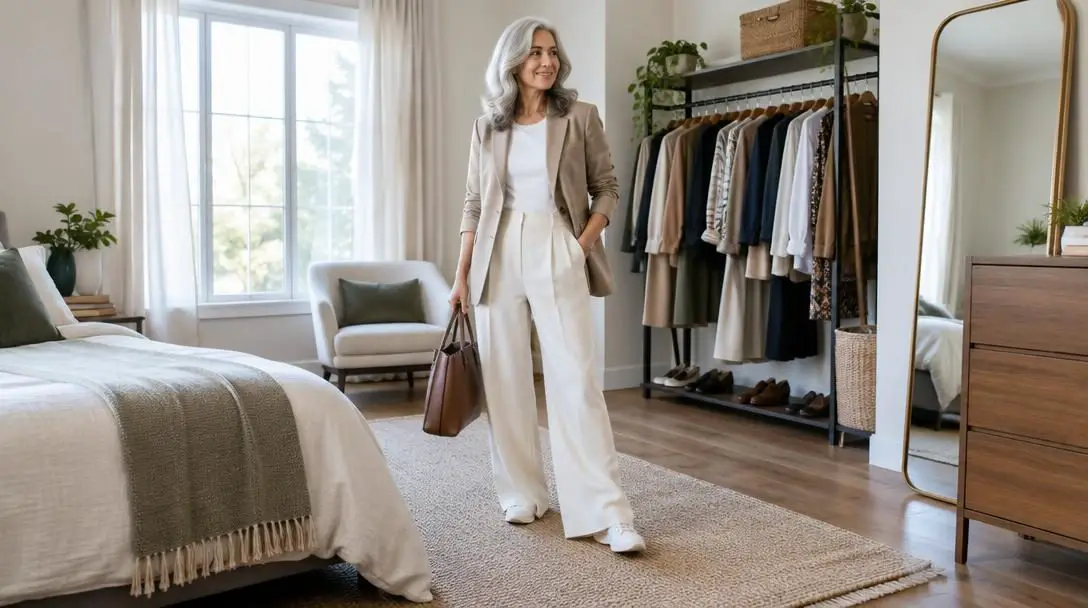
If you picture the wardrobe of a typical twenty-five-year-old man alongside that of a sixty-year-old woman, the two images that come to mind are likely separated by decades of cultural habits and visual expectations. Historically, society enforced rigid fashion boundaries that dictated what individuals could wear at each chapter of life. Older generations were pushed toward conservative, uniform garments, while younger groups possessed an exclusive claim on trend-forward, experimental clothing.
Today, those rigid generational boundaries are dissolving as modern personal style embraces greater fluidity and authentic self-expression. While rigid rules are a thing of the past, visual balance and aesthetic harmony still matter. Knowing how garments fit the body, how textures interact with changing features, and how styling choices project confidence allows adults of any age to present their best, most authentic selves.
Key takeaways
- Classic button-down shirts remain essential across every decade when styled to suit the occasion, whether left casually untucked or tucked in for a crisp, polished appearance.
- Heavy distressing, frayed hems, and pre-ripped garments belong to the casual aesthetic of youth and should be retired after completing college or entering professional adulthood.
- Maturity grants an aesthetic license to embrace vibrant colors and bold pieces rather than defaulting to drab, stereotypical garments.
- Thick cosmetic formulas often emphasize fine lines and discoloration, making light, hydrating applications the most flattering choice as you age.
- Accessories should align with your stage of life, with fine, delicate metals elevating younger wardrobes and dramatic costume pieces complementing mature presence.
Style Across the Decades at a Glance
Styling fundamentals do not dictate that you discard your favorite pieces as birthdays pass. Instead, they provide a roadmap for shifting proportions, scale, and finishes so that your wardrobe continues to flatter your natural presence.
| Wardrobe Element | Younger Adults | Mature Adults | Styling Objective |
|---|---|---|---|
| Button-Down Shirts | Worn untucked, falling at mid-fly for relaxed silhouette | Tucked securely into trousers or skirts for structure | Creates a balanced waistline and intentional silhouette |
| Pants & Denim | Can accommodate relaxed cuts, casual washes, or experimental hems | Clean, intact fabrics without manufactured tears or acid washes | Maintains sharp, dignified lines without synthetic aging |
| Jewelry & Accents | Subtle pieces, authentic gold chains, and genuine gemstones | Substantial, artistic statement pieces and bold costume jewelry | Harmonizes accessory scale with personal presence and maturity |
| Cosmetics & Grooming | Can experiment with heavier pigmentation and dramatic effects | Lighter, hydrating formulas focused on radiant, natural finishes | Avoids caking into mature facial contours while enhancing skin |
| Design Philosophy | Focus on building credibility through clean, reliable basics | Playful, expressive combinations that showcase individuality | Moves beyond conventional, drab expectations toward joyful style |
The 5 Core Fundamentals of Dressing for Your Age
Mastering personal fashion over the years is not a matter of chasing fleeting trends. It relies on a clear understanding of proportion, tailoring, and how garments communicate personal maturity. These five core fundamentals offer a practical guide for building a functional, age-appropriate wardrobe.
Fundamental 1: Tailor Your Accessories to Your Life Stage
Accessories possess the power to anchor or disrupt an entire ensemble, and their visual impact changes significantly based on the wearer's life stage. For younger adults who are establishing their professional and personal identity, fine jewelry crafted from genuine gold, sterling silver, and authentic gemstones provides an immediate air of intentional sophistication. These subtle, high-quality pieces ground youth-oriented garments, elevating everyday outfits into something polished and credible.
Conversely, mature individuals have cultivated the poise, self-assurance, and personal presence necessary to carry dramatic, sculptural accessories. Oversized costume jewelry, large structural brooches, and chunky artisanal beads that might overwhelm a younger person look commanding and artistic on an older adult. Headwear operates under similar proportional principles. Hats can drastically shift the visual age of the wearer depending on their crown height and brim width. Evaluating headwear against full-body proportions ensures that an accessory adds elegance rather than creating a costume-like distraction.
Fundamental 2: Lighten Your Makeup as the Years Advance
In early adulthood, skin naturally handles dense powders, matte foundations, and highly saturated pigments. As individuals advance in age, skin texture, fine lines, and natural pigment distribution naturally change. A frequent impulse among maturing adults is to apply thicker, full-coverage foundation and heavy concealer to conceal these markers of aging. However, heavy cosmetic layers sink into natural creases, accentuating the very contours they were meant to hide.
Fashion and beauty experts note that when mature individuals apply dense cosmetics without restraint, they risk looking like children playing with a vanity kit. Achieving a fresh, youthful appearance requires a lighter hand and hydrating, skin-first formulas that leave an effortless glow. Embracing your natural features through delicate, radiant application communicates ease and modern sophistication far better than thick cosmetic masks.
Fundamental 3: Embrace Boldness as You Mature
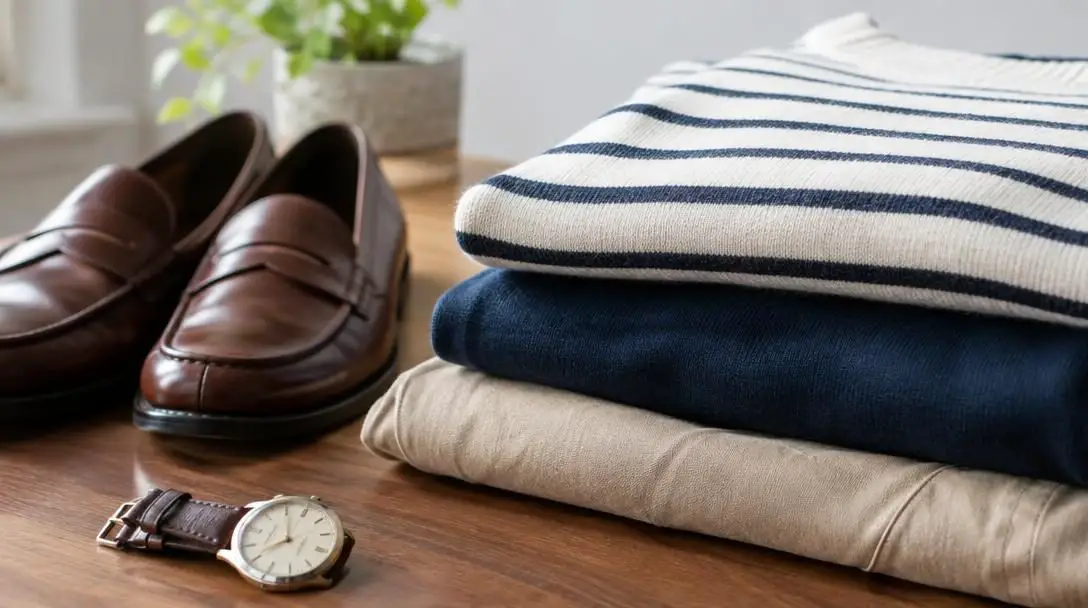
There is a persistent cultural myth that getting older requires fading into the background. Many assume that crossing into later decades means retiring vibrant colors, playful prints, and expressive silhouettes in favor of drab beige separates, shapeless tunics, or stereotyped items like suspenders. In reality, growing older provides you with an expanded social license to be adventurous, vibrant, and daring with your clothing choices.
You have to dress for yourself before you dress for your age.
A shining example of this creative freedom was the celebrated centenarian and White House interior designer Iris Apfel. Apfel championed the philosophy that personal joy and authentic self-expression should supersede arbitrary age limits. Maturing frees you from the peer pressure and conformity that often constrain younger wardrobes. By introducing striking silhouettes, vibrant colors, and unexpected patterns, you demonstrate that your personal fashion sense continues to evolve and thrive.
Fundamental 4: Recognize That Distressed Detailing Belongs to Youth
During high school and university years, distressed garments are a staple of casual fashion. The apparel market caters heavily to this demographic by manufacturing jeans, jackets, and tees with pre-shredded knees, frayed hems, and extreme acid washes. While these heavily treated textiles project a casual, rebellious mood that aligns with youth culture, they lose their charm once an individual transitions into adult responsibilities and professional careers.
While some high-profile celebrities continue wearing heavily torn denim well into their fifties to present a youthful aesthetic, the look rarely translates well to everyday life. On mature adults, shredded textiles often create an unintended contrast between weathered clothing and dignified life experience. Retiring manufactured tears does not require adopting boring attire; wearing well-tailored, saturated, and unblemished fabrics creates a vibrant, energetic visual impression without relying on artificial destruction.
Fundamental 5: Rely on the Button-Down Across Every Decade
Few wardrobe staples demonstrate the staying power of the classic button-down shirt. Appropriate for all genders and age brackets, a crisp cotton or linen button-up provides an enduring foundation that never falls out of style. The factor that shifts across life stages is not the shirt itself, but rather the styling technique and structural fit used to integrate it into an outfit.
For younger individuals seeking an approachable, relaxed look, letting a button-down hang untucked over fitted trousers or dark jeans creates a modern, casual aesthetic. For older adults, especially within formal, business, or elevated social settings, tucking the shirt neatly into the waistband provides a tailored silhouette that delineates the torso. Keeping your wardrobe stocked with versatile button-downs in neutral and classic tones ensures you possess a reliable canvas for any occasion.
The Mechanics of Visual Harmony and Life-Stage Styling
Achieving visual harmony is not about chasing designer labels; it depends on how structural lines, physical textures, and wearer confidence interact. Understanding these three elements makes assembling an age-appropriate outfit straightforward and reliable.
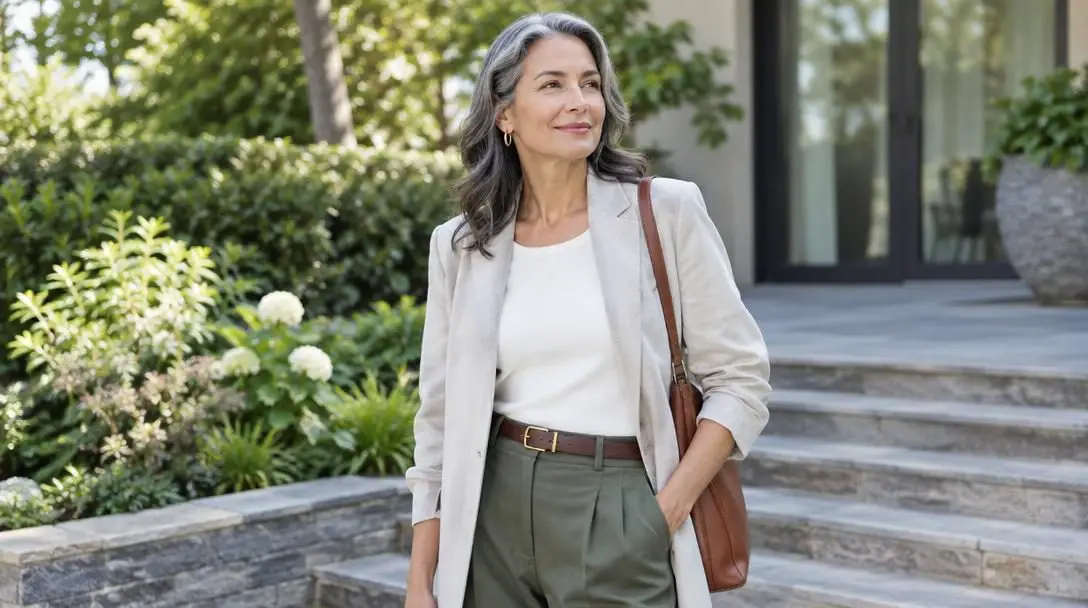
First, visual balance requires defined architectural lines. As our bodies undergo natural shifts over time, clothing must offer clarity rather than ambiguity. For mature adults, a tucked-in shirt combined with a tailored waistband creates a clean horizontal break that anchors the frame. Conversely, the continuous vertical line of an untucked shirt lends younger wearers a relaxed ease suited to their informal daily routines.
Second, prioritize refined texture over synthetic novelty. Younger wardrobes often rely on novelty finishes, such as acid washes, raw frayed seams, and manufactured abrasions, to generate visual variety. Mature styling achieves greater visual impact through the natural richness of premium textiles—such as heavy linens, fine wools, structured cottons, and rich silks—layered alongside sculptural accessories.
Finally, the emotional center of dressing changes as you mature. In early adulthood, styling often revolves around gaining external validation and projecting competence within social and professional spheres. With age, styling becomes an exercise in personal authenticity. Because mature individuals possess a grounded sense of identity, they can carry bold patterns, bright palettes, and unconventional design elements that would overwhelm someone still searching for their signature look.
Step-by-Step Guide to Refining Your Wardrobe
Transitioning your wardrobe into alignment with your current life stage does not require throwing out everything you own in a single weekend. By following an organized, sequential process, you can audit your current pieces, tailor key staples, and curate a functional wardrobe that reflects your personal journey.
- Purge synthetic and heavily distressed garments: Systematically audit your casual trousers, denim, and jackets. Pull out every item that features manufactured holes, ripped knees, frayed raw hems, or extreme acid wash treatments. If you have graduated from college or are advancing in your career, set these garments aside for donation or relegate them strictly to outdoor home maintenance chores.
- Inspect shirt lengths and hems: Review your collection of classic button-down shirts to ensure they meet your daily styling needs. Check the hem length in front of a mirror: shirts intended to be worn untucked by younger adults should end near mid-fly, while shirts intended to be tucked into trousers for a mature, professional presentation must have enough fabric length to stay tucked without bunching at the sides.
- Reorganize your jewelry collection: Categorize your accessories based on their material, scale, and visual presence. If you are entering adulthood, focus on acquiring delicate, genuine gold, silver, and authentic stone pieces that elevate daily workwear. If you are stepping into your mature decades, clear space for larger statement pieces, substantial brooches, and bold artisanal costume jewelry.
- Calibrate your headwear proportions: Try on your collection of hats while standing in front of a full-length mirror. Observe how the brim width and crown height interact with your height, shoulder breadth, and facial structure. Replace any hats that feel disproportionate or look more like novelty costumes than intentional, polished headwear.
- Streamline your beauty and grooming routine: Evaluate the cosmetics you apply on a daily basis. Discard thick, full-coverage foundations and heavy setting powders that settle into fine lines or dry out your skin. Replace them with sheer, hydrating tints, cream-based pigments, and subtle formulas that emphasize a healthy, natural complexion.
- Introduce one distinctive signature accent: Channel the wisdom of Iris Apfel by choosing a single piece that breaks away from conventional expectations. Select an eye-catching scarf, a brightly colored structural blazer, or an oversized piece of artistic jewelry. Incorporating this item into your weekly rotation cultivates an authentic personal style.
Critical Wardrobe Mistakes to Avoid
Many people find themselves caught in awkward sartorial territory simply because they repeat familiar habits long after their needs have changed. Avoiding these common mistakes will keep your presentation sharp, contemporary, and flattering.
- Clinging to college trends: Holding on to shredded denim, frayed shorts, and distressed graphic shirts well past your university years creates an unflattering contrast with mature physical features and often ages the wearer prematurely.
- Masking fine lines with heavy cosmetics: Applying dense foundation, heavy concealer, and matte powders to conceal natural skin changes causes products to settle into lines, highlighting the very areas you wish to soften.
- Surrendering to drab, stereotypical uniforms: Defaulting to shapeless fabrics, dull neutral matching sets, or stereotypical items like suspenders simply because of your age stifles your individuality. Aging should open up opportunities for creative expression rather than limiting you to predictable molds.
- Overlooking shirt tail tailoring: Wearing an untucked button-down that extends past the pockets creates an untidy silhouette for any age group, while trying to tuck in a shirt that is cut too short results in messy fabric pulling free throughout the day.
- Misaligning accessory scale: Sticking exclusively to tiny, understated jewelry when you possess the presence and maturity to carry bold, artistic statement pieces can leave an otherwise striking outfit feeling unfinished.
Frequently asked questions
Can older adults wear jeans without looking out of place?
Yes, older adults can wear denim with great success. The key is choosing clean, dark or mid-tone washes with tailored cuts and intact construction. Avoiding manufactured tears, heavy distressing, and raw hems ensures that denim reads as refined, versatile, and age-appropriate.
How should a button-down shirt fit when worn untucked?
An untucked button-down should fall around the mid-fly of your trousers, resting just past the belt line without fully covering your back pockets. If the shirt hem extends past the bottom of your back pockets, it was tailored to be tucked in and will disrupt your overall proportions if left loose.
Why is costume jewelry recommended for mature adults over fine jewelry?
Mature adults have developed the confidence, poise, and personal presence necessary to anchor large, sculptural, and bold costume jewelry without looking overwhelmed. While fine jewelry remains classic, oversized costume pieces offer an artistic, vibrant vehicle for individual expression that younger individuals often find difficult to balance.
What is the most effective cosmetic change to make as you get older?
The most impactful shift is swapping thick, matte foundations and heavy powders for lightweight, hydrating formulas. Sheer tints and moisturizing finishes allow the skin's natural radiance to show through, preventing product from settling into fine lines and creating a softer, more youthful complexion.
Is there an age limit on wearing vibrant, bright colors?
No, there is no upper age limit on vibrant colors. In fact, getting older grants individuals greater creative license to experiment with bold hues, saturated palettes, and unique prints. Maturing should be embraced as an opportunity to move past peer-driven conformity into joyful, colorful self-expression.
The Bottom Line
Dressing well as the years advance is not about adhering to an inflexible set of rules or trying to freeze the clock at twenty-five. Instead, it is a continuous evolution that combines an understanding of visual balance with the self-assurance that comes from life experience. By retiring youthful shortcuts like shredded denim and heavy cosmetic coverage, you make space for tailored staples, radiant skin, and striking accessories.
Above all, carry Iris Apfel's enduring advice with you into every wardrobe decision: dressing for yourself must always precede dressing for your age. Clothing should serve your lifestyle, bring comfort, and reflect the unique identity you have built over time. When your garments balance architectural structure with adventurous self-expression, you will project timeless confidence in every decade.