5 Greatest Baseball Stars of the Twentieth Century
Throughout the twentieth century, baseball stood as America's undisputed national pastime, shaping entertainment habits and collective identity from coast to coast. While every decade produced exceptionally gifted athletes, lights-out pitchers, and formidable sluggers, true stardom required something far rarer than diamond proficiency. The game's greatest figures did not merely compile impressive box scores; they commanded the national imagination and stepped comfortably into mainstream celebrity.
These cultural titans transcended sports broadcasts to populate news headlines, Hollywood scripts, popular music, and everyday family discussions. Evaluating the absolute greatest baseball stars of the 1900s means looking beyond technical supremacy to uncover the magnetic charisma, cultural timing, and public fascination that turned athletes into immortal household names.
Key takeaways
- Twentieth-century baseball stars wielded unprecedented cultural influence due to a consolidated media landscape centered on daily newspapers, radio, and early television.
- Iconic status required a rare blend of athletic dominance, compelling historical timing, pop culture crossover, and durable post-retirement visibility.
- Babe Ruth remains the archetype of baseball celebrity, setting the benchmark for fame that later legends like Joe DiMaggio, Willie Mays, Hank Aaron, and Alex Rodriguez expanded upon.
- Comparing historical icons requires evaluating context such as military service, changing competitive eras, and social challenges rather than relying solely on raw metrics.
At a glance: Twentieth-century baseball icons
| Player | Career Debut | Key Teams | Home Runs | Signature Honors & Cultural Milestones |
|---|---|---|---|---|
| Babe Ruth | 1914 | New York Yankees | 714 | 7 World Series titles, namesake candy bar, The Sandlot references |
| Hank Aaron | Integration Era | Milwaukee & Atlanta Braves | 733 | 23-year career, front office executive, auto dealership and restaurant owner |
| Alex Rodriguez | 1994 | Seattle Mariners, Texas Rangers, New York Yankees | 696 | Teenage debut, 3-time Mariners All-Star, national television broadcaster |
| Joe DiMaggio | Pre-WWII Era | New York Yankees | 361 | 3-time MVP, All-Star in every season played, married Marilyn Monroe |
| Willie Mays | 1951 | New York & San Francisco Giants | 660 | 2-time MVP, 24 All-Star selections, nicknamed "The Say Hey Kid" |
The top 5 iconic baseball stars
Willie Mays
- Debut Team: Giants (1951)
- Career Home Runs: 660
- Career Batting Average: .384
- Major Honors: 2-time MVP, 24 All-Star Games
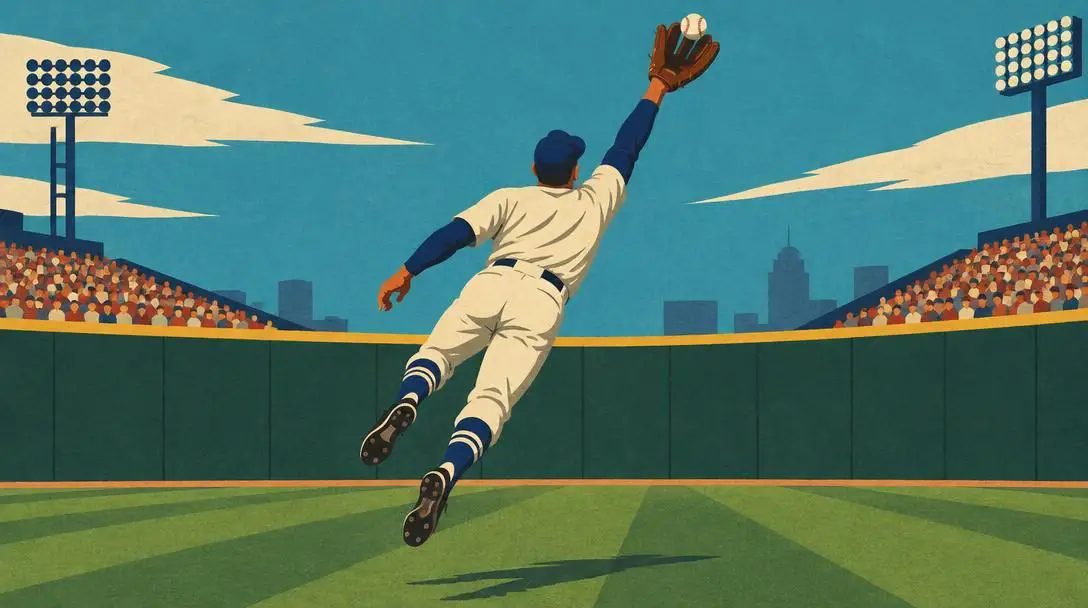
Known universally as "The Say Hey Kid," Willie Mays possessed one of the sweetest, most natural swings in baseball history. Entering the league with the Giants in 1951, Mays electrified fans with an exuberant style of play that combined flawless outfield artistry with devastating offensive production. Over a career spanning more than two decades, he established himself as an elite power hitter and pure batsman, retiring with 660 home runs and an astonishing .384 career batting average.
Mays earned selection to two dozen All-Star Games and claimed two Most Valuable Player awards. His natural grace and magnetic charisma made him a favorite of casual fans and hardened sportswriters alike. Decades after his retirement, numerous historians and baseball purists still consider Mays to be the most complete, dynamic hitter to ever play the game.
Joe DiMaggio
- Nicknames: The Yankee Clipper, Joltin' Joe
- Career Home Runs: 361
- Career Batting Average: .325
- Major Honors: 3-time MVP, All-Star in every season played
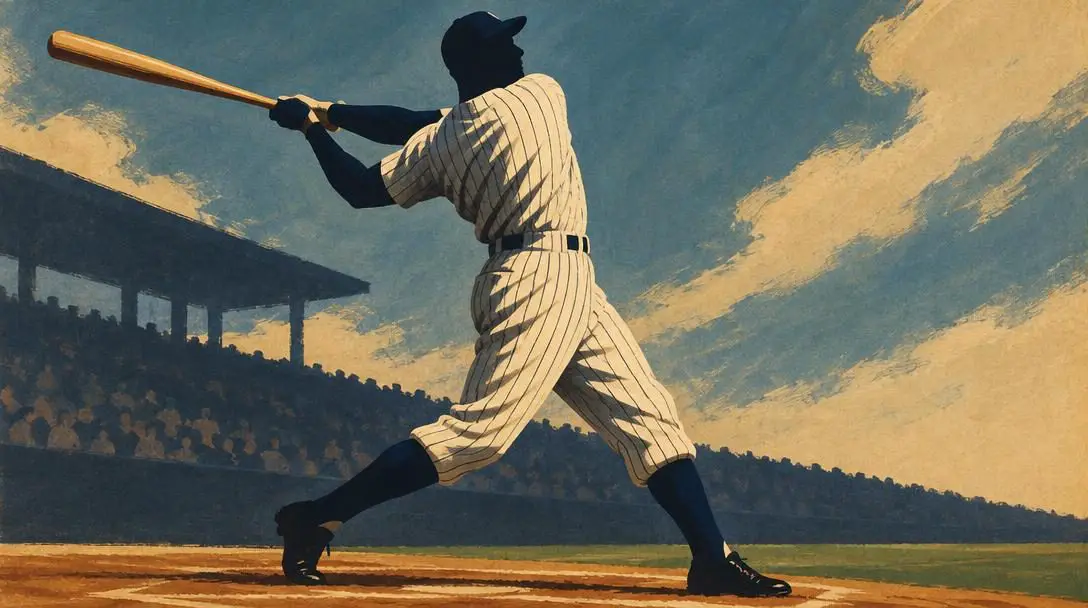
Few athletes have ever embodied quiet elegance and sporting excellence quite like Joe DiMaggio. The legendary New York Yankees center fielder was a lethal contact hitter and run producer, securing three Most Valuable Player awards while accumulating 361 home runs and a .325 lifetime batting average. Remarkably, DiMaggio earned an All-Star selection in every single season he competed, demonstrating uninterrupted mastery at the plate.
Beyond his on-field poise, DiMaggio became an immovable fixture in mid-century American culture. He was referenced in celebrated songs, literary classics, and cinematic releases. His high-profile marriage to Hollywood icon Marilyn Monroe captured global headlines, cementing his status as an international celebrity whose fame extended far beyond the confines of Yankee Stadium.
Alex Rodriguez
- Major League Debut: 1994 (Seattle Mariners)
- Career Home Runs: 696
- Later Franchises: Texas Rangers, New York Yankees
- Twentieth-Century Honors: 3-time All-Star with Seattle
Bursting onto the Major League scene as an 18-year-old prodigy in 1994, Alex Rodriguez represented the vanguard of modern athletic stardom. Heralded as the sport's next generational phenomenon, Rodriguez spent the closing years of the twentieth century in the Pacific Northwest, earning three All-Star selections with the Seattle Mariners while captivating fans with an unprecedented blend of defensive agility and raw power from the shortstop position.

While Rodriguez's career would see him reach even higher statistical plateaus in the 2000s with the Texas Rangers and New York Yankees—eventually finishing with 696 career home runs—everyday audiences already knew his name before the 1990s came to a close. In his post-playing career, Rodriguez maintained immense visibility as a prominent television analyst and public figure, with high-profile relationships, including an engagement to entertainment superstar Jennifer Lopez, keeping his celebrity firmly alive.
Hank Aaron
- Franchise Tenures: Milwaukee and Atlanta Braves (21 seasons)
- Career Longevity: 23 Major League seasons
- Career Home Runs: 733
- Post-Career Ventures: Braves front office executive, entrepreneur
Across an astonishing 23 seasons, Hank Aaron set the gold standard for offensive consistency, resilience, and personal dignity. Spending 21 of those campaigns with the Milwaukee and Atlanta Braves, Aaron launched 733 home runs. Although later passed on the charts by Barry Bonds, Aaron remains the authentic home run king in the hearts of countless purists because his record was established in the era following racial integration and preceding the modern steroid period.
Aaron, who passed away in early 2021, used his immense standing to reshape the business side of sports. Following his playing days, he served in crucial leadership roles inside the Braves' front office and found sustained success as an entrepreneur, running respected car dealerships and restaurants that carried his trusted name.
Babe Ruth
- Career Start: 1914
- Career Longevity: 22 seasons
- Career Home Runs: 714
- World Series Championships: 7 titles
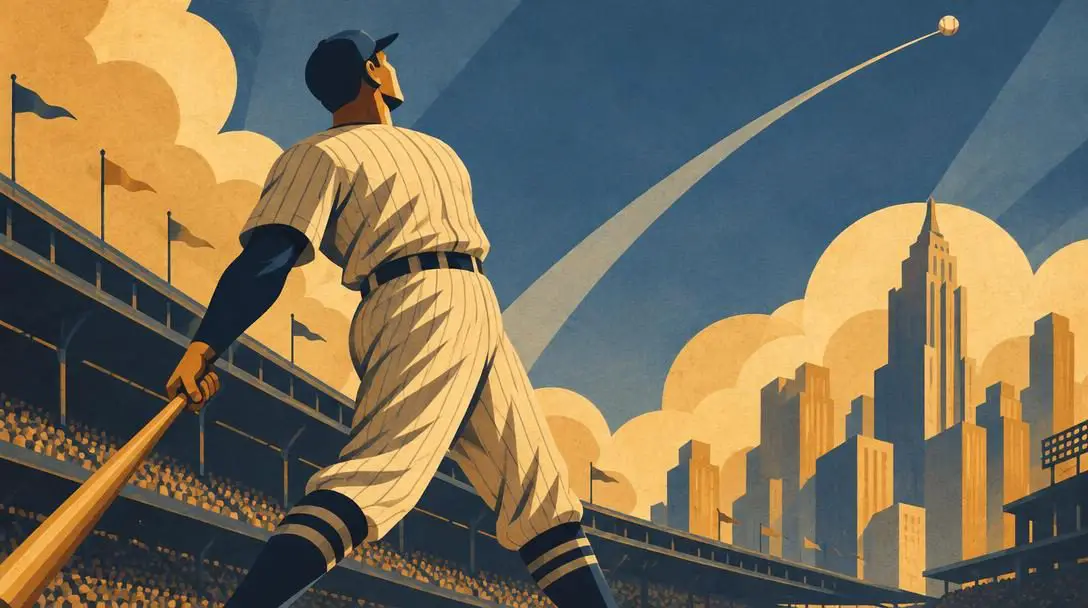
It is impossible to discuss twentieth-century athletic celebrity without starting at the feet of Babe Ruth. Making his debut in 1914 and playing for 22 seasons, Ruth fundamentally transformed baseball from a low-scoring tactical contest into an explosive, power-driven spectacle. While he began his journey as an exceptional pitcher, his prime seasons with the New York Yankees cemented him as an unstoppable slugger, finishing his storied career with 714 home runs and seven World Series championships.
Ruth's outsized personality, roaring lifestyle, and mythic feats made him the founding father of modern sports celebrity. For people with no interest in athletics, "The Babe" was the first name associated with baseball. From inspiring the name of a classic candy bar to serving as the central folkloric figure in family films like The Sandlot, Ruth represents a towering, permanent pillar of American cultural heritage.
Star power in the twentieth century was forged not just through numerical supremacy, but through the rare ability to capture the public imagination across dinner tables, newsreels, and mainstream media.
The cultural power of twentieth-century baseball
To understand why these players attained an almost mythic standing, one must examine the media landscape of the 1900s. Today's entertainment ecosystem is fragmented across thousands of streaming platforms, niche podcasts, and algorithm-driven social feeds. By contrast, twentieth-century society relied on a narrow collection of shared cultural touchstones: daily morning newspapers, community radio broadcasts, cinema newsreels, and three major broadcast television networks.
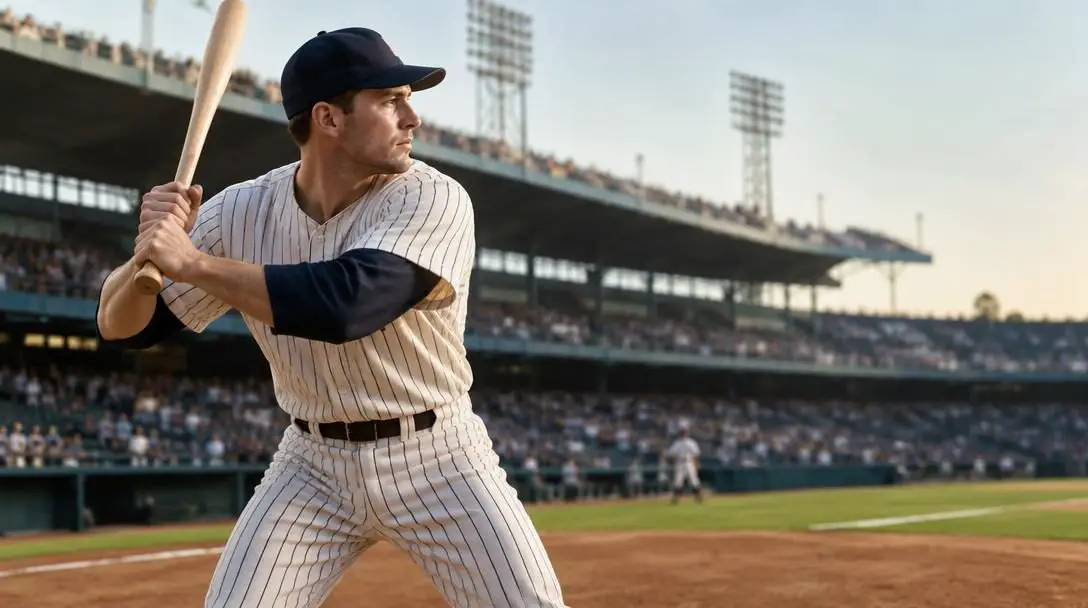
Because the public shared the same limited media channels, athletic achievements reverberated with immense power. A record-breaking home run or dramatic postseason win was not relegated to a sports app notification; it dominated the front page of national broadsheets. Baseball was universally recognized as America's pastime, meaning its leading figures inevitably came to represent the nation's broader collective ambitions, conflicts, and pride.
Mechanics of star power beyond the diamond
What separated a productive, decorated major leaguer from a transcendent icon? Historical analysis reveals four distinct mechanics that turned athletic achievement into lasting fame:
- On-field dominance: Consistent, elite-level output is non-negotiable. Accumulating Most Valuable Player awards, dozens of All-Star appearances, high batting averages, and historic home run totals established an athlete's indisputable legitimacy.
- Narrative and historical timing: True icons often emerged alongside turning points in modern history. Babe Ruth restored joy to the nation in the early twentieth century, Joe DiMaggio became a symbol of stoic determination during World War II, and Hank Aaron demonstrated unbreakable courage amid the integrated civil rights era.
- Mainstream crossover: Immortality required escaping the sports page. Cultural icons appeared in popular music lyrics, Hollywood features, television specials, or public relationships that drew non-sports fans into their orbit.
- Post-career longevity: An icon’s presence endured long after their final at-bat. Commercial endorsements, team executive positions, private entrepreneurship, and broadcast commentary allowed these men to remain visible to successive generations.
How to explore twentieth-century baseball history
Navigating ten decades of baseball history can prove overwhelming for casual enthusiasts. Following an organized research method ensures a comprehensive understanding of how these stars shaped American life.
- Anchor your timeline around primary icons: Start your survey by studying the careers of Ruth, DiMaggio, Mays, Aaron, and Rodriguez. Their distinct eras provide a chronological framework covering the 1910s through the late 1990s.
- Read full-length player biographies: Move beyond highlight reels and stat lines by reading dedicated books on historical figures. Thorough biographies show how external historical events, such as military drafts and civil rights struggles, impacted athletic careers.
- Consult digitized archival newspapers: Access period-accurate press coverage to see how sports reporters and columnists described these players in real time, capturing the genuine spirit of their respective eras.
- Analyze statistical shifts across eras: Compare how the game fundamentally changed from Babe Ruth's dead-ball debut in 1914 to the integration era of Mays and Aaron, concluding with the offensive climate of Alex Rodriguez's 1994 entrance.
- Study period pop culture references: Track down songs, literature, and films like The Sandlot to discover how deeply these athletes altered common idioms, folklore, and everyday entertainment.
Common mistakes when analyzing historical baseball stars
Modern sports debates frequently fall prey to analytical shortcuts. When looking back at historical players, avoid these frequent errors:
- Ignoring shifting competitive eras: Evaluating Babe Ruth's equipment, ballparks, and travel schedules using the modern athletic standards encountered by Alex Rodriguez produces flawed conclusions. Every era possessed unique advantages and limitations.
- Overlooking career interruptions: Failing to note seasons lost to external causes distorts career totals. Joe DiMaggio's absence during World War II kept him from compiling even more staggering cumulative home run numbers.
- Assuming universal historical popularity: It is tempting to believe beloved legends were always celebrated. Hank Aaron dealt with horrific hostility and public malice as he pursued the home run record, illustrating the harsh realities of post-integration baseball.
- Relying strictly on modern metrics: Boiling an icon down to modern computerized metrics ignores the psychological presence, charisma, and intimidation factor that defined true twentieth-century superstardom.
Frequently asked questions
Why do many fans consider Hank Aaron the true home run king?
Many fans and baseball purists consider Hank Aaron the authentic home run king because his 733 career home runs were hit during the post-integration era without the cloud of performance-enhancing drugs that defined the modern steroid era in which Barry Bonds played.
How did Joe DiMaggio become famous outside of sports?
Joe DiMaggio became a pop culture figure through his smooth, dignified public persona, frequent references in popular music, literature, and cinema, as well as his world-famous marriage to actress Marilyn Monroe.
What made Babe Ruth such an enduring cultural icon?
Babe Ruth combined legendary athletic dominance—hitting 714 home runs and winning seven World Series—with an outsized lifestyle that personified the 1920s. His enduring presence was cemented through commercial products like candy bars and constant references in modern films like The Sandlot.
What impact did World War II have on baseball stars of that era?
World War II caused several elite athletes to miss significant portions of their primes. Joe DiMaggio, for example, surrendered three entire seasons of peak athletic performance to complete military service, significantly impacting his career totals.
When did Alex Rodriguez establish his stardom?
Alex Rodriguez burst onto the Major League scene in 1994 as an 18-year-old phenom with the Seattle Mariners. He quickly emerged as a three-time All-Star in Seattle before finishing his career with 696 home runs across stints with Texas and New York.
The bottom line
The twentieth century represented a singular golden era for baseball stardom, producing household names whose influence permeated every facet of American culture. Legends like Babe Ruth, Joe DiMaggio, Willie Mays, Hank Aaron, and Alex Rodriguez captured the national consciousness not merely through phenomenal numbers, but by defining their respective eras. Their enduring legacies prove that true sports greatness is measured not only by box scores and trophies, but by the permanent imprint an athlete leaves on society itself.