5 Inexpensive Ways to Make Your Inoperable Fireplace Beautiful
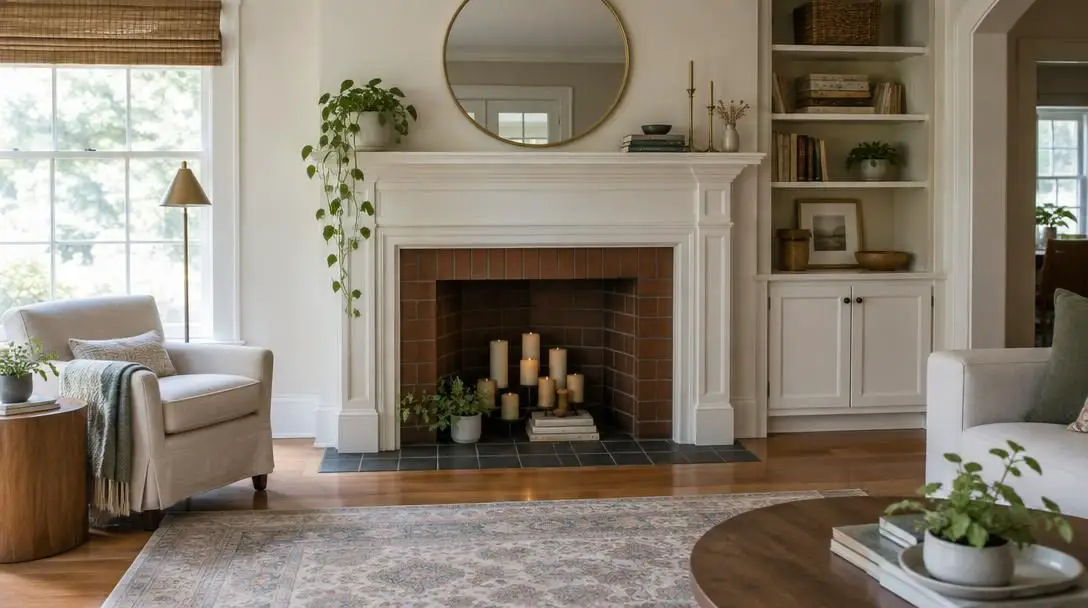
A traditional fireplace once served as the indisputable centerpiece of the home, commanding the living area with warmth, crackling wood, and a natural gathering spot. In many modern residences, however, these masonry hearths have fallen completely out of service. Decades of weather exposure, persistent moisture intrusion, and settling foundations regularly damage chimney systems, leaving homeowners with cracked flues and unstable brickwork that require costly professional masonry rebuilding to correct. Paired with the convenience of automated central heating, the demanding chores of buying firewood, sweeping ash, and scheduling seasonal chimney sweeps have led many households to abandon their fireplaces entirely.
When a fireplace is rendered permanently inoperable, it often turns into a cavernous, soot-stained void that pulls down the visual appeal of an entire room. Fortunately, you do not need to invest thousands of dollars in structural chimney repairs simply to restore the visual charm of the hearth. By treating the non-functioning structure purely as an architectural display niche rather than a heating appliance, you can create a striking, deliberate focal point using budget-conscious styling techniques.
Key takeaways
- Inoperable fireplaces free homeowners from strict fire-safety restrictions, allowing combustible and delicate decorative items inside the firebox.
- Thorough prep work—including wire brushing, shop vacuuming, and cleaning with a degreaser—is essential before applying paint or arranging clean decor.
- Acrylic latex paint over an appropriate primer brightens dated masonry and unifies uneven brick discoloration.
- Natural textures like round, unsplit logs and curated antique hardcover books introduce warmth and character to an empty hearth cavity.
- Sealing off cold chimney drafts and adding accent lighting ensure the non-working hearth remains comfortable and visually prominent year-round.
Why inactive fireplaces become architectural opportunities
The secret to revitalizing an out-of-order hearth lies in re-evaluating its individual parts: the outer brick surround, the inner firebox, the hearth floor, and the elevated mantel shelf. When a fireplace is active, every single element must comply with strict building codes and fire safety standards. Materials must be completely spark-proof and heat-resistant, which severely restricts how the surrounding space can be decorated.
Once functional fire safety restrictions fall away, an abandoned firebox transforms from a hollow cavity into a curated architectural niche.
When you designate the fireplace as strictly decorative, those safety constraints disappear. The firebox shifts from a soot-covered exhaust vent into an inset display frame. The masonry surround becomes a textured surface ready for modern interior paint, and the mantel shelf turns into a secure display ledge where delicate items can sit without the threat of melting or suffering smoke damage. Because these decorative updates focus entirely on surface treatments, staging, and creative arrangement, they can be accomplished using simple household tools and affordable materials.
At a glance: Five decorative fireplace treatments compared
Each styling approach offers a distinct texture and mood, allowing you to tailor the fireplace makeover to your home's existing interior aesthetic.
| Styling Method | Best Suited For | Key Materials | Visual Mood |
|---|---|---|---|
| Paint the Brick | Dark, dated, or soot-stained masonry surrounds | Degreaser, masonry primer, interior acrylic latex paint | Bright, clean, and modern architectural texture |
| Fill Firebox with Firewood | Rustic, woodland, or traditional living rooms | Straight, uniform round logs with intact cut ends | Organic, warm, and structured timber warmth |
| Decorate the Mantel | Flexible displays and dynamic seasonal updates | Candleholders, mirrors, framed paintings, wreaths | Curated, balanced, and elegant focal balance |
| Put Candles in the Firebox | Evening ambiance without heating repairs | Pillar candles or votives of varied heights | Soft, flickering glow mimicking real embers |
| Fill Firebox with Books | Cozy dens, reading nooks, and eclectic interiors | Vintage or antique hardcover books | Literary, intellectual, and comfortable charm |
Five inexpensive styling ideas for non-working hearths
You do not need active flames to capture the comforting ambiance of a hearth. These five affordable decorative projects let you transform an abandoned fireplace into a standout interior showcase.
Paint the Brick
- Primary Material: Interior acrylic latex paint
- Prep Requirement: Wire brush, degreaser, and masonry primer
- Visual Effect: Brightened, unified surface texture
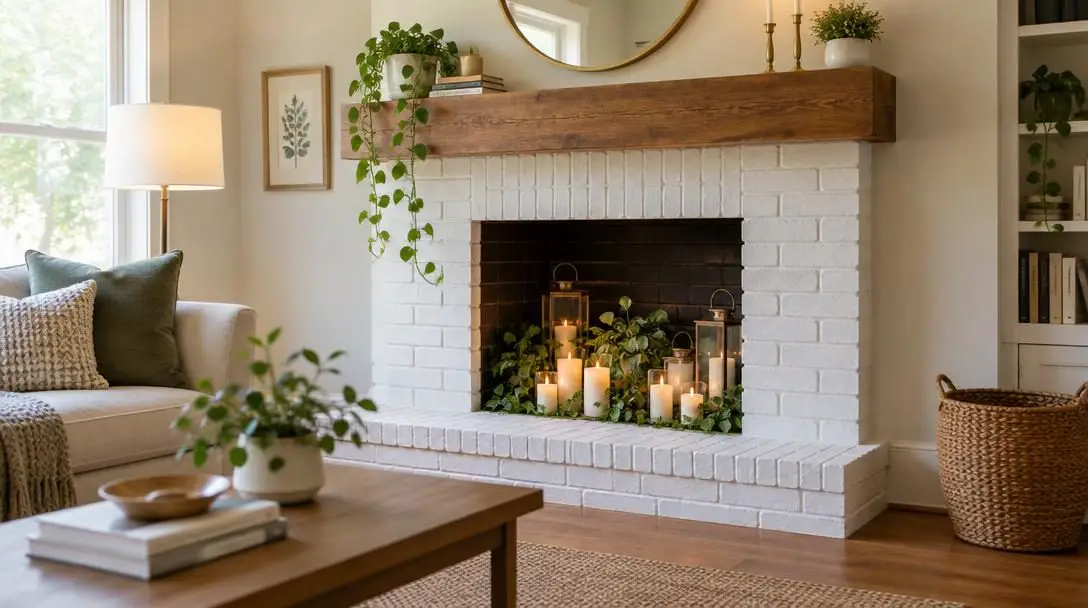
Painting the brick surrounding your fireplace is an accessible home improvement task that dramatically shifts the tone of your living room. Older masonry often looks heavy, dated, or stained by soot from previous fires, casting a dark shadow over the entire space. Applying fresh paint seals porous brickwork, masks stubborn discoloration, and highlights the tactile beauty of the masonry joints.
Because brick absorbs dust and grease over decades of use, thorough preparation is critical. Once the surface is properly scrubbed, degreased, and primed, interior acrylic latex paint provides a crisp, durable finish that makes the fireplace pop against your interior walls. Neutral tones like soft white, cream, or contemporary charcoal can turn an eyesore into an intentional statement piece.
Fill the Firebox With Firewood
- Ideal Timber: Straight, unsplit round logs
- Arrangement: Clean cut ends facing outward toward the room
- Primary Appeal: Organic, rustic stacked-timber pattern
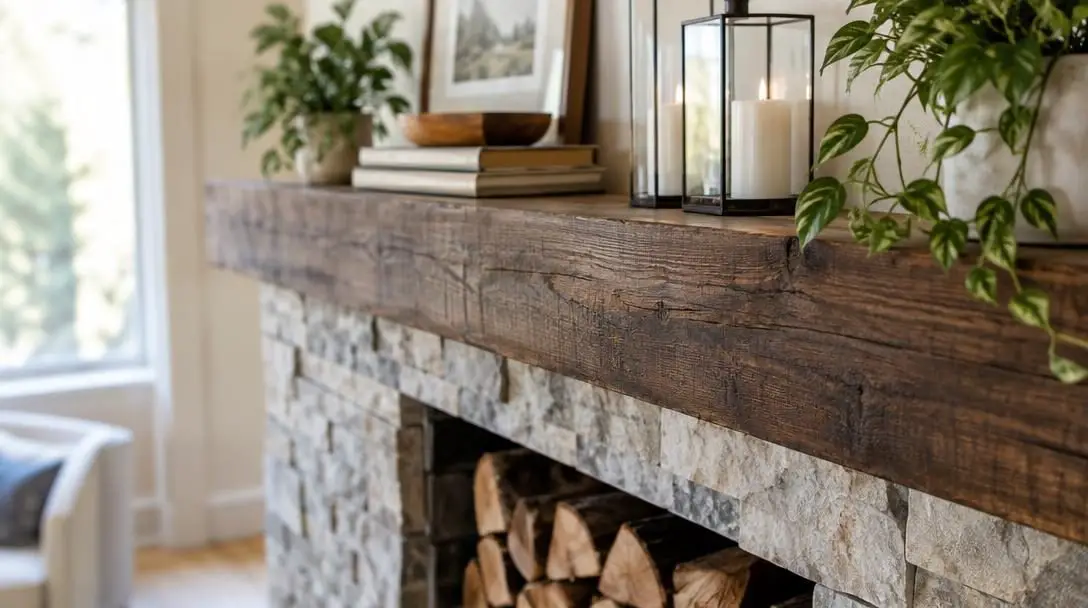
Even if you never plan to strike a match, filling the empty firebox with natural timber honors the original spirit of the hearth while eliminating smoke, soot, and draft issues. Stacking wood brings an organic, earthy element into the room that complements both modern Scandinavian designs and traditional farmhouse interiors.
To produce an orderly, designer-grade look, bypass rough, split kindling. Instead, gather straight, uniform round logs that have not been split down the middle. Stack them meticulously within the cavity so that their flat, circular cut ends face forward toward the living area. Packed tightly from the hearth floor to the top of the firebox opening, this stacked-wood mosaic adds rich, sculptural depth to the room.
Decorate the Mantel
- Accent Options: Seasonal wreaths, framed art, clocks, candles
- Placement: Symmetrical or layered arrangements
- Fire Safety Advantage: No rising heat to warp frames or melt wax prematurely
The mantel ledge above your fireplace is prime real estate for personal styling. Because the fireplace below is inactive, you no longer need to worry about intense heat warping wooden frames, drying out fresh botanicals, or melting decorative wax accents. This gives you complete freedom to arrange delicate, heat-sensitive objects.
You can rotate your styling through several versatile arrangements:
- Seasonal decor: Swap accents throughout the year by leaning an autumn wreath against the masonry, displaying evergreen garlands in the winter, or displaying light floral arrangements in the spring.
- Simple decor: Anchor the space with one or two larger statement pieces. Lean a framed canvas painting against the brick for a relaxed gallery look, or mount a decorative mirror or vintage clock using a secure masonry anchor.
- Symmetrical candles: Place matching candleholders at opposite ends of the mantel shelf. Flanking the mantel with tall candles creates a sense of proportion and timeless formality.
Put Candles in the Firebox
- Location: Directly across the clean firebox floor
- Illumination: Soft, ambient light for special gatherings
- Function: Low-cost substitute for real wood fires
If you miss the flickering glow of an open fire on cool evenings, filling the interior of the firebox with a cluster of candles provides an enchanting alternative. Grouping pillar candles directly on the floor of the masonry opening generates a soft, radiant light source that echoes the ambiance of burning embers without the associated safety hazards or chimney maintenance.
To build an appealing display, arrange candles of varying diameters and heights across the floor of the chamber. When illuminated during evening gatherings, the candlelight bounces off the interior brick walls, casting deep shadows and creating an inviting, romantic atmosphere at a fraction of the cost of chimney restoration.
Fill the Firebox With Books
- Recommended Volumes: Vintage or antique hardcover books
- Staging Style: Alternating horizontal stacks and vertical rows
- Complementary Decor: Accent volumes placed on the hearth or mantel
For bibliophiles and lovers of eclectic interior design, filling the firebox with books turns an unused opening into a cozy literary nook. The aged paper, cloth bindings, and embossed spines of vintage hardcovers bring warmth, color, and tactile charm to a formerly drab cavity.
To style this arrangement, thoroughly clean the interior masonry so soot does not transfer onto paper covers. Stack antique books in creative patterns—alternating between vertical rows and horizontal piles to fill the opening. Carry the theme outward by placing a few coordinating volumes on the hearth floor or on the mantel shelf alongside a comfortable armchair and a reading lamp.
Step-by-step guide to prepping and staging your hearth
Completing these budget-friendly updates systematically ensures your finished fireplace looks refined, clean, and durable. Follow this practical sequence to prepare the masonry and stage your new decor.
- Clear and inspect the space: Remove old iron grates, damaged mesh spark screens, and any leftover debris from inside the firebox. Check the brickwork for loose or crumbling mortar joints before proceeding.
- Scrub the brick surface: Use a stiff wire brush to vigorously scour the exterior brick surround and the inner chamber, dislodging stubborn carbon crusts and loose dust.
- Vacuum the workspace: Run a heavy-duty shop vacuum across the hearth, masonry crevices, and firebox floor to remove every trace of loosened soot and masonry grit.
- Wash with degreaser: Wipe down all brick surfaces using a specialized masonry cleaner or heavy-duty degreaser. Soot naturally contains oils that repel paint; allow the brick to dry completely before applying primers.
- Prime the masonry: If you are painting the surround, apply an even coat of high-adhesion stain-blocking primer to seal the porous brick and stop old smoke stains from bleeding through.
- Apply topcoat paint: Paint the primed brick using interior acrylic latex paint. Apply a second uniform coat once the first has dried if any underlying brick color remains visible.
- Prep the interior firebox: If your project involves books, candles, or exposed logs, confirm that the interior firebox walls and floor are fully dry, sealed, and free of loose charcoal residue.
- Stage your decor: Build your stacked round firewood mosaic, arrange your candle cluster, or organize your antique books, finishing the project by dressing the mantel with complementary art.
Mistakes to steer clear of during the makeover
While refreshing an out-of-commission fireplace is straightforward, skipping foundational preparation can ruin your final aesthetic. Be sure to avoid these common missteps:
- Skipping deep surface cleaning: Applying paint directly over unwashed brick traps oily soot and loose dust beneath the film, resulting in peeling or blistering paint down the road.
- Omitting masonry primer: Raw brick absorbs paint unevenly. Painting without a dedicated primer leads to patchy, splotchy coverage and requires significantly more coats of finish paint.
- Stacking irregular, split firewood: Piling jagged, split firewood haphazardly into the firebox makes the space look cluttered rather than styled. Stick to uniform, unsplit round logs with clean cuts facing outward.
- Placing delicate items in a dirty chamber: Stacking collectible vintage books or pale wax candles against unwashed firebox walls will transfer black soot onto your valuable decorative pieces.
- Overcrowding the mantel shelf: Displaying too many small trinkets creates visual noise. Maintain balance by limiting your display to a few well-chosen accents, such as a single statement mirror or a balanced pair of candleholders.
Beyond aesthetics: Comfort, lighting, and maintenance considerations
Once your decorative fireplace update is complete, take a moment to evaluate how the newly styled feature functions within the broader living environment.
First, address unwanted chimney drafts. An open, unsealed chimney flue can allow cold outdoor air to tumble down into your living room during winter or let air-conditioned indoor air escape during summer. If you detect noticeable airflow around your decorative firewood stack or candle display, install an interior chimney draft stopper or seal the throat of the flue above the firebox. Blocking this thermal leak keeps your seating area comfortable while protecting your decorative setup from descending dust or outdoor moisture.
Second, consider the evening illumination of the hearth. Even when filled with interesting books or timber, a deep firebox cavity can become an indistinct dark hole once the sun sets. If you prefer not to burn open candles inside the chamber, install discreet battery-operated warm-white accent lights or position an angled living room floor lamp toward the surround. Highlighting the texture of the painted brick or the circular grain of stacked logs preserves the fireplace's visual prominence at night.
Finally, establish a basic maintenance routine. Although an inoperable hearth eliminates the chore of cleaning out piles of ash, decorative features still collect routine household dust. A quick pass with a shop vacuum around the stacked logs, an occasional dusting of book spines, and a light wipe-down of mantel accents will keep your updated architectural focal point looking pristine for years to come.
Frequently asked questions
Can I paint the inside of my firebox with standard wall paint?
Standard interior acrylic latex paint works well on the exterior brick surround of an inoperable fireplace, but the interior firebox floor and walls often require high-heat masonry paint or specialty coatings if you ever plan to burn candles inside the chamber. Even if completely decommissioned, thoroughly clean and prime the interior cavity before applying standard paint to ensure proper adhesion.
How do I prevent bugs from entering my home through stacked firewood?
If you choose to fill your firebox with natural round logs, use kiln-dried firewood or thoroughly seasoned wood that has been inspected for pests. Avoid bringing damp, freshly felled logs directly from the forest into your home, as they can harbor wood-boring insects, mold spores, and moisture.
Is it safe to burn real candles inside an inoperable firebox?
Yes, burning pillar candles inside an inoperable firebox is generally safe because the firebox was originally built to withstand open wood fires. However, make sure the chimney flue is clear of flammable debris, place candles on stable, non-flammable holders, and never leave burning candles unattended near books or combustible accents.
How can I stop cold air from drafting down an inoperable chimney?
You can insert an inflatable chimney plug, install a removable foam draft stopper, or have a technician seal the chimney damper shut above the firebox. Sealing this opening prevents cold drafts, stops debris from falling onto your decorative display, and lowers household heating and cooling costs.
What is the best way to clean soot off fireplace brick before painting?
Begin by scrubbing the brick with a stiff wire brush to loosen flaky carbon deposits, then thoroughly vacuum the area with a shop vac. Follow up by scrubbing the masonry with a heavy-duty degreaser or specialized soot cleaner mixed with warm water, rinsing with clean water and letting it dry completely before priming.
The bottom line
A damaged or decommissioned chimney does not mean you are stuck with a dreary, neglected cavity in your living room. By releasing the fireplace from its traditional heating duties, you gain the artistic freedom to treat the entire structure as a blank canvas. Whether you brighten the brick with modern paint, arrange a geometric stack of natural timber, design a serene candle display, or assemble an intellectual book nook, these budget-friendly updates restore your hearth as the warm, inviting anchor of your home.