5 Most Insanely Run Football Clubs In The World
Evaluating which football clubs are the most chaotically or poorly managed is an inherently subjective pursuit. Supporters, executives, and journalists inevitably apply differing benchmarks to assess organizational health: some prioritize modern silverware and top-tier competitiveness above all else, while others emphasize long-term financial sustainability, robust community ties, and executive transparency. Because football remains the most popular sport on the planet, its immense global stature and massive broadcast rights revenues regularly attract billionaires, investment conglomerates, and private equity syndicates seeking to capitalize on commercial sports entertainment.
The execution of sporting and business strategy, however, varies dramatically across different competitive environments. While certain organizations run as efficient, modern operations, others find themselves hindered by owner overreach, erratic spending, or severe corporate neglect. By looking past subjective emotional reactions, examining how different ownership groups manage their responsibilities offers valuable insight into the operational, financial, and cultural pressures shaping modern athletic governance.
Key takeaways
- Evaluating club mismanagement depends heavily on whether analysts emphasize competitive trophies, financial solvency, or supporter trust.
- Multi-club and multi-sport ownership models can lead supporters to feel their clubs are secondary priorities compared to domestic franchise assets.
- Single-entity structures like Major League Soccer shield charter members from relegation penalties, sometimes reducing the competitive urgency to spend.
- Disrupting historical heritage through relocations or unfulfilled financial commitments can trigger severe sporting collapse and community revolt.
- Geopolitical disruptions and macroeconomic shocks can directly derail ownership exit plans and leave clubs trapped in administrative limbo.
Five Case Studies in Football Club Operations
To understand the mechanics of friction between club owners and sporting performance, it helps to examine case studies spanning different domestic leagues, regulatory frameworks, and financial tiers. These five clubs highlight how distinct operational philosophies—ranging from multi-sport commercialism to geographic relocation—impact competitive trajectory and fan sentiment.
Arsenal F.C.
- Key Figure: Stan Kroenke
- Related Franchises: Los Angeles Rams (NFL), Colorado Avalanche (NHL)
- Milestone Year: 2022 (Super Bowl and Stanley Cup championships for U.S. franchises)
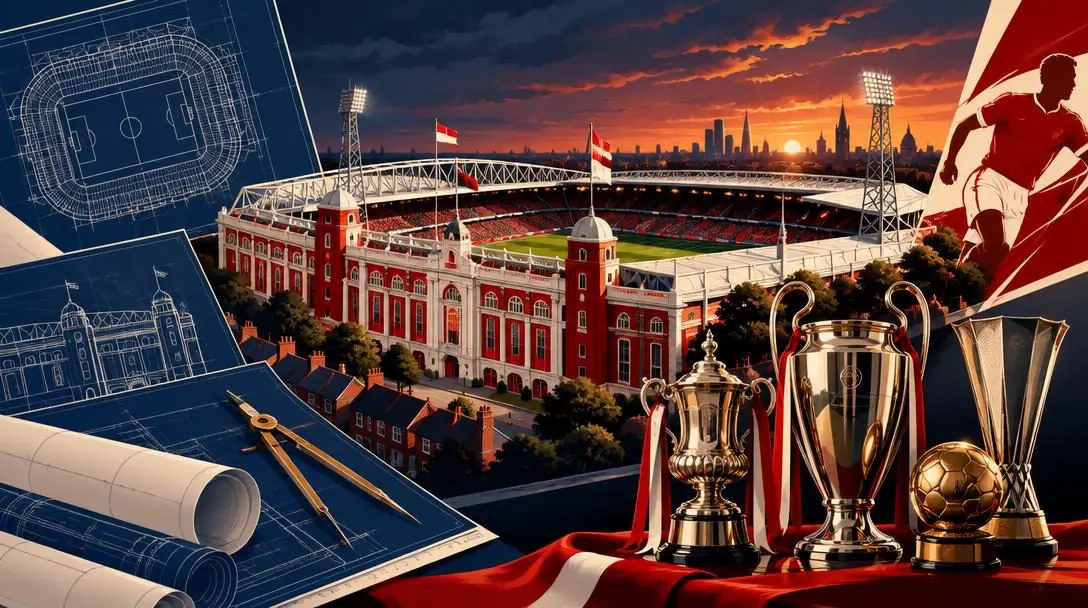
Arsenal F.C. exemplifies the complex operational dynamics of multi-club, cross-sport corporate ownership. While certain international team owners acquire sports properties out of personal sentiment or lifelong fandom, American billionaire Stan Kroenke has approached sporting assets through a strict business framework. This commercial philosophy spans his extensive portfolio in the United States, where his organizations operate across multiple major leagues.
The friction surrounding Arsenal's governance intensified in 2022, a banner year for Kroenke's broader sporting empire. During that single calendar year, two of his primary American teams secured the ultimate prizes in their respective sports: the Los Angeles Rams won the Super Bowl in American football, and the Colorado Avalanche captured the Stanley Cup in professional ice hockey. In contrast, Arsenal endured prolonged competitive struggles in the English Premier League, prompting critics and fans to view the North London team as a commercial afterthought compared to his domestic franchises. This perceived operational divide caused visible public exasperation, highlighted when an Arsenal supporter remarked on social media that Kroenke lifting the Vince Lombardi trophy might be the closest the football club would get to celebrating a major honour that season.
Ujpest F.C.
- Key Figure: Roderick Duchatelet
- Domestic League: Hungarian NB I
- Last Major Honour: 1998
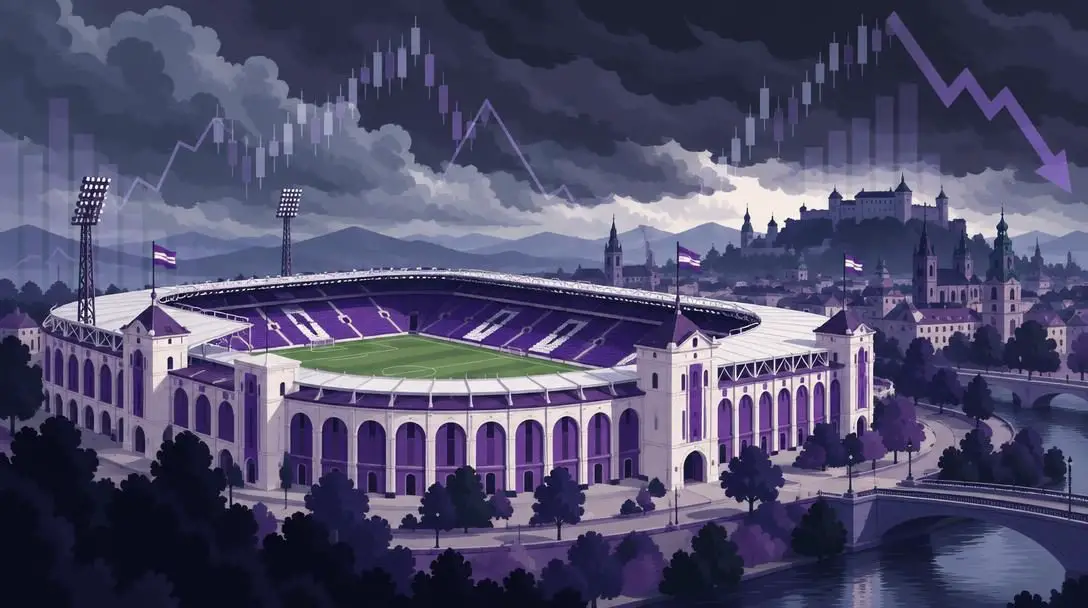
Competing in Hungary's premier division, the NB I, Ujpest F.C. illustrates the deep challenges of protracted competitive stagnation and international geopolitical disruptions outside the heavily financed Western European leagues. In 2011, Belgian businessman Roderick Duchatelet acquired the historic club, offering bold commitments to revitalize the squad and restore its traditional position among the elite of Hungarian football.
Despite those stated ambitions, the club remained caught in a persistent trophy drought. Ujpest has not captured a domestic or international honour since 1998—a benchmark reached well before Duchatelet's takeover. By 2022, Duchatelet was actively pursuing a sale of the organization. However, the unexpected outbreak of the Russia-Ukraine War introduced sudden economic and regional volatility, prompting prospective buyers to abandon the transaction. This abrupt collapse in negotiations left Duchatelet retaining control of an institution he had formally intended to divest, cementing a prolonged state of strategic inertia.
San Jose Earthquakes
- Domestic League: Major League Soccer
- Inaugural Identity: San Jose Clash (founded 1996)
- Championship History: Two-time MLS Cup champions
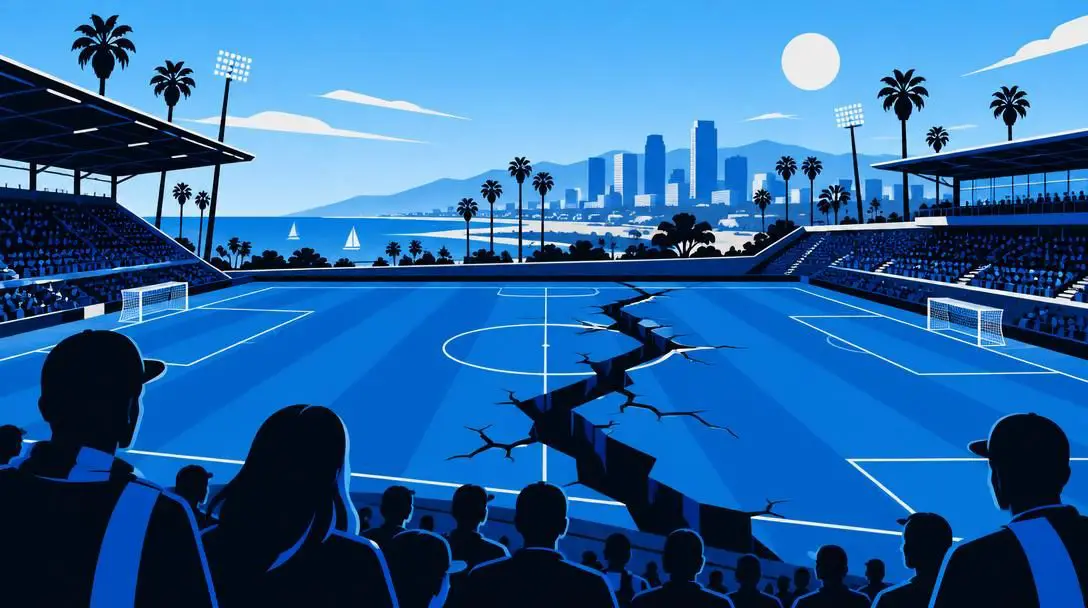
The San Jose Earthquakes present a revealing study of leadership challenges within closed, single-entity athletic models. When Major League Soccer debuted in 1996 to establish a stable top-tier professional competition in the United States, the San Jose Clash—later rebranded as the Earthquakes—participated as one of the competition's foundational charter clubs. In the early chapters of its existence, the organization found genuine on-pitch success, capturing two MLS Cup championships.
However, nearly two decades have passed since the Earthquakes last raised an MLS Cup, leading to mounting concerns regarding competitive intent. In an anonymous survey conducted among operational personnel across Major League Soccer, San Jose's leadership group was singled out as the ownership holding its club back the most, driven primarily by perceptions of excessive financial stinginess. Because Major League Soccer operates without open-pyramid promotion and relegation, the Earthquakes maintain an insulated position as an original charter member, avoiding the severe sporting and financial penalties that traditional clubs face when underinvesting in their squads.

Barry Town F.C.
- Home Nation: Wales
- Key Figure: Stuart Lovering (acquired club in 2003)
- Peak Era: 1990s (multiple Welsh Cups)
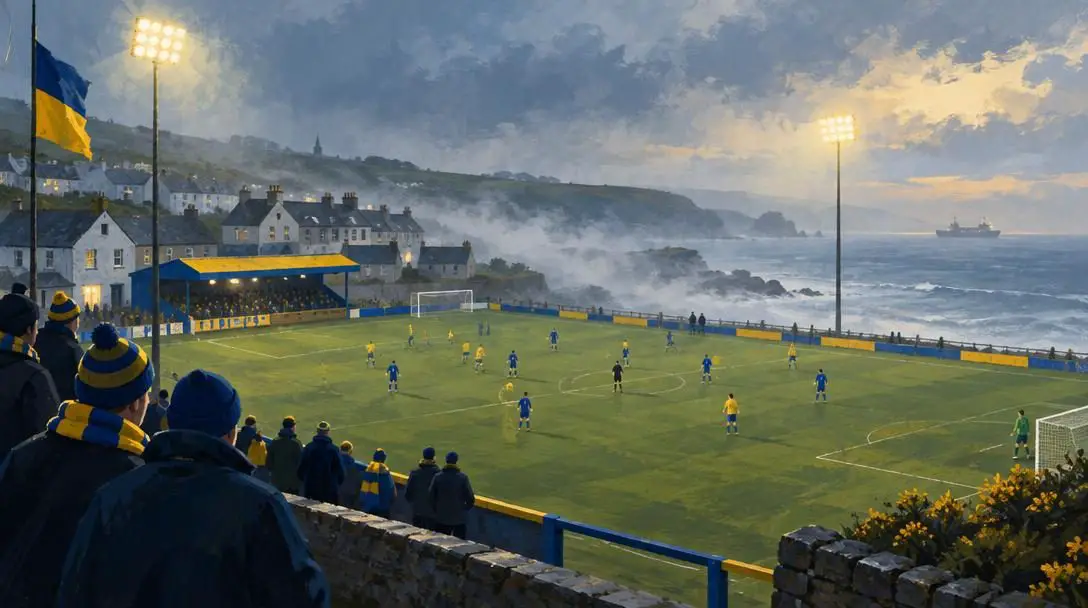
The history of Barry Town F.C. demonstrates the acute vulnerability of semi-professional community teams when financial commitments evaporate. Throughout the 1990s, Barry Town represented the pinnacle of domestic Welsh football, routinely dominating the league, capturing multiple Welsh Cups, and earning prestigious European qualifying fixtures. This operational health deteriorated rapidly after 2003, when businessman Stuart Lovering took control of the organization.
Following the purchase, Lovering reneged on numerous financial pledges, leading to severe resource shortfalls, rapid operational decline, and an eventual internal mutiny by club stakeholders and supporters trying to protect the club's existence. The fallout destabilized the institution for years, with the team facing ongoing financial fragility and finishing near the foot of the Welsh domestic league standings in recent campaigns.
Milton Keynes Dons F.C.
- Key Figure: Pete Winkelman
- Home Base: Buckinghamshire, England
- Peak League Finish: Football League One runners-up (2014-15)
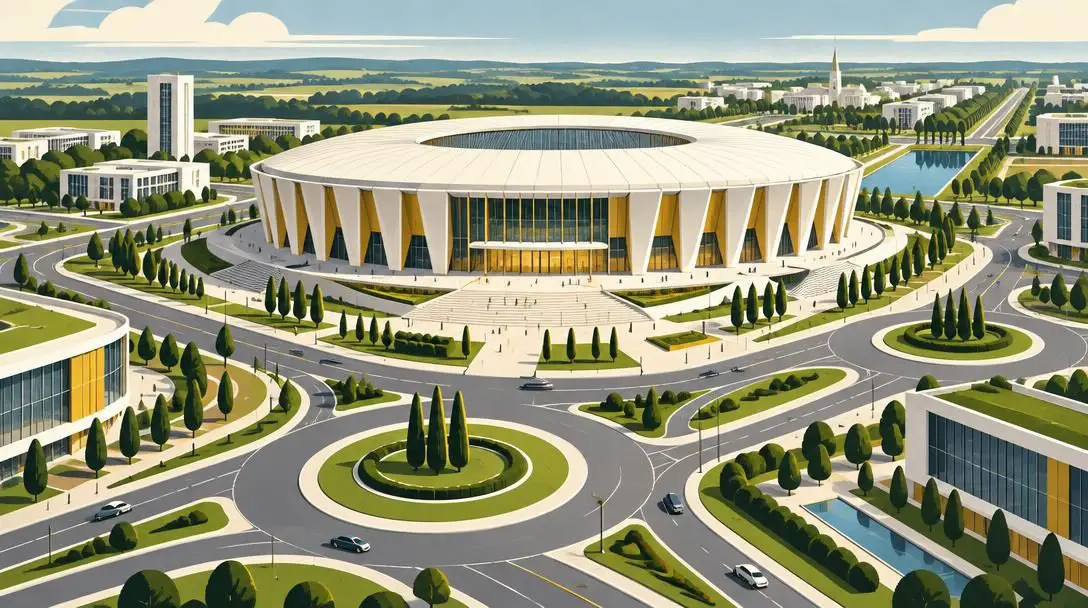
Milton Keynes Dons F.C. represents one of the most polarizing structural transformations in the annals of English football. Spearheaded by music promoter Pete Winkelman, the venture bypassed traditional football progression by executing an unprecedented geographic relocation that severed the identity and physical location of Wimbledon F.C. and established a rebranded club in Buckinghamshire.
The radical relocation alienated broad segments of the English football community and was quickly followed by sporting disappointment. The newly formed squad suffered near-immediate relegation as poor on-pitch performance undercut the club's corporate ambitions. Across the decades following its contentious foundation, the club's sporting pinnacle remains modest: its highest competitive achievement to date is a second-place finish in the 2014-15 Football League One season.
When ownership prioritizes commercial extraction or structural safety over community trust and technical planning, sporting decline is almost always the inevitable result.
At a Glance: Ownership Models and Institutional Outcomes
Comparing the ownership structures and sporting trajectories of these five clubs illustrates how distinct operational models produce divergent outcomes across open and closed sporting systems.
| Club | Key Leadership / Figure | Operating Model | Primary Governance Challenge |
|---|---|---|---|
| Arsenal F.C. | Stan Kroenke | Multi-sport corporate conglomerate | Perceived prioritization of U.S. franchises over English football |
| Ujpest F.C. | Roderick Duchatelet | Private individual ownership | Trophy drought since 1998; divestment halted by geopolitical war |
| San Jose Earthquakes | Charter ownership group | Closed single-entity franchise system | Perceived financial stinginess without the threat of relegation |
| Barry Town F.C. | Stuart Lovering | Semi-professional private ownership | Unfulfilled financial commitments leading to mutiny and collapse |
| Milton Keynes Dons F.C. | Pete Winkelman | Corporate relocation and rebrand | Severed local heritage followed by immediate sporting relegation |
The Fundamental Architecture of Football Club Governance
To evaluate why ownership friction arises across the sport, one must review the foundational operational layers that connect club owners to technical directors, coaching staffs, and players. A breakdown in any single layer inevitably ripples out onto the pitch.
Capital allocation and cash flow: Club owners ultimately establish financial priorities. They decide the proportion of working capital dedicated to transfer fees, wage structures, youth academies, and physical stadium infrastructure. When liquidity dries up or cash flows become irregular, coaching appointments suffer and competitive depth evaporates.
Executive delegations: Contemporary clubs depend on specialized sporting directors, technical scouts, and chief executives. If an ownership group adopts a totally disconnected attitude, executive decision-making often lacks strategic alignment. Conversely, heavy-handed interference from owners without sporting backgrounds frequently derails technical recruitment.
Regulatory frameworks: The competitive rules governing a league fundamentally shape owner behavior. In open-pyramid setups across Europe, poor operational performance results in relegation, imposing severe broadcast and commercial penalties. In closed, single-entity competitions like Major League Soccer, charter franchises operate without the fear of relegation, which can soften the financial incentive to invest heavily in the squad.
Commercial and broadcasting leverage: While elite teams sustain themselves on multi-billion-pound international broadcast contracts and global corporate sponsorships, smaller clubs in leagues like the Hungarian NB I or Welsh football depend directly on owner subsidies, gate receipts, and modest prize pools from UEFA qualifying rounds.
How to Objectively Evaluate Football Club Management
Rather than relying on emotional reaction, analysts, prospective investors, and supporters use a systematic diagnostic process to assess whether an ownership group is operating responsibly.
- Analyze capital reinvestment: Examine whether club-generated revenue is being channeled back into core infrastructure—such as training grounds, data analytics, and modern stadium amenities—or siphoned away to service holding company debt.
- Examine technical continuity: Measure the frequency of managerial sackings and boardroom restructuring; constant executive churn typically indicates reactive ownership that lacks a clear multi-year football identity.
- Track sporting milestones: Map the club's league finishes, domestic cup runs, and continental qualification over a ten-year timeline to assess whether the sporting trajectory is ascending, stagnating, or falling.
- Evaluate transparency and communication: Monitor the consistency of public updates regarding infrastructure projects, technical restructuring, and transfer windows to determine if ownership communicates honestly with the fanbase.
- Inspect debt and equity profiles: Review publicly filed annual financial accounts to gauge long-term balance sheet liabilities, external debt exposure, and reliance on owner loans to maintain solvency.
Common Strategic Mistakes in Club Administration
Governance breakdowns across world football usually stem from predictable executive errors. Owners who fail to navigate the cultural and structural realities of the sport frequently repeat the same administrative missteps:
- Treating the club solely as a conventional asset: Approaching a football team purely as a balance-sheet vehicle often leads owners to underestimate the regular capital expenditures necessary to maintain sporting competitiveness.
- Over-promising and under-delivering: Making sweeping declarations about winning domestic championships or building elite facilities without committing the required capital damages executive credibility and triggers supporter revolt.
- Ignoring local heritage and supporter identity: Football clubs operate as vital community trusts; attempting to relocate teams, alter traditional colors, or disconnect from local history creates intense fan backlash and destroys matchday goodwill.
- Relying entirely on structural protections: Relying on the insulation of closed-league franchises or historic brand prestige frequently results in decades-long competitive complacency.
- Failing to adapt to external global pressures: Counting on single-buyer transactions or specific geopolitical capital leaves clubs exposed when international sanctions, conflict, or currency shifts derail negotiations.
Emerging Trends Shaping Club Governance
As international football absorbs institutional capital, changing consumer habits, and evolving regulatory boundaries, several key dynamics will dictate how clubs are administered in the coming years.
The proliferation of multi-club ownership models stands at the forefront of this shift. Corporate entities increasingly assemble portfolios of clubs across different continents. Observers must watch whether secondary clubs within these corporate pyramids retain genuine competitive ambitions or operate purely as developmental feeder teams designed to harvest talent for flagship institutions.
Concurrently, tightening domestic and continental financial sustainability rules will place greater emphasis on operational efficiency. With regulatory bodies establishing firmer limits on allowable losses and owner equity injections, clubs can no longer rely solely on deep-pocketed benefactors to absorb chronic structural deficits. Long-term success will demand superior technical scouting, data-driven recruitment, and prudent commercial expansion.
Frequently asked questions
Why do closed-league systems like MLS affect owner investment differently?
Closed-league, single-entity models protect charter member organizations from sporting relegation. Because teams do not face the catastrophic revenue losses that accompany falling into a lower division, ownership groups can choose to operate with lower squad expenditures without risking the club's top-tier league standing.
How can geopolitical events impact football club ownership?
Club sales and capital flows often rely on cross-border transactions. As demonstrated by Ujpest F.C. in 2022, unexpected geopolitical events such as the Russia-Ukraine War can create macroeconomic instability and trade disruption that prompt prospective buyers to abandon acquisitions, leaving clubs stranded under outgoing leadership.
What caused the internal mutiny at Barry Town F.C.?
The turmoil at Barry Town originated in 2003 after businessman Stuart Lovering acquired the club and repeatedly backed out on his financial promises. This failure to provide pledged funding precipitated an operational decline that led stakeholders and supporters to rebel against his stewardship.
Why was the founding of Milton Keynes Dons F.C. so controversial?
The club was created through an unprecedented physical relocation and structural split that severed Wimbledon F.C. from its historic community and transferred the league place to Buckinghamshire under promoter Pete Winkelman, breaking with English football's deep traditions of local heritage.
The bottom line
Football club ownership requires balancing cutthroat commercial discipline with the delicate responsibilities of managing a historic community asset. Whether in the globally televised corridors of the English Premier League, the closed-franchise environment of Major League Soccer, or the vulnerable lower divisions of Eastern Europe and Wales, successful leadership requires sustained capital reinvestment, executive stability, and genuine respect for supporters. When owners disregard those fundamentals—treating teams as speculative vanity projects or passive assets—the result is almost always competitive stagnation, alienated fanbases, and organizational turmoil.