5 Simple Tips On Eating For Brainpower

Throughout life, you are only given one brain, and caring for it demands the exact same dedication and urgency routinely granted to cardiovascular health. While modern fitness discussions frequently center on muscle tone, trim waistlines, and aerobic stamina, neural wellness often slips to the periphery of everyday wellness routines. This oversight can carry lasting consequences, as your cognitive vitality directly dictates your memory retention, daily focus, and long-term independence.
Everyday meals exert an immense influence over neurological preservation, offering an accessible defense against long-term mental deterioration and serious neurological diseases. The human brain depends on a consistent stream of top-tier nutrients to manage complex cognitive tasks, filter sensory information, and clear metabolic waste products. Fine-tuning what you place on your plate supplies your neural pathways with the essential compounds needed to combat oxidative wear, regulate inflammation, and preserve sharp cognitive performance across decades.
Key takeaways
- Omega-3 fatty acids improve cerebral blood circulation to sustain mental focus, protect memory, and lower dementia risks.
- Restricting alcohol to no more than one glass of wine or beer daily is essential to secure neurological protections without triggering cellular damage.
- Antioxidant-dense berries systematically neutralize free radicals to ward off age-related cognitive decline and Alzheimer’s disease.
- Soluble dietary fiber fosters beneficial gut bacteria that limit internal neuroinflammation linked to the onset of dementia.
- Walnuts offer the greatest concentration of antioxidants and anti-inflammatory properties among tree nuts for safeguarding long-term brain health.
How Diet Influences Daily Brain Function and Neural Structure
To grasp why targeted nutrition produces such pronounced cognitive improvements, it is vital to examine how the digestive and vascular systems interact with neural architecture. Your brain relies on steady, clean blood circulation to receive adequate oxygen and swiftly eliminate cellular waste. When vascular flow is impaired or nutrient-deficient, neural processing stumbles, resulting in sluggish memory retrieval and heightened vulnerability to age-related degeneration. Conversely, specific dietary fats actively enhance systemic circulation, delivering the fuel required for intricate neurological calculations.
At the biochemical level, your mind contends with an ongoing onslaught of free radicals and internal inflammation. Left unchecked, cellular oxidative stress accelerates the structural deterioration of brain cells, markedly elevating the risk profile for debilitating conditions like Alzheimer's disease. Antioxidant-dense foods intercept and dismantle these harmful compounds before lasting damage occurs. Simultaneously, the gut-brain connection regulates immune signaling throughout the body, demonstrating that microbial balance within the digestive tract plays an indispensable role in moderating neuroinflammation within the skull.
Everyday nutritional choices provide your neural architecture with the indispensable resources required to fend off cellular wear and sustain sharp cognitive output.
Five Simple Tips for Eating for Brainpower
Adopting a nutritional strategy optimized for cognitive endurance does not require confusing supplements or extreme caloric deprivation. Focusing your daily meals around five targeted dietary categories provides your nervous system with structural fats, protective plant compounds, and essential digestive fibers.
Omega-3 Fatty Acids
Omega-3 fatty acids have progressed from a trendy health buzzword to an established foundation of systemic longevity. While physicians routinely emphasize omega-3s for cardiovascular wellness, these essential fats are just as vital for cognitive vitality. Their primary superpower lies in their ability to stimulate and optimize blood flow throughout both body and mind. Enhanced cerebral circulation directly sharpens everyday cognitive tasks, strengthens memory consolidation, and plays an instrumental role in lowering your statistical risk of dementia. You can readily obtain high-quality omega-3 fatty acids by incorporating regular servings of fish, chia seeds, yogurt, and assorted nuts into your meal plans.
Alcohol in Strict Moderation
Because alcohol is a central nervous system depressant with undeniable potential for chemical dependency, reckless consumption rapidly degrades brain function and neural tissue. High intake damages delicate neural pathways and impairs clear judgment. However, medical evidence indicates that rigorous moderation can yield surprising neurological safeguards. Restricting your intake strictly to a single glass of wine or beer per day correlates with lower rates of stroke and Parkinson’s disease, alongside improved overall cognition in later life. This protective dynamic vanishes the moment consumption exceeds this narrow threshold, making disciplined restraint an absolute prerequisite.
Berries for Antioxidant Defense
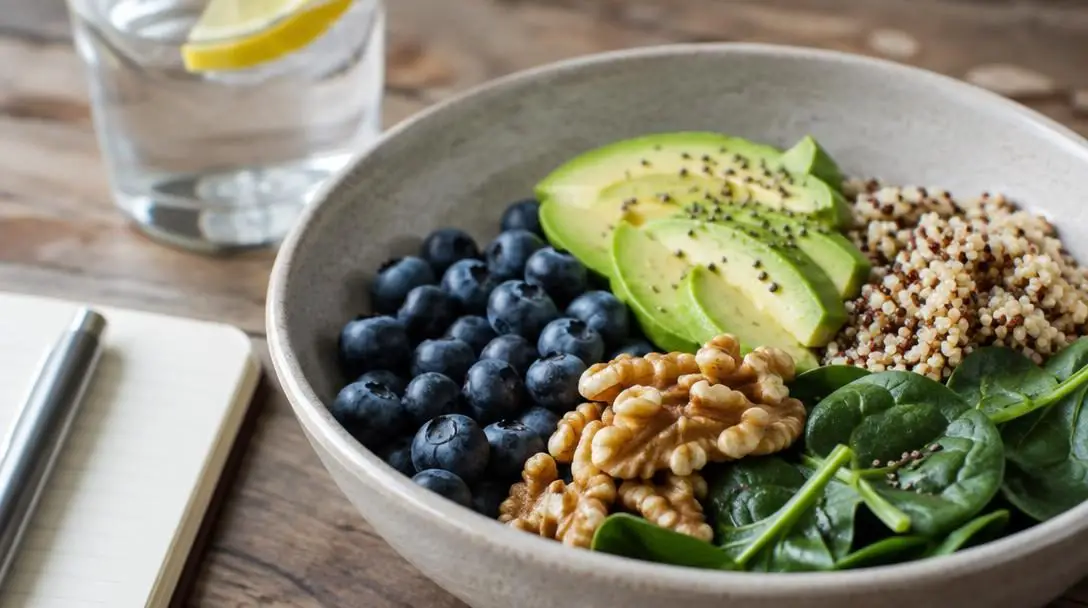
Berries rank among the most popular fruits worldwide thanks to their delicious flavor profiles and reliable year-round availability, yet their greatest virtue lies in their cognitive advantages. Prominent research led by doctors Barbara Shukitt-Hale and Marshall G. Miller reveals that people who regularly eat berries, particularly blueberries and strawberries, exhibit notably lower rates of Alzheimer’s disease and age-related mental decline. These compact fruits are loaded with potent antioxidants that neutralize cellular free radicals before they can damage neural tissues. Scientific researchers continue to study these fruits closely to determine which specific variety provides the absolute highest concentration of neuroprotective benefits.
Soluble Dietary Fiber
While dietary fiber is traditionally celebrated for gastrointestinal motility, growing scientific interest centers on its critical contributions to long-term cognitive integrity. In an influential long-term study launched in Japan during the 1980s, Professor Kazumasa Yamagishi established a compelling link between dietary fiber consumption and sustained cognitive health. Professor Yamagishi identified the core biological mechanism underlying this relationship: soluble fiber systematically regulates the composition of gut bacteria, which in turn influences neuroinflammation known to accelerate the onset of dementia. You can support this microbial defense by consuming fiber-rich whole foods and supplementing with high-grade soluble fiber products.
Nutrient-Rich Tree Nuts
Regularly snacking on nuts yields direct, measurable advantages for your neurological longevity. While virtually all nut varieties supply valuable nutrients to the brain, almonds and macadamias are exceptionally prominent choices for daily cognitive support. However, walnuts comfortably take the top spot among all varieties. Walnuts stand above their peers because they harbor the highest concentrations of neuroprotective antioxidants alongside powerful anti-inflammatory properties. Because tree nuts possess high caloric density, practicing sensible portion control ensures you secure their abundant micronutrient benefits without accidentally accumulating excess calories.
At a Glance: Brain-Boosting Foods and Nutrients
Evaluating the primary nutritional drivers of brain health helps you understand the specific biochemical roles each food group plays in safeguarding your cognitive abilities.

| Dietary Component | Key Dietary Sources | Primary Neurological Mechanism | Primary Cognitive Benefit |
|---|---|---|---|
| Omega-3 Fatty Acids | Fish, chia seeds, yogurt, nuts | Optimizes cerebral blood circulation | Supports memory and lowers dementia risk |
| Moderate Alcohol | Wine, beer (maximum 1 glass daily) | Mild systemic vascular modulation | Associated with lower risks of stroke and Parkinson’s |
| Berries | Blueberries, strawberries | Eliminates oxidative free radicals | Reduces Alzheimer’s risk and age-related decline |
| Dietary Fiber | Whole plant foods, soluble fiber supplements | Balances gut microbiota to limit neuroinflammation | Helps prevent the systemic onset of dementia |
| Tree Nuts | Walnuts, almonds, macadamias | Supplies dense anti-inflammatory antioxidants | Protects cellular integrity and mental clarity |
Practical Steps to Build a Brain-Healthy Routine
Adopting a lifestyle centered around brain longevity does not require an overwhelming pantry purge. You can systematically reinforce your cognitive faculties by introducing manageable, structured steps into your standard weekly schedule.
- Organize your pantry with measurable portions. Tree nuts such as walnuts, almonds, and macadamias are nutrient-dense yet calorically heavy. Portion raw nuts into small, reusable containers rather than eating directly out of large bulk packaging to prevent excessive calorie intake while securing your daily antioxidants.
- Build a nutrient-dense morning bowl. Combine multiple brain-protecting essentials into your first meal of the day. Stir a tablespoon of chia seeds and a handful of fresh blueberries or strawberries into a bowl of yogurt to obtain omega-3s, soluble fiber, and free-radical scavengers simultaneously.
- Upgrade lunch and dinner with structured fiber. Integrate vegetables, legumes, and whole grains into your daily salads and soups to consistently nourish beneficial gut bacteria. If meal preparation time is limited, mix a serving of high-quality soluble fiber supplement into your morning glass of water.
- Schedule regular fish nights. If you include animal proteins in your diet, prepare two or three evening meals per week centered around fish rich in omega-3 fatty acids. Pair your fish with steamed greens to support smooth cerebral blood flow and ongoing memory retention.
- Set rigid personal boundaries around alcohol. If you drink, establish an unwavering limit of no more than one standard glass of wine or beer per day. Pour carefully using measured glassware to avoid unintentional overconsumption and preserve the protective vascular threshold.
Frequent Dietary Mistakes That Undermine Brain Health
Well-intentioned dietary changes can easily go astray if you fall into common misunderstandings regarding portion sizes, ingredient quality, and overall lifestyle consistency.
- Assuming all alcohol consumption is protective: Misreading research regarding alcohol is a perilous mistake. Because alcohol is an addictive depressant, consuming several drinks in an evening rapidly inflicts cellular damage and negates all cognitive advantages observed with strict single-glass limits.
- Overeating nuts without portion tracking: Walnuts, almonds, and macadamias offer outstanding antioxidant and anti-inflammatory support, but their caloric density can lead to rapid weight gain if eaten indiscriminately. Measure your servings deliberately.
- Neglecting the gut-brain axis: Viewing brain health as isolated entirely inside the skull causes many to overlook digestive wellness. Disregarding dietary fiber deprives gut microbes of the fuel needed to suppress systemic neuroinflammation tied to dementia.
- Relying on artificial fruit products: Sugar-laden fruit snacks, artificially flavored pastries, and concentrated juices do not deliver the benefits observed in clinical berry studies. Drs. Shukitt-Hale and Miller’s research hinges on natural, unadulterated berries packed with whole antioxidants.
- Postponing brain nutrition until decline appears: Waiting for noticeable memory lapses or cognitive slowdown before addressing your nutrition is a critical miscalculation. Neurological defense requires consistent, proactive lifestyle habits to build lasting resilience against degenerative conditions.
Long-Term Considerations for Cognitive Vitality
As you incorporate these targeted foods into your lifestyle, consider how your dietary pattern aligns with your broad health profile. Proper nutrition provides a foundational baseline, but mental sharpness thrives when paired with physical movement, quality restorative sleep, and regular cognitive challenges. Take note of subtle shifts in daily mental clarity, sustained focus, and digestive comfort as you increase your soluble fiber, introduce walnuts and almonds, and establish dependable sources of omega-3 fatty acids.
It is equally wise to review your ongoing dietary adjustments with a licensed healthcare provider or registered dietitian. A clinical professional can evaluate your individual medical history, help verify appropriate portion balances, and ensure that your brain-boosting meal routine operates in harmony with your personal wellness targets for decades to come.
Frequently asked questions
Which tree nut provides the best support for cognitive health?
While almonds and macadamias supply notable benefits, walnuts claim the top spot among tree nuts. Walnuts contain the highest concentration of neuroprotective antioxidants alongside potent anti-inflammatory properties, making them uniquely capable of defending brain cells against oxidative damage.
How does dietary fiber protect the brain from neurodegenerative diseases?
As established by research initiated by Professor Kazumasa Yamagishi, soluble dietary fiber regulates the composition and health of your gut bacteria. A balanced gut microbiome helps manage and decrease internal neuroinflammation, which is a known physiological factor in the onset and progression of dementia.
Can drinking multiple glasses of wine provide greater cognitive protection?
No. The neurological benefits associated with alcohol—such as reduced risks of stroke, Parkinson’s disease, and age-related cognitive impairment—apply exclusively to strict moderation of no more than one single glass of wine or beer per day. Consuming more exposes the brain to depressant toxicity and cellular damage.
What specific berries have researchers highlighted for brain health?
Research conducted by doctors Barbara Shukitt-Hale and Marshall G. Miller specifically highlights blueberries and strawberries. Both fruits feature high concentrations of natural antioxidants that systematically eliminate damaging free radicals, contributing to lower rates of Alzheimer’s disease and age-related cognitive decline.
What everyday foods provide reliable amounts of omega-3 fatty acids?
You can readily boost your omega-3 intake by consuming various types of fish, alongside plant-based sources like chia seeds, yogurt, and assorted tree nuts. These foods enhance cerebral blood flow to support daily memory and overall cognitive function.
The bottom line
Safeguarding your brain health is an urgent, lifelong endeavor that merits the same dedication commonly given to physical physique and cardiovascular endurance. By proactively weaving omega-3 fatty acids, measured servings of walnuts, diverse berries, and gut-regulating soluble fiber into your daily diet, you directly furnish your mind with the biochemical tools required to resist neuroinflammation and oxidative damage. Pair these wholesome dietary foundations with disciplined moderation in alcohol consumption, and you establish a resilient, enduring nutritional defense that keeps your cognitive faculties sharp, focused, and vibrant throughout every stage of life.