5 Surprising Benefits Of Martial Arts
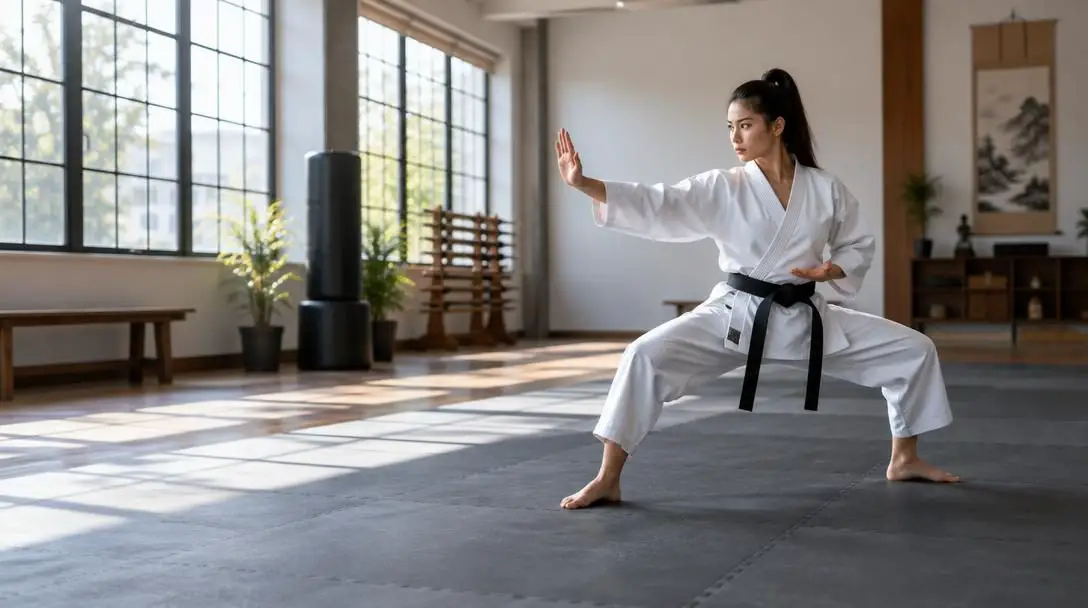
While many people picture martial arts strictly as self-defense training or combat choreography, the real-world impact of consistent practice stretches much further. Martial arts incorporates a wide variety of traditions, techniques, and philosophical frameworks that challenge the body to act as a unified, purposeful system. Rather than isolating individual muscle groups on specialized weight machines, regular training requires practitioners to coordinate their entire physical structure while cultivating sustained mental composure.
Whether you step onto the mats to enhance personal safety, break out of a sedentary routine, or pursue a lifelong hobby, the discipline offers profound returns across cardiovascular stamina, cognitive sharpness, and daily well-being. By engaging both the mind and body in structured movement patterns, martial arts training provides an adaptable lifestyle practice suitable for practitioners of almost any age or physical background.
Key takeaways
- Martial arts engages the entire kinetic chain to develop functional muscular strength, power, and active joint flexibility without requiring specialized gym equipment.
- Complex combinations and precise stances train spatial awareness and motor control, significantly improving coordination in everyday physical tasks.
- Memorizing movement patterns and adhering to academy structure builds sharp focus and disciplined habits that carry over directly into academic and professional pursuits.
- High-intensity interval mechanics burn hundreds of calories per session, elevating metabolic rate and supporting rapid cardiovascular conditioning.
- Mindful physical exertion releases mood-boosting endorphins while offering a constructive outlet to release daily stress and anxiety.
Understanding the Core Pillars of Martial Arts Practice
At its foundation, martial arts is far more than throwing strikes or parrying blows. Across diverse traditions, disciplines place a deep emphasis on proper form and mechanical precision. Training bridges the divide between conventional gym workouts and intentional mindfulness exercises. Practitioners learn to move through space efficiently, maintain balanced footwork, practice controlled diaphragmatic breathing, and uphold the respectful etiquette of the training hall.
In modern training environments, martial arts addresses both physical conditioning and cognitive resilience simultaneously. Because techniques demand synchronized action from head to toe, every drill conditions the body to generate force organically from the ground up. This unified approach prevents the muscular imbalances often created by repetitive, single-plane exercises and instills a deep, lasting physical literacy.
The 5 Most Surprising Benefits of Martial Arts
While self-defense remains a classic motivation for joining a dojo or academy, students quickly discover transformative changes that extend far beyond tactical readiness. Below are the five primary benefits that make martial arts one of the most comprehensive physical activities available.
| Benefit | Primary Physical or Mental Mechanism | Everyday Practical Impact |
|---|---|---|
| Strength and Flexibility | Dynamic stretching, calisthenics, and isometric stance holding | Greater joint protection, improved posture, and fatigue resistance |
| Coordination and Body Control | Multi-directional footwork and fine motor timing | Better balance, fewer slips and falls, and fluid spatial navigation |
| Focus and Self-Discipline | Retention of technical sequences and structured etiquette | Enhanced work productivity, sustained attention, and steady goal pursuit |
| Mental Health and Well-Being | Endorphin release and grounded, present-moment awareness | Reduced feelings of anxiety, constructive stress venting, and purposeful outlook |
| Rapid Physical Conditioning | Intermittent anaerobic bursts paired with aerobic conditioning | Efficient caloric burn, heightened metabolic rate, and lean muscle tone |
Gaining Strength and Flexibility
One of the clearest advantages of martial arts training is how quickly it develops functional strength alongside dynamic suppleness. Traditional weightlifting often focuses on contracting muscles within limited, isolated ranges of motion. In contrast, martial arts demands that muscles extend and contract under continuous tension during deep stances, defensive evasions, and high kicks. This builds functional flexibility, where joints remain strong and stable even at extreme ranges of motion, rather than merely passive elasticity.
Additionally, classes rely heavily on bodyweight exercises woven seamlessly into the curriculum. Practitioners routinely perform sets of push-ups, squats, core drills, and explosive jumps during technical progressions. Over time, these calisthenic patterns build lean, resilient muscular endurance and explosive power. Because you are constantly supporting, rotating, and propelling your own body weight, your connective tissues and joints adapt naturally, producing durable strength that improves posture and prevents everyday injuries.
Improving Coordination and Body Control
Precision is the cornerstone of effective martial movement. Every strike, block, sweep, or defensive transition depends on exact timing, micro-adjustments in balance, and acute spatial awareness. Through the repetitive practice of strict technical form, practitioners develop exceptional body awareness and motor control. You learn precisely where your center of gravity rests and how subtle shifts in foot placement dictate your stability.
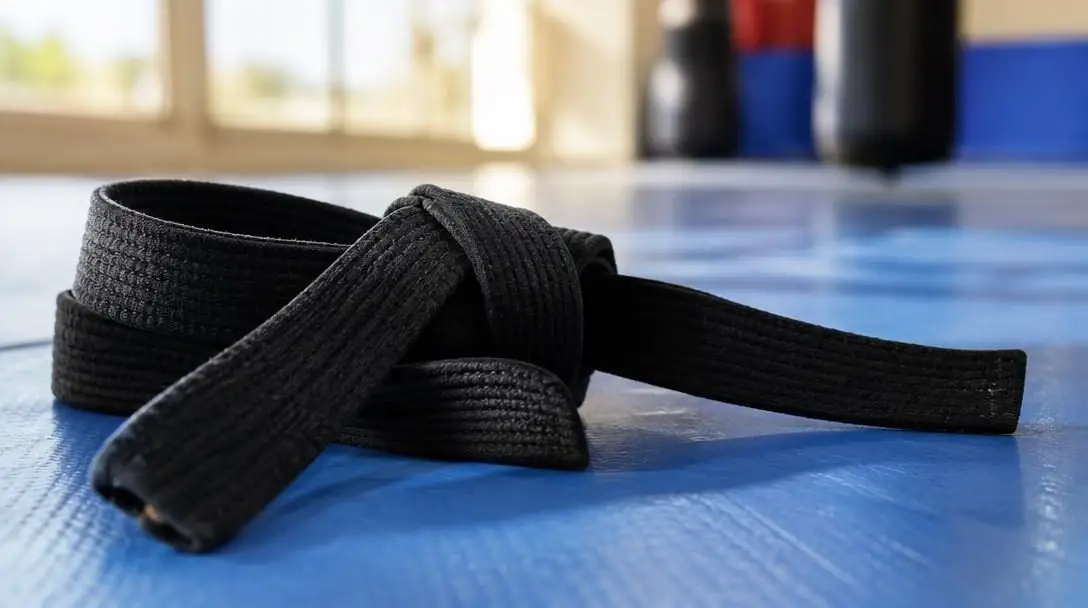
This heightened neuromuscular coordination carries directly into routine life outside the training facility. Whether navigating uneven sidewalks, reacting quickly to avoid a dangerous fall, moving gracefully through crowded rooms, or playing recreational sports, the motor pathways refined on the mat make your daily movements smoother, more efficient, and far more balanced.
The repetitive discipline of precise form transforms raw exertion into graceful, controlled physical confidence.
Increasing Focus and Self-Discipline
Modern daily life is saturated with digital distractions, making sustained attention difficult to maintain. Martial arts acts as an antidote by requiring complete mental absorption. When an instructor demonstrates an intricate sequence of strikes, footwork, and counter-movements, you must concentrate intently to absorb, recall, and execute the pattern. There is simply no room for wandering thoughts or divided attention when practicing partner drills or complex forms.
This high level of concentration creates a lasting cognitive habit that translates into your career, academic studies, and personal responsibilities. Furthermore, regular attendance reinforces unwavering self-discipline. Committing to a consistent training schedule, working through technical frustrations, and showing up even when motivation dips teaches you to delay gratification. Over time, sticking to long-term goals and resisting short-term temptations becomes second nature.
Boosting Mental Health and Well-Being
While the physical transformations of martial arts are readily apparent in the mirror, the mental health improvements are equally profound. Intense martial training stimulates the release of mood-enhancing endorphins, helping alleviate feelings of stress, anxiety, and mental fatigue. The training hall provides a healthy, constructive environment where individuals can safely vent daily frustrations and leave emotional baggage behind.
Furthermore, martial arts instills a strong sense of purpose, self-efficacy, and personal progression. Moving through an established curriculum, mastering previously difficult movements, and engaging with supportive training partners grounds practitioners in the present moment. Stepping off the mat, students frequently report a clear, calm headspace, feeling refreshed, emotionally balanced, and better prepared to handle interpersonal and professional pressures.
Getting in Shape Quickly
For individuals seeking an efficient, engaging workout that avoids the monotony of standard gym treadmills, martial arts delivers rapid full-body conditioning. A single rigorous session combines sustained aerobic output with sudden anaerobic bursts of maximum effort, torching hundreds of calories. This high-intensity format keeps the resting metabolic rate elevated well after the training session concludes, accelerating fat loss and muscle toning.
Because martial arts incorporates an ever-evolving library of techniques, drills, and partner exercises, the body is continually challenged in novel ways. This constant physical variety prevents the conditioning plateaus common in repetitive cardio routines. As your cardiovascular endurance expands and muscle tone sharpens, you build genuine athletic stamina while staying mentally engaged class after class.

The Physiology and Psychology: How Martial Arts Works
The extensive benefits of martial training are rooted in sound physiological and cognitive principles. When you participate in a class, your body and nervous system interact in unique ways that traditional workouts rarely reproduce:
- Whole-Body Kinetic Chains: Generating force for a kick or strike requires power to travel sequentially from the feet, through the legs and core, and outward through the extremities. This kinetic sequencing teaches different muscle groups to fire in perfect harmony, developing balanced, systemic power.
- Cognitive Pattern Recognition: Committing complex combinations and forms to memory stimulates neuroplasticity. The brain continually maps new physical pathways, accelerating the speed at which motor signals travel from the central nervous system to your limbs.
- High-Intensity Interval Mechanics: Martial arts naturally mimics interval training. Alternating between controlled technical drilling and fast-paced explosive rounds challenges both aerobic and anaerobic energy systems, optimizing heart health and conditioning.
- Mindfulness Under Pressure: Tracking an incoming drill or concentrating on defensive mechanics forces you to stay completely rooted in the present. This immersion temporarily silences cyclical, anxious thought patterns, resetting your nervous system.
How to Get Started in Martial Arts: Step-by-Step
Beginning your martial arts journey does not require prior athletic experience or exceptional flexibility. By approaching your introduction systematically, you can find the right style, prevent early burnout, and establish a fulfilling, enduring practice.
- Identify Your Personal Priorities: Clarify what you hope to achieve most from your training. Determine whether your top goal is building cardiovascular conditioning, developing functional flexibility, acquiring practical self-defense skills, or finding a constructive mental outlet for daily stress.
- Research Styles and Teaching Methods: Explore local disciplines to see which training style aligns with your personal preferences. Some systems emphasize explosive striking and kicking, others focus on ground grappling and leverage, while some concentrate heavily on precise solo forms and traditional calisthenics.
- Visit Local Training Academies: Stop by several schools to observe live classes. Take note of the overall cleanliness of the facility, the general safety culture, how instructors provide technical feedback, and whether the interaction among students is respectful and supportive.
- Take an Introductory Class: Most martial arts academies offer trial lessons or beginner orientation workshops. Participating directly allows you to evaluate the physical pace, assess instructor clarity, and experience the school environment firsthand.
- Establish a Consistent Schedule: Dedicate yourself to attending class two to three times each week. Consistent exposure is vital for locking in muscle memory, conditioning connective tissues, and establishing the discipline necessary for steady advancement.
- Listen to Your Body: Give your body ample time to rest and recuperate between sessions, particularly during your initial months. Pay attention to muscular soreness and prioritize restorative sleep and hydration as your joints adapt to unfamiliar movements.
Common Training Mistakes to Avoid
Every beginner encounters hurdles when starting their martial journey. Keeping the following common pitfalls in mind will keep your workouts safe, rewarding, and sustainable over the long term:
- Prioritizing Speed Over Technique: Rushing to execute moves quickly before internalizing correct posture and alignment compromises your balance and dramatically raises the chance of joint strain. Emphasize clean mechanics first; speed will develop naturally.
- Neglecting Warm-Ups and Flexibility Drills: Treating the warm-up calisthenics or dynamic stretches as optional leaves your muscles cold and unprimed. A thorough warm-up prepares the cardiovascular system and prevents soft-tissue pulls during dynamic movements.
- Overexerting Too Early: Throwing strikes with full force or attempting advanced kicks without proper conditioning causes early fatigue and sloppy form. Scale your intensity to match your current stamina level.
- Ignoring Mental Focus: Going through drills mindlessly turns martial arts into an ordinary workout and robs you of its cognitive gifts. Approach every repetition with intent, mindfulness, and attention to detail.
- Inconsistent Attendance: Allowing multiple weeks to elapse between training sessions resets your conditioning and breaks technical continuity. Steady, regular practice is the only way to build lasting motor memory.
Sustaining Your Long-Term Practice on and off the Mat
As martial arts transitions from an unfamiliar activity into an established personal routine, your focus will shift toward long-term maintenance and growth. Keeping your practice fresh and productive over months and years requires deliberate attention to both physical recovery and personal development.
Keep track of your physical milestones, such as improved posture, easier breathing during strenuous drills, greater hip mobility, and higher overall energy levels. As basic punches, kicks, and stances become automatic, challenge your intellect by seeking deeper technical refinements, learning advanced forms, or dissecting subtle defensive reactions. Pair this progressive workload with good nutritional habits, adequate water intake, and proper sleep to ensure your muscles repair efficiently.
Most importantly, allow the principles learned in the training hall to inform your broader life. The patience, resilience, and laser focus cultivated while mastering difficult techniques can be applied directly to completing complex work tasks, managing family demands, and navigating personal challenges with confidence and composure.
Frequently asked questions
Do I need to be in good shape before starting martial arts?
No, you do not need to be physically fit prior to joining a class. Martial arts training is designed to build your cardiovascular conditioning, core strength, and flexibility progressively from your very first session, allowing you to adapt at a safe, natural pace.
How often should a beginner train each week?
Attending class two to three times per week is the ideal frequency for beginners. This schedule provides enough repetition to build neuromuscular memory and endurance while leaving adequate recovery days for your muscles and joints to heal.
Can martial arts help with weight management?
Yes. Martial arts routines combine continuous cardiovascular activity with high-intensity anaerobic bursts and calisthenic conditioning, burning hundreds of calories per workout and keeping your resting metabolic rate elevated long after training finishes.
What should I look for when choosing a training academy?
Look for a facility that is clean, well-maintained, and staffed by attentive instructors who emphasize safety and technical form. A welcoming, supportive atmosphere among fellow students is equally crucial for long-term consistency.
How does martial arts practice improve mental focus outside of class?
Training requires your undivided attention to memorize multi-step movement patterns and respond accurately during drills. Practicing this level of sustained concentration strengthens the cognitive stamina needed to stay focused on complex professional and academic tasks.
The bottom line
Martial arts is far more than a recreational combat sport; it is an all-encompassing lifestyle practice that strengthens the body and centers the mind. From building functional strength, enhancing motor coordination, and fostering unbreakable self-discipline to relieving stress and accelerating general fitness, the disciplines within martial training offer life-changing benefits. By starting with clear goals, embracing proper technique, and committing to steady attendance, anyone can tap into these rewards and enjoy lasting physical and mental transformation.