5 Surprising Benefits Of Walking

Modern fitness culture often promotes high-intensity interval training, expensive boutique gym memberships, and complex lifting protocols as the primary paths to health. Yet one of the most potent, scientifically supported interventions for lifelong vitality requires no specialized equipment or athletic background: regular daily walking. For generations, walking was naturally woven into the rhythm of daily life through labor, transit, and domestic chores, keeping human bodies active and resilient.
As modern society shifted toward automated transportation and desk-bound occupations, physical movement plummeted. Human biology, however, remains hardwired for low-impact locomotion. Walking stimulates multiple physiological systems simultaneously without demanding long recovery periods or placing excessive strain on the skeletal frame. Whether you are returning to exercise after years of inactivity or looking for a sustainable baseline to protect your cardiovascular system, cellular health, and emotional well-being, walking provides an accessible and profoundly effective path forward.
Key takeaways
- Walking for 30 minutes a day strengthens cardiovascular fitness, reduces blood pressure, and lowers the risk of heart disease.
- A vigorous walking cadence builds metabolic lean muscle in the lower body, aiding in sustainable weight loss without triggering severe fatigue.
- Regular movement helps lower cancer risk by driving lymphatic circulation, reducing systemic inflammation, and stimulating cellular defense enzymes.
- Walking enhances mental health by relieving symptoms of anxiety and depression, reducing stress hormones, and boosting cognitive function.
- Committing to just 10 minutes of daily walking can increase lifespan by up to three years, with greater cumulative gains as frequency increases.
The Internal Mechanics: How Walking Affects the Human Body
Walking is far more than a simple shift from one foot to the other. When you maintain a continuous walking stride, your body initiates a synchronized cascade of mechanical, chemical, and biological responses that touch virtually every internal system.
From the moment you begin moving, muscular activation takes place across the calves, quadriceps, hamstrings, glutes, and core. These muscles contract rhythmically, stabilizing your joints and consuming glucose from the bloodstream to fuel active muscle fibers. This immediate metabolic shift assists with blood sugar regulation and increases daily energy expenditure.
Simultaneously, active muscles require elevated levels of oxygen. This prompts vascular dilation, in which blood vessels expand to facilitate smooth blood delivery. Over time, this natural vascular elasticity trains the circulatory system to work efficiently under lower systemic pressure, reducing the workload placed on the heart.
Walking is also essential for lymphatic circulation. Unlike the cardiovascular system, which relies on the heart to pump blood, the lymphatic network lacks a central muscular pump. It depends entirely on muscular contractions and deep breathing to move lymphatic fluid through vessels and nodes. As you step, your calf and leg muscles act as mechanical pumps, circulating fluid, clearing cellular waste products, and supporting immune defense.
Five Significant Health Benefits of Regular Walking
While many recognize walking as a pleasant leisure activity, its systematic benefits extend into deep disease prevention, weight management, and neurobiology. The following five areas illustrate how regular walking creates lasting physiological improvements.
1. Improving Cardiovascular Health
Cardiovascular disease remains one of the leading health threats worldwide, yet the heart responds quickly to regular aerobic conditioning. Walking is an ideal low-impact aerobic exercise because it raises the heart rate into an optimal training zone without subjecting ankles, knees, and hips to severe joint impact.
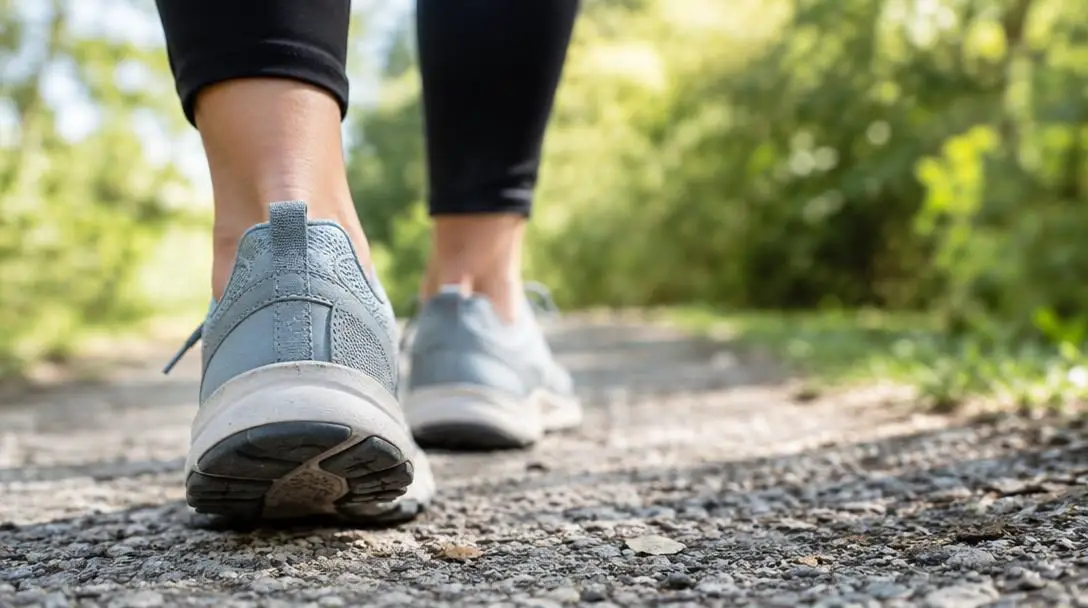
Engaging in just 30 minutes of walking per day delivers measurable cardiovascular improvements. During a sustained walk, large muscle groups require continuous oxygen, prompting the heart to beat faster and pump a greater volume of blood per stroke. This steady, gentle exertion helps blood vessels maintain flexibility, directly aiding in lowering blood pressure. By conditioning the heart muscle and improving peripheral circulation, consistent walking dramatically lowers the risk of heart disease for individuals of all ages and fitness backgrounds.
2. Supporting Sustainable Weight Loss
Achieving and maintaining a healthy body weight requires balancing caloric intake with physical output. High-intensity workout regimens often cause sharp spikes in appetite and central nervous system fatigue, making long-term adherence difficult for many people. Walking, by contrast, provides an exceptionally reliable and sustainable pathway to daily caloric expenditure.
The key to maximizing weight management through walking is adopting a vigorous pace. Walking quickly recruits muscle fibers across the calves, hamstrings, quadriceps, and glutes, demanding more energy and burning calories rapidly. Because muscle tissue requires more energy to maintain than fat tissue even while resting, developing lower-body muscular strength through walking enhances baseline metabolism. The low physical strain associated with walking prevents exercise burnout, allowing individuals to maintain the day-in, day-out consistency necessary to achieve lasting weight-loss goals.
3. Reducing the Risk of Cancer
Physical movement serves as a biological defense mechanism against cellular breakdown and malignant disease. Walking activates several distinct pathways that contribute directly to cancer risk reduction. First, by enhancing blood and lymphatic flow, walking helps the body clear metabolic waste products and ensures vital organs receive an abundance of oxygen and essential nutrients.
Second, walking stimulates the production of healthy enzymes that defend cellular structures against damage. Crucially, habitual walking calms chronic systemic inflammation. Sustained internal inflammation is widely recognized as a fertile breeding ground for cellular mutation and the development of various serious illnesses, including multiple forms of cancer. By modulating inflammatory markers and boosting cellular defenses, a daily walking routine supports long-term cellular integrity.
4. Enhancing Mental Well-Being and Cognitive Clarity
Modern lifestyle demands often create prolonged psychological tension, leading to mental exhaustion, burnout, and persistent stress. Walking acts as a powerful non-pharmacological tool to restore emotional equilibrium and sharpen cognitive performance.
Aerobic movement triggers neurochemical shifts that soothe an overstimulated sympathetic nervous system. Engaging in regular walks lowers circulating stress hormones while elevating mood-supporting neurochemicals, resulting in reduced stress levels and higher self-esteem. Furthermore, walking helps alleviate the symptoms of anxiety and depression, offering individuals a dependable coping strategy that can be practiced almost anywhere. The rhythmic, bilateral movement also supports executive cognitive function, fostering sharper focus, mental clarity, and improved problem-solving ability.

5. Increasing Lifespan and Promoting Longevity
Longevity is frequently perceived as the result of genetic luck or complex medical interventions, but simple daily behavioral habits exert an immense influence on life expectancy. Walking is one of the most straightforward and effective tools available for extending lifespan.
Research indicates that dedicating just 10 minutes a day to walking can increase your lifespan by up to three years. The restorative benefits of walking are cumulative: as you increase your daily duration and frequency, the protective effects compound over time. By preserving functional joint mobility, optimizing blood pressure, defending cellular health, and alleviating psychological stress, regular walking slows the biological drivers of premature aging and keeps the body functional well into later life.
Walking just 10 minutes a day can increase lifespan by up to three years, proving that small, sustainable habits yield transformative longevity benefits.
| Health Benefit | Primary Bodily Mechanism | Recommended Target | Major Outcome |
|---|---|---|---|
| Cardiovascular Health | Vascular dilation and increased stroke volume | 30 minutes daily | Reduced blood pressure and lower heart disease risk |
| Weight Loss | Caloric expenditure and lean muscle preservation | Brisk, vigorous pace | Enhanced metabolic rate and sustainable fat loss |
| Cancer Risk Reduction | Lymphatic drainage and enzyme activation | Consistent daily walks | Decreased systemic inflammation and cellular defense |
| Mental Health | Hormonal regulation and neural equilibrium | Daily as needed | Relief from anxiety, lower stress, sharper focus |
| Longevity | Systemic multi-organ preservation | 10 to 30+ minutes daily | Up to three extra years of life; cumulative benefits |
How to Build a Sustainable Walking Routine
Transitioning from an occasional walk to an effective daily health practice does not require complex training schedules. By approaching your routine systematically, you can optimize your results while avoiding unnecessary discomfort.
- Start with a manageable baseline target: If you are new to regular movement, commit to just 10 minutes per day. Since a 10-minute walk already yields measurable longevity gains, establishing this initial habit builds consistency. Gradually increase your time toward 30 minutes per day to unlock broader cardiovascular advantages.
- Select supportive, functional footwear: You do not need specialized athletic equipment, but your shoes must offer sufficient arch support, heel cushioning, and adequate room in the toe box to prevent blisters, plantar irritation, and joint strain.
- Establish a brisk, vigorous cadence: To trigger cardiovascular conditioning and metabolic energy burning, walk at a speed that raises your heart rate and deepens your breathing, while still allowing you to speak in full sentences.
- Incorporate brief speed intervals: Once comfortable with a baseline pace, alternate between periods of moderate walking and short bursts of vigorous walking. These variations elevate your cardiovascular workload and maximize calorie expenditure.
- Divide your steps across the day: If finding an uninterrupted 30-minute block is difficult, break your walking into two or three 10-to-15-minute segments. Park further away, take the stairs, or use part of your lunch break for a brief walk.
- Maintain tall posture and natural biomechanics: Stand upright, keep your shoulders back and relaxed, look ahead toward the horizon, and let your arms swing naturally to balance your stride and avoid spinal fatigue.
Common Walking Mistakes to Avoid
Because walking is an instinctive human movement, many people assume there is no wrong way to do it. However, subtle errors in pacing, posture, and progression can diminish your results or lead to unnecessary physical discomfort.
- Walking at an excessively leisurely pace: While a slow stroll supports basic relaxation, cardiovascular conditioning and metabolic improvements require a brisk pace that noticeably raises your heart rate.
- Ramping up volume too quickly: Attempting long distances without building a baseline can lead to shin splints, inflamed tendons, or excessive fatigue. Increase daily duration gradually over several weeks.
- Wearing worn-out footwear: Running or walking shoes lose their structural support and cushioning long before the fabric looks torn. Walking in deteriorated shoes alters your gait and can cause knee, hip, or lower-back pain.
- Relying exclusively on weekend sessions: Exercising only on Saturdays and Sundays while remaining completely sedentary throughout the workweek misses out on the cumulative daily benefits that walking provides for blood sugar, mood, and circulation.
- Looking down at mobile devices: Tilting your head forward to look at a smartphone while walking strains the cervical spine, rounds the shoulders, and restricts proper breathing mechanics.
Progressing Your Routine Over Time
As your cardiovascular stamina and lower-body strength improve, your body will adapt to your regular walking pace. To continue stimulating your heart, muscles, and metabolism, consider introducing gradual variations to keep your routine effective and engaging.
One straightforward progression is incorporating incline walking. Choosing routes with gentle hills, or using an inclined treadmill, recruits the glutes, hamstrings, and calves more aggressively while dramatically raising cardiovascular demand without added joint impact. You can also explore varied environments—such as trails, public parks, or scenic neighborhoods—to maintain mental stimulation and challenge your balance across different terrain types.
Frequently asked questions
How fast do I need to walk to get cardiovascular and weight-loss benefits?
To capture cardiovascular and metabolic benefits, aim for a brisk, vigorous pace. A good benchmark is the talk test: you should be breathing hard enough that you can still speak in complete sentences, but cannot comfortably sing. This level of exertion indicates that your heart rate is elevated sufficiently to train your circulatory system and burn calories.
Is a 10-minute walk really enough to make a difference?
Yes. Research shows that walking just 10 minutes per day can extend your lifespan by up to three years. While 30 minutes delivers more comprehensive cardiovascular conditioning, even short 10-minute walks stimulate circulation, regulate blood glucose, and provide meaningful longevity benefits, especially when practiced consistently.
Can walking replace high-impact cardio exercises like running?
For overall health, longevity, and weight control, walking is an outstanding alternative to running. It delivers low-impact aerobic conditioning without placing repeated heavy stress on the joints and tendons, significantly reducing your risk of overuse injuries while still protecting heart and metabolic health.
Do I have to do all 30 minutes of walking in a single session?
No. The physiological benefits of walking are cumulative. Splitting your daily exercise into two or three 10-to-15-minute walks throughout the day provides cardiovascular, metabolic, and mental health improvements comparable to completing one continuous 30-minute session.
How does walking help lower my risk of cancer?
Walking reduces cancer risk through multiple internal mechanisms: it promotes lymphatic fluid circulation to help clear metabolic waste, stimulates the production of protective cellular enzymes, and lowers chronic systemic inflammation, which is a recognized factor in the development of many serious diseases.
The bottom line
Walking is one of the simplest, safest, and most powerful investments you can make in your lifelong health. It strengthens the heart, lowers blood pressure, aids in sustainable weight loss, defends cells against damage, and soothes an overstressed mind. By setting aside even 10 to 30 minutes each day for a purposeful, brisk walk, you give your body the exact low-impact stimulation it was built to receive—adding quality, vitality, and years to your life.