5 Surprising Facts About the Human Digestive System
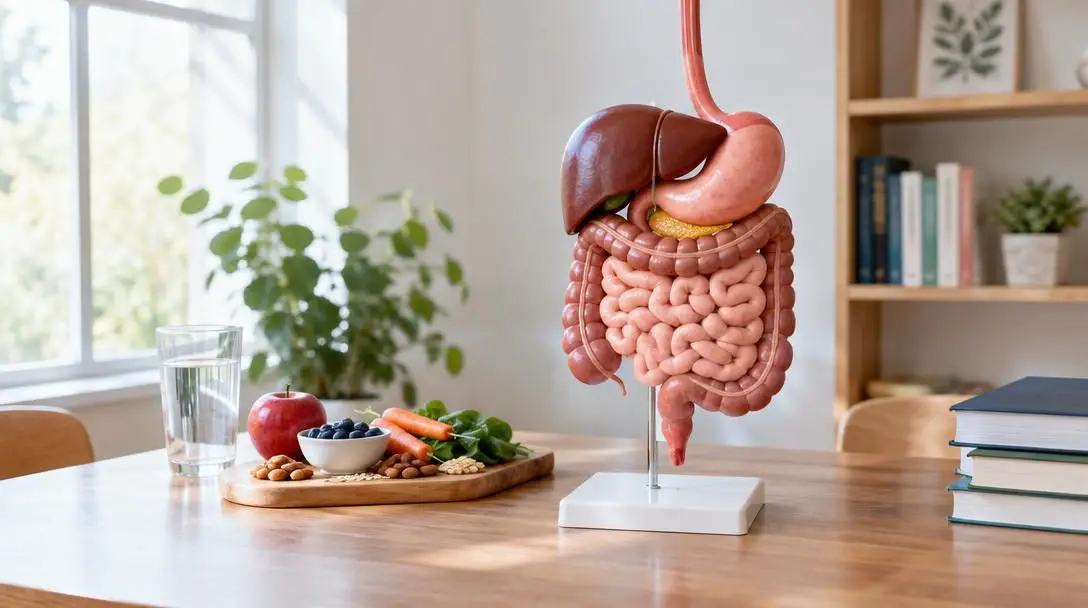
The human digestive system is far more than a simple pipeline designed to break down meals into disposable fuel. It is an intricate, highly coordinated network of specialized organs, protective epithelial barriers, dynamic hormonal pathways, and cellular communication networks that sustain life. From the instant you anticipate eating to the final stages of nutrient extraction, this internal network works continuously to convert dietary intake into the vital compounds required for cellular repair, immune integrity, and systemic energy.
Recent advances in gastrointestinal science reveal that the digestive tract operates as an active endocrine system and an autonomous neurological command post. Far from acting in isolation, your gastrointestinal organs are deeply intertwined with metabolic efficiency, mental clarity, and emotional stability. Exploring the lesser-known biological realities of digestion reveals an extraordinarily sophisticated system that influences nearly every dimension of physical and mental health.
Key takeaways
- Trillions of symbiotic bacteria in the digestive tract perform essential tasks ranging from nutrient absorption to vitamin synthesis.
- The small intestine measures roughly 20 feet long and relies on microscopic villi to expand its nutrient-absorbing surface area.
- Operating with over 100 million nerve cells, the enteric nervous system directs gastrointestinal functions independently of the brain.
- The stomach synthesizes ghrelin, a key hunger-regulating hormone whose circulating levels are modulated by sleep and stress.
- Bidirectional communication along the gut-brain axis allows digestive function and microbiome composition to directly affect emotional well-being.
Five remarkable realities of the human digestive tract
While the mechanical churning of the stomach and the processing of waste in the large intestine are familiar concepts, several specialized features of the digestive tract are less widely known. The following five insights illustrate the sheer scale, autonomy, and systemic influence of human digestive biology.
The gut microbiome houses trillions of microorganisms
Modern culture frequently frames bacteria exclusively as pathogenic invaders, yet the human gastrointestinal tract is intentionally populated by trillions of beneficial microorganisms. Known collectively as the human gut microbiome, this complex microbial ecosystem is vital for normal physiological survival. These residential microbes ferment otherwise indigestible dietary fibers, facilitate the chemical extraction of vital micronutrients, and actively manufacture essential vitamins that human cells cannot produce on their own.
When the delicate equilibrium of this microbial population is compromised, the physiological fallout can extend well beyond temporary abdominal discomfort. Scientific research has connected ongoing bacterial imbalances in the gut to chronic metabolic and physiological challenges, including obesity, type 2 diabetes, and clinical depression. Preserving a resilient, balanced microbiome through thoughtful nutritional choices and targeted probiotic supplementation is foundational to long-term vitality.
The small intestine extends far longer than expected
Because everyday conversations about digestive anatomy tend to emphasize the stomach or the large intestine, many people underestimate the immense physical dimensions of the small intestine. Although characterized as "small" due to its narrower internal diameter, this winding structure measures roughly 20 feet in length in an average adult, making it significantly longer than the large intestine.
The small intestine is the primary biological site where the vast majority of dietary nutrient absorption takes place. To prevent valuable amino acids, fats, carbohydrates, vitamins, and minerals from passing through unabsorbed, the internal mucosal wall is lined with millions of microscopic, finger-like projections called villi, which are themselves blanketed by microvilli. This microscopic architecture dramatically expands the effective surface area, providing the body with an extraordinarily efficient absorptive barrier that funnels extracted nutrients straight into the bloodstream and lymphatic vessels.
An autonomous enteric nervous system operates as a second brain
Standard neurological models position the brain and spinal cord as the sole orchestrators of bodily function. However, the gastrointestinal tract contains its own self-governing neurological apparatus, officially designated as the enteric nervous system (ENS). Spanning the entire digestive passage from the esophagus down to the anus, this dedicated network comprises more than 100 million specialized nerve cells.
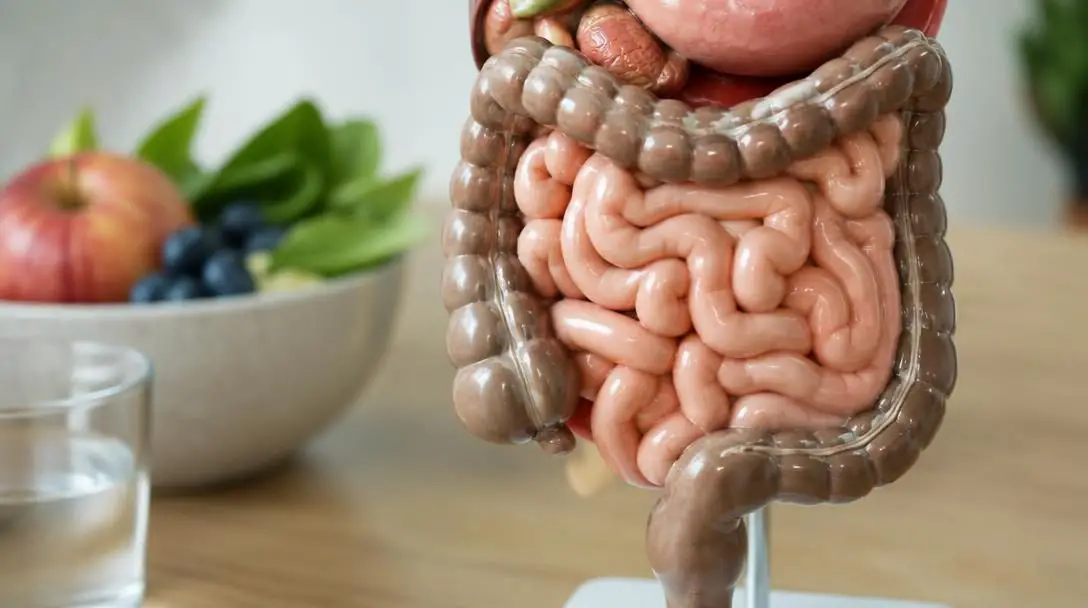
The enteric nervous system possesses sufficient autonomy to monitor and regulate digestion without receiving direct operational directives from the central nervous system. It independently coordinates the rhythmic wave-like contractions of peristalsis, controls the release of digestive fluids and enzymes, adjusts localized blood flow, and monitors luminal contents for the presence of chemical irritants or harmful pathogens. Furthermore, the enteric system synthesizes vital neuroactive chemicals, including serotonin, which plays a central role in both gastrointestinal motility and emotional mood regulation.
Containing over 100 million nerve cells, the enteric nervous system directs digestive mechanics and synthesizes essential neurotransmitters entirely on its own.
The stomach produces ghrelin to actively regulate appetite
In addition to serving as a muscular vessel that crushes ingested food with gastric acid and enzymatic fluids, the stomach acts as a major endocrine signaling station. Specialized cells within the gastric wall produce ghrelin, the primary hunger hormone that alerts the central nervous system when internal energy stores are running low.
When the stomach is empty and its muscular walls are contracted, ghrelin is secreted directly into the bloodstream, where it travels to the brain to stimulate appetite and provoke the motivation to eat. As a meal is consumed and the stomach walls physically stretch to accommodate incoming volume, ghrelin production drops sharply, allowing the brain to register fullness and induce satiety. Disrupted ghrelin signaling can undermine these natural appetite cues, often promoting overeating or unintended weight gain. Lifestyle stressors and sleep deficits disrupt this hormonal balance, making regular restorative habits essential for metabolic harmony.
The gut-brain axis shapes emotional health and mood
The digestive tract and the central nervous system engage in constant, instantaneous dialogue across a bidirectional signaling network known as the gut-brain axis. Rather than being a strictly one-way street where mental stress causes a nervous stomach, this highway routes messages in both directions. Changes in the gastrointestinal environment directly shape emotional processing, mood stability, and cognitive responses.
Clinical observations demonstrate that individuals dealing with mood disorders such as anxiety and depression frequently exhibit distinct abnormalities in their gut microbiomes. Because the enteric nervous system generates a substantial volume of the body's neurotransmitters, shifts in digestive health can prompt alterations in emotional feelings of contentment and calm. Prolonged psychological strain can also induce functional gastrointestinal distress, such as irritable bowel syndrome (IBS), creating an exhausting cyclical pattern where physical symptoms fuel emotional distress and vice versa.
At a glance: Key components of digestive biology
The specialized elements of the digestive tract interact to ensure both local efficiency and systemic balance across the entire body.
| System Component | Primary Location or Structure | Core Biological Role | Wider Physiological Impact |
|---|---|---|---|
| Gut Microbiome | Large intestine and digestive tract | Fermentation of dietary fiber, vitamin production, nutrient extraction | Protects against metabolic disorders, influences immune health and mood |
| Villi and Microvilli | Small intestinal mucosal lining | Maximizes absorptive surface area across approximately 20 feet of tissue | Ensures essential micronutrients and macronutrients enter circulation |
| Enteric Nervous System | Over 100 million neurons from esophagus to anus | Regulates peristalsis, local blood supply, and enzyme secretion | Produces neurotransmitters like serotonin; functions as the "second brain" |
| Ghrelin Secretion | Gastric wall of the stomach | Signals nutritional depletion by stimulating biological hunger sensations | Dictates appetite control, meal initiation, and metabolic balance |
| Gut-Brain Axis | Vagus nerve and biochemical signaling channels | Bidirectional communication between digestive tract and brain | Regulates emotional stability, stress responses, and susceptibility to IBS |
Step-by-step mechanics of the digestive pathway
To understand how these biological features integrate seamlessly, it is useful to trace the path food takes through the gastrointestinal tract. Digestion is a complex progression of mechanical breakdown, chemical transformation, neurological monitoring, and hormonal regulation.

The digestive cascade initiates even before the first bite is swallowed. The sensory anticipation of food stimulates salivary glands to release initial chemical enzymes while the jaw performs mechanical mastication. Once food is chewed into a manageable bolus, it passes down the esophagus via coordinated muscular contractions toward the gastroesophageal junction.
Upon entering the stomach, food encounters a concentrated environment of hydrochloric acid and digestive enzymes. The muscular gastric walls churn the material into a uniform liquid slurry known as chyme. During this stage, the stomach monitors its internal volume. When empty, its lining secretes ghrelin into circulation to signal hunger; as food fills the gastric chamber, ghrelin production drops, laying the biochemical groundwork for satiety.
The liquefied mixture is subsequently metered into the small intestine, where extensive chemical extraction occurs. Over the course of its 20-foot pathway, millions of villi and microvilli absorb amino acids, fatty acids, glucose, minerals, and vitamins directly into the circulatory and lymphatic systems. Throughout this phase, the enteric nervous system uses over 100 million intrinsic neurons to sense lumen composition, continuously adjusting peristaltic contractions, fluid output, and local capillary blood flow.
Finally, residual, non-absorbable material transitions into the large intestine. Here, excess moisture is reclaimed into the bloodstream, and trillions of symbiotic gut bacteria conduct final metabolic actions. These resident microbes ferment dietary fibers, synthesize critical vitamins, and release metabolic byproducts that communicate across the gut-brain axis, sending signals that influence nervous system function, emotional mood, and overall systemic health.
Evidence-based habits for optimal gut function
Because the digestive tract coordinates so closely with hormonal, neurological, and psychological networks, maintaining its health requires conscious lifestyle choices. Supporting your gut microbiome, appetite hormones, and enteric neurons involves sustainable, health-promoting daily routines.
- Diversify your dietary fiber intake: Feed your resident microbiome a wide range of unprocessed plant fibers, complex carbohydrates, and whole foods to sustain diverse bacterial strains and promote steady vitamin synthesis.
- Incorporate targeted probiotic support: Introduce beneficial live cultures through fermented foods or high-quality supplements to replenish microbial communities and maintain resistance against bacterial imbalances.
- Establish consistent sleep patterns: Maintain a predictable, restful sleep schedule to stabilize metabolic hormones like ghrelin, ensuring your body produces accurate hunger and fullness cues.
- Practice daily stress management: Implement stress-reduction techniques such as deep breathing, mindfulness, or moderate movement to calm the autonomic nervous system and soothe the gut-brain axis.
- Pace your meals intentionally: Eat slowly and chew thoroughly to provide the stomach wall adequate time to mechanically expand and suppress circulating ghrelin before you unintentionally overconsume.
Widespread mistakes that disrupt digestion
Many common modern habits unintentionally compromise gastrointestinal performance, distress the enteric nervous system, and alter the fragile balance of the gut microbiome. Identifying and correcting these missteps is vital for safeguarding both metabolic and emotional health.
- Dismissing chronic emotional stress: Treating psychological stress as an isolated mental state ignores its direct physical impact on the gut-brain axis, which can impair intestinal motility, alter bacterial composition, and provoke functional conditions like irritable bowel syndrome.
- Neglecting consistent sleep hygiene: Operating on erratic or insufficient sleep disrupts normal endocrine cycles, artificially driving up ghrelin levels and triggering relentless appetite sensations that encourage weight gain.
- Treating all bacteria as harmful: Overusing aggressive antibacterial measures and avoiding all microbial exposure can inadvertently deplete the diverse bacterial populations that are essential for nutrient absorption, digestive ease, and immune defense.
- Rushing through meals: Eating on the run or finishing meals in minutes fails to allow sufficient time for gastric stretch receptors and endocrine pathways to signal the brain that hunger has been satisfied.
Frequently asked questions
Why is the enteric nervous system called the second brain?
The enteric nervous system is called the second brain because it contains over 100 million nerve cells embedded along the digestive tract and can direct peristalsis, fluid secretions, and blood flow independently of the central nervous system, while also producing neurotransmitters such as serotonin.
How does the small intestine fit so much surface area into the body?
Although it measures around 20 feet long, the small intestine dramatically magnifies its internal surface area through millions of tiny, finger-like folds called villi and microvilli, which create an expansive landscape for maximum nutrient absorption.
What role does ghrelin play in daily appetite regulation?
Ghrelin is a hormone manufactured by the stomach when it is empty. It travels through the bloodstream to notify the brain that the body requires food. As the stomach fills and stretches during a meal, ghrelin secretion drops, allowing sensations of fullness to develop.
Can digestive problems really trigger feelings of anxiety or depression?
Yes. Through the bidirectional communication of the gut-brain axis, imbalances in gut bacteria and distress in the enteric nervous system can alter the production of neurotransmitters like serotonin, directly influencing emotional stability, anxiety levels, and mood.
How do beneficial gut bacteria support overall metabolic health?
Trillions of gut microbes break down dietary fibers that human enzymes cannot digest, produce necessary vitamins, and support efficient nutrient absorption. Disruptions in this bacterial community have been linked to metabolic challenges such as obesity and type 2 diabetes.
The bottom line
The human digestive system is an extraordinary, multi-dimensional biological network that does far more than process meals. By supporting trillions of symbiotic microbes, housing a self-directing nervous system of over 100 million neurons, secreting appetite-controlling hormones like ghrelin, and maintaining active bidirectional communication with the brain, your gastrointestinal tract serves as a cornerstone of overall vitality. Taking intentional steps to nourish your microbiome, manage daily stress, prioritize deep sleep, and honor natural appetite cues helps ensure that this remarkable system continues to fuel your body and stabilize your mind for years to come.