5 Things You Didn’t Know About AS Roma’s History
Associazione Sportiva Roma stands today as one of the most recognizable and culturally resonant football institutions in the world. Despite its modern status on the international stage, the Italian capital club has navigated a century defined by dramatic peaks and deep crises. For many supporters, the story of modern matchdays obscures the complex historical developments that built the club from its inception.
The team was originally forged to provide the Italian capital with a singular athletic force strong enough to counter the early dominance of Northern Italy's established football powers. Tracing this historical timeline reveals an organization molded by early political maneuvering, severe mid-century economic peril, shifting architectural landmarks, and extraordinary record-breaking matches.
Key takeaways
- AS Roma was formed in 1927 through the strategic amalgamation of three existing Roman clubs to rival Northern Italy's dominant teams.
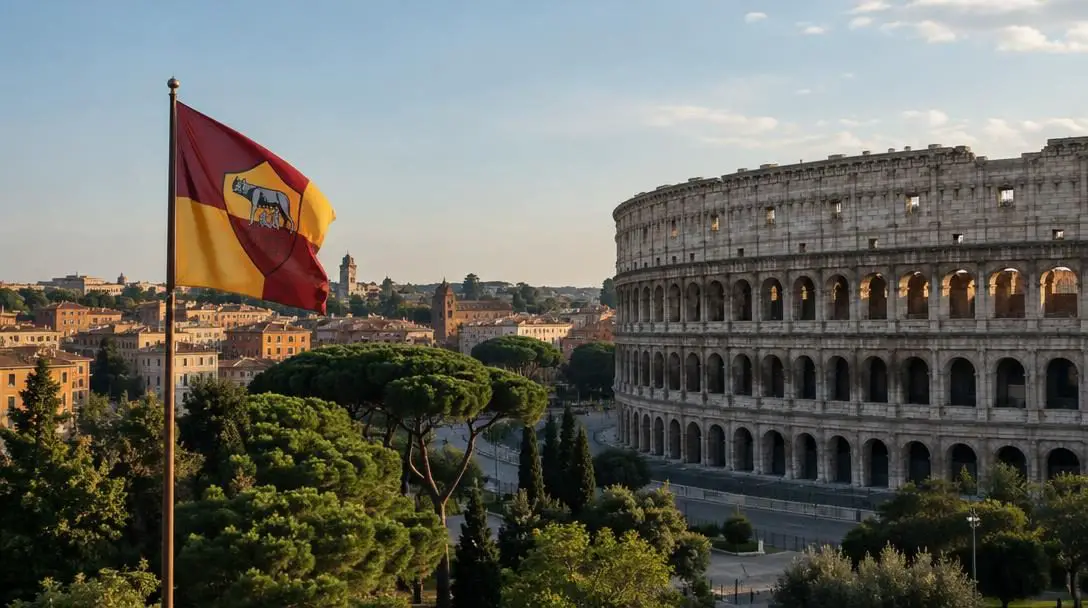
- The club's iconic crest incorporates the ancient Capitoline Wolf and the legendary twins Romulus and Remus, honoring the mythological origins of Rome alongside the team's 1927 foundation year.
- A devastating mid-century financial collapse left the team unable to fund player wages or travel, prompting supporters to personally crowdfund the club's survival.
- Stadio Olimpico underwent multiple structural iterations and name changes, originating as Stadio dei Cipressi before becoming Roma's home in 1953.
- The club's competitive extremes span from a record 9-0 victory over Cremonese in 1929 to matching 1-7 defeats against Juventus and Torino.
At a glance: Key milestones in AS Roma's history
The following overview summarizes the landmark developments, decisions, and matches that shaped the organizational trajectory of AS Roma across the twentieth century.
| Historical Event | Key Figures / Entities | Primary Era | Significance to the Club |
|---|---|---|---|
| Tri-Club Capital Merger | Italo Foschi, Roman FC, SS Alba-Audace, Fortitudo-Pro Roma SGS | 1927 | Created a unified Roman entity to challenge dominant Northern clubs. |
| Record 9-0 League Victory | Arturo Chini Luduena, Luigi Ossoinak, Rodolfo Volk | 1929 | Established the club's largest competitive win in top-flight history. |
| Move to Stadio Olimpico | AS Roma, SS Lazio, Italian Olympic Committee | 1953 | Secured a long-term home venue after wartime damage and reconstruction. |
| Supporter-Led Solvency Campaign | Manager Juan Carlos Lorenzo, Roman supporters | 1960s | Rescued the club from total bankruptcy and paved the way for 1970s stability. |
Five defining elements of AS Roma's historical timeline
The foundational eras of AS Roma present a stark contrast to modern corporate football. Five specific historical realities explain how the team gained its visual identity, navigated geopolitical changes, and survived profound financial distress.
The Capitoline Wolf
- Inspiration: The ancient Capitoline Wolf bronze sculpture
- Mythological Figures: Romulus and Remus
- Year on Badge: 1927
- Color Palette: Traditional municipal red and yellow of Rome
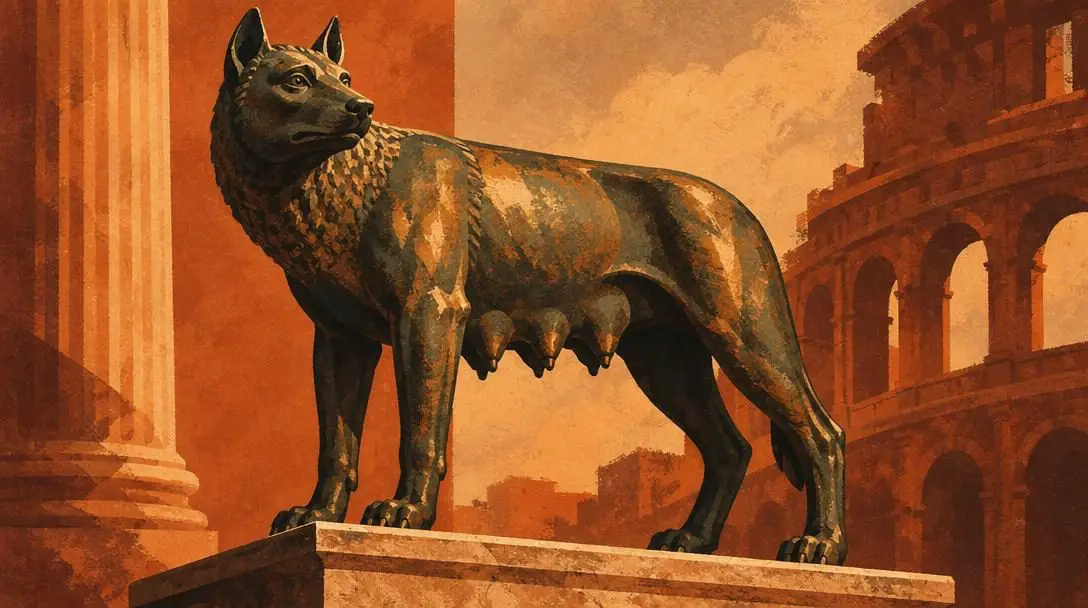
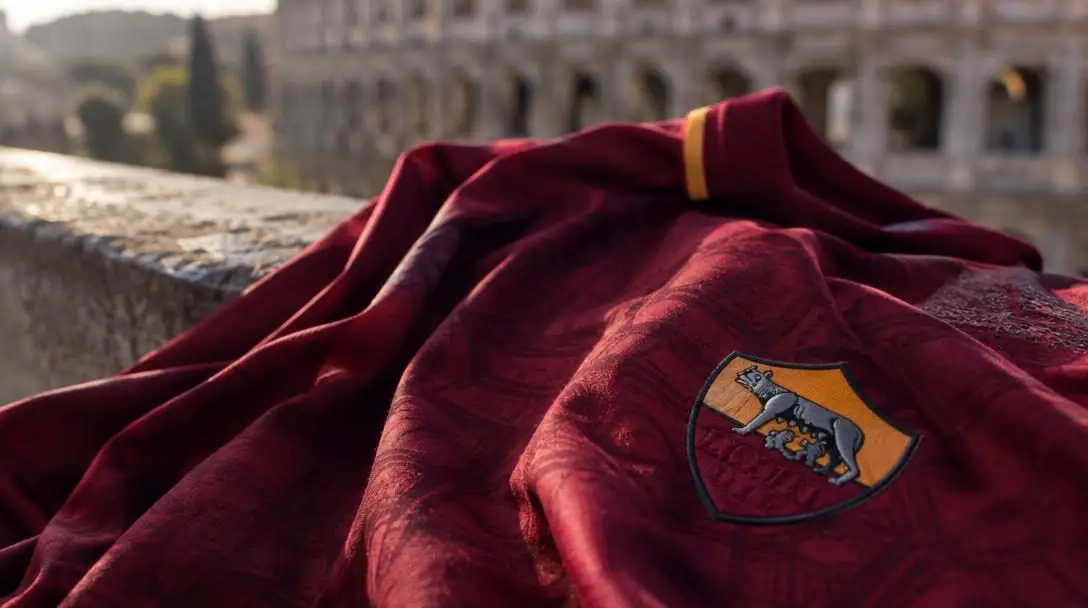
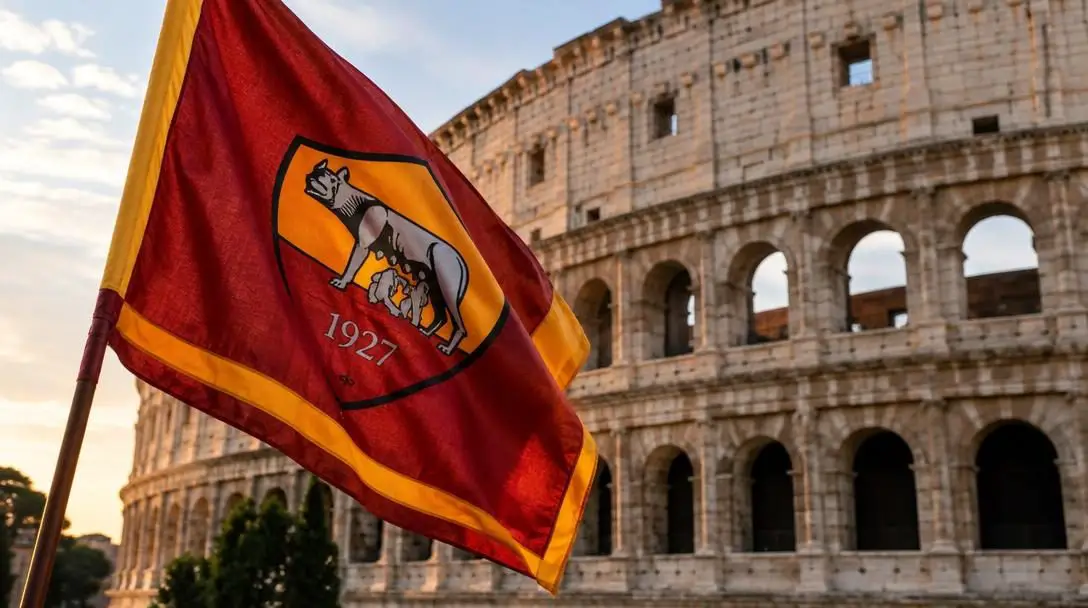
The visual identity of AS Roma is instantly recognizable for its portrayal of an adult female wolf suckling two human infants. To international observers unfamiliar with classical Roman mythology, this iconography can seem unusual for an athletic club. The emblem is drawn directly from the historic Capitoline Wolf sculpture, a central artistic tribute to the legend of Romulus and Remus. According to ancient lore, the twin brothers were abandoned, nurtured by a maternal she-wolf, and eventually founded the city of Rome.
While the mythological founding celebrated in classical lore occurred over 14,000 years ago in legendary retellings, the crest explicitly displays the modern year 1927, grounding the ancient imagery in the athletic club's actual twentieth-century formation. The team uses the official municipal colors of Rome, tying the organization directly to the civic traditions of the capital city.
Italo Foschi
- Role: Architect of the 1927 club merger
- Merged Entities: Roman FC, SS Alba-Audace, Fortitudo-Pro Roma SGS
- Political Affiliation: Official within Benito Mussolini's regime
- Lifespan Milestone: Died after collapsing in matchday stands past age 65
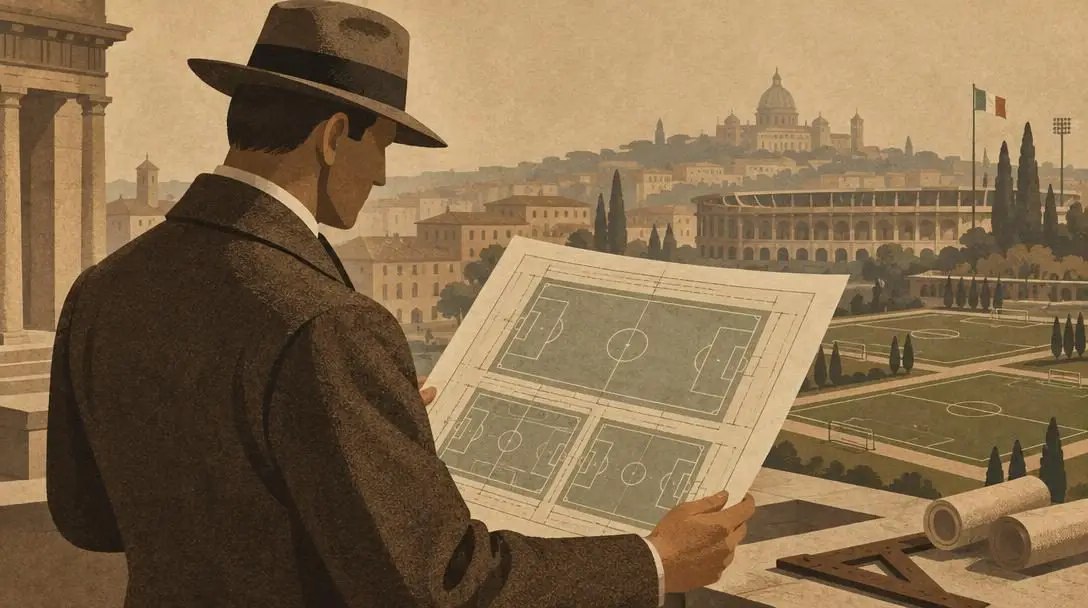
Unlike modern sports franchises awarded through conventional league expansion, AS Roma was forged through political consolidation. The club was established in the summer of 1927 by merging three existing football setups: Roman FC, SS Alba-Audace, and Fortitudo-Pro Roma SGS. The mastermind behind this consolidation was Italo Foschi, a prominent administrative official within Benito Mussolini's regime in Rome.
Foschi's overriding goal was to pool the athletic talent and financial resources of the capital city into a single formidable competitor. At the time, Italian football was heavily controlled by wealthy clubs located in Northern industrial centers. Foschi survived World War II and remained an ardent football patron throughout his later years. He lived just past his 65th birthday, ultimately passing away after collapsing directly in the stadium stands while watching a live match.
The 1960s Financial Crisis
- Root Causes: Front-office corruption and subsequent relegation
- Manager in Charge: Juan Carlos Lorenzo
- Survival Method: Direct fundraising by passionate supporters
- Eventual Outcome: Financial stabilization leading into a prosperous 1970s
Modern supporters associate top-flight football with broadcast revenues and institutional wealth, but AS Roma spent portions of its twentieth-century existence on the verge of bankruptcy. Following an era of competitive success in the 1950s, the front office became embroiled in administrative corruption that triggered on-field relegation and financial ruin. By the 1960s, the club's debt left management unable to meet basic operational commitments.
The situation deteriorated to the point where player salaries went unpaid. Club manager Juan Carlos Lorenzo candidly revealed that the team lacked sufficient liquidity even to cover travel fares for scheduled away fixtures. Rather than letting the institution collapse, the club's fan base organized an emergency financial intervention. Supporters contributed their personal funds directly into collection drives, keeping the squad solvent and laying the groundwork for competitive resurgence during the 1970s.
Faced with complete financial ruin in the 1960s, it was the personal financial contributions of everyday supporters that prevented the club from folding entirely.
Stadio Olimpico
- Initial Groundbreaking: 1901 (formal construction began 1927)
- Original Name: Stadio dei Cipressi
- AS Roma Tenancy Began: 1953
- Major Tournaments: 1960 Summer Olympics and 1990 FIFA World Cup
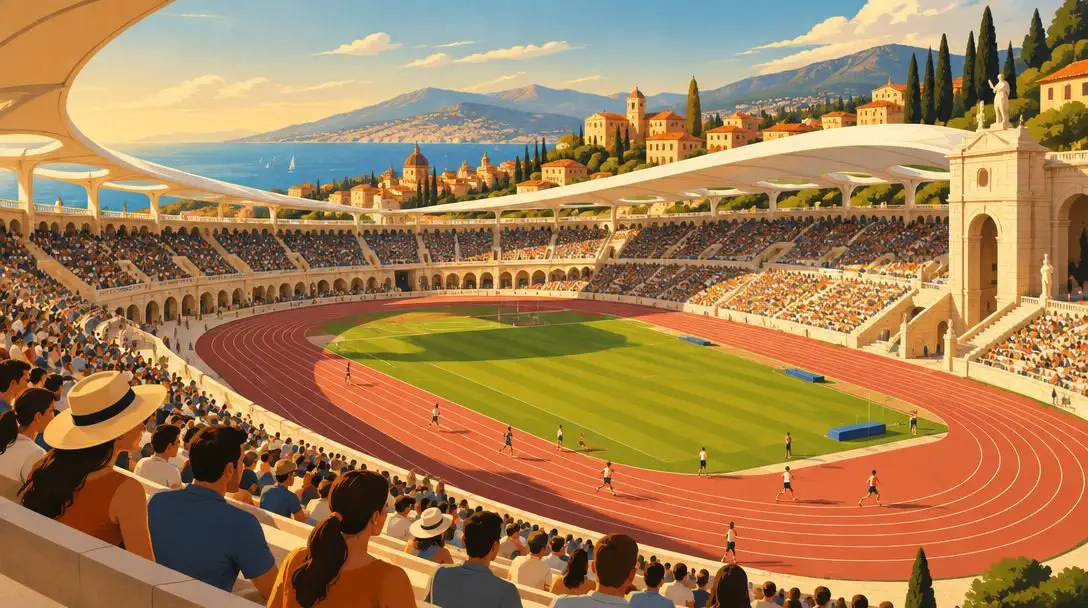
AS Roma has competed at Stadio Olimpico since 1953, but the ground has an intricate construction history pre-dating the club's residency. Initial ground was broken at the site in 1901, though structural engineering did not commence in earnest until 1927 within the Mussolini Forum complex. When finished in 1932, the venue was initially designated as Stadio dei Cipressi.
Subsequent expansion plans stalled during World War II, when wartime activities caused severe damage that rendered the complex temporarily unusable. Extensive post-war renovations allowed both AS Roma and neighboring SS Lazio to become co-tenants in 1953. When Rome hosted the 1960 Summer Olympics, the venue officially took the name Stadio Olimpico. The facility was upgraded again for the 1990 World Cup, during which an expansive all-seater roof system was installed.
The 1929 Cremonese Fixture
- Date: October 13, 1929
- Final Scoreline: 9-0 victory over Cremonese
- Hat Trick Scorers: Luigi Ossoinak and Rodolfo Volk
- Additional Scorers: Arturo Chini Luduena, F. Bernardini, Oreste Benatti
AS Roma's match record books contain striking performance margins. The club's heaviest competitive defeats occurred in matching 1-7 losses, first against Juventus in 1932 and later against Torino in 1947. Conversely, the team's greatest domestic triumph came on October 13, 1929, when Roma recorded a commanding 9-0 victory against a now-defunct Cremonese outfit.
The rout started swiftly when forward Arturo Chini Luduena found the net in the seventh minute. Over the ensuing 42 minutes of continuous pressure, teammates Luigi Ossoinak and Rodolfo Volk scored two goals apiece. Both Ossoinak and Volk secured their respective hat tricks during the second half, while F. Bernardini and Oreste Benatti scored individual goals to seal the nine-goal triumph.
How historical awareness shapes modern supporter culture
Understanding the historical forces that forged AS Roma transforms how modern matches, rivalries, and institutional controversies are interpreted. A club's sporting heritage provides context for its present culture:
- Visual branding and merchandising: Modern kits, alternate strips, and club marketing draw upon the municipal color scheme and the Capitoline Wolf iconography established at the club's 1927 birth.
- Supporter activism: When modern fans challenge management decisions or organize collective initiatives, they act with the institutional knowledge that fan contributions directly prevented the club's liquidation in the 1960s.
- Regional football rivalries: The competitive tension between Rome and northern industrial powerhouses remains rooted in Italo Foschi's initial mission to challenge the dominance of Milanese and Piedmontese clubs.
- Stadium sentiment: Knowing that Stadio Olimpico evolved from Stadio dei Cipressi and survived World War II gives match attendees a richer appreciation for the venue's cultural significance.
Step-by-step guide to researching AS Roma's heritage
For sports historians and enthusiasts seeking to explore AS Roma's past through primary records and athletic archives, the following research sequence provides a structured approach:
- Examine the founding entities: Review historical documents detailing Roman FC, SS Alba-Audace, and Fortitudo-Pro Roma SGS to understand the regional and socioeconomic makeup of the squads consolidated in 1927.
- Track the architectural evolution of Stadio Olimpico: Map the engineering timeline of the stadium grounds from the 1901 groundbreaking and 1927 construction through the 1932 opening as Stadio dei Cipressi, post-war repairs, the 1960 Olympics, and the 1990 World Cup remodel.
- Analyze early competitive scorecards: Compare historical match sheets from early league fixtures, contrasting landmark performances like the 9-0 victory over Cremonese in 1929 with the 1-7 losses against Juventus (1932) and Torino (1947).
- Investigate records of the 1960s financial crisis: Consult archival press releases and public statements from manager Juan Carlos Lorenzo, alongside records documenting the grassroots fan collections that stabilized team operations.
- Decipher heraldic and civic symbolism: Study the Capitoline Wolf bronze and Roman municipal heraldry to evaluate how ancient mythology informed the team's visual emblems.
Common misconceptions regarding AS Roma's past
Simplified retellings of sports history often introduce errors into the historical narrative. When examining AS Roma's record, researchers should avoid several common mistakes:
- Assuming an independent founding: Observers frequently assume AS Roma started from scratch as an expansion team, overlooking its origin as a consolidation of three existing clubs: Roman FC, SS Alba-Audace, and Fortitudo-Pro Roma SGS.
- Misunderstanding the stadium timeline: It is often assumed that Stadio Olimpico was built solely for the 1960 Olympic Games. Construction began in 1927, the venue opened in 1932 as Stadio dei Cipressi, and AS Roma did not establish residency until 1953.
- Assuming uninterrupted economic stability: Contemporary viewers often view historical clubs as stable enterprises, overlooking the 1960s financial crisis when corruption and relegation left the squad unable to afford travel expenses.
- Confusing mythological and organizational dates: Observers occasionally confuse Rome's legendary antiquity (dated more than 14,000 years ago in mythological lore) with the founding of the football team, ignoring the 1927 date printed on the badge.
- Ignoring historic margin defeats: Supporters often celebrate high-scoring games like the 9-0 Cremonese win while forgetting matching 1-7 defeats to Juventus in 1932 and Torino in 1947.
Promising areas for further historical study
For those interested in the broader context of mid-twentieth-century European sports, studying AS Roma's history opens several productive avenues of investigation:
- Pre-war Italian football dynamics: Evaluating northern dominance during the 1920s and 1930s illuminates why capital administrators pushed to create a single consolidated club.
- The 1970s sporting recovery: Researching the aftermath of the fan-led fundraisers in the mid-1960s helps explain how those preservation efforts set up the club's successful 1970s campaigns.
- Twentieth-century venue architecture: Examining the architectural transformation of Stadio dei Cipressi into a roofed international venue for the 1990 World Cup illustrates the modernization of multi-purpose grounds.
- Early league opponents: Tracking historical clubs from early fixture lists, such as the now-defunct Cremonese side from the 1929 blowout, sheds light on the broader consolidation of professional Italian football.
Frequently asked questions
Which teams were merged to establish AS Roma in 1927?
AS Roma was created through the merger of three Roman clubs: Roman FC, SS Alba-Audace, and Fortitudo-Pro Roma SGS. The consolidation was spearheaded by Italo Foschi to build a competitive club for the capital city.
Why is a wolf featured on the official AS Roma crest?
The crest depicts the Capitoline Wolf nursing Romulus and Remus. According to ancient mythology, the twin brothers were saved by a she-wolf and later went on to found Rome, making the animal a timeless symbol of the city.
When did AS Roma start playing matches at Stadio Olimpico?
AS Roma moved into the venue as a primary tenant in 1953 alongside Lazio. The ground originally opened in 1932 under the name Stadio dei Cipressi and was later renamed Stadio Olimpico following the 1960 Summer Olympic Games.
How did supporters save AS Roma during its 1960s financial crisis?
Following administrative corruption and relegation, the club lacked the funds to pay players or cover basic match travel under manager Juan Carlos Lorenzo. Supporters organized grassroots collection efforts, donating their own money to fund operations and keep the club afloat.
What are AS Roma's highest victory and worst defeat margins?
AS Roma's record victory was a 9-0 triumph over Cremonese on October 13, 1929. The club's heaviest defeats were matching 1-7 losses against Juventus in 1932 and Torino in 1947.
The bottom line
AS Roma's standing in world football is the product of political resolve, cultural identity, and persistent grassroots commitment. From the tri-club merger orchestrated by Italo Foschi in 1927 to the loyal fan collections that averted financial liquidation in the 1960s, the club's identity has continually been reinforced through adversity. For casual observers and dedicated followers alike, studying these foundational events offers an essential appreciation for every match played inside Stadio Olimpico today.