5 Top Supplements for Cardiovascular Health and Longevity
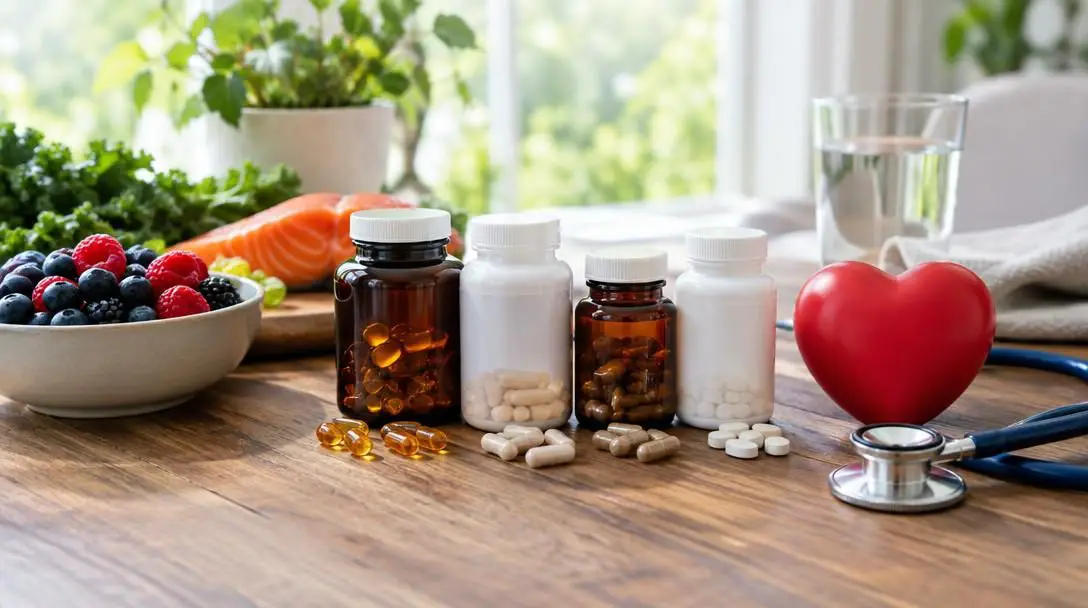
Cardiovascular wellness serves as the fundamental cornerstone of whole-body health and long-term vitality. Day in and day out, the heart and its extensive vascular network work without interruption, delivering oxygen, clean fuel, and life-sustaining nutrients to trillions of cells while diligently clearing metabolic byproducts. Because modern living places unprecedented physical and mental demands on the human frame, taking proactive, protective measures to support this intricate circulatory network is one of the most consequential decisions anyone can make for their future health span.
Despite significant advancements in clinical care, heart disease persists as the primary cause of mortality across the globe, claiming roughly 610,000 lives every single year within the United States alone. Fortunately, this trajectory is not inevitable. Everyday lifestyle habits hold profound power to alter cardiovascular outcomes. Physical activity, restorative sleep, balanced nutrition, and the deliberate avoidance of tobacco and excessive alcohol form the bedrock of heart defense. Yet, intensive agricultural practices, nutrient-depleted soils, unrelenting daily stress, and demanding schedules frequently make it difficult to obtain every critical cardioprotective micronutrient exclusively from dining plates. In this context, targeted nutritional supplementation offers a reliable bridge to keep the cardiovascular system operating at peak performance.
Key takeaways
- Cardiovascular disease remains the leading cause of mortality worldwide, responsible for roughly 610,000 deaths annually in the United States.
- Core lifestyle factors like regular exercise and restorative rest provide the foundation of heart health, but modern soil depletion and processed foods create nutritional gaps.
- Five evidence-based supplements—omega-3 fatty acids, CoQ10, magnesium, garlic, and vitamin D—target arterial flexibility, cellular energy, and rhythm stability.
- Fat-soluble nutrients require dietary fats during meals for optimal absorption, while gradual introduction helps monitor personal tolerance.
- Consulting a qualified healthcare provider is essential before starting any new regimen, especially for individuals taking blood pressure or anticoagulant medications.
At a glance: Five essential heart health supplements
| Supplement | Primary Cardiovascular Role | Common Food Sources | Key Physiological Mechanism |
|---|---|---|---|
| Omega-3 Fatty Acids | Triglyceride reduction and rhythm support | Cold-water fatty fish, flaxseeds, walnuts | Incorporates into cell membranes to calm inflammation and prevent clotting |
| Coenzyme Q10 (CoQ10) | Mitochondrial energy and antioxidant defense | Organ meats, cold-water fish, whole grains | Facilitates ATP synthesis and prevents the oxidative degradation of LDL |
| Magnesium | Vascular relaxation and electrical stability | Dark leafy greens, legumes, seeds, whole grains | Acts as a natural calcium channel antagonist to ease arterial tension |
| Garlic | Blood pressure and lipid management | Fresh garlic cloves, aged garlic extract | Supplies allicin to promote nitric oxide release and arterial dilation |
| Vitamin D | Vascular tone and inflammatory regulation | Sunlight exposure, fortified foods, fatty fish | Interacts with vascular receptors to balance the renin-angiotensin system |
The top five supplements for cardiovascular longevity
A comprehensive examination of nutritional science brings five specific supplements to the forefront. Each of these compounds boasts extensive scientific validation for reinforcing cardiac resilience, optimizing arterial dynamics, and advancing lifelong vitality.
Omega-3 Fatty Acids
Omega-3 fatty acids are a specialized family of polyunsaturated fats deemed essential because the human body lacks the enzymatic machinery to synthesize them internally. Consequently, these structural fats must be consumed regularly through dietary items such as wild cold-water fatty fish, flaxseeds, and walnuts, or secured through purified, concentrated supplements. Within human physiology, omega-3 fatty acids incorporate directly into cellular membranes, imparting fluidity and structural integrity to cardiac and vascular tissues.
Substantial clinical literature confirms that maintaining robust omega-3 tissue levels significantly curbs the general risk of cardiovascular disease. These fatty acids achieve their protective effects through several concurrent actions: they temper systemic inflammatory cascades, assist in lowering elevated resting blood pressure, and help normalize blood lipid profiles by reducing elevated triglycerides. Furthermore, omega-3s play a vital preventative role against pathological blood clot formation and help insulate cardiac tissues against arrhythmias, or irregular heart rhythms. Leading health organizations frequently advocate consuming at least two servings of oily fish weekly or introducing a high-potency, third-party-verified omega-3 supplement that has undergone rigorous screening for heavy metals and oxidation.
Coenzyme Q10 (CoQ10)
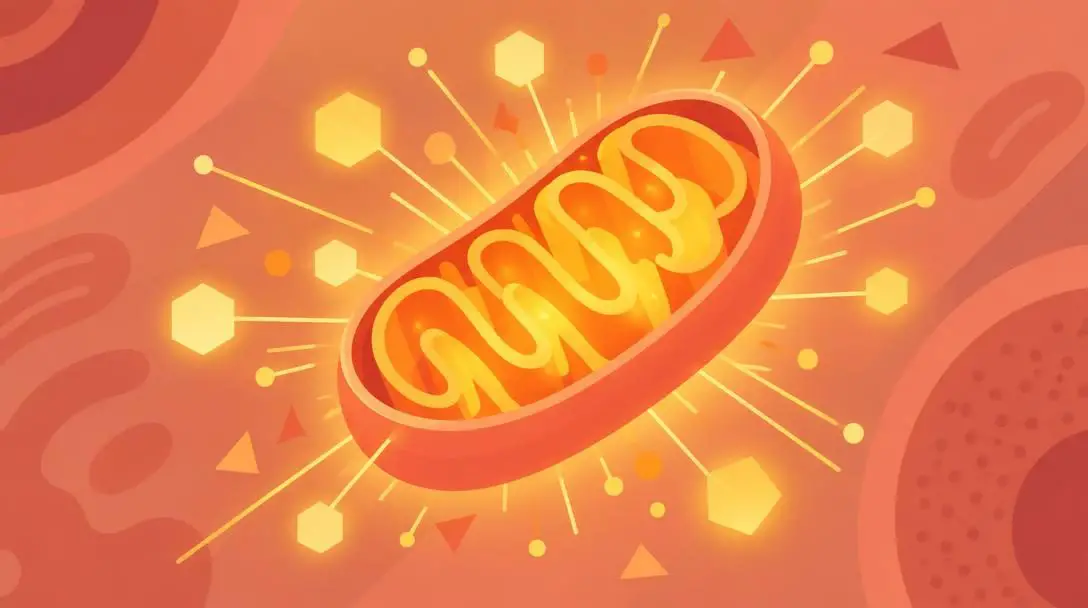
Coenzyme Q10, broadly known as CoQ10, is a potent, fat-soluble antioxidant present within the inner mitochondrial membranes of virtually every living cell in the human body. Because the heart muscle beats continuously—contracting tens of thousands of times each day without a single moment of rest—it has an extraordinarily high concentration of mitochondria and requires an uninterrupted stream of cellular energy in the form of adenosine triphosphate (ATP). CoQ10 serves as an indispensable electron carrier within this energetic synthesis process.
While the human body naturally manufactures CoQ10, internal production peaks in early adulthood and undergoes a continuous, noticeable decline as chronological age advances. Clinical investigations demonstrate that supplemental CoQ10 aids in reinforcing heart muscle contractility, combats oxidative stress, reduces systemic inflammation, and helps maintain healthy blood pressure levels. Furthermore, CoQ10 plays a critical protective role by mitigating the oxidative degradation of low-density lipoproteins, thereby inhibiting the early stages of arterial plaque formation. While minute quantities of CoQ10 can be ingested through organ meats, cold-water fish, and select whole grains, reaching clinically therapeutic concentrations solely through standard meals is exceptionally challenging, making specialized supplementation an advantageous strategy for sustained longevity.
Magnesium

Magnesium is an essential macromineral required as an enzymatic cofactor in hundreds of fundamental biochemical reactions, with cardiovascular governance ranking among its most prominent responsibilities. Within vascular smooth muscle, magnesium acts as a physiological calcium antagonist, facilitating the relaxation of arterial walls, keeping blood vessels supple and elastic, and aiding in the natural stabilization of systemic blood pressure. It also plays an irreplaceable role in stabilizing the electrical conduction system that regulates every coordinated heartbeat.
Extensive epidemiological research indicates that individuals who maintain adequate magnesium status experience a markedly reduced incidence of heart disease and debilitating strokes. Magnesium exerts this protection by lowering chronic inflammatory markers, sustaining beneficial cholesterol patterns, and directly counteracting hypertension. Additionally, because magnesium oversees the rapid transit of electrolytes across cell membranes, it serves as an indispensable natural safeguard against arrhythmias and irregular palpitations. While dark leafy vegetables, legumes, seeds, and unrefined grains are natural storehouses of magnesium, widespread dietary processing means that large segments of the population fail to achieve the recommended daily intake through food alone, making dietary supplementation a wise and accessible intervention.
Garlic
Garlic has enjoyed thousands of years of revered use across ancient medical traditions, valued for its potent restorative, antiseptic, and tonifying characteristics. Contemporary pharmacology has corroborated this historical respect, demonstrating that the therapeutic prowess of the allium family stems from unique organosulfur compounds, most notably allicin, which is formed through the enzymatic conversion of alliin when raw garlic cloves are crushed or finely minced.
Controlled clinical trials consistently indicate that garlic and its standardized extracts deliver substantial benefits for cardiovascular wellness. Standardized garlic extracts support healthy lipid metabolism by moderating serum cholesterol levels, assisting in reducing elevated systolic and diastolic blood pressure, and demonstrably decreasing long-term markers associated with heart disease and stroke vulnerability. Furthermore, garlic compounds discourage abnormal platelet aggregation, functioning as an organic defense against dangerous intravascular clots without the harsh side effects associated with pharmaceutical interventions. While whole garlic remains a culinary staple, achieving dependable therapeutic dosing typically calls for dedicated garlic supplements standardized for consistent, reliable allicin yields.
Vitamin D

Vitamin D is a fat-soluble secosteroid hormone historically recognized for its vital governance of calcium metabolism and skeletal mineralization. However, scientific inquiry has revealed that vitamin D receptors are heavily expressed throughout the cardiovascular tree, including within vascular endothelial cells, smooth muscle tissues, and the cardiomyocytes of the heart itself. As a systemic signaling agent, vitamin D directly regulates the renin-angiotensin-aldosterone system, an internal hormonal cascade that controls blood volume and arterial pressure.
Widespread clinical evidence reveals a pronounced correlation between systemic vitamin D deficiency and heightened risks for coronary artery disease, adverse cardiac events, and strokes. By dampening chronic inflammatory cytokines, improving endothelial function, and supporting vascular flexibility, sufficient vitamin D levels serve as a formidable buffer against cardiac degeneration. While human skin possesses the remarkable ability to synthesize vitamin D3 upon direct exposure to solar ultraviolet B (UVB) radiation, modern life spent predominantly indoors, coupled with high-latitude geographies and long winter months, renders seasonal or chronic deficiency commonplace. For populations with minimal midday sun exposure, high-quality vitamin D supplementation is indispensable for preserving long-term heart strength.
Targeted nutritional supplementation supplies critical micronutrients that modern agricultural depletion, indoor living, and demanding schedules frequently leave out of daily dining.
Biological mechanisms: How targeted nutrients protect the heart
Appreciating the internal biological processes through which these five supplements operate illuminates why they serve as such effective allies for cardiovascular health and extended longevity. Each nutrient intervenes at specific points along vascular and cellular pathways to maintain structural integrity and safeguard tissue health.
- Vascular relaxation and blood flow: Elemental magnesium regulates intracellular calcium influx within vascular smooth muscle, preventing arterial constriction and allowing vessels to remain wide and pliable. Garlic works synergistically alongside this mechanism by stimulating endothelial nitric oxide production, prompting blood vessels to dilate and allowing blood to circulate with reduced resistance.
- Cellular energy generation: The heart requires continuous energy production to sustain uninterrupted mechanical pumping. CoQ10 resides directly inside the mitochondrial inner membrane, functioning as an indispensable electron transport agent in the production of cellular ATP. This ensures that cardiac muscle cells possess the cellular fuel required for steady, forceful contractions.
- Mitigating chronic vascular inflammation: Smoldering, low-grade inflammatory signaling gradually compromises the delicate endothelial lining of blood vessels. Omega-3 fatty acids, vitamin D, and the sulfur compounds in garlic actively disrupt pro-inflammatory cascades, dampening chronic arterial irritation and preventing tissue degradation across the circulatory tree.
- Inhibiting plaque accumulation: Arterial plaque begins when damaged, oxidized lipids penetrate the arterial wall, attracting inflammatory immune cells and debris. CoQ10 acts as a frontline lipophilic antioxidant that helps shield circulating lipids from oxidative damage. Simultaneously, omega-3s and garlic promote favorable lipid balances, depriving atherosclerotic plaques of the primary materials needed to expand and obstruct arterial lumens.
- Maintaining rhythmic electrical stability: The coordinated contraction of cardiac chambers relies upon steady electrical conduction pathways governed by tight electrolyte concentrations. Magnesium supervises the movement of sodium, potassium, and calcium across cell membranes, neutralizing aberrant electrical discharges and preventing irregular rhythms such as arrhythmias.
- Guarding against undesirable clot formation: Blood must circulate smoothly through delicate microcapillaries without forming abrupt blockages. The active constituents found in omega-3 fatty acids and aged garlic extract reduce excessive platelet stickiness and aggregation, helping to maintain normal blood fluidity and lowering the risk of sudden thrombosis.
A practical guide to building an effective supplement protocol
Introducing a dietary supplement protocol into your daily routine is most effective when managed methodically. Rather than relying on guesswork, a structured approach ensures that you maximize physiological benefits while minimizing the potential for side effects or nutrient interactions.
- Evaluate your current dietary profile: Begin by cataloging the foods you consume during a normal week. Take clear note of how frequently your meals feature cold-water fatty fish, dark green vegetables, unrefined nuts, and allium vegetables. Establishing where your whole-food nutritional baseline falls allows you to identify precise micronutrient gaps rather than supplementing blindly.
- Consult a qualified healthcare professional: Schedule a consultation with a medical provider prior to launching any new supplement routine. This step is essential if you have pre-existing cardiovascular conditions or are currently taking prescription therapies—particularly anticoagulants, antiplatelet drugs, or antihypertensives—as natural compounds can alter pharmaceutical absorption and efficacy.
- Select tested, high-quality brands: Always choose supplement manufacturers that offer transparent, third-party laboratory verification of their finished batches. When evaluating omega-3 oils, select products tested for heavy metal purity and minimal peroxide values. When shopping for garlic supplements, ensure the bottle clearly lists a standardized concentration of allicin to guarantee active potency.
- Adopt a gradual introduction schedule: Introduce new dietary supplements one at a time, spacing each new addition by two to three weeks. This measured approach gives your digestive tract adequate time to acclimate smoothly, and it allows you to clearly identify which specific supplement is responsible if you experience positive changes or mild adverse digestive reactions.
- Time your doses with fat-containing meals: Several vital heart nutrients, including vitamin D, omega-3 fatty acids, and CoQ10, are fat-soluble compounds. Ingesting them alongside whole-food dietary fats—such as avocados, eggs, nuts, or olive oil—stimulates bile acid release and enhances gastrointestinal absorption rates significantly.
Frequently asked questions
Can dietary supplements replace prescribed cardiovascular medications?
No. Dietary supplements are intended to support physiological wellness, bridge nutritional deficiencies, and optimize cellular function. They should never be used as a substitute for prescription cardiovascular drugs such as blood pressure medications, statins, or anticoagulants without the explicit guidance of a physician.
Why is getting CoQ10 exclusively from dietary sources difficult?
Although CoQ10 is naturally present in organ meats, cold-water fish, and select whole grains, the amounts found in standard dietary servings are minimal. Achieving the therapeutic concentrations used in cardiovascular longevity studies typically requires far higher amounts than standard dining can deliver, making supplementation the most reliable route.
How does magnesium help regulate blood pressure?
Magnesium serves as a natural physiological calcium channel antagonist within vascular smooth muscle tissues. By moderating the influx of calcium into vascular cells, magnesium allows arterial walls to relax and widen, reducing peripheral resistance and easing pressure throughout the circulatory network.
Why do so many individuals suffer from vitamin D deficiency despite sunlight exposure?
While the human skin synthesizes vitamin D3 upon contact with solar UVB radiation, modern lifestyle patterns keep many individuals indoors during peak daylight hours. Additionally, living in higher latitudes, experiencing prolonged winter seasons, and regular sunscreen usage all limit the body's natural synthesis of this secosteroid hormone.
What makes third-party testing so critical for omega-3 fish oil supplements?
Fish oils are highly vulnerable to environmental contamination and environmental degradation. Rigorous third-party laboratory verification confirms that the product is free from hazardous concentrations of heavy metals such as mercury and lead, while ensuring that the delicate polyunsaturated fats have not undergone oxidation or turned rancid.
The bottom line
Cardiovascular disease remains the world's most formidable health challenge, yet everyday preventative strategies offer immense power to alter individual health trajectories. While non-negotiable fundamentals like consistent exercise, quality sleep, and nutrient-dense whole foods form the base of heart protection, targeted dietary supplementation provides the precise nutritional reinforcement needed to counter modern lifestyle stresses and dietary shortfalls.
By incorporating well-researched, high-potency compounds—specifically omega-3 fatty acids, CoQ10, magnesium, standardized garlic extracts, and vitamin D—you directly nourish the cellular machinery that drives the circulatory system. When combined with professional medical guidance, careful product selection, and consistent healthy living habits, this supplement protocol delivers an effective, science-backed framework for lifelong cardiovascular resilience and vitality.