5 Unbelievable Facts About Yoga

Undoubtedly one of the most popular forms of exercise across the globe, yoga holds the rare distinction of being one of the world's oldest continuous disciplines. Developed thousands of years ago, yoga was never conceived merely as a physical workout or a short-term fitness trend. Instead, ancient traditions shaped it as an expansive, comprehensive system created to harmonize the physical body, the breath, and human consciousness into a unified whole.
Over millennia, the discipline has traveled across continents, transitioning seamlessly from sacred historical traditions to modern gyms, specialized community studios, and digital living rooms. While contemporary culture frequently fixates on athletic flexibility or acrobatic poses, the full scope of yoga extends far deeper. Yoga is a complete lifestyle and a transformative way of living that reshapes physical vitality, mental clarity, emotional resilience, and personal purpose.
Key takeaways
- Yoga is an ancient discipline thousands of years old that functions as a holistic lifestyle rather than a simple fitness routine.
- Consistent practice delivers measurable physical benefits, including improved cardiovascular health, reduced blood pressure, joint flexibility, and calorie burning.
- By calming the nervous system, yoga directly alleviates anxiety, depression, chronic stress, and recurring sleep disturbances like insomnia.
- The integration of deliberate movement and regulated breathing provides a healthy, therapeutic outlet for discharging stored emotional trauma, anger, and tension.
- Yoga remains an adaptable, non-dogmatic framework that deepens spiritual awareness and fosters authentic self-discovery.
The Evolution of an Ancient Practice
To view yoga solely as a method for stretching tight muscles is to miss the foundational purpose that has sustained it for millennia. As one of the oldest forms of exercise worldwide, yoga emerged out of a desire to understand the human condition and foster deep, lasting harmony. Rather than isolating physical exertion from mental state, the earliest architects of the practice understood that muscular tension, mental restlessness, and emotional turmoil are deeply intertwined.
As the practice spread worldwide across diverse cultures, it evolved into multiple traditions and schools of thought, yet its core objective never wavered: achieving balance across every dimension of existence. Today, millions of practitioners step onto mats each day seeking relief from the pressures of modern life. By treating physical movement as merely one gateway into a broader journey involving personal ethics, mental stillness, and self-awareness, yoga continues to provide an enduring answer to modern stress, disconnection, and fatigue.
Yoga is far more than a physical fitness regimen; it is an enduring lifestyle designed to harmonize body, breath, and consciousness.
Five Core Facts About Yoga
Examining yoga through its comprehensive dimensions reveals why its influence extends so far beyond conventional gym workouts. Whether addressing persistent physical discomfort, navigating psychological strain, or seeking a renewed sense of purpose, practitioners experience changes that touch every aspect of life. Here are five foundational facts that explain the transformative power of this ancient art.
1. Yoga Can Help Improve Your Mental Health
Mental distress often leaves the mind trapped in relentless cycles of pressure, rumination, and chronic friction. If you struggle with conditions like anxiety or depression, yoga offers an extraordinarily effective, restorative intervention. The practice directly targets the autonomic nervous system, encouraging it to transition out of heightened fight-or-flight reactions and into states of profound physiological calm.
The intentional focus cultivated during postures gently interrupts anxious thought loops, replacing chaotic internal chatter with steady, present-moment awareness. As mental stress recedes, practitioners experience enhanced vitality, sustained daytime energy, and a noticeably brighter mood. Furthermore, this internal recalibration proves invaluable for those grappling with insomnia or poor sleep quality. By teaching the brain and body how to downshift from active tension into restorative calm before bedtime, yoga establishes the vital neurological conditions required for deep, uninterrupted rest.
2. Yoga Can Help Improve Your Physical Health
While yoga nourishes the mind, its physical effects on the human body are comprehensive and profound. Consistent practice engages virtually every physiological system simultaneously, building functional strength, dynamic balance, and refined coordination. Moving joints through expansive angles and bearing body weight across varied planes systematically increases your range of motion and helps reduce chronic musculoskeletal pain.
Crucially, the physical rewards reach deep into the cardiovascular system. The continuous union of rhythmic movement and steady, intentional respiration stimulates circulation, strengthens arterial health, and actively assists in lowering blood pressure. For individuals seeking body composition changes, yoga serves as an effective, low-impact exercise to burn calories and build lean muscle tone. It delivers a balanced, full-body conditioning experience that enhances stamina without subjecting joints to unnecessary strain.
3. Yoga Can Help You Live a More Meaningful and Fulfilling Life
Modern daily life frequently traps individuals in an automatic, reactive pattern, creating a subtle disconnect from core personal values and genuine purpose. Yoga serves as an intentional pause button, functioning as a powerful instrument for self-discovery. By creating dedicated space to step away from external demands and listen inward, the practice teaches you to become comfortable with stillness and self-reflection.
This inward orientation helps uncover an abiding sense of inner peace and personal contentment that is independent of external circumstances. Rather than pinning personal happiness to fleeting achievements or external praise, practitioners learn to anchor their fulfillment in the present moment. Over time, this perspective cultivates genuine gratitude, an optimistic outlook, and an enduring sense of meaning that radiates through everyday interactions, careers, and personal relationships.
4. Yoga Can Help You to Let Go of Negative Emotions
Emotional distress is never purely psychological; it carves physical pathways throughout the body, manifesting as tight shoulders, a clenched jaw, restricted breathing, and chronic physical armor. When emotions such as anger, resentment, jealousy, or unresolved grief are left unprocessed, they can become deeply entrenched. Yoga provides a safe, somatic release valve, making it profoundly therapeutic for individuals processing emotional trauma.
Through deliberate postural sequences and expansive breathwork, practitioners gently access and loosen stored physical holding patterns. This allows trapped emotional energy to rise to conscious awareness and dissipate naturally without judgment. Rather than reacting with reflexive anger or suppressing difficult feelings, you cultivate the capacity to sit calmly with discomfort, observe intense emotions without panic, and consciously choose to let them go.
5. Yoga Can Help You Connect with Your Spiritual Side
For those seeking a more expansive connection to themselves or looking to connect with a higher power, yoga provides a time-tested spiritual framework. It does not impose strict theological doctrines or rigid dogmatic creeds; rather, it invites individuals of any background to explore the depths of their inner consciousness and their relationship to existence.
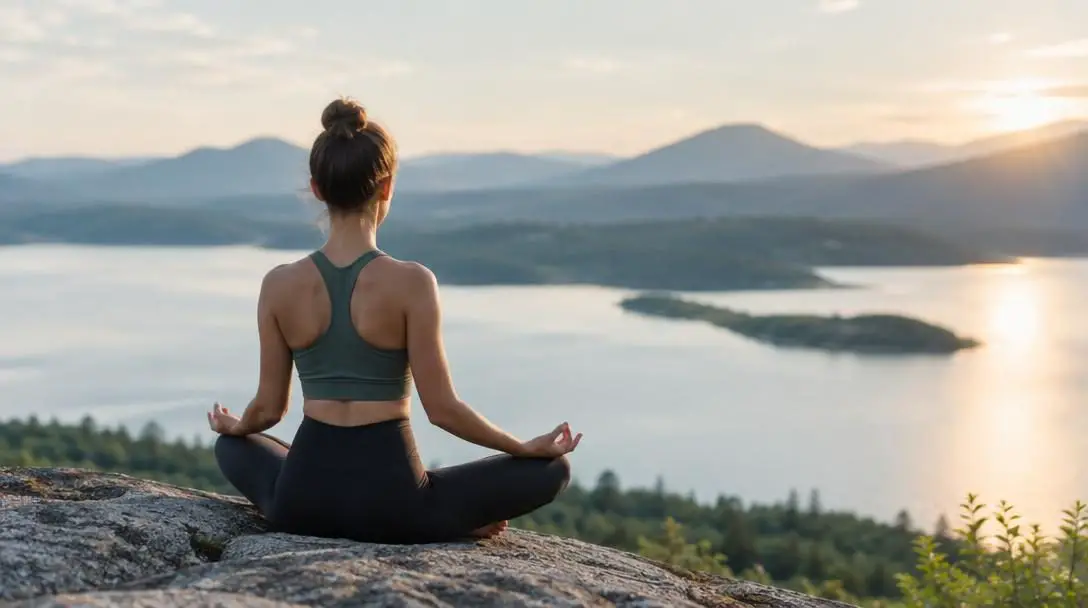
By quieting the persistent internal narrator and clearing away the debris of daily distractions, yoga unveils a space of serene clarity. Practitioners across cultures frequently describe an overwhelming sensation of unity, universal belonging, and boundless peace during extended practice. Whether experienced as an authentic alignment with one's truest self or an attunement to something transcendent, this spiritual dimension remains one of yoga's most treasured elements.
Comparing the Dimensions of Yoga
Because yoga functions as an integrated lifestyle rather than an isolated exercise, its benefits cross multiple physiological and psychological domains. The table below illustrates how different elements of the practice address specific human needs.
| Dimension | Primary Focus Area | Internal Mechanism | Core Health Outcome |
|---|---|---|---|
| Mental Health | Stress and cognitive overwhelm | Nervous system downshifts from tension to calm | Relief from anxiety, improved mood, and deeper sleep |
| Physical Health | Cardiovascular and muscular systems | Dynamic weight-bearing, varied angles, steady respiration | Increased flexibility, reduced pain, lower blood pressure |
| Emotional Balance | Stored trauma and negative reactions | Somatic release through deep movement and breath | Letting go of anger, resentment, and chronic tightness |
| Life Fulfillment | Self-awareness and perspective | Intentional stillness and present-moment connection | Cultivation of gratitude, inner peace, and daily purpose |
| Spiritual Connection | Consciousness and transcendent awareness | Quieting internal dialogue and releasing ego attachments | Experiencing universal unity and authentic selfhood |
The Three Pillars: How Yoga Unifies Body and Mind
The remarkable effectiveness of yoga across mental, physical, and spiritual realms is not accidental. It relies on the deliberate synchronization of three primary structural pillars that transform physical movement into moving meditation.
- Physical Postures: The body is positioned in deliberate alignments that challenge muscular balance, improve joint stability, and release rigid tissues. Moving smoothly into and out of these forms builds proprioception and sharpens functional body awareness.
- Regulated Breathing: Respiration is the conscious bridge linking the voluntary muscular system to the involuntary autonomic nervous system. By consciously slowing, deepening, and steadying the breath under physical exertion, you send signals of safety directly to the brain, helping reduce blood pressure and soothe anxiety.
- Focused Attention: Throughout the entire sequence, the mind is anchored firmly in the immediate present. Practitioners continuously tether their attention to physical sensations, alignment, and the rhythmic sound of breathing, effectively breaking cyclical worry and mental exhaustion.
How to Establish a Beginner Yoga Practice
Beginning yoga requires no preexisting flexibility, advanced athletic skills, or specialized background. Because the discipline is fundamentally adaptable, anyone can begin experiencing its benefits immediately by following a clear, measured approach.
- Designate a Quiet Space: Choose an uncluttered area within your home that offers sufficient space to move and remains free from household distractions, establishing a predictable environment for self-reflection.
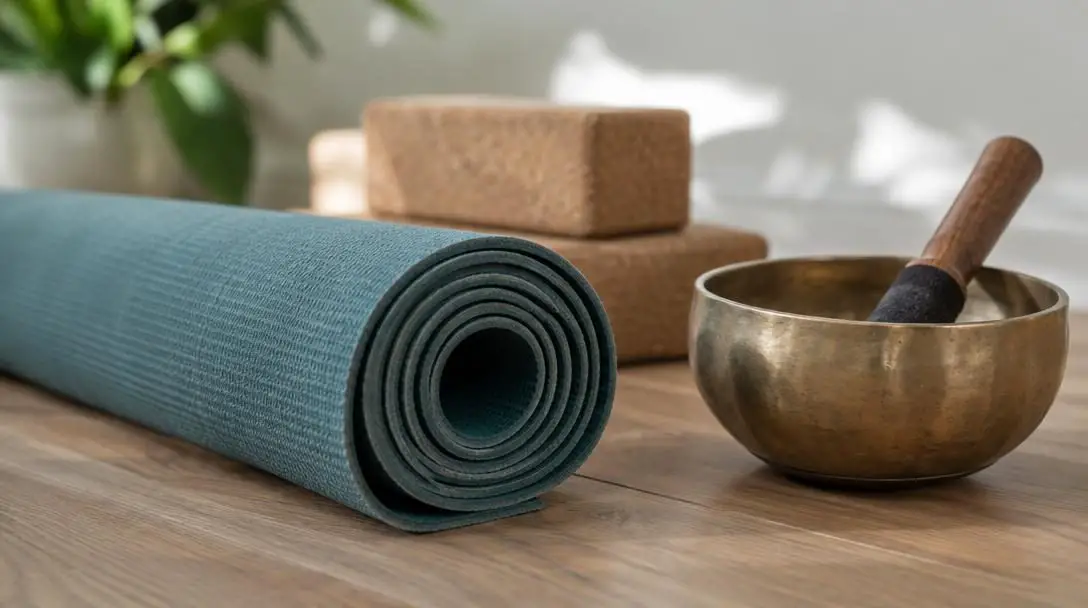
- Gather Basic Equipment: Set yourself up with comfortable, unrestrictive clothing and a simple, non-slip yoga mat that provides stable traction and necessary cushioning for your joints.
- Start with Short Sessions: Rather than attempting exhausting sixty-minute routines, begin with focused practices lasting between ten and twenty minutes. Consistency is far more impactful for retraining your nervous system than sporadic, prolonged efforts.
- Focus on Simple Poses: Concentrate on foundational postures that emphasize natural spinal alignment, gentle muscular lengthening, and baseline stability, prioritizing comfort over extreme shapes.
- Maintain Breath Awareness: Keep your inhales and exhales continuous, smooth, and unobstructed. If you find your breath becoming strained or held, gently back out of the posture until rhythmic breathing returns.
- Conclude with Rest: Never rush off the mat. Spend your final several minutes lying flat in quiet stillness to allow your heart rate to normalize, integrate physical effort, and absorb inner calm.
Common Missteps to Avoid on the Mat
Because modern media often misrepresents yoga as a performance of extreme contortion, beginners frequently stumble into counterproductive habits. Watching out for these common errors ensures your time on the mat remains protective, therapeutic, and rewarding.
- Pushing Through Pain: Authentic yoga is meant to decrease physical suffering, not generate new injuries. You should learn to distinguish between the healthy warmth of working muscle tissue and sharp, stabbing joint discomfort.
- Holding Your Breath: In difficult balancing postures, beginners often unconsciously hold their breath. This reaction instantly triggers neurological panic, elevating blood pressure and defeating the calming intent of the practice.
- Comparing Yourself to Others: Human skeletons, bone structures, and joint capsules differ dramatically. Yoga is an inward discipline of self-discovery, not a comparative sport; honor the sensations of your own body.
- Viewing Yoga as Purely Physical: Approaching the practice solely as a tool for burning calories strips away its greatest gifts, including emotional decompression, stress mitigation, and spiritual perspective.
- Skipping the Final Rest: Abruptly leaving practice without a concluding resting phase denies your parasympathetic nervous system the necessary window to lock in the restorative gains of the session.
Frequently asked questions
Do I need to be naturally flexible to start practicing yoga?
No, natural flexibility is not a requirement to begin yoga. Postures are easily modified to match any current range of motion, and consistent practice will gradually improve your flexibility, coordination, and strength over time.
How can yoga help with insomnia and chronic sleep issues?
Yoga helps relieve sleep issues by downshifting your nervous system away from active stress into a parasympathetic state of calm. This physiological transition lowers heart rate and blood pressure, preparing the mind and body for restorative rest.
Can yoga support weight loss and physical fitness goals?
Yes, dynamic yoga routines provide an active full-body workout that burns calories, enhances muscular endurance, and tones the body. Additionally, the practice supports cardiovascular health while being adaptable to all fitness levels.
How does yoga assist in releasing negative emotions like anger?
Emotional distress often manifests physically as chronic muscular tension and restricted breathing. Yoga combines intentional movement with steady breath awareness, allowing pent-up physical tightness and suppressed emotional trauma to safely surface and disperse.
How long should a beginner's yoga session last?
Beginners should start with manageable sessions lasting between ten and twenty minutes. Short, frequent sessions are far more effective for conditioning the body and calming the nervous system than infrequent, lengthy workouts.
The Bottom Line
Yoga has endured for thousands of years not because it is an exotic novelty, but because it provides an effective, time-tested approach to living well. By addressing the physical body, the mental state, and the emotional core as an inseparable unit, this ancient practice offers real solutions for modern anxiety, physical pain, and emotional exhaustion.
Whether your goal is to reduce chronic pain, lower blood pressure, let go of persistent anger, or establish a deep sense of spiritual peace, the pathway begins with simple, intentional steps. Stepping onto the mat for just a few minutes each day offers a transformative opportunity to quiet internal turmoil, build physical resilience, and cultivate an enduring, meaningful life.