5 Ways to Prevent Falls in Seniors and Maintain Independence
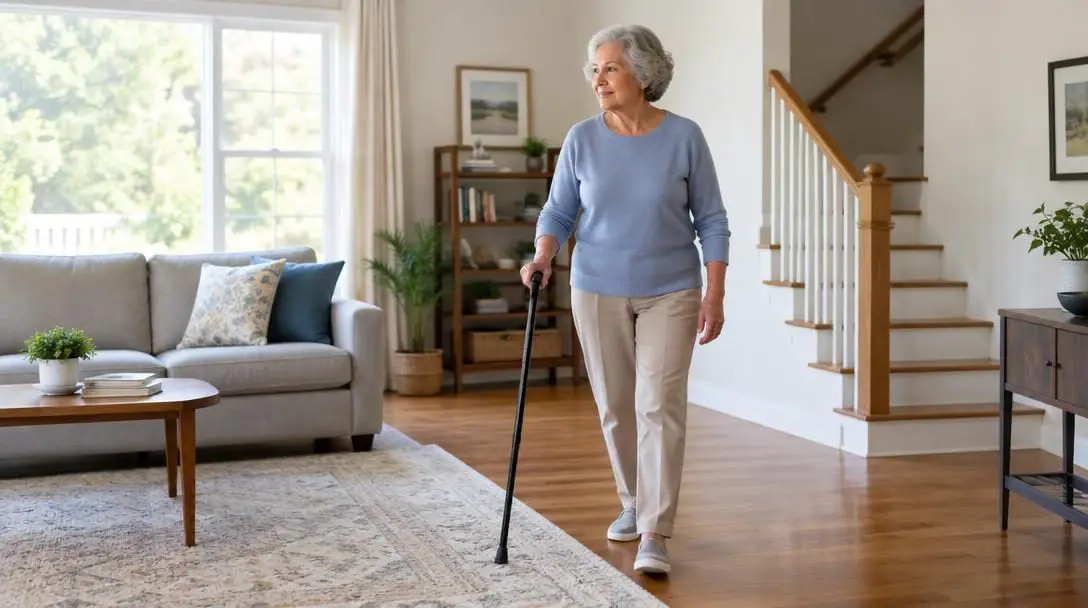
Aging naturally brings changes to the human body, but experiencing a debilitating fall is not an inevitable milestone of later life. According to data from the Centers for Disease Control and Prevention (CDC), approximately one out of four older adults experiences a fall each year across the United States. Despite these significant statistics, falling should never be accepted as an unavoidable reality. A fall is almost always the consequence of identifiable, interacting factors, ranging from declining physical strength and subtle sensory deficits to everyday hazards scattered across the home environment.
The ramifications of falling extend far beyond momentary discomfort. An unexpected tumble can lead to severe, life-altering injuries, including debilitating hip fractures, traumatic head injuries, and even death. In addition to physical trauma, falls frequently leave deep emotional scars. Many older adults harbor a profound fear of losing their independence. Following a fall or a close call, this fear often manifests as hesitation, leading individuals to withdraw from daily routines, avoid favorite hobbies, and spend more time sitting down. Ironically, this self-imposed inactivity accelerates muscle deterioration and loss of balance, creating a vicious cycle that increases the risk of future accidents.
Key takeaways
- Approximately one in four older adults falls each year in the United States, but falls are preventable events rather than inevitable parts of aging.
- Primary fall risks stem from interacting internal factors like muscle loss and sensory decline combined with external household hazards.
- Targeted physical activities such as tai chi, water aerobics, and chair exercises help preserve balance, core strength, and quick reflexes.
- Routine medication reviews and regular eye and hearing examinations address physiological balance issues before they cause accidents.
- Restricting movement after a slip or near-miss accelerates physical weakness and significantly heightens future fall risks.
Understanding the Underlying Causes of Falls
Effective fall prevention begins with a clear examination of how and why these incidents occur. Falls rarely happen in a vacuum; they typically arise when multiple physical, pharmacological, and environmental vulnerabilities converge at an unexpected moment. Addressing both internal bodily factors and external living conditions builds multiple layers of defense.
A fall is rarely an isolated accident; it is almost always the result of converging physical vulnerabilities and everyday environmental hazards.
Internal vulnerabilities often develop gradually, meaning older adults may not notice changes in their physical baseline until an incident occurs. For instance, the natural loss of muscle mass diminishes coordination and core stability. When muscles in the hips, legs, and torso weaken, recovering balance after a misstep becomes far more difficult. At the same time, prescription drugs can introduce dizziness, drowsiness, or sudden blood pressure drops, particularly when multiple medications interact. Compounding these physiological shifts, age-related vision and hearing degradation deprives the brain of vital spatial data needed to navigate uneven terrain.
External hazards transform these physical vulnerabilities into active emergencies. A home that once felt completely safe can turn treacherous if it contains loose throw rugs, cluttered pathways, dimly lit stairwells, or slick tile transitions. By systematically categorizing these risks, seniors and their caregivers can target interventions where they matter most.
| Risk Factor | Primary Mechanism | Warning Signs | Targeted Intervention |
|---|---|---|---|
| Muscle Weakness | Loss of lower-body and core stability slows postural recovery after tripping. | Difficulty rising from a chair, unsteady gait, fatigue during short walks. | Balance drills, chair exercises, and resistance training. |
| Medication Interactions | Pharmaceutical side effects induce lightheadedness, confusion, or orthostatic hypotension. | Dizziness when standing, morning grogginess, slowed physical reactions. | Comprehensive annual pharmacist or physician drug regimen reviews. |
| Sensory Degradation | Reduced visual acuity and spatial hearing impair environmental hazard detection. | Squinting, bumping into doorways, missing auditory distance cues. | Annual eye exams, updated prescription lenses, and hearing aid fittings. |
| Household Hazards | Physical obstacles interrupt footing and produce unexpected trips or slips. | Catching toes on rug edges, navigating in darkness, slipping on tile. | Clearing walkways, securing throw rugs, and installing grab bars. |
Five Practical Ways to Prevent Falls
Taking intentional precautions across personal health routines and home surroundings dramatically reduces the likelihood of experiencing an injury. Below are five practical, proven ways to minimize fall risks and preserve physical autonomy.
1. Address Health Factors and Work with Healthcare Providers
Taking control of personal health is a cornerstone of fall prevention. Seniors must cultivate an open, ongoing partnership with their medical team. Scheduling regular appointments allows physicians and pharmacists to conduct comprehensive reviews of all current prescriptions, over-the-counter medications, and dietary supplements. Medical professionals can evaluate potential drug interactions that trigger sudden lightheadedness, unsteadiness, or drowsiness, adjusting dosages or prescribing safer alternatives whenever necessary.
Equally critical is the maintenance of sensory health. Vision and hearing both play vital roles in how the brain navigates physical environments. Scheduling comprehensive annual examinations ensures that subtle changes in eyesight—such as cataracts, glaucoma, or shifting optical prescriptions—are identified and corrected early. Similarly, maintaining optimal hearing helps seniors remain attuned to spatial cues and ambient sounds that signal immediate surroundings, reinforcing physical stability.
2. Keep Seniors Active Through Targeted Exercise
Consistent physical activity represents one of the most effective defenses against balance degradation. Regular exercise strengthens core stabilizing muscles, enhances joint flexibility, and refines motor coordination. When older adults preserve their physical conditioning, their reflexes remain sharp, allowing them to quickly regain stability if their footing slips. Even individuals dealing with joint pain, arthritis, or limited mobility can engage in safe, low-impact exercise programs.
Several low-impact exercise routines provide exceptional benefits for older adults:
- Chair exercises: Seated physical movements allow individuals to build core and upper-body strength without the risk of toppling or losing equilibrium.
- Swimming and water aerobics: Water provides soothing buoyancy that protects sensitive joints from high-impact stress while offering natural resistance to build muscular endurance.
- Tai chi: This ancient mind-body practice focuses on slow, flowing movements, controlled breathing, deliberate weight shifts, and structural alignment, making it uniquely suited for balance improvement.
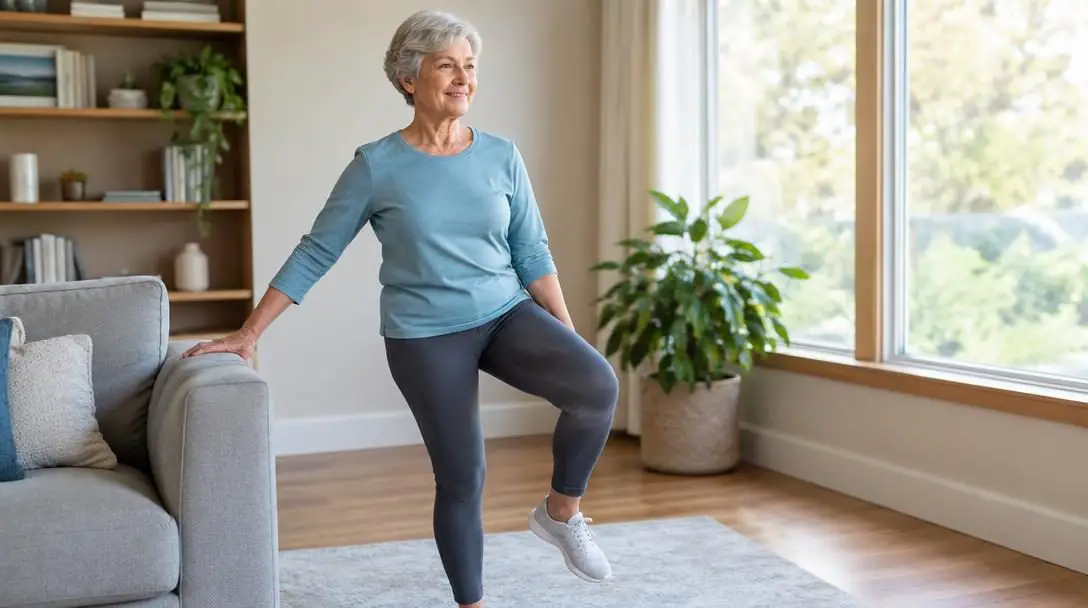
In addition to organized classes, simple home-based strength and balance training can yield substantial benefits. Practicing heel raises while holding onto a sturdy countertop or practicing standing on one foot for brief intervals stimulates the stabilizing muscles of the ankles and calves. Performing these fundamental movements consistently preserves the neuromuscular pathways necessary for everyday walking confidence.
3. Create a Safe Home Environment
Statistically, a significant portion of falls occur within the familiar confines of the home. As individuals grow comfortable in their living spaces, they often overlook gradual accumulations of clutter or structural barriers that present genuine dangers. Adapting the home layout to support unhindered, fluid movement is essential for lasting safety.
Securing the home environment involves targeted physical adjustments across every room:
- Remove tripping hazards: Eliminate decorative throw rugs, clear clutter from floors, and tuck electrical cords neatly along walls and out of primary walkways.
- Install grab bars and handrails: Securely anchor heavy-duty grab bars inside showers, around bathtubs, and beside toilets. Ensure that stairways feature solid, continuous handrails on both sides from top to bottom.
- Ensure proper lighting: Bright, even illumination helps individuals identify changes in floor level and spot obstacles. Place nightlights in hallways, bedrooms, and bathrooms, or install motion-sensor fixtures to illuminate dark pathways automatically.
- Implement night safety measures: Frequent nighttime trips to the bathroom present elevated risks due to grogginess and dim lighting. Placing a bedside commode or urinal nearby limits the need for disoriented nighttime journeys across the house.
4. Wear Proper Footwear
The shoes an individual wears establish their primary connection with the ground, directly influencing posture, balance, and traction. Inappropriate or poorly fitting footwear is an underappreciated contributor to slips and stumbles in older adults. Seniors must prioritize structural support and stability over convenience or fashion trends.
Safe footwear choices feature firm, supportive heel counters, cushioned insoles, and non-slip rubber outsoles that offer strong traction on hardwood, tile, and linoleum floors. Conversely, hazardous options—such as high heels, floppy flip-flops, backless slip-ons, and smooth-soled house slippers—must be avoided. Footwear that lacks a secure heel strap or slides loosely against the foot can easily detach, fold over, or catch on thresholds, precipitating a dangerous loss of balance.
5. Encourage Socialization and Community Engagement
Physical wellness and emotional health are deeply intertwined. When older adults experience social isolation, the resulting feelings of loneliness, anxiety, and depression can accelerate physical decline. Isolated seniors often become increasingly sedentary, lose enthusiasm for personal wellness, and experience cognitive decline that degrades spatial awareness and reaction times.
Conversely, seniors who maintain active social lives demonstrate greater motivation to remain active, mobile, and engaged with their personal health. Participating in local community centers, joining senior fitness classes, volunteering, or attending social clubs provides both mental stimulation and physical movement. Interacting regularly with friends and peers encourages older adults to leave their homes, maintain their mobility, and build supportive networks that help them stay accountable to their wellness goals.
Step-by-Step Practical Implementation
Transitioning from general safety recommendations to an organized routine is easiest when broken down into clear, sequential milestones. Seniors, family members, and caregivers can follow this methodical checklist to execute fall prevention strategies effectively:
- Conduct a comprehensive home walk-through: Inspect every room, starting with the front entryway, continuing through hallways, and carefully auditing high-risk areas like the bathroom, kitchen, and stairwells. Look specifically for loose rugs, trailing cords, burned-out lightbulbs, and slippery flooring.
- Prepare a medication list: Gather all prescription drugs, over-the-counter medications, vitamins, and herbal supplements. Document names, exact dosages, and schedules, bringing this inventory to the next healthcare appointment for a professional evaluation focused on drowsiness or blood pressure drops.
- Schedule sensory checkups: Book annual appointments with an optometrist and an audiologist. Ensure that corrective lenses reflect current vision needs and that hearing aids are properly fitted and operating without interference.
- Establish a daily movement routine: Dedicate ten to fifteen minutes every day to foundational balance and mobility exercises. Simple routines, such as practicing single-leg stands near a kitchen counter or executing controlled heel-to-toe raises, fortify key muscle groups.
- Inspect daily footwear: Audit all shoes, athletic sneakers, and indoor slippers. Discard worn-out footwear that has lost its tread or structural integrity, replacing them with well-fitted, closed-heel shoes featuring non-skid rubber soles.
- Build a social schedule: Research neighborhood senior centers, community classes, walking groups, or volunteer opportunities. Commit to at least one or two recurring weekly social events to ensure regular movement and active human connection.
Common Fall Prevention Mistakes to Avoid
In the effort to maintain autonomy, seniors and their loved ones frequently adopt well-intentioned habits that unintentionally compromise physical safety. Recognizing and correcting these common misconceptions is essential for preventing unnecessary accidents:
- Relying on furniture for balance: Using coffee tables, chairs, or doorframes to steady oneself while walking across a room—a behavior known as "furniture walking"—is inherently dangerous. Unanchored furniture can easily slide, tilt, or collapse under sudden downward force. Dedicated, wall-anchored grab bars and evaluated mobility aids should be used instead.
- Assuming all indoor footwear is safe: Walking around the home in socks, stockings, or smooth-bottomed house slippers invites disaster. Hardwood and polished tile surfaces offer minimal traction, turning simple turns into severe slip hazards. Proper indoor footwear must always have textured, slip-resistant soles.
- Stopping exercise after a near-miss: Following a stumble or minor slip, the immediate emotional reaction is often to restrict movement out of fear. However, adopting a sedentary lifestyle causes rapid muscle atrophy, worsening joint stiffness and significantly increasing the statistical likelihood of an actual fall in the near future.
- Ignoring minor medication side effects: Dismissing brief spells of morning lightheadedness, occasional balance shifts, or grogginess as normal facets of aging is a critical error. These subtle reactions often indicate improper dosages or adverse drug interactions that a physician can readily address.
- Overlooking lighting transitions: Installing a high-wattage lamp in a bedroom while leaving an adjoining corridor dark creates extreme optical contrast. Aging eyes require time to adjust between bright light and shadow; traversing abrupt transitions can temporarily blind an individual to floor obstacles.
Maintaining Safety Over the Long Term
Establishing an initial fall prevention plan is a vital milestone, but maintaining personal safety is an evolving process. Physical strength, vision acuity, cognitive processing, and prescription regimens inevitably change over time. Consequently, safety strategies must be periodically revisited to ensure they match current physical capabilities.
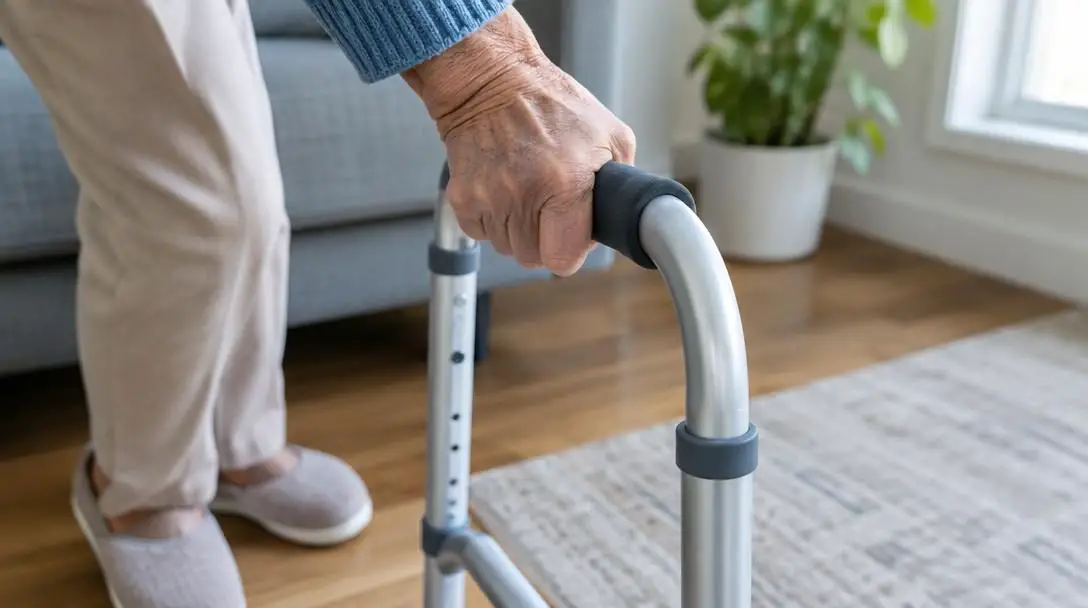
Establish a recurring seasonal review for home safety and physical routines. A home setup that worked well six months ago may need updates if new medical equipment, like a walker or cane, is introduced, or if an individual's mobility shifts. Regularly test the stability of bathroom grab bars, replace nightlight bulbs before they burn out, and re-evaluate physical therapy exercises with a medical professional to ensure they continue to challenge stabilizing muscles safely.
Frequently asked questions
How common are falls among older adults in the United States?
According to data from the Centers for Disease Control and Prevention (CDC), approximately one out of four older adults experiences a fall each year across the United States. Despite this high prevalence, falls should not be viewed as an inevitable consequence of aging.
Why does fear of falling increase the chance of another fall?
After a fall or near-miss, fear often causes older adults to restrict their physical activity and avoid daily tasks. This self-imposed sedentary behavior leads to rapid muscle atrophy, reduced joint flexibility, and poorer balance, which paradoxically increases the likelihood of suffering a future fall.
What are the best types of exercise for senior balance?
Low-impact activities that focus on core strength, weight shifting, and lower-body stability are ideal. Proven options include tai chi, water aerobics, swimming, chair exercises, and simple home drills like heel raises and single-leg balancing while holding a counter.
What features should I look for in safe footwear for seniors?
Safe shoes should have a firm, supportive heel counter, cushioned non-slip rubber soles, and an enclosed design. Backless slip-ons, flip-flops, high heels, and smooth-soled slippers should be avoided because they easily slip off or fail to grip smooth flooring.
How can medications contribute to fall risk?
Certain medications or complex drug combinations can cause side effects such as drowsiness, impaired reaction times, cognitive confusion, or sudden drops in blood pressure (orthostatic hypotension), all of which compromise physical stability.
The bottom line
Maintaining independence during later life does not require accepting falls as an unavoidable reality. By systematically identifying environmental hazards, engaging in targeted strength and balance exercises, auditing medication regimens, and choosing supportive footwear, older adults can protect their physical autonomy. A proactive, well-rounded approach ensures that safety and self-reliance remain firmly within reach.