5 Ways to Stay Active and Fit While Working a Desk Job
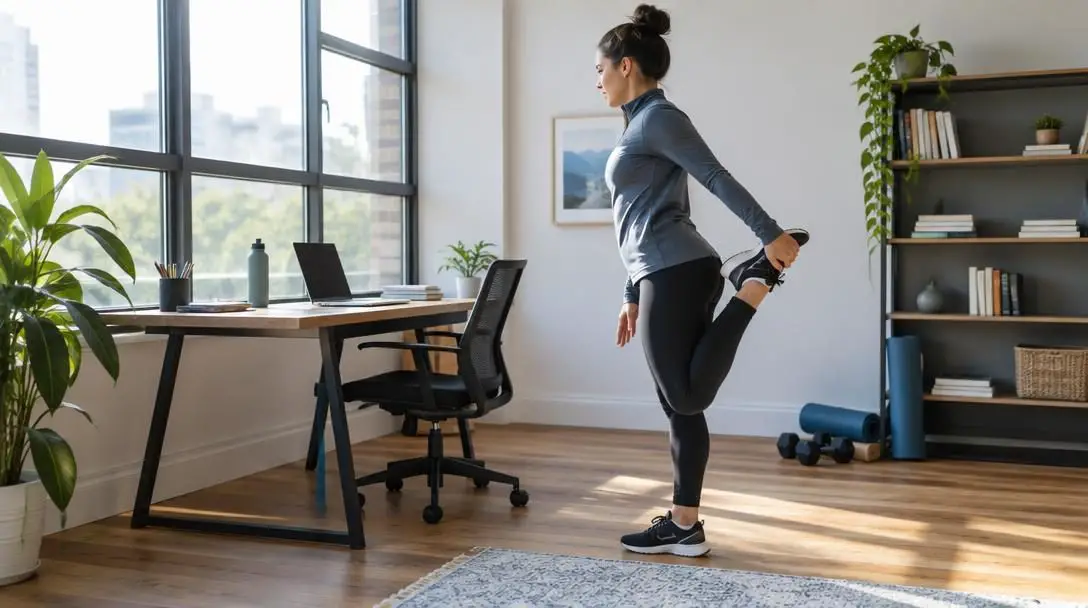
Modern office work has tied millions of professionals to computer screens for eight or more hours every day. In today's digital workplace, automated processes, electronic communication, and heavy workloads require employees to stay seated at workstations for extended periods. This stationary lifestyle creates an unnatural environment for human physiology, gradually causing tight muscle groups, reduced caloric expenditure, and sluggish blood circulation. Without conscious intervention, physical immobility can steadily undermine both physical health and mental clarity.
Fortunately, maintaining physical fitness does not require giving up your office career or turning your workspace into a full-scale gymnasium. Recognizing the hazards of prolonged sitting allows you to make deliberate, small adjustments throughout your daily shift. By introducing brief intervals of movement, simple desk-side strength exercises, regular stretching, and community challenges into your routine, you can protect your long-term health while staying productive on the job.
Key takeaways
- Prolonged sitting slows blood circulation and increases chronic illness risks according to the World Health Organization.
- Taking a five-minute walking break every hour relieves spinal pressure, resets mental focus, and restores healthy blood flow.
- Desk-side strength movements like chair dips and tricep extensions engage major upper-body muscle groups without specialized facilities.
- Targeted stretches for the neck, shoulders, and wrists counteract postural strain and repetitive motion fatigue caused by computer work.
- Joining workplace fitness challenges or community sports clubs adds vital social motivation and accountability to your routine.
The hidden health risks of prolonged sitting
The consequences of remaining seated across an entire workday extend much deeper than temporary stiffness or tight hamstrings at the end of the shift. Sustained physical inactivity places persistent stress on the cardiovascular and musculoskeletal systems. When you sit without interruption, the large skeletal muscles in your legs and torso remain largely static, drastically lowering your body's energy expenditure and metabolic rate.
According to the World Health Organization, a sedentary lifestyle significantly elevates the risk of developing serious chronic conditions, including diabetes, heart disease, and certain cancers. When physical activity drops to minimal levels, systemic blood flow slows down. This reduced circulation makes it far more difficult for vital tissues and internal organs to receive prompt oxygen and nutrient delivery, which can leave office workers feeling fatigued, unfocused, and drained by mid-afternoon.
Static postures also inflict structural wear on the human frame. Staying hunched over keyboards and monitors creates unnatural strain along the spine, neck, and pelvic joints. Over months and years, muscle groups tighten and shorten, creating postural imbalances that lead to chronic joint discomfort. Sedentary habits simultaneously erode mental stamina and emotional resilience, showing that daily physical movement is necessary for maintaining cognitive sharpness as well as physical health.
Five practical ways to stay active during the workday
Counteracting the negative effects of a desk-bound career does not require complex athletic regimens. By systematically weaving intentional movement into standard office hours, desk workers can protect their cardiovascular health and joint integrity. The following five practical methods can be adapted to almost any office or remote work environment.
Take frequent breaks
Stepping away from your computer screen at regular intervals is essential for preserving physical health and cognitive stamina. Prolonged mental and physical fixation locks your body into rigid postural patterns while draining mental energy. Setting aside a brief window every hour to stand up and walk around for five minutes immediately interrupts static sitting, decompresses spinal discs, and resets your visual focus. These frequent pauses help lower workplace stress levels and improve overall productivity by giving your brain periodic opportunities to refresh.
Work out at your desk
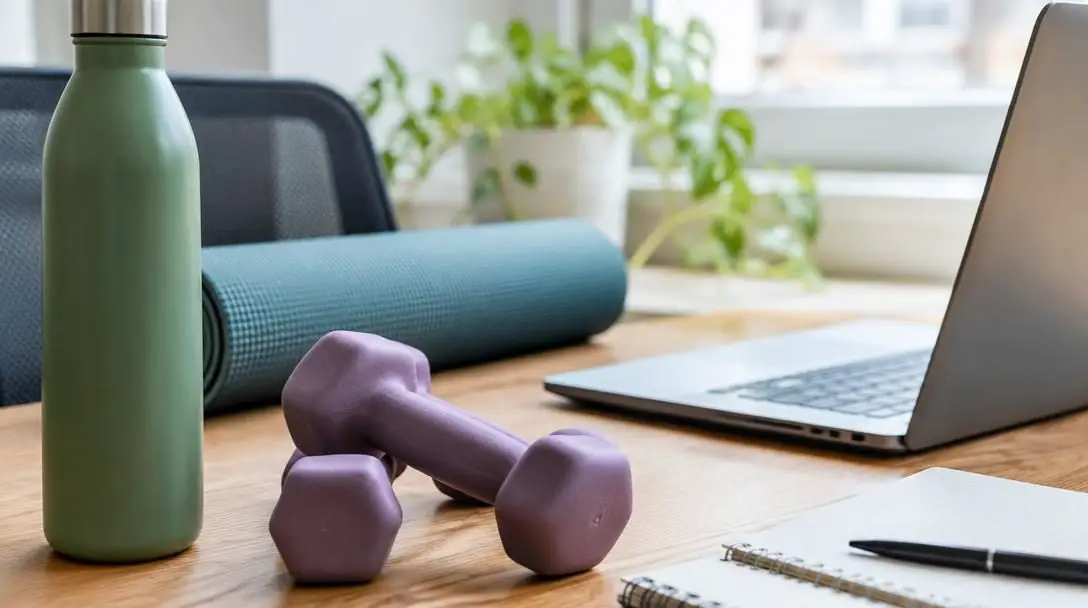
You do not need a commercial gym membership to activate key muscle groups during the workday. Performing simple bodyweight and resistance exercises directly at your workstation allows you to build muscular activation between projects. Utilizing your office chair for movements like chair dips or tricep extensions strengthens the upper body and encourages proper joint mobility. Keeping compact equipment nearby, such as resistance bands or lightweight dumbbells, adds versatile resistance options to your daily routine, letting you perform quick strength sets without stepping away from your workspace.
Walk whenever possible
Walking is one of the most accessible and effective forms of physical activity available to office workers, requiring no specialized gear or technical skill. Regular walking burns calories and stimulates systemic blood circulation, which is critical for tissue oxygenation and overall health. You can easily accumulate steps by taking the stairs instead of using elevators or escalators, elevating your heart rate and engaging the lower body. Taking short strolls during rest breaks and choosing to walk or cycle to work if you live in proximity can convert idle commuting time into valuable cardiovascular conditioning.
Incorporate stretching
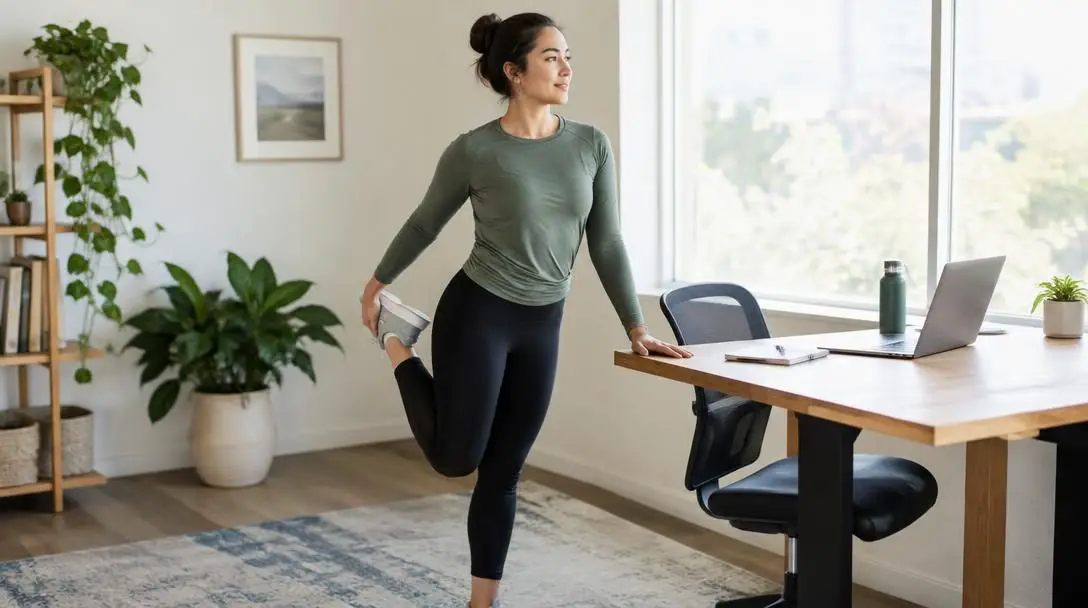
Targeted stretching relieves the muscular tightness and joint strain that inevitably develop during long hours at a desk. Regular stretching preserves muscle flexibility, which plays an essential role in preventing work-related injuries and postural fatigue. Gentle movements improve range of motion, open compressed joint capsules, and encourage proper spinal alignment. You can perform several effective stretches directly in your office chair, including backward and forward shoulder rolls, slow neck rotations, and wrist extensions to relieve the strain caused by prolonged typing and mouse handling.
Join an exercise group or challenge
Maintaining a solo fitness routine while balancing heavy workplace responsibilities can easily lead to declining motivation. Joining a structured fitness challenge or group activity creates an encouraging social environment that fosters consistency. Many employers sponsor internal wellness programs and fitness challenges, while community centers and sports clubs offer local leagues. Pursuing fitness goals alongside coworkers and peers builds meaningful interpersonal bonds, enhances social interaction, and turns physical activity from an isolated chore into a fun, communal habit.
Small, conscious adjustments throughout the working day can dramatically alter your long-term health trajectory.
Comparing workday activity methods
Every activity strategy addresses physical inactivity in a distinct way. Combining these methods throughout the week ensures that you support cardiovascular health, muscle tone, flexibility, and psychological well-being.
| Strategy | Primary Physical Benefit | Equipment Needed | How to Fit It In |
|---|---|---|---|
| Frequent breaks | Spinal decompression and mental restoration | None | Stand and walk for 5 minutes every hour |
| Desk workouts | Upper-body strength and muscle tone | Office chair, resistance bands, dumbbells | Complete short sets between tasks |
| Intentional walking | Cardiovascular conditioning and calorie burn | Comfortable walking shoes | Take stairs, stroll on breaks, walk commute |
| Targeted stretching | Joint flexibility and postural relief | None | Perform seated rolls and rotations at desk |
| Group challenges | Motivation and social accountability | Program-specific gear | Enroll in workplace or community leagues |
How intentional movement counteracts workday stagnation
Each movement strategy counteracts physical stagnation by addressing specific biological systems. Rather than viewing workplace fitness as random motions, understanding these physiological mechanisms helps you apply them with greater intention:
- Circulatory stimulation: Remaining seated causes venous blood to pool in the lower extremities. Standing up and walking forces the calf and thigh muscles to contract, operating as a secondary pump that pushes blood back toward the heart and lungs. This improved circulation delivers fresh oxygen to the brain, directly relieving afternoon sluggishness.
- Muscular engagement: Performing chair dips, tricep extensions, and resistance band movements activates dormant upper-body muscle fibers. Regular contractions preserve lean muscle mass, stimulate joint lubrication, and burn additional calories throughout the work shift.
- Tension release and postural realignment: Hours spent typing pull the shoulders forward, shorten chest muscles, and place the cervical spine into forward-head posture. Seated stretches, neck rotations, and shoulder rolls loosen tight connective tissues, allowing the spine and shoulders to return to neutral alignment.
- Social accountability: Joining workplace fitness challenges or local sports clubs leverages mutual encouragement. Sharing goals with coworkers turns solitary fitness routines into shared experiences, keeping motivation high through busy work periods.
A step-by-step daily routine for desk workers
Transforming good intentions into lasting habits requires a predictable daily structure. Following an organized schedule prevents urgent deadlines from crowding out physical activity.
- Evaluate your commute options: Check whether you live within walking or cycling distance of your office. If active commuting is feasible, use it to build cardiovascular conditioning before and after work. If you must drive or take transit, park farther away or exit one stop early to finish the trip on foot.
- Configure hourly movement alerts: Set recurring calendar reminders or phone alarms for every sixty minutes. When the alarm sounds, stand up immediately, leave your workstation, and spend five minutes walking through hallways or climbing stairs.
- Adopt an active transit rule within the building: Make a firm commitment to bypass elevators and escalators throughout the day. Choosing the stairwell whenever you move between floors guarantees regular bursts of lower-body muscular exertion.
- Equip your immediate workspace: Place versatile exercise accessories within arm's reach of your desk. Keep resistance bands inside a desk drawer or set a pair of light dumbbells beside your workstation so strength equipment is readily accessible.
- Execute chair-based strength sets: Use your office chair to perform controlled sets of chair dips or tricep extensions during natural transitions in your workday, such as after concluding a phone call or sending a long report.
- Complete seated flexibility intervals: Dedicate two to three minutes while seated to rolling your shoulders forward and backward, gently rotating your neck, and extending your wrists to release repetitive typing strain.
- Enroll in an organized fitness program: Inquire with human resources about workplace wellness challenges, or join a sports club or fitness center in your community to build lasting accountability alongside peers.
Common mistakes that derail workplace fitness
When incorporating fitness into an office routine, employees often make avoidable errors that reduce effectiveness or cause physical strain. Avoiding these common missteps will help you maintain consistent progress:
- Skipping breaks to chase deadlines: The most frequent mistake is ignoring scheduled alarms because of heavy workloads. Treating short breaks as non-negotiable appointments protects mental clarity and prevents physical burnout.
- Neglecting exercise form: Performing chair dips or resistance band extensions with poor form risks joint irritation. Ensure your chair is completely stable before beginning, and move through smooth, controlled ranges of motion.
- Overlooking neck and wrist health: Many workers focus exclusively on lower-body movement and forget the delicate tendons of the arms and neck. Ignoring wrist stretches and neck rotations can lead to repetitive strain discomfort and tension headaches.
- Relying exclusively on weekend workouts: Concentrating all physical activity into Saturday and Sunday cannot compensate for forty hours of continuous weekday immobility. Daily, consistent movement during working hours is essential to reduce chronic health risks.
- Attempting to train in total isolation: Trying to maintain strict wellness routines without peer support often leads to waning motivation. Participating in company challenges or local sports clubs provides the camaraderie needed for long-term adherence.
Frequently asked questions
How often should I take a break from sitting at my desk?
You should take a short break every hour. Standing up and walking around for roughly five minutes is sufficient to decompress your spine, reactivate blood circulation, and refresh your mental focus without derailing work productivity.
What specific exercises can I perform right at my workstation?
You can perform chair dips and tricep extensions using a stable office chair. Storing resistance bands or a pair of lightweight dumbbells near your desk allows you to perform curls, presses, and rows directly beside your workstation.
Can stretching at my desk really prevent repetitive strain injuries?
Yes. Performing regular shoulder rolls, gentle neck rotations, and wrist extensions helps alleviate the localized muscular tension caused by continuous typing and mouse navigation, maintaining tendon flexibility and joint range of motion.
Why is sitting all day considered dangerous if I work out after work?
According to the World Health Organization, prolonged physical inactivity carries distinct metabolic risks, such as elevated chances of diabetes, heart disease, and certain cancers. Prolonged static sitting slows circulation and keeps muscles inactive for hours, which a single evening workout cannot completely undo.
How can I stay motivated to move when my workday is extremely busy?
Joining an exercise group, workplace challenge, or local community sports club provides external structure and social accountability. Involving coworkers and peers transforms physical activity into an enjoyable shared experience rather than an isolated task.
The bottom line
Working a demanding desk job does not mean you must surrender to the hazards of a sedentary lifestyle. While modern desk work encourages prolonged sitting, integrating intentional movement into your regular schedule provides an effective, sustainable defense. By taking five-minute hourly breaks, using your office chair for strength exercises, walking whenever opportunities arise, performing regular upper-body stretches, and joining communal fitness challenges, you can safeguard your physical health and boost your daily energy.
Achieving lasting workplace fitness does not require drastic disruptions to your professional responsibilities. Consistency matters far more than intensity. By viewing physical movement as an essential contributor to professional focus and long-term vitality, you can build a balanced routine that keeps you active, fit, and thriving throughout your career.