5 Worst Signings In Juventus History
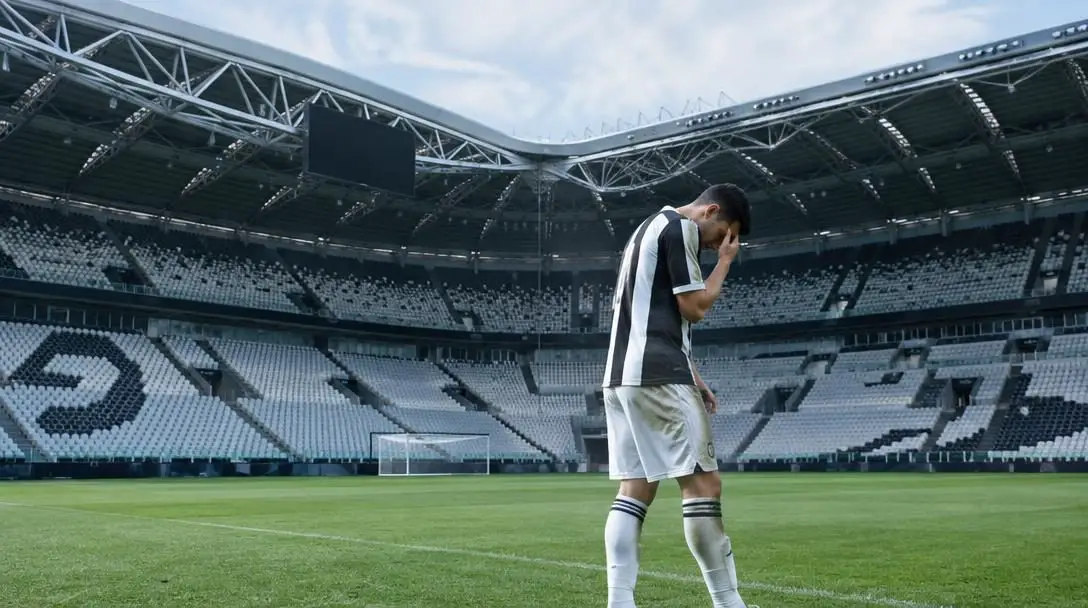
Juventus Football Club stands as one of the most decorated and successful sports institutions in European football history. Dominating Italy's Serie A across diverse eras, the Turin-based powerhouse has secured domestic championships and continental honors, routinely leveraging its commercial reach and matchday prestige to attract world-class athletes. The substantial financial revenues generated through successful league campaigns, global merchandise sales, and regular UEFA Champions League participation have historically granted the club formidable purchasing power in the global transfer market.
Yet even the most affluent sporting organizations remain vulnerable to the volatile nature of player recruitment. Signing top-flight talent demands massive capital outlays, encompassing multi-million euro transfer fees, lucrative wage commitments, and supplementary agent fees. When an expensive recruit fails to perform, the resulting financial strain can linger for years, creating roster imbalances and hamstringing future budgets. While Juventus has orchestrated legendary transfer coups throughout its history, several high-profile deals—particularly during the transitional phases surrounding the early 2010s—proved to be costly miscalculations.
Key takeaways
- Recruitment failures stem from an unpredictable mix of tactical mismatches, recurring injuries, off-pitch controversies, and dressing-room discord.
- High transfer fees do not guarantee success, as demonstrated by marquee midfield investments like Felipe Melo and Diego failing to adapt to Turin.
- Short-term emergency measures, including loan deals like the one for Nicklas Bendtner, can still inflict multi-million euro losses with zero goal output.
- Modern elite clubs rely on comprehensive medical profiling, character assessments, and structured contract clauses to mitigate transfer risks.
At a glance: The costliest transfer missteps in Turin
While players like Jean-Alain Boumsong, Jonathan Zebina, Amauri, and Marcelo Salas were notable investments that failed to meet expectations, the five foreign signings below stand apart due to the sheer disparity between their financial expense and sporting production.
| Player | Position | Previous Club | Reported Fee | Juventus League Appearances |
|---|---|---|---|---|
| Felipe Melo | Midfielder | Fiorentina | €25 million | Fewer than 60 |
| Diego Ribas da Cunha | Attacking Midfielder | Werder Bremen | €24.5 million | 33 (all comps) |
| Jorge Martinez | Midfielder | Catania | €12 million | 14 |
| Christian Poulsen | Defensive Midfielder | Sevilla | €9.75 million | 48 |
| Nicklas Bendtner | Forward | Arsenal (loan) | €6 million | 9 (all comps) |
Evaluating the five most damaging transfers
Each of these signings unraveled under unique circumstances, illustrating how fitness breakdowns, tactical friction, and behavioral problems can derail a player's tenure regardless of their previous reputation across Europe.
Felipe Melo

- Acquisition Fee: €25 million
- Signed From: Fiorentina
- Total League Appearances: Fewer than 60
Occupying the top position on the list, Brazilian midfielder Felipe Melo represents one of the club's most expensive recruitment missteps. Melo launched his professional journey in 2001 with Flamengo, building international pedigree across stints with Gremio, Racing Santander, and Almeria. After a commanding 2008 to 2009 campaign with Serie A rivals Fiorentina, Juventus committed €25 million to secure his signature as the midfield enforcer of a new era.
The marriage collapsed rapidly. While early matches hinted at physical dominance, Melo's individual form experienced a steep drop. Compounding his on-pitch struggles, Melo became embroiled in altercations with his own teammates, fracturing squad harmony during a turbulent period for the club. With fewer than 60 league outings under his belt, Juventus cut their losses, dispatching him to Turkish side Galatasaray on an initial loan arrangement that was later formalized as a permanent departure.
Diego Ribas da Cunha

- Acquisition Fee: €24.5 million
- Signed From: Werder Bremen
- Contract Length: 5-year deal (served 1 season)
Arriving in 2009 with immense international fanfare, the Brazilian playmaker known simply as Diego had established himself as a world-class creator. Diego initially rose to prominence at Brazilian side Santos in the early 2000s before refining his craft in Europe with FC Porto and Werder Bremen, accumulating over 130 combined matches for both sides. Convinced he could serve as the creative fulcrum of the team, Juventus spent €24.5 million on a five-year contract.
The high-volume creative output that defined his Bundesliga tenure failed to materialize within Italy's rigid tactical framework. The defensive demands and strategic philosophy favored by Juventus clashed sharply with his instinctual, ball-dominant style. Disagreements with team management surfaced quickly. Unable to construct a formation that accentuated his strengths, Juventus parted ways with Diego after only 33 appearances and five goals, offloading him to VfL Wolfsburg in 2010 after a single season.
When an expensive recruit fails to meet competitive standards, the monetary losses disrupt a club's fiscal stability and leave long-term gaps in the sporting squad.
Jorge Martinez

- Acquisition Fee: €12 million
- Signed From: Catania
- Total League Appearances: 14
Uruguayan midfielder Jorge Martinez appeared primed for a step up after demonstrating dynamic attacking ability in Serie A. Martinez spent seven seasons developing with Montevideo Wanderers from 2000 onward before moving to Catania. In Sicily, he established a stellar reputation across an 86-match spell, netting 22 goals and proving he could flourish against Italian defenses. Juventus finalized a €12 million transfer on a four-year contract.
His time in Turin turned disastrous from matchday one. Martinez sustained an injury in his very first appearance for the club. Although his performance levels did not initially appear compromised upon his return, the recovery was brief as a succession of physical setbacks derailed his momentum. Following internal changes within the front office, the new management team embarked on a complete squad overhaul. Martinez spent the next six years moving across multiple clubs on temporary loans, concluding his Juventus career with a meager 14 league appearances.
Christian Poulsen

- Acquisition Fee: €9.75 million
- Signed From: Sevilla
- Honors Prior to Arrival: Danish Superliga, DFB Ligapokal, Copa del Rey
Danish defensive midfielder Christian Poulsen arrived in Turin with a track record of winning trophies. Starting his career in 1997 with Holbaek, Poulsen developed his combative midfield profile through spells at Copenhagen, Schalke 04, and Sevilla, lifting major silverware including the Danish Superliga, DFB Ligapokal, and Copa del Rey. Juventus paid a €9.75 million transfer fee to lock him into a four-year contract to anchor their defensive midfield.
Poulsen's stay fell well short of the agreed timeline. Across 48 league appearances, he struggled to offer the dynamic distribution required to lift the club out of its competitive slump. Juventus remained entirely empty-handed regarding major titles during his stint, making his costly wages and limited mobility a symbol of the club's unfocused recruitment era. Poulsen scored a solitary goal in his Juventus tenure before being transferred to Liverpool, later featuring for Evian and Ajax before concluding his career at Copenhagen.
Nicklas Bendtner

- Loan Commitment: €6 million
- Signed From: Arsenal (loan with buy option)
- Total Goals: 0
Imposing Danish forward Nicklas Bendtner joined Juventus on a deadline-day move designed to add physical depth to the forward line. Bendtner joined Premier League club Arsenal as a highly touted 17-year-old talent, entering their senior squad in 2005 and remaining affiliated with the North London club for nearly ten years, which included temporary loan assignments to Birmingham City and Sunderland. Juventus committed €6 million to secure him on loan for the remainder of the 2012-13 campaign alongside an option to make the transfer permanent.
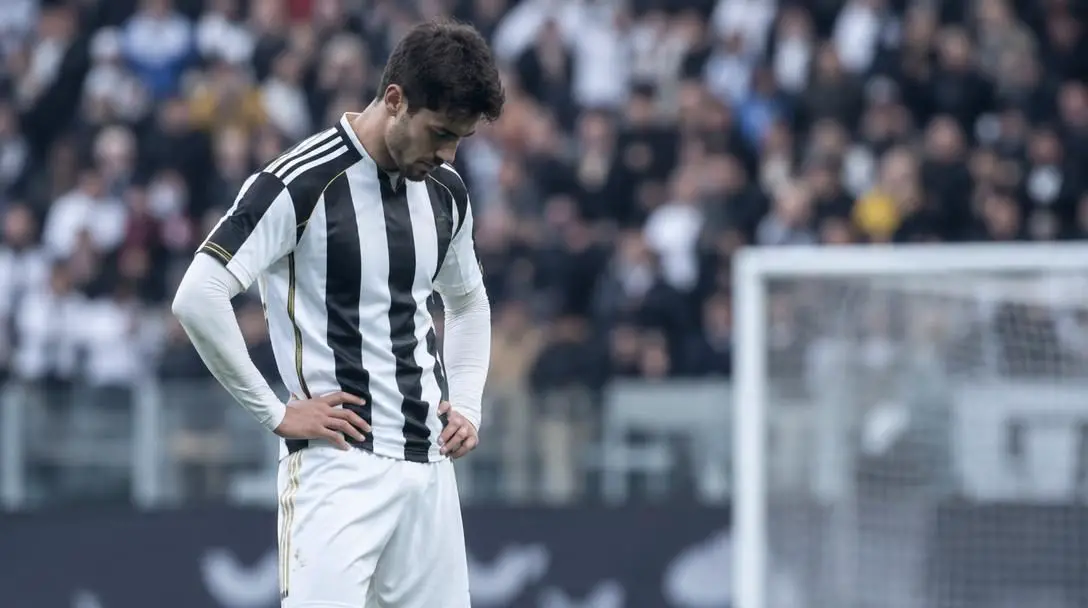
The spell quickly spiraled out of control. Restrained by persistent fitness issues, Bendtner made only nine appearances across all competitions, failing to score a single goal. His standing collapsed completely after an off-field arrest for drunk driving, followed by physical trauma in the form of a fractured wrist. Juventus refused to trigger the purchase option, sending him back to Arsenal at the conclusion of the season.
The mechanics of elite football transfers
Transfer collapses highlight how intricate professional player acquisitions are. Moving an athlete between elite European clubs involves several interlocking phases, each carrying inherent risks:
- Player identification and scouting: Recruitment departments utilize match video, international scouting networks, and statistical profiling to evaluate targets across specific tactical metrics.
- Club-to-club negotiations: Executives negotiate structured payments, performance-related bonuses, installment schedules, and sell-on percentages with the selling team.
- Personal terms and legal frameworks: Agents and club lawyers settle base salaries, image rights, appearance fees, and contract duration.
- Medical and physical assessment: The incoming player undergoes comprehensive orthopedic and cardiovascular examinations to identify undetected muscular or joint damage.
- Tactical integration: The coaching staff must integrate the new signing into the locker room hierarchy and tactical system, balancing player tendencies against collective team needs.
Protocols clubs use to protect investments
To prevent multi-million euro investments from collapsing into dead assets, modern football clubs implement structured management safeguards during the recruitment cycle.
- Perform advanced biomechanical profiling: Extensive historical injury tracking helps sports science teams identify underlying chronic issues before contracts are signed, preventing breakdowns like the one suffered by Jorge Martinez.
- Execute comprehensive background vetting: Directors interview former coaches, peers, and background associates to gauge psychological temperament, helping screen for discipline issues like those seen with Felipe Melo and Nicklas Bendtner.
- Conduct tactical suitability modeling: Coaching staffs cross-reference a player's previous team style with their own domestic formation, avoiding tactical mismatches such as the one that neutralized Diego.
- Structure risk-managed loan formulas: Utilizing temporary loans paired with non-mandatory purchase options allows clubs to test athletic compatibility before committing to multi-year contracts.
- Incorporate incentive-weighted wage scales: Phased deals where base salaries are supplemented by appearance thresholds and performance bonuses limit financial exposure when a player misses the starting eleven.
Systemic errors in modern recruitment
Even with advanced data departments and multi-tiered scouting networks, European football clubs continue to repeat predictable mistakes during the transfer market:
- Prioritizing reputation over tactical fit: Buying players based strictly on their previous form in foreign leagues without verifying whether their technical attributes suit the physical pacing and defensive organization of Serie A.
- Neglecting squad chemistry: Overlooking dressing room cohesion in favor of pure athletic output, which frequently results in friction between high-earning recruits and established squad leaders.
- Yielding to transfer window panic: Completing hasty acquisitions late in August or January to silence fan discontent after a poor run of results, often resulting in inflated fees for ill-fitting players.
- Underestimating domestic league demands: Presuming that dominant technical metrics in leagues with different spatial profiles will directly translate to tactically disciplined domestic competitions.
- Awarding excessive contract lengths: Offering long-term, high-wage commitments to players nearing their late twenties, leaving the club unable to sell them if their form deteriorates.
Frequently asked questions
Who is considered the worst signing in Juventus history?
Felipe Melo occupies the top position on this list. Juventus paid Fiorentina €25 million for the midfielder, but his tenure collapsed due to poor on-field form, training-ground altercations with teammates, and fewer than 60 total league appearances before his exit.
Why did Diego fail to succeed at Juventus after excelling in Germany?
Diego struggled primarily because the tactical structure favored by Juventus did not align with his playmaking style. The defensive demands of Serie A, combined with strategic disagreements with team management, limited him to 33 matches and five goals before he was sold to VfL Wolfsburg.
How much did Juventus spend on Nicklas Bendtner's loan spell?
Juventus committed €6 million for Bendtner's loan from Arsenal during the 2012-13 season. He made only nine total appearances, scored zero goals, sustained a fractured wrist, and faced disciplinary issues that prevented the club from exercising their permanent purchase option.
What caused Jorge Martinez's career in Turin to unravel so quickly?
Martinez suffered an injury in his very first match for Juventus. Subsequent physical setbacks repeatedly disrupted his momentum, and a change in front-office management led to a squad overhaul that saw Martinez loaned out across a six-year period with only 14 total league outings.
Which players narrowly missed being ranked among the five worst signings?
Jean-Alain Boumsong, Jonathan Zebina, Amauri, and Marcelo Salas were notable high-profile investments that failed to meet competitive standards in Turin but narrowly avoided the bottom five spots.
The bottom line
Transfer recruitment remains an inexact science where financial might does not automatically translate to sporting silverware. The cautionary tales of Felipe Melo, Diego, Jorge Martinez, Christian Poulsen, and Nicklas Bendtner illustrate that success requires an alignment of tactical fit, professional temperament, physical resilience, and locker-room cohesion. For top-tier football clubs, the real test of sporting management lies not just in outspending rivals, but in recognizing recruitment missteps early, trimming sunken costs decisively, and maintaining a balanced squad built on shared tactical vision.