A Tiny Course In Anthropology: 5 Facts and Insights to Get a Sense of This Fascinating Subject
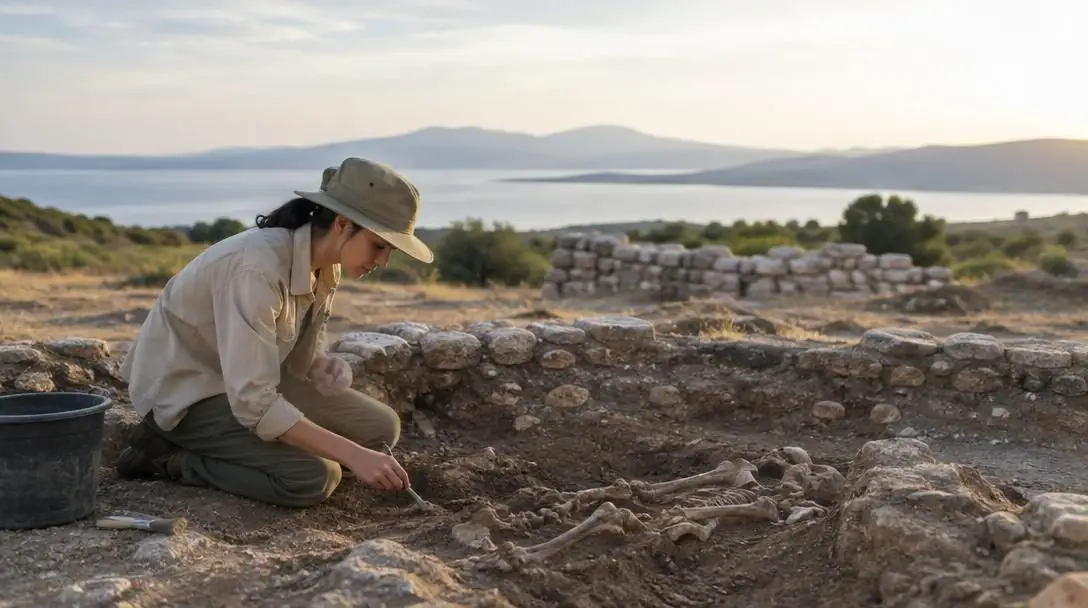
Anthropology is the comprehensive study of human beings, our ancestral forebears, and the multifaceted cultures we create. By bridging the physical sciences, social sciences, and humanities, this broad academic discipline asks foundational questions: Where did we come from? How do distinct societies organize their daily lives? Why do languages take the forms they do? From uncovering stone tools buried deep beneath sedimentary rock to observing kinship networks in contemporary metropolitan neighborhoods, anthropology illuminates the full spectrum of what it means to be human.
Originally evolving into a formal academic discipline during the nineteenth and early twentieth centuries, anthropology moved away from armchair speculation and traveler anecdotes toward rigorous, empirical methodologies. Today, it offers vital frameworks for unpacking global diversity, confronting long-standing social assumptions, and understanding our shared human heritage. Below is an essential guide to the field, organized around five fundamental facts and insights that define anthropological thought.
Key takeaways
- Anthropology is traditionally structured into four integrated subfields: cultural, biological, linguistic, and archaeological anthropology.
- The discipline balances the investigation of cultural diversity with the identification of shared human universals.
- Anthropological research actively dismantles ethnocentrism and harmful cultural stereotypes by providing systematic, evidence-based accounts of varied social systems.
- Examining unfamiliar traditions provides a mirror that helps people recognize, critique, and better understand the unspoken norms of their own society.
- Adopting an anthropological mindset improves cross-cultural communication, conflict resolution, and objective observation in everyday life.
The four foundational subfields of anthropology
To capture the vast complexity of human life across time and space, anthropology uses a holistic model. Rather than isolating biology from learned behavior, or historical artifacts from living languages, the discipline divides its primary inquiries into four interconnected subfields. Each branch uses specialized investigative techniques to illuminate a specific facet of humanity while contributing to an overarching understanding of the human condition.
Cultural anthropology
Cultural anthropology focuses on living human societies, tracing how cultural systems, norms, and institutions develop and transform over time. Cultural anthropologists study a wide range of social phenomena, including religious traditions, visual and musical arts, economic structures, family arrangements, and political hierarchies. By working directly alongside community members, researchers uncover how people assign meaning to their daily experiences and how groups negotiate change as they interact with neighboring cultures or global currents.
Biological anthropology
Biological anthropology—frequently referred to as physical anthropology—examines the evolutionary, genetic, and physical dimensions of human beings. Scholars in this subfield track hominin fossil records to chart how human ancestors adapted to prehistoric climates, analyze modern genetic variations to understand disease susceptibility, and study non-human primates to uncover our behavioral and evolutionary roots. Biological anthropology underscores the reality that while culture plays a decisive role in human life, our biological makeup and physical environments continuously influence how we live and survive.
Linguistic anthropology
Linguistic anthropology investigates how language reflects and actively molds social life and human perception. Rather than treating language solely as an abstract collection of grammar rules, linguistic anthropologists examine how speech patterns, regional dialects, and vocabularies convey power, negotiate identity, and encode cultural values. Through recording spoken discourse and documenting endangered indigenous tongues, researchers reveal how language structures the way a community understands reality, preserves historical memory, and maintains social bonds.
Archaeological anthropology
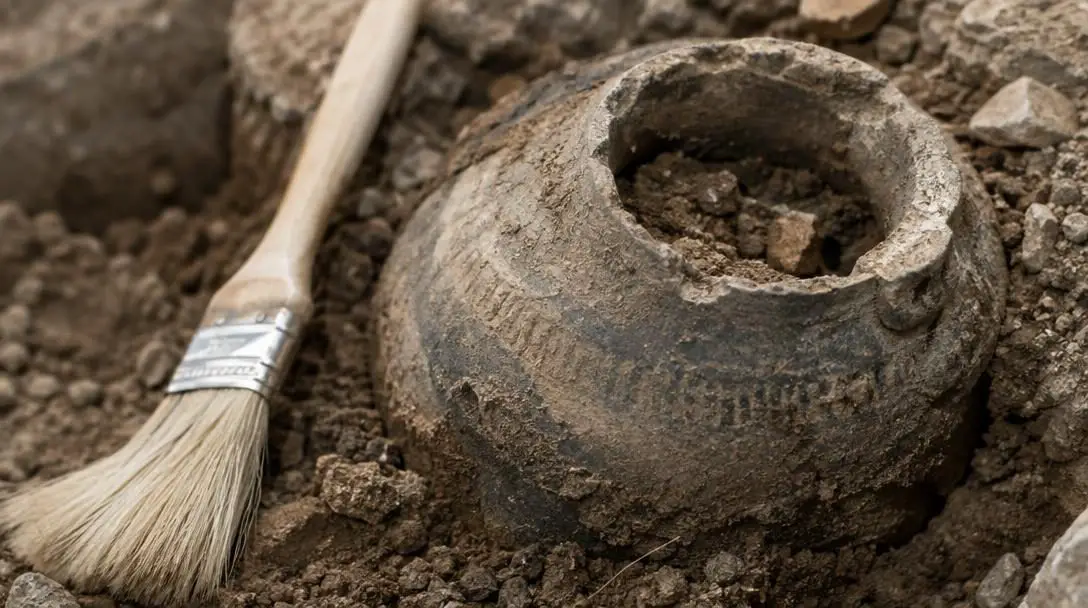
Archaeological anthropology recovers and reconstructs past human behavior through the excavation and systematic analysis of material remains. Archaeologists investigate physical artifacts such as pottery shards, stone implements, architectural structures, and discarded household debris to piece together ancient routines, trade alliances, and subsistence strategies. By evaluating how past civilizations reacted to sudden environmental shifts or technological breakthroughs, archaeology provides a deep-time perspective on human resilience and vulnerability.
| Subfield | Primary Focus | Key Subjects of Study | Primary Research Methods |
|---|---|---|---|
| Cultural Anthropology | Living societies and learned behavior | Social norms, kinship, religion, rituals, art | Ethnography and participant observation |
| Biological Anthropology | Human evolution and physical variation | Fossils, genetics, skeletal remains, primatology | Comparative anatomy, genetic testing, field observations |
| Linguistic Anthropology | Language in its cultural and social contexts | Speech patterns, idioms, endangered tongues, discourse | Audio recording, conversational analysis, phonetic mapping |
| Archaeological Anthropology | Past human cultures through material culture | Artifacts, architecture, refuse heaps, human tools | Stratigraphic excavation, carbon dating, spatial mapping |
Balancing human diversity and universal experience
A central objective of anthropology is navigating the dynamic interplay between human diversity and human universality. Across thousands of distinct societies, people have formulated an astonishing array of religious systems, marriage customs, culinary practices, and social orders. Anthropology treats this diversity not as an evolutionary hierarchy, but as proof of humanity's unmatched capacity for creative problem-solving and environmental adaptation.
At the same time, anthropologists search for the underlying universals that bind all humans together. Despite surface differences, every known society develops systems of kinship, codes of moral conduct, mechanisms for dispute resolution, and symbolic methods of communication. Humans everywhere experience grief, celebrate life transitions, construct shelter, and use storytelling to transmit wisdom across generations. By documenting both the variety of human expression and the common needs driving that expression, anthropology demonstrates that beneath our outer differences lies a shared biological and psychological foundation.
Anthropology proves that while human culture takes on countless forms, our basic needs and psychological drives remain deeply connected.
Dismantling cultural stereotypes and ethnocentrism
Anthropology directly challenges ethnocentrism—the widespread tendency to judge other cultures strictly through the standards, assumptions, and values of one's own background. Ethnocentrism often leads people to dismiss unfamiliar habits as illogical, backward, or unnatural simply because they deviate from what is familiar.
By producing meticulous, factual accounts of varied lifestyles, anthropologists consistently expose the fallacies behind rigid stereotypes. For example, nineteenth-century Western thinkers frequently assumed that patriarchal dominance was an absolute universal, believing women occupied subordinate positions in all human societies throughout history. Anthropological field studies overturned this assumption by documenting numerous societies where women held considerable political authority, owned hereditary property, or shared governing duties equally with men.
Viewing the world through alternative perspectives
Immersing oneself in anthropological insights expands personal perspective by revealing that familiar ways of organizing life are not absolute, natural truths; they are simply learned choices. Stepping outside domestic boundaries encourages intellectual humility and curiosity.
Consider how different societies interact with their natural surroundings. Many indigenous communities possess sophisticated ecological knowledge developed across centuries, utilizing intricate plant-based medicinal remedies and sustainable forest management techniques. When outside observers examine these practices through an anthropological lens, they discover that traditional knowledge systems frequently offer profound insights into ecology, community care, and resilience that contemporary industrialized societies often overlook.
Using the anthropological mirror to inspect our own culture
One of the most transformative elements of anthropology is its ability to make the familiar strange. Because people grow up immersed in their native culture, its unwritten rules, economic habits, and values feel self-evident and unchangeable. Studying foreign social customs acts as an analytical mirror, encouraging people to critically examine their own cultural landscape.
When we observe how other societies support the elderly, mark the passage into adulthood, manage communal labor, or organize leisure time, we can re-evaluate modern domestic systems with greater objectivity. We are prompted to ask constructive questions: Do our institutional habits serve our community's well-being? What values do our daily schedules reflect? Which cultural traditions enrich our lives, and which might benefit from conscious reform?
How anthropological field research is conducted
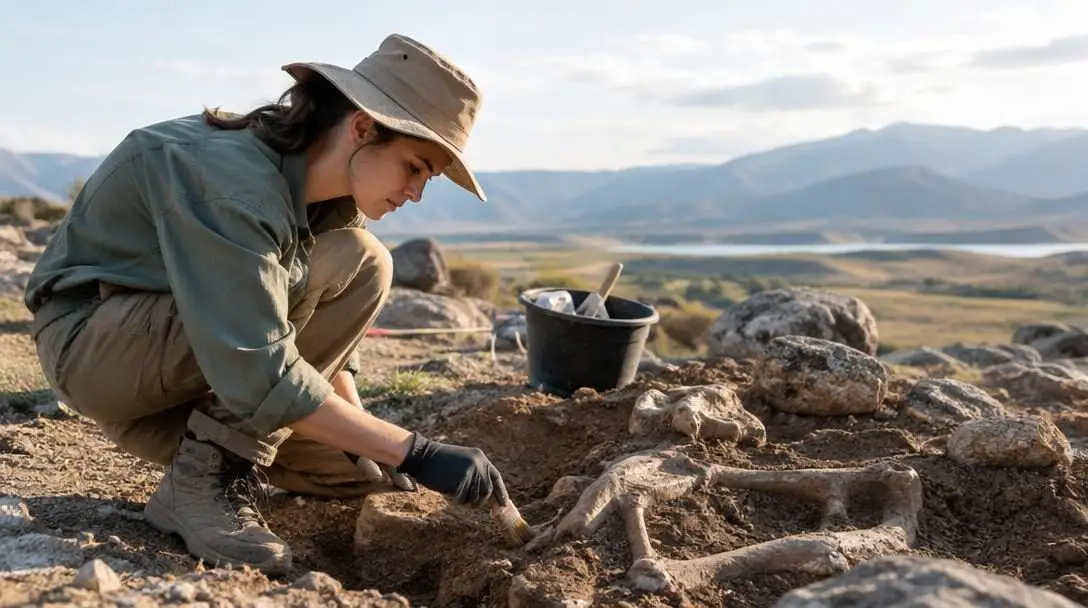
Anthropologists rely on a rigorous repertoire of qualitative and quantitative methodologies. Rather than evaluating human beings from behind a desk, researchers enter the environments where their subjects live, work, and interact.
- Ethnography and participant observation: Used primarily by cultural anthropologists, this method requires researchers to reside within a community for extended periods, sharing meals, attending gatherings, and engaging in daily routines to record an insider's view of life.
- Stratigraphic excavation and material analysis: Archaeologists slowly unearth sites layer by layer, meticulously recording the location of every artifact, bone, and architectural fragment to date materials and reconstruct ancient lifeways.
- Skeletal and genetic mapping: Biological anthropologists examine fossil records, modern blood and tissue samples, and skeletal remains to identify nutritional stress, physical adaptations, and ancestral migration routes.
- Linguistic recording and discourse analysis: Linguistic specialists record natural conversations, gather oral histories, and map vocabularies to determine how linguistic variations shape social hierarchies and power dynamics.
Practical steps for applying an anthropological mindset
You do not need a graduate degree or an excavation permit to benefit from anthropological thinking. Cultivating an anthropological perspective can enhance your workplace relationships, broaden your interpersonal empathy, and sharpen your critical thinking.
- Practice active, objective observation: Pay close attention to unwritten rules and recurring rituals in your workplace, school, or neighborhood. Note how physical seating is arranged, how greetings are exchanged, and what unspoken social hierarchies these setups reflect.
- Suspend immediate judgment: When encountering a lifestyle, custom, or viewpoint that feels unfamiliar or uncomfortable, consciously hold back value judgments. Ask what purpose that behavior serves within its specific context before deciding whether it makes sense.
- Evaluate the material environment: Observe how physical objects, digital tools, and architectural choices influence human behavior. Consider how office layouts, mobile phones, or public transit designs direct how people communicate and cooperate.
- Listen for linguistic nuances: Focus on the specific metaphors, jargon, and speech conventions used in your professional or personal circles. Notice how language sets group boundaries, communicates authority, or signals belonging.
- Interrogate your personal assumptions: Treat your own daily routines as an ethnographer would. Reflect on why you celebrate certain milestones, why you consume specific foods, and whether your fundamental beliefs stem from conscious choice or cultural habit.
Common analytical mistakes to avoid
Interpreting human societies requires care. When exploring unfamiliar cultures, both beginners and experienced analysts can fall into traps that distort reality. Keeping these common pitfalls in mind ensures a balanced, accurate understanding:
- Falling into ethnocentrism: Assuming that your culture's habits represent the natural gold standard for rationality, morality, or efficiency.
- Viewing cultures as static relics: Mistakenly believing that traditional cultures never change, ignoring the reality that every society constantly innovates and adapts to external and internal forces.
- Overgeneralizing individual behavior: Assuming that an observed cultural norm dictates the behavior of every individual inside that group, thereby erasing personal agency and internal dissent.
- Separating biology from learned culture: Treating humans as purely biological machines or purely cultural products, rather than acknowledging that our biology and learned habits continuously influence one another.
Applied anthropology in modern contexts
Far from being confined to museums and university lecture halls, anthropology plays an active role in addressing modern global challenges. Applied anthropology utilizes the insights and techniques of the field to solve practical problems across industries.
In public health, medical anthropologists help international organizations design vaccination campaigns that respect local beliefs, significantly increasing community trust and uptake. In urban planning, anthropological studies trace how citizens use public squares and transit systems, informing human-centered architecture. Tech corporations, consumer goods companies, and design agencies routinely hire anthropologists to conduct user research, uncovering how people integrate digital devices into their domestic routines. In environmental conservation, researchers collaborate with indigenous stewards to design sustainable resource policies that honor ancestral land rights while protecting biodiversity.
Frequently asked questions
What is the difference between anthropology and sociology?
While both disciplines study human society and social relations, anthropology traditionally employs a holistic, four-field framework that incorporates evolutionary biology, linguistics, and deep-time archaeology. Sociology tends to focus more heavily on social structures, institutions, and statistical demographic patterns within modern, industrialized nations, whereas anthropology frequently uses immersive ethnography across diverse global cultures.
Why is anthropology described as a holistic discipline?
Anthropology is considered holistic because it refuses to study human behavior in isolation. It examines humanity by linking biological traits, historical developments, linguistic frameworks, and contemporary cultural practices, showing how these elements interact to form the complete human experience.
What is participant observation?
Participant observation is a central qualitative research methodology used primarily in cultural anthropology. A researcher lives within a community for months or years, participating directly in everyday tasks, ceremonies, and conversations while systematically taking notes to understand the culture from an insider's point of view.
How does anthropology define culture?
In anthropology, culture refers to the learned, shared patterns of behaviors, beliefs, values, symbols, and artistic traditions transmitted across generations within a community. Culture is not genetically inherited; it is acquired through social learning and daily participation in society.
What careers can you pursue with a background in anthropology?
Beyond academic research and museum curating, people with anthropological training work in international public health, urban planning, user experience (UX) design, corporate research, non-profit community development, cultural resource management, and international diplomacy.
The bottom line
Anthropology provides far more than interesting facts about ancient ruins and distant customs—it provides an indispensable set of tools for navigating our interconnected world. By examining our evolutionary past, unpacking the structure of our languages, and highlighting the rich diversity of contemporary traditions, the discipline reminds us that our way of living is simply one chapter in a much larger human story.
Whether you apply its lessons to improve collaboration in your workplace, dismantle personal biases, or understand global news events, thinking like an anthropologist cultivates empathy, intellectual curiosity, and clarity. By viewing human differences with respect and finding connection in our shared fundamentals, we become better equipped to build a more collaborative and thoughtful society.