A Tiny Course In Marine Biology: 5 Facts and Insights to Get a Sense of This Fascinating Subject
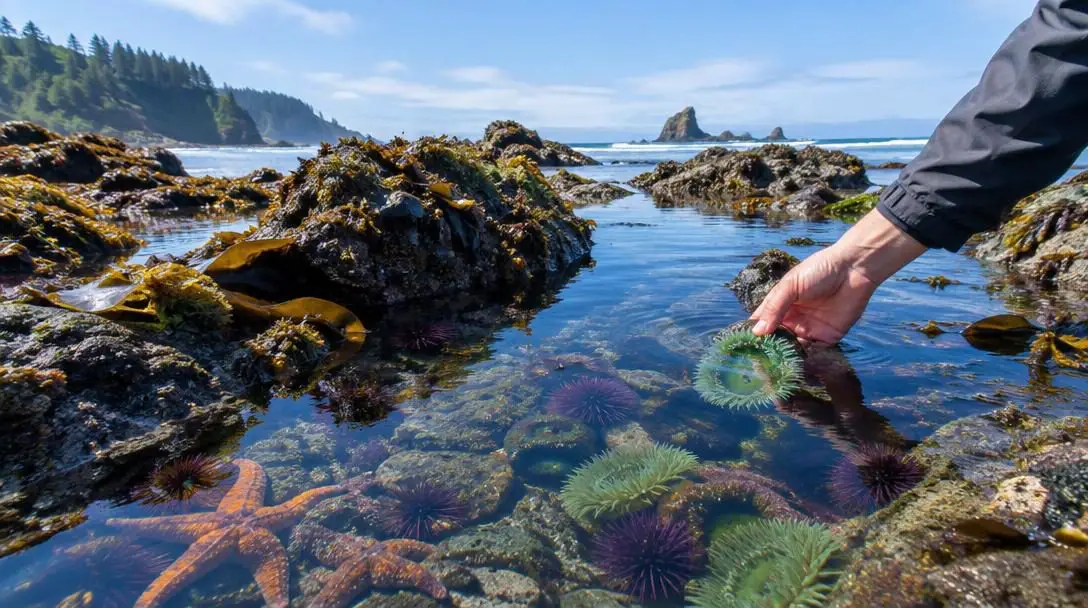
Marine biology explores the full spectrum of ocean life, reaching from microscopic single-celled plankton drifting across sunlit surface waters down to the colossal blue whale navigating the pelagic deep. Because saltwater basins blanket the majority of the planet, these marine systems serve as foundational machinery for Earth's biosphere, establishing the climate balances, nutrient transfers, and atmospheric cycles that sustain terrestrial creatures alongside aquatic organisms. Living in saltwater demands radical biological adaptations: marine species must manage high osmotic pressure, saline chemistry, cold temperatures, and crushing physical loads that have no direct terrestrial analogue.
Studying marine biology provides critical perspective on how life evolved in fluid environments and highlights the profound ways human industrial activities are reshaping global ecosystems. By examining biological diversity, climatic regulation, conservation measures, career specializations, and recent oceanographic breakthroughs, anyone can grasp the essential mechanics of this vital discipline.
Key takeaways
- Scientific estimates suggest that up to 90% of all living species on Earth dwell within marine environments.
- The ocean acts as a primary climate buffer by capturing vast amounts of atmospheric carbon dioxide, though this process drives destructive ocean acidification.
- Marine conservation requires coordinated international frameworks because contiguous ocean waters allow pollution and ecosystem degradation to cross borders unimpeded.
- Professional roles in marine sciences demand cross-disciplinary mastery across biology, chemistry, and physics rather than observational interest alone.
- Deep-sea discoveries, including chemosynthetic ecosystems and bioluminescent predators, continue to redefine scientific boundaries of biological survival.
Five Essential Pillars of Marine Science
To navigate the expansive scope of marine biology, scientists divide their attention across biological richness, geochemical balances, ecological conservation, career disciplines, and technical discovery. These five focal areas illustrate how the marine domain operates as both a self-contained biological world and an essential life-support engine for the entire globe.
Marine Life Diversity and Evolutionary Adaptations
The vast volumetric expanse of the ocean hosts an unprecedented variety of living organisms, with scientific estimates indicating that up to 90% of Earth's species reside in marine waters. Life in the ocean evolved to operate within a three-dimensional, buoyant medium where pressure, salinity, and light penetration dictate existence far more than gravity. Invertebrates dominate this landscape, showcasing remarkable evolutionary specializations.
Among the most biologically complex invertebrates are cephalopods, including the blue-ringed octopus, the mimic octopus, and the flamboyant cuttlefish. These animals possess highly developed nervous systems, sophisticated problem-solving faculties, and chromatophore-driven camouflage systems capable of shifting skin texture and color in fractions of a second. These evolutionary developments reflect the extreme predatory pressures and competitive dynamics present in dense aquatic communities.
The dominant mode of biological existence on Earth is aquatic, shaped by buoyancy, fluid dynamics, and salinity rather than gravity and open air.
Oceanic Regulation of the Global Climate
The world ocean serves as a gigantic thermal and chemical sink, playing an irreplaceable role in dampening the speed of global atmospheric warming. As human industry releases unprecedented volumes of greenhouse gases, the ocean captures vast quantities of atmospheric carbon dioxide and absorbs excessive thermal energy. However, this absorption alters the baseline chemistry of seawater in a process known as ocean acidification.
When carbon dioxide dissolves in saltwater, it forms carbonic acid, reducing the availability of carbonate ions. This chemical shift places immense physiological stress on calcifying organisms, hindering their ability to build and maintain protective shells and skeletal structures. At the same time, elevated water temperatures disrupt the thermal stratification of ocean layers, driving three major crises:
- Mass coral bleaching: High water temperatures force stony corals to expel the microscopic, symbiotic photosynthetic algae residing in their tissues, turning the colonies bone-white and leaving them vulnerable to starvation and lethal disease outbreaks.
- Polar sea ice contraction: Shrinking polar ice sheets remove essential resting, birthing, and hunting platforms required by Arctic and Antarctic fauna, including walruses and polar bears.
- Global sea level rise: The thermal expansion of warming seawater combined with glacial runoff alters coastlines, drowning coastal wetlands and eroding intertidal habitats worldwide.
Conservation Frameworks and Environmental Threats
Because marine water masses form a continuous, dynamic global fluid, localized environmental disturbances do not remain contained. Industrial waste, agricultural runoff, and mechanical habitat damage propagate across political borders through prevailing currents. Modern marine conservation seeks to design targeted, data-backed interventions to insulate marine habitats against severe anthropogenic impacts.
The primary threats driving marine collapse include non-biodegradable plastic pollution, which degrades into microplastics that leach synthetic toxins and cause physical starvation in animals across every trophic level. Meanwhile, overfishing uses industrial trawlers and longlines to extract commercial fish stocks at speeds that surpass their reproductive recovery thresholds, triggering trophic cascades. Furthermore, the direct physical destruction of reefs strips coastal communities of their primary wave-attenuating barriers while destroying vital juvenile fish nurseries.
To halt this depletion, conservationists implement science-based countermeasures:
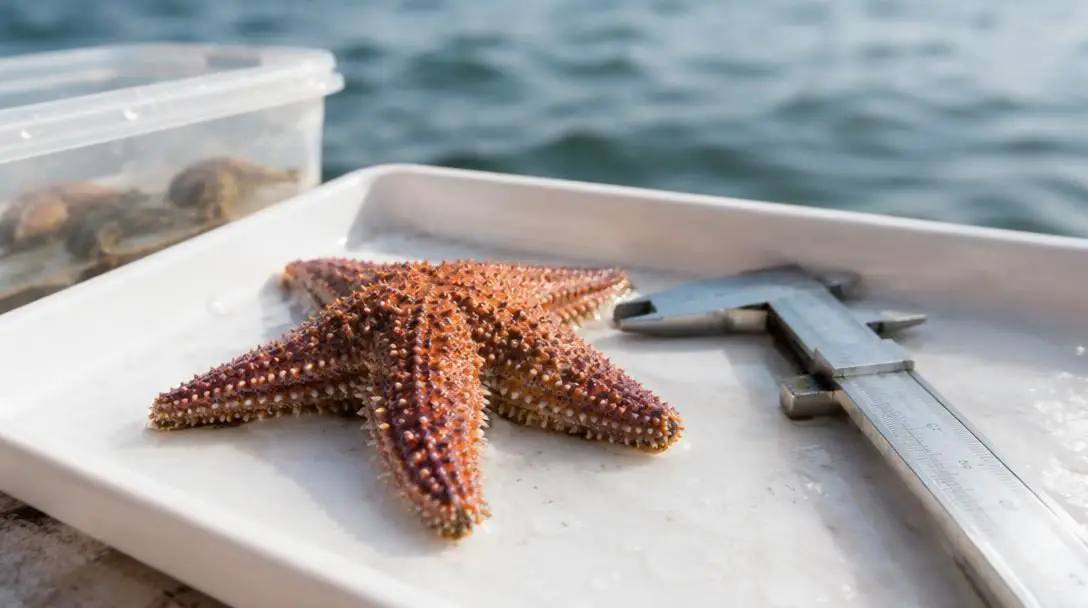
- Marine Protected Areas (MPAs): Established zones that ban or tightly regulate commercial harvesting, mineral extraction, and shipping, giving damaged benthic habitats and depleted fish stocks the undisturbed conditions needed to rebuild biomass.
- Sustainable fishing quotas: Legally enforced yield limits calculated from population modeling that preserve baseline reproductive breeding stocks.
- Source-level plastic reduction: Systematic industrial interventions and municipal regulations aimed at capturing plastic waste before it discharges into river systems and coastal waters.
Career Pathways in the Marine Sciences
Marine biology is a multidisciplinary science rather than a single job description. Practitioners operate at the intersection of organic chemistry, fluid mechanics, population statistics, and wildlife biology. Depending on their primary focus, professionals enter distinct occupational tracks to study, manage, and protect the oceans.
Core professional tracks within the marine sector include:
- Marine Biologist: Focuses on the internal physiology, behavioral ecology, reproductive cycles, and evolutionary biology of specific aquatic organisms.
- Marine Ecologist: Investigates the complex interactions between multi-species biological communities and their physical, non-living environments.
- Marine Conservationist: Formulates public policy, designs protective marine reserves, oversees environmental compliance, and leads active habitat restoration efforts.
- Marine Mammal Trainer: Directs the daily care, welfare husbandry, behavioral enrichment, and clinical conditioning of captive or rehabilitating marine mammals.
Pioneering Discoveries in Uncharted Waters
Because vast swaths of the ocean floor and intermediate pelagic waters remain completely unmapped, marine biology remains an active frontier of novel scientific discovery. Specialized submersibles, autonomous underwater vehicles, and deep-sea sensor arrays regularly reveal species and physiological processes that challenge long-standing biological dogmas.
Recent breakthroughs underscore the adaptability of marine organisms:
- Food-farming octopus: Behavioral researchers documented an octopus species actively cultivating and maintaining its own localized food supply, demonstrating unprecedented behavioral complexity, resource planning, and tool manipulation among marine invertebrates.
- Bioluminescent sharks: Deep-sea expeditions identified a newly classified species of glowing shark, shedding light on the sophisticated role of metabolic light production for communication, camouflage, and predatory coordination within the mesopelagic zone.
- Chemosynthetic ecosystems: Investigations into abyssal hydrothermal vents confirmed the existence of complex biological communities that thrive in total darkness under crushing pressures, using geothermal sulfur compounds instead of solar radiation to generate living tissue.
Specialized Marine Environments at a Glance
The ocean is not a uniform expanse of water; it is divided into distinct ecosystems shaped by light penetration, water temperature, depth, and substrate availability. The table below outlines three primary marine environments, detailing their primary biological producers, primary threats, and defining environmental conditions.
| Marine Environment | Depth & Light Regime | Primary Energy Source | Dominant Ecosystem Drivers | Primary Threat |
|---|---|---|---|---|
| Coral Reefs | Shallow waters; high sunlight penetration | Photosynthetic zooxanthellae algae | High structural complexity, warm waters, intense species competition | Thermal bleaching and ocean acidification |
| Kelp Forests | Temperate coastal shelves; moderate sunlight | Giant kelp (macroalgae) photosynthesis | Cold, nutrient-rich upwelling, high wave energy | Warming waters and overgrazing by urchins |
| Deep-Sea Trenches | Abyssal and hadal depths; total darkness | Chemosynthetic bacteria (geothermal vents) | Near-freezing temperatures, extreme hydrostatic pressure | Deep-sea mining and plastic sedimentation |
Coral Reef Ecosystems
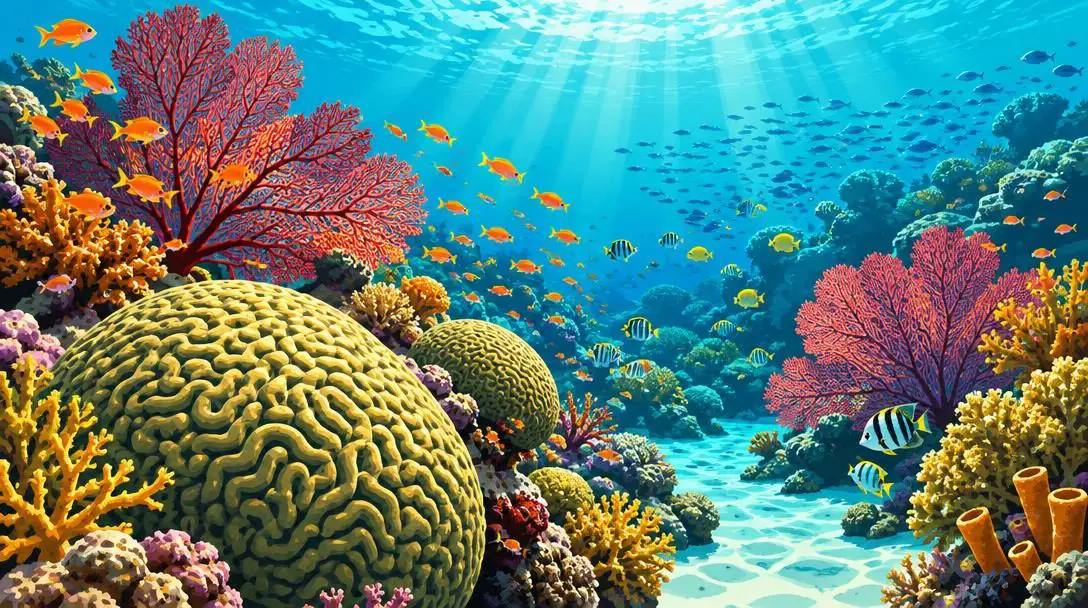
- Depth zone: Shallow euphotic waters (sunlit zone)
- Key characteristic: Exceptionally concentrated biological productivity
- Primary risk: Expulsion of symbiotic algae due to elevated temperatures
Thriving in warm, sunlit tropical shallows, coral reefs represent some of the most biologically dense ecosystems on Earth. Often referred to as the rain forests of the sea, these systems rely on a close mutualistic relationship between coral polyps and microscopic photosynthetic algae. The calcium carbonate structures deposited by these organisms form massive three-dimensional matrices that shelter thousands of associated invertebrate and fish species, providing indispensable wave breaks that safeguard fragile coastlines from storm surges.
Temperate Kelp Forests
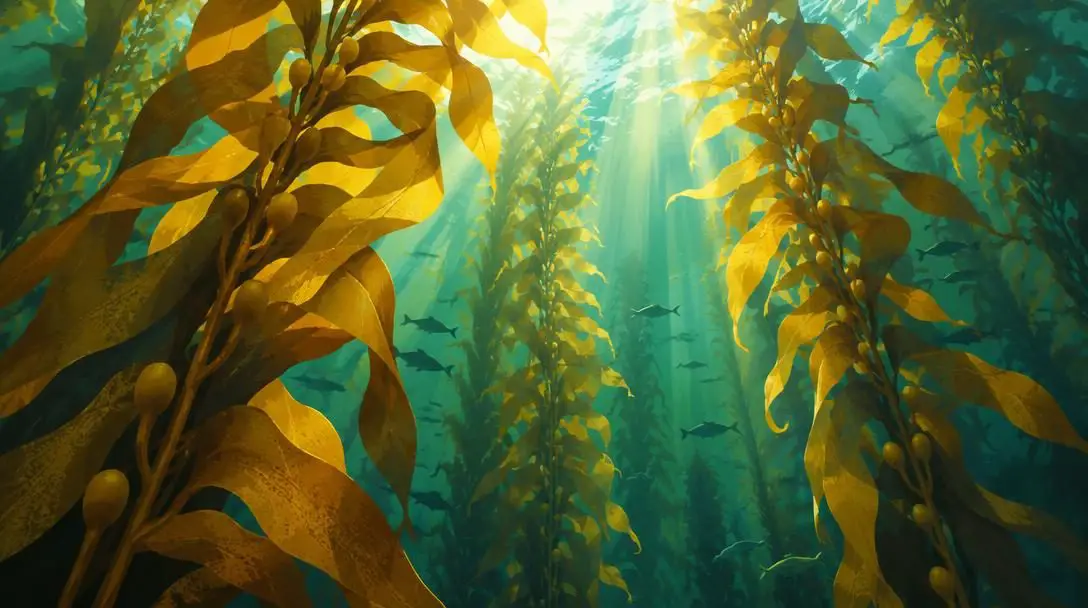
- Depth zone: Coastal temperate shelves with high sunlight access
- Key characteristic: Dense underwater canopies formed by giant macroalgae
- Primary risk: Destabilization of marine trophic balances
Kelp forests form towering underwater canopies along temperate, rocky coastlines. These macroalgal communities require cool, nutrient-dense waters driven by coastal upwelling. The physical structure of kelp breaks powerful oceanic currents, creating sheltered nursery habitats for juvenile finfish, marine mammals, and benthic mollusks. When predator-prey dynamics within these forests are disrupted, runaway herbivore populations can clear-cut these dynamic forests, turning rich ecosystems into biological barrens.
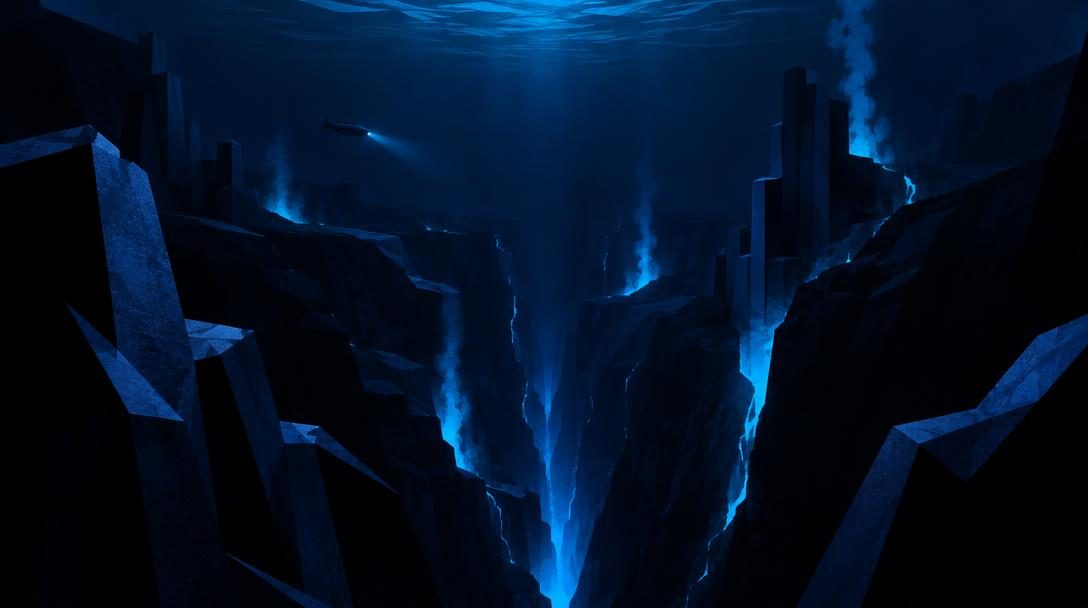
Abyssal Deep-Sea Trenches
- Depth zone: Deep aphotic zone (devoid of solar radiation)
- Key characteristic: Near-freezing temperatures and crushing hydrostatic pressures
- Primary energy: Geothermal and chemical synthesis
Deep-sea trenches plunge miles beneath the ocean surface into total darkness, where water temperatures hover near freezing and hydrostatic pressures exceed hundreds of atmospheres. Organisms dwelling in these hadal regions lack access to sunlight-derived energy. Instead, specialized life-forms rely on organic detritus falling from surface layers or survive near hydrothermal vents where chemotrophic microorganisms convert geothermal chemicals into usable metabolic energy.
Mechanics of Marine Food Webs and Physical Gradients
Energy flow through oceanic ecosystems follows physical rules governed by seawater's properties as a fluid medium. Unlike terrestrial environments, where air offers minimal physical resistance and leaves creatures reliant on soil for nutrients, seawater acts as an active physical conveyor of dissolved gases, heat, minerals, and organic compounds.
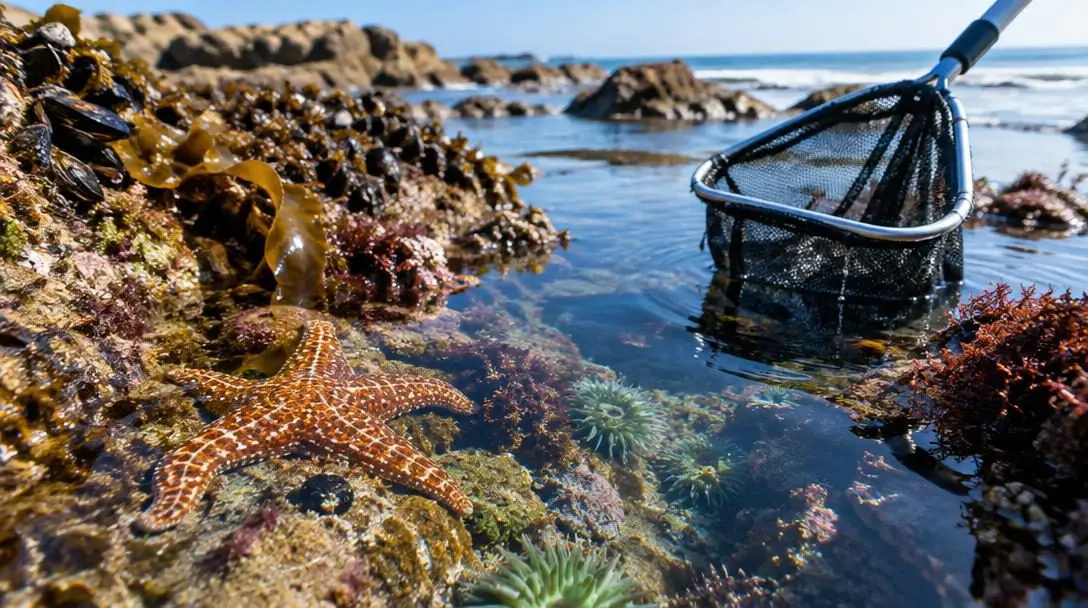
The base of nearly all marine food webs rests upon primary producers. In sunlit surface layers, microscopic phytoplankton synthesize organic carbon via photosynthesis, providing the fundamental energy base that feeds drifting zooplankton, schooling forage fish, pelagic predators, and apex hunters such as large cetaceans and sharks. In the deepest oceanic trenches where solar radiation cannot penetrate, chemotrophic bacteria extract hydrogen sulfide and methane from geothermal seabed vents, creating an independent energy pathway completely separated from the sun.
These biological processes operate along strict physical gradients that divide the water column into distinct functional zones:
- Hydrostatic pressure: Ambient pressure increases by approximately one atmosphere for every ten meters of depth, requiring deep-sea organisms to develop specialized cellular membranes, pliable skeletal frameworks, and pressure-resistant enzymes.
- Light attenuation: Sunlight diminishes exponentially within the upper 200 meters of the water column, establishing the lower boundary of the euphotic zone; below this threshold, ambient solar light is insufficient to sustain photosynthesis.
- The thermocline: Water temperatures drop sharply across a narrow depth boundary known as the thermocline, creating physical stratification that restricts the mixing of oxygenated surface water with cold, nutrient-rich deep currents.
Notable Animal Discoveries in Ocean Science
Exploration of remote marine habitats regularly uncovers animal behaviors and physical capabilities that broaden our understanding of evolutionary biology.
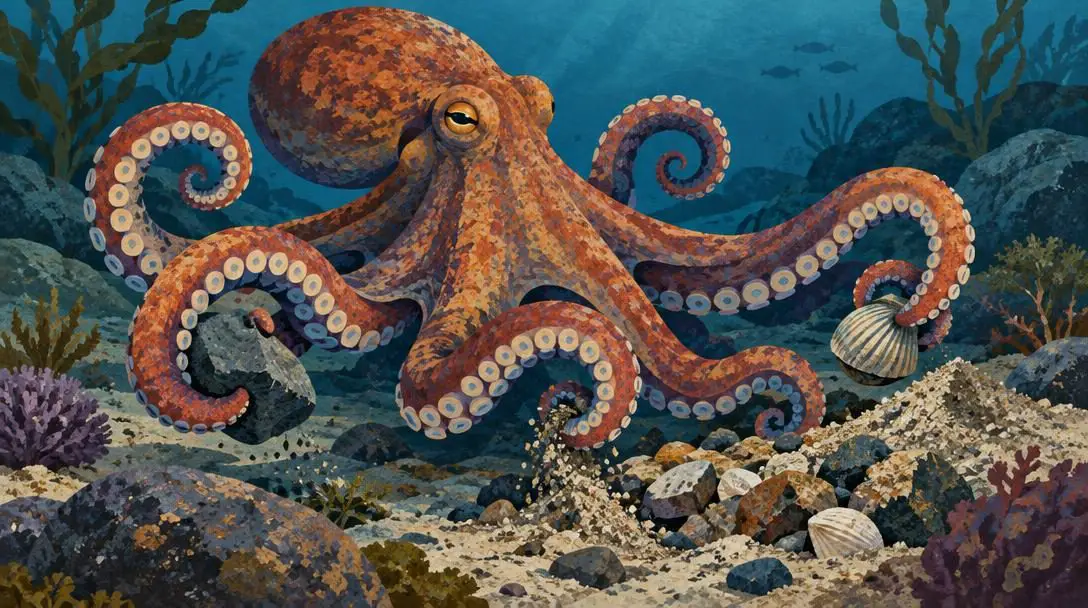
The Food-Farming Octopus
- Organism type: Marine cephalopod mollusk
- Primary behavior: Active cultivation and defense of a food source
- Significance: Demonstrates unprecedented invertebrate behavioral planning
The discovery of an octopus species that deliberately organizes, manages, and farms a localized food resource represents a dramatic leap forward in invertebrate ethology. While tool use among octopuses has been recorded previously, the systematic cultivation of living resources implies a sophisticated understanding of cause, effect, and delayed reward previously assumed to exist only within high-order vertebrate lineages.
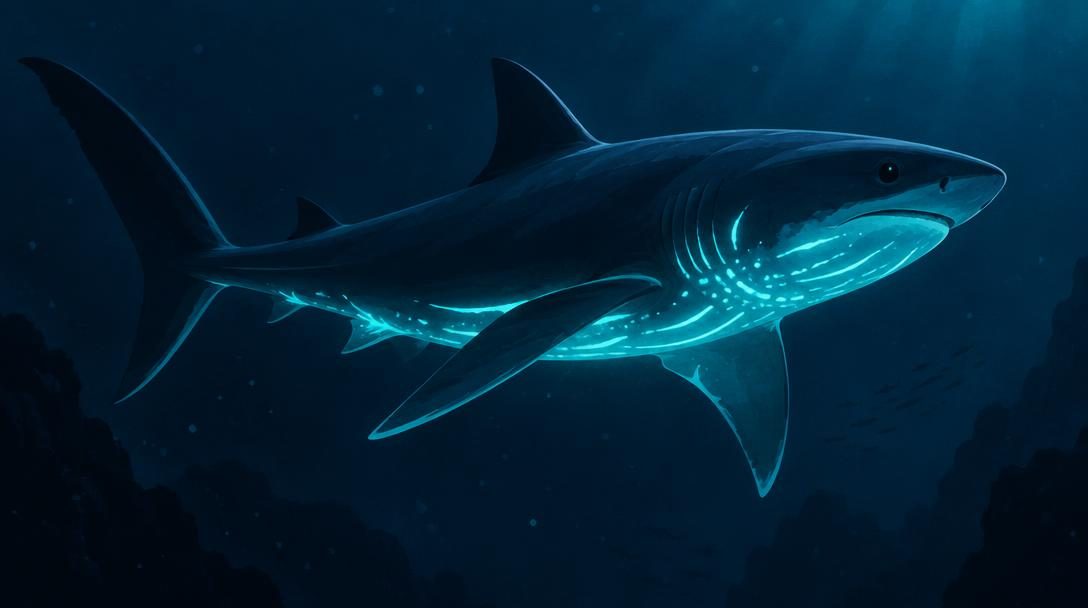
The Bioluminescent Shark
- Organism type: Chondrichthyan cartilaginous fish
- Primary adaptation: Endogenous photophore light production
- Significance: Reveals complex mesopelagic predatory and camouflage tactics
Uncovering a glowing shark species inhabiting the dim twilight zone of the open ocean provides direct insight into how predatory species exploit light in near-total darkness. By emitting controlled bioluminescence along its ventral surface, the shark can match downwelling surface light to disguise its silhouette from predators below—a strategy known as counterillumination—while utilizing targeted light emissions to coordinate social behaviors and ambush prey.
Chemosynthetic Vent Communities
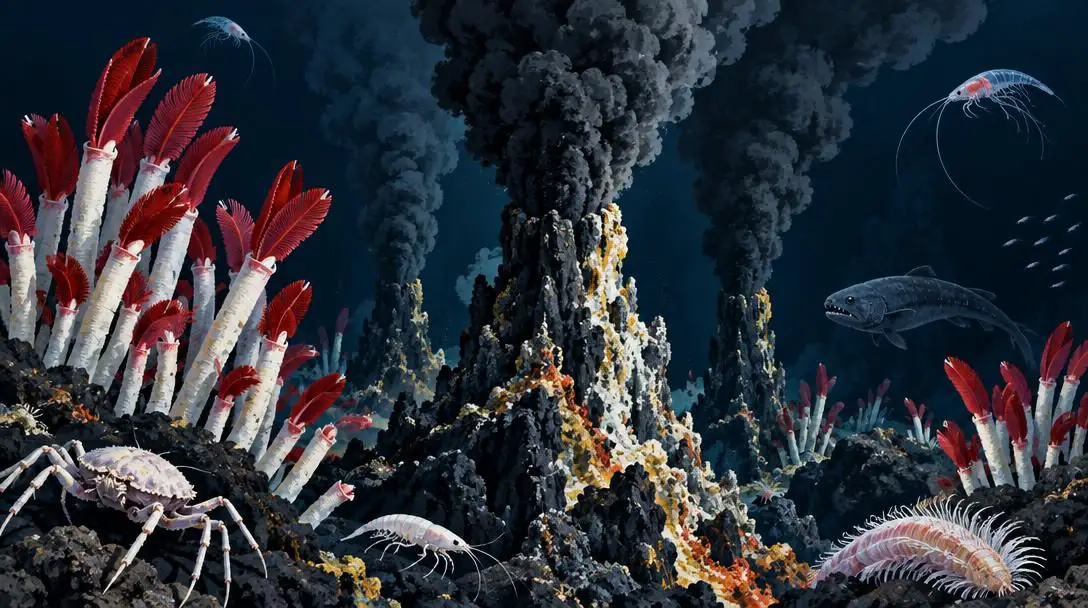
- Ecosystem type: Benthic geothermal seabed community
- Primary energy: Chemolithoautotrophic bacterial synthesis
- Significance: Proves complex life can thrive without solar energy
Deep-sea vent communities cluster around hydrothermal fissures where superheated mineral plumes erupt from the Earth's crust. Rather than starving in the sunless abyss, dense populations of tube worms, giant clams, and specialized crustaceans thrive by harboring symbiotic bacteria that oxidize hydrogen sulfide. These communities fundamentally altered evolutionary theories by establishing that biological systems can thrive entirely independent of solar energy.
Actionable Steps for Supporting Ocean Health
While advanced oceanographic research requires specialized equipment and academic training, individuals can implement clear, practical steps to alleviate ecological strain on marine systems:
- Eliminate non-essential single-use plastics: Choose reusable materials to minimize the volume of synthetic polymers entering municipal storm drains, rivers, and coastal watersheds.
- Choose certified sustainable seafood: Consult certified fisheries guidelines before purchasing seafood to ensure catch methods avoid destructive bottom-trawling, excessive bycatch, and overfished populations.
- Lower your carbon footprint: Reduce personal fossil-fuel energy consumption to curtail the atmospheric carbon emissions that drive global ocean acidification, mass coral bleaching, and polar ice loss.
- Advocate for Marine Protected Areas: Support international and national legislative efforts that designate ecologically critical reefs, kelp beds, and marine corridors as fully protected ocean reserves.
- Participate in watershed and shoreline cleanups: Join organized cleanup efforts along beaches, wetlands, and inland riverbanks to prevent synthetic trash from reaching oceanic currents.
Common Ocean Conservation Misconceptions
Clear thinking about marine preservation requires dismantling widespread misconceptions that cloud public understanding of ocean dynamics:
- Believing the ocean is too vast to fail: Assuming the ocean's massive volume renders it immune to human damage ignores the catastrophic realities of overfishing, global warming, and industrial chemical alteration.
- Focusing solely on charismatic megafauna: Directing attention exclusively toward large species such as whales, dolphins, and sharks overlooks the fact that microscopic phytoplankton and zooplankton form the vital ecological bedrock of oceanic survival.
- Viewing climate change as merely atmospheric: Treating climate disruption as simple air-temperature variation ignores the chemical reality of ocean acidification and expanding oxygen-depleted ocean layers.
- Treating marine habitats as isolated ecosystems: Failing to recognize that ocean currents connect coastal estuaries, tropical reefs, open pelagic waters, and abyssal trenches leads to ineffective, fragmented conservation policies.
- Assuming enthusiasm substitutes for technical training: Believing a passion for sea life is sufficient for a career in marine science ignores the advanced foundations in organic chemistry, calculus, physics, and statistical modeling needed for research.
Frequently asked questions
How does ocean acidification harm marine organisms?
Ocean acidification occurs when seawater absorbs excess atmospheric carbon dioxide, forming carbonic acid. This process decreases the pH of the water and depletes carbonate ions, making it difficult or impossible for calcifying organisms—such as corals, clams, and mollusks—to build and maintain their shells and skeletons.
What percentage of Earth's species reside in the ocean?
Scientific estimates indicate that up to 90% of all living species on Earth dwell within the world's oceans, highlighting that aquatic adaptation is the dominant mode of biological existence on the planet.
Why are Marine Protected Areas (MPAs) effective?
MPAs restrict or entirely prohibit industrial harvesting, commercial fishing, and mineral exploitation within defined boundaries. This legal protection provides damaged seabed habitats, nursery grounds, and depleted populations with the undisturbed conditions necessary to rebuild biomass and replenish surrounding waters.
What subjects should a prospective marine biologist study?
In addition to basic biology, prospective marine scientists must build strong competencies in organic chemistry, physics, fluid dynamics, and statistics. Graduate-level degrees are typically required for professional field research and university leadership positions.
How do deep-sea creatures survive without sunlight?
Deep-sea organisms survive either by consuming biological detritus that falls from upper ocean layers or by living near hydrothermal vents. In vent ecosystems, chemosynthetic bacteria convert geothermal chemical compounds, such as hydrogen sulfide, into organic energy, sustaining food webs without sunlight.
The bottom line
Marine biology provides fundamental insights into the living architecture of our planet. The ocean is not an inexhaustible, self-repairing reservoir, but a finely tuned biological system that regulates Earth's atmosphere, weather patterns, and nutrient cycles. Protecting these aquatic ecosystems requires moving beyond superficial admiration of marine wildlife. By supporting science-based conservation, understanding chemical and physical ocean dynamics, and curbing industrial emissions and waste, society can safeguard the world's oceans and the diverse life-forms that inhabit them.