A Tiny Course In Human Biology: 5 Facts and Insights to Get a Sense of This Fascinating Subject
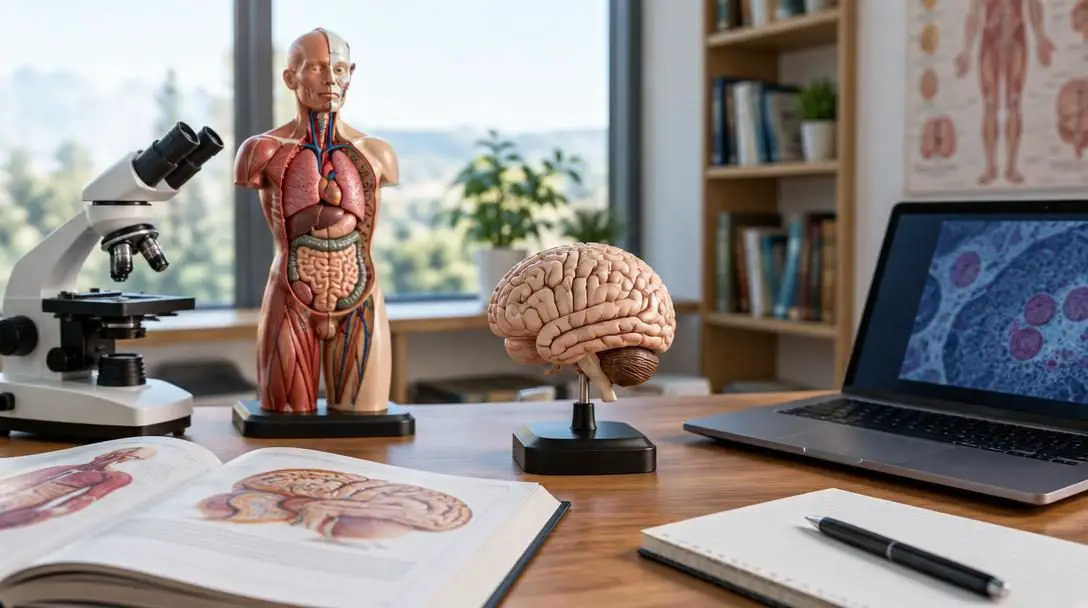
Human biology is the interdisciplinary study of the human body, uncovering how our physical structures, biological networks, and chemical pathways sustain everyday life. Rather than operating in isolation, the field unites anatomy, physiology, genetics, neuroscience, and immunology to reveal the complex mechanisms that keep us alive, healthy, and conscious.
Gaining a clear understanding of these mechanisms helps demystify medical concepts, empowering individuals to interpret medical advice, identify potential symptoms of disease, and make informed lifestyle decisions. By breaking down the body into fundamental systems and principles, this vast and often intimidating science becomes approachable, logical, and deeply engaging.
Key takeaways
- Human biology integrates diverse branches of science, including anatomy, physiology, genetics, neuroscience, and immunology.
- The human body is organized hierarchically, stepping upward from specialized cells to four primary tissue types, functional organs, and integrated organ systems.
- Sequenced in 2003, the human genome opened new frontiers in medicine, paving the way for targeted tools like CRISPR-Cas9 and personalized healthcare.
- The brain coordinates consciousness, sensory input, and movement via billions of neurons and exhibits lifelong neuroplasticity to adapt and heal.
- Defenses against disease rely on two complementary immune arms—innate and adaptive—while regenerative medicine seeks to repair tissues using stem cells and 3D bioprinting.
The foundational disciplines of human biology
To grasp the human body in its entirety, scientists investigate its mechanics across multiple dimensions. Each distinct subdiscipline brings specialized tools and perspectives to describe how the living machine functions under normal conditions and what goes wrong during illness.
- Anatomy: The structural mapping of the human frame, examining the layout and physical characteristics of bones, muscles, blood vessels, and internal organs.
- Physiology: The study of biological mechanisms and functions, explaining how anatomical parts carry out operations such as regulating core body temperature and blood pressure.
- Genetics: The exploration of inherited instructions encoded in DNA, illustrating how physical traits and biological liabilities pass down across generations.
- Neuroscience: The investigation of the central and peripheral communication networks that govern conscious thought, sensory perception, and motor coordination.
- Immunology: The study of the physiological defense apparatus that guards the internal environment against external pathogens and internal abnormalities.
Five core pillars of the human body
Demystifying how our bodies operate begins with examining the structural, computational, genetic, defensive, and restorative frameworks that govern our physiology. Below are the five fundamental pillars that explain how the living body builds itself, executes commands, neutralizes threats, and repairs damage.
The hierarchy of cells, tissues, and organs
The human body contains trillions of cells, with each unit adapted to carry out distinct biological responsibilities. Because no single cell can handle every survival requirement independently, specialized cell varieties perform designated functions. Red blood cells specialize in carrying oxygen from the lungs to distant tissues, white blood cells target and eliminate infectious agents, nerve cells conduct impulses over long distances, and muscle cells contract to produce mechanical movement.
These cells assemble into tissues—cooperative assemblies of similar cells performing shared activities. The body relies on four major tissue classifications:
| Tissue Type | Primary Role | Key Characteristics |
|---|---|---|
| Epithelial tissue | Coverage and boundary defense | Lines external body surfaces, internal organ cavities, and forms protective barriers. |
| Connective tissue | Support and structural integration | Anchors internal organs, binds bodily structures together, and provides physical support. |
| Muscle tissue | Physical force and contraction | Enables voluntary movements like walking alongside involuntary actions like heart contractions. |
| Nerve tissue | Signal transmission and processing | Conducts electrical impulses to establish a rapid communication network throughout the body. |
Different tissues combine to form distinct organs, each designed for complex physiological tasks. Organs subsequently integrate into larger organ systems, such as the digestive system for nutrient absorption, the respiratory system for gas exchange, and the nervous system for environmental monitoring and response.
The architecture of DNA and genetics
At the center of cellular development and operation resides DNA, the biological code governing inherited traits. Stored inside nearly every cell, this double-stranded molecular blueprint specifies the instructions necessary to build and maintain a living human. The full human genome was successfully sequenced in 2003, providing medical researchers with a comprehensive molecular roadmap that transformed our grasp of complex conditions, including cancer and rare inherited disorders.
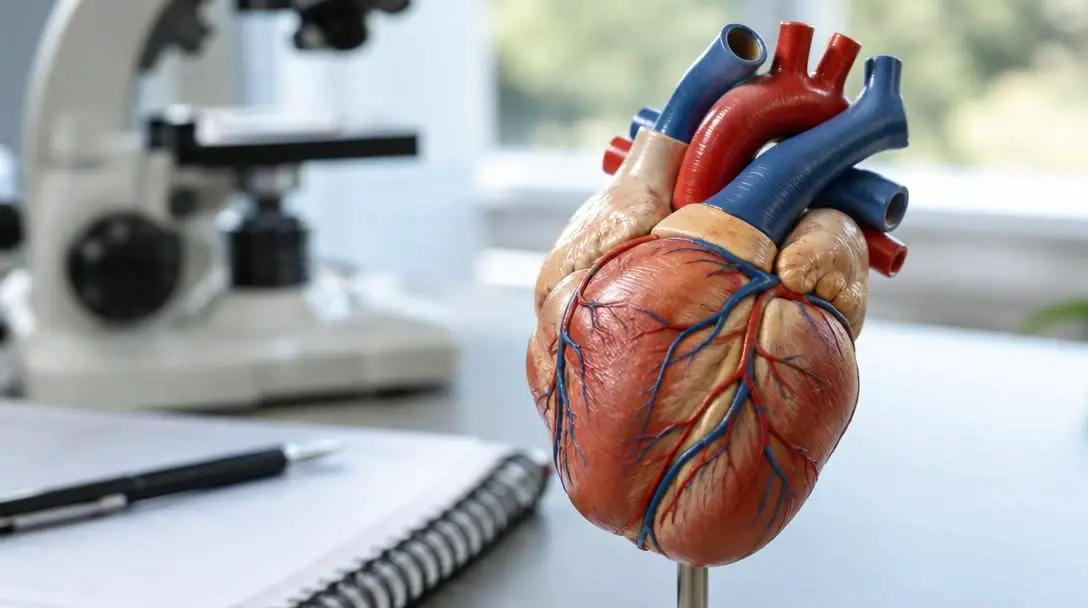
Within this genome, functional units known as genes provide the recipes for synthesizing proteins. These proteins carry out essential structural, enzymatic, and regulatory duties throughout the body. When the fundamental sequence of a gene is altered, it produces a gene mutation. While mutations can compromise normal protein performance and trigger illness, some alterations convey selective advantages. For example, carrying a specific mutation associated with sickle cell anemia confers measurable resistance against severe malaria infections.
The wiring of the human brain
The human brain serves as the central command post, overseeing organ systems while generating consciousness, memory, emotion, and perception. It contains billions of neurons—specialized communication units that relay information through an intricate mix of electrical charges and chemical messages. This coordinated signaling lets our systems respond to internal conditions and environmental stimuli within milliseconds.
Communication between neurons occurs across specialized microscopic gaps known as synapses. When an electrical action potential travels to the terminus of a nerve cell, it prompts the release of specialized chemicals called neurotransmitters. These molecules diffuse across the synaptic cleft to bind with matching receptors on the neighboring cell, transmitting or dampening the message. Through this mechanism, the brain coordinates four primary physiological domains:
- Sensory processing of internal conditions and external surroundings
- Coordination, balance, and deliberate motor execution
- Emotional regulation and behavioral responses
- Short-term working memory and durable long-term storage
Far from remaining fixed in adulthood, the brain exhibits remarkable neuroplasticity. This characteristic allows neural circuits to reorganize, forge new pathways, and adapt in response to education, environmental stimuli, or physical trauma. Harnessing this plasticity offers therapeutic pathways for managing neurodegenerative disorders such as Parkinson's disease and Alzheimer's disease.
The multilayered immune system
Surrounded by environmental microbes, the human body relies on an immune system composed of coordinated cells, specialized tissues, and defense organs. This apparatus protects against foreign pathogens—such as bacteria and viruses—while monitoring the body for abnormal cells that could lead to cancer. White blood cells orchestrate this defense, with specialized T cells and B cells identifying antigens, coordinating immune responses, and clearing foreign threats.
The immune system organizes its defensive forces across two integrated branches:
- Innate immunity: Operates as the body's rapid, first-line defense. It deploys physical barriers, chemical secretions, and nonspecialized white blood cells to block and attack intruders immediately upon exposure.
- Adaptive immunity: Mounts targeted responses against specific foreign invaders. By analyzing precise molecular signatures, adaptive immunity creates long-lasting immune memory against individual pathogens.
This immunological memory provides the biological basis for vaccination. Vaccines present harmless fragments of a pathogen to stimulate adaptive defenses without causing sickness, prompting B cells and T cells to remember the pathogen. If the live microbe invades later, the body rapidly neutralizes it. When immune regulation falters, however, autoimmune diseases arise. In conditions such as rheumatoid arthritis, lupus, and multiple sclerosis, the immune system mistakenly targets healthy native tissues, producing chronic inflammation and localized damage.

Vaccines harness the adaptive immune system's memory capacity to train the body against dangerous pathogens without triggering the actual disease.
Regenerative medicine and future technologies
Modern clinical practice is evolving from purely managing chronic symptoms toward repairing or replacing diseased tissues directly. Regenerative medicine combines biological engineering and clinical therapy to restore damaged organs previously considered beyond recovery. At the core of this transformation are stem cells, unspecialized cells with the remarkable ability to differentiate into specific cell varieties, such as functional heart muscle, neurons, or protective cartilage.
Parallel breakthroughs in three-dimensional bioprinting are opening possibilities for donor organ manufacturing. By layering biocompatible scaffolds and live cells, biomedical engineers seek to produce functional replacement organs to solve ongoing donor shortages. Alongside bioprinting, personalized medicine leverages an individual's distinct genetic sequence and daily lifestyle habits to design customized medical therapies, ensuring medical treatments are tuned to each patient's individual biology.
How biological systems coordinate in real time
The human body does not operate as isolated, independent modules. Instead, physiological systems engage in continuous real-time feedback loops to maintain equilibrium. When an individual engages in physical exertion, multiple anatomical networks coordinate instantaneously to maintain biological balance.
- The nervous system processes environmental cues through sensory pathways, prompting the motor cortex to dispatch movement signals along nerve fibers.
- Motor neurons stimulate target muscle tissues to contract, creating mechanical motion.
- Contracting muscle cells consume energy rapidly, demanding an immediate replenishment of oxygen and glucose.
- The respiratory system accelerates the exchange of oxygen and carbon dioxide, while the digestive system contributes absorbed glucose.
- The circulatory system transports oxygenated red blood cells and glucose throughout the vascular network to fuel muscular exertion.
- Simultaneously, the endocrine and autonomic nervous systems adjust blood vessel diameter and elevate heart rate to maintain continuous circulation.
Immune defenses are equally tied to these systemic networks. White blood cells travel through the bloodstream and cross connective tissue layers to reach sites of potential infection. Concurrently, the central nervous system exchanges chemical messengers with immune cells, regulating systemic responses such as inducing fever or shifting sleep cycles to aid recovery.
Frequently asked questions
What is the primary difference between anatomy and physiology?
Anatomy centers on the physical structures of the human body, such as bones, muscles, blood vessels, and organs. Physiology investigates the dynamic processes and mechanisms through which those physical structures function and maintain internal balance.
How do vaccines interact with the human immune system?
Vaccines introduce safe, harmless fragments of a pathogen to trigger the adaptive immune response. This stimulates B cells and T cells to build specific immunological memory, allowing the body to mount an immediate defense if exposed to the actual pathogen in the future.
What are the four primary tissue types in the human body?
The four primary tissue types are epithelial tissue, which covers body surfaces and lines organ cavities; connective tissue, which binds structures together and provides structural support; muscle tissue, which contracts to generate physical movement; and nerve tissue, which transmits electrical impulses across bodily networks.
Why was sequencing the human genome in 2003 so significant?
Sequencing the complete human genome in 2003 provided scientists with an exhaustive genetic blueprint of human DNA. This milestone transformed medical research by identifying the genetic foundations of complex conditions like cancer and facilitating advanced gene-editing tools like CRISPR-Cas9.
What role do stem cells play in regenerative medicine?
Stem cells are unique because they have the potential to differentiate into specialized cell types, such as nerve cells, heart muscle cells, or cartilage. Researchers use them to regenerate damaged tissues and develop cellular therapies that repair diseased organs.
The bottom line
Human biology provides the conceptual framework for understanding the mechanisms of the human body. From the precise instructions written inside our DNA to the dynamic signaling pathways of the central nervous system, every anatomical structure and physiological reflex operates as part of an integrated, self-regulating network.
Recognizing the connections among cells, tissues, organs, and defense networks transforms how we approach modern health. As technological breakthroughs in CRISPR-Cas9 gene editing, stem cell differentiation, and bioprinting accelerate, understanding biological principles allows us to navigate evolving medical treatments, take proactive preventive steps, and appreciate the living machine that sustains our daily lives.