Best NBA Basketball Coaches of the 2000s
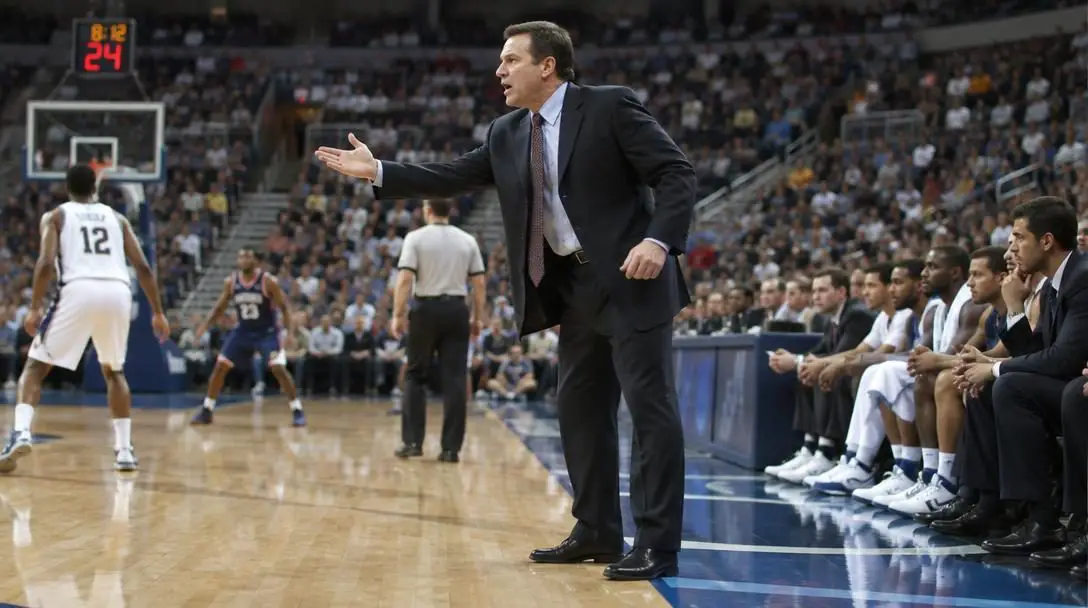
The ten seasons spanning from 1999–2000 through 2008–09 represent one of the most transformative decades in National Basketball Association history. Following Michael Jordan's departure, the league faced the dual challenge of promoting a fresh generation of transcendent athletes while maintaining relentless defensive integrity. Games in this era were characterized by bruising half-court physical play, rigorous paint protection, and strategic half-court chess matches where every possession carried championship implications.
Guiding a franchise through this demanding climate required much more than drawing diagrammed plays on a clipboard. The elite head coaches of the 2000s had to build resilient organizational cultures, navigate massive media markets, and neutralize generational talents across grueling seven-game postseason battles. While respected tacticians such as Flip Saunders, Doc Rivers, Hubie Brown, and Avery Johnson engineered remarkable playoff runs, only a select group reached the absolute pinnacle of coaching achievement during this ten-year stretch.
Key takeaways
- Phil Jackson established unmatched dominance during the 2000s by securing four NBA championships across six Finals appearances with the Los Angeles Lakers.
- Gregg Popovich engineered a model of sustained excellence with the San Antonio Spurs, winning three titles and never winning fewer than 53 games in any single season.
- Larry Brown etched his name into history by becoming the only head coach to capture both an NCAA Division I National Championship and an NBA Finals trophy.
- Pat Riley reaffirmed his status as a master motivator by guiding the Miami Heat to the 2006 title, capturing his fifth career championship as an NBA head coach.
- Rick Adelman demonstrated that fluid team-oriented offense could produce perennial title contention, guiding the Sacramento Kings to a .633 winning percentage over the decade.
The structural challenges of coaching in the 2000s
Coaching professional basketball during the 2000s required mastering tactical systems fundamentally distinct from those seen in earlier run-and-gun decades or subsequent perimeter-oriented styles. Defensive architecture was the essential prerequisite for postseason success. Elite franchises constructed walls inside the paint, deployed ferocious perimeter stoppers, and systematically funneled opposing offenses into contested, low-efficiency mid-range jump shots.
Roster construction placed an immense premium on managing frontcourts with dominant post players. Leaders had to invent offensive systems that capitalized on generational interior forces while establishing precise floor spacing for perimeter contributors. Furthermore, with regular-season tactics exhaustively scouted, playoff series turned into multi-game tactical warfare where minute adjustments to substitutions, inbound sets, and defensive coverages determined which franchise raised the Larry O'Brien Championship Trophy.
The five premier NBA head coaches of the decade
Evaluating the top tacticians between the 1999–2000 and 2008–09 seasons reveals a cadre of sideline leaders who defined championship standards. Four of the five captured at least one NBA title during this specific timeframe, while the lone uncrowned strategist engineered one of the most beloved and competitive programs in modern basketball.
| Coach | Primary 2000s Franchise | Decade NBA Titles | Notable 2000s Milestone |
|---|---|---|---|
| Phil Jackson | Los Angeles Lakers | 4 | Six Western Conference championships |
| Gregg Popovich | San Antonio Spurs | 3 | Minimum of 53 regular-season wins every year |
| Larry Brown | Detroit Pistons / Philadelphia 76ers | 1 | Only coach with NCAA and NBA titles |
| Pat Riley | Miami Heat | 1 | Captured fifth career NBA coaching title in 2006 |
| Rick Adelman | Sacramento Kings | 0 | 395–229 overall record (.633 win percentage) |
Rick Adelman
- Decade Record: 395–229 (.633 winning percentage)
- Primary Team: Sacramento Kings
- Peak Playoff Finish: Western Conference Finals (2002)
- Prior Head Coaching Role: Golden State Warriors
Rick Adelman stands out as the solitary figure on this list who did not hoist a championship trophy during the 2000s, yet his sustained excellence and strategic innovation warrant elite recognition. Taking over the Sacramento Kings in 1998 following an earlier coaching stint with the Golden State Warriors, Adelman inherited an organization with little modern history of deep postseason success. He transformed the franchise into a perennial powerhouse characterized by dazzling passing, elite cutting, and remarkable offensive chemistry.
Under Adelman's guidance, Sacramento qualified for the postseason in every single campaign he spent on the sideline during the decade. He amassed an overall record of 395–229, yielding a remarkable .633 winning percentage. The Kings reached their competitive peak in 2002, pushing the eventual champion Los Angeles Lakers to the absolute brink in an unforgettable, controversial seven-game Western Conference Finals series. Though Jackson's Lakers repeatedly blocked his path to an NBA Finals appearance, Adelman proved that unselfish, high-IQ team basketball could flourish at the highest levels of professional competition.
Pat Riley
- Decade Championships: 1 (2006)
- Career Milestone: 5th NBA head coaching title
- Primary Team: Miami Heat
- Key Decade Stars: Dwyane Wade and Shaquille O'Neal
Pat Riley arrived in the decade with his Hall of Fame credentials already cemented across two iconic eras. After directing the glamorous "Showtime" Los Angeles Lakers during the 1980s and creating the physically imposing New York Knicks of the 1990s, Riley assumed leadership of the Miami Heat in 1995, building the framework for a dominant run in South Florida.
Riley experienced a turbulent decade in Miami that featured two seasons where the Heat missed the postseason entirely. Nevertheless, when the competitive window cracked open, his unmatched motivational mastery took over. Uniting the youthful brilliance of Dwyane Wade with the veteran interior presence of Shaquille O'Neal, Riley guided Miami to the 2006 NBA Championship. Overcoming a difficult deficit in the Finals, the championship victory marked the fifth head coaching title of Riley's storied career and solidified his standing as one of the game's greatest leaders under high-stakes postseason pressure.
Larry Brown
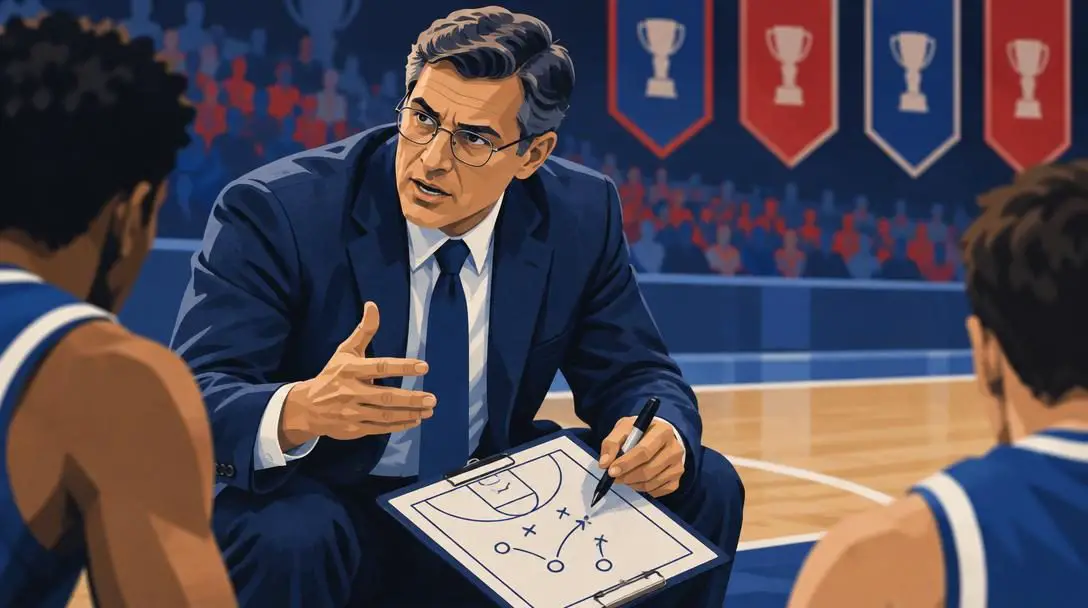
- Historic Distinction: Only coach to win both an NCAA Division I title and an NBA Finals
- Key Teams: Philadelphia 76ers and Detroit Pistons
- Pistons Record: Identical 54–28 records in back-to-back Finals seasons
- Championship Year: 2004
Larry Brown holds a unique resume in basketball history, standing as the only coach to secure both an NCAA Division I National Championship and an NBA title. After leading the Kansas Jayhawks to collegiate glory in 1988, Brown immediately transitioned back to the professional ranks with the San Antonio Spurs, later managing the Los Angeles Clippers, Indiana Pacers, and Philadelphia 76ers through the 1990s.
Brown entered the 2000s with Philadelphia, guiding the 76ers straight to an NBA Finals appearance to start the decade while securing three consecutive playoff trips before his departure following the 2002–03 season. He subsequently took over the Detroit Pistons, orchestrating two historic seasons marked by identical 54–28 regular-season records and consecutive trips to the NBA Finals. In 2004, Brown's defensively disciplined Pistons stunned the star-studded Los Angeles Lakers in a historic championship upset. Brown closed out his decade on the sidelines with subsequent coaching stops managing the New York Knicks and Charlotte Bobcats.
Gregg Popovich
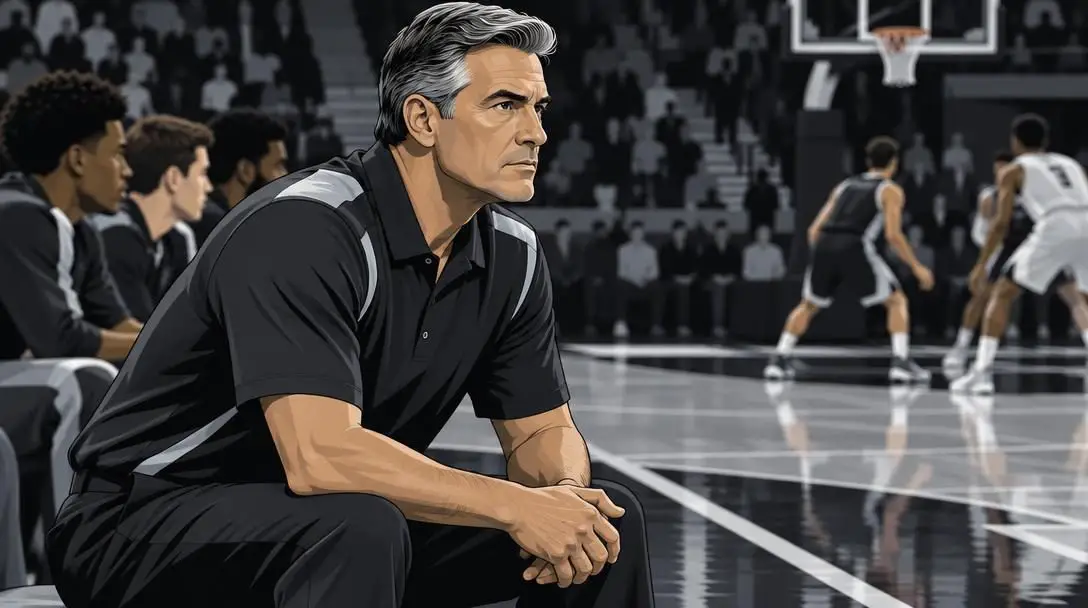
- Decade Championships: 3 (2003, 2005, 2007)
- Primary Team: San Antonio Spurs
- Decade Consistency: Never won fewer than 53 games in a single season
- Division Finish: Never finished lower than second place in the division
Gregg Popovich assumed control of the San Antonio Spurs during the 1996 campaign, beginning his head coaching career with a rocky 17–47 mark in a year plagued by roster injuries that resulted in missing the playoffs. Popovich rapidly altered that reality, capturing a championship before the end of the 1990s and maintaining ruthless dominance across the entirety of the 2000s.
Popovich established an unmatched baseline of consistency throughout the decade. In every single year from 1999–2000 through 2008–09, Popovich led the Spurs to the postseason, never finished lower than second place in his division, and never finished a single regular season with fewer than 53 victories. This relentless standard yielded three NBA championships during the decade. While his three titles cemented San Antonio as the premier small-market dynasty in modern sports, it finished just one title shy of the summit held by the decade's top coach.
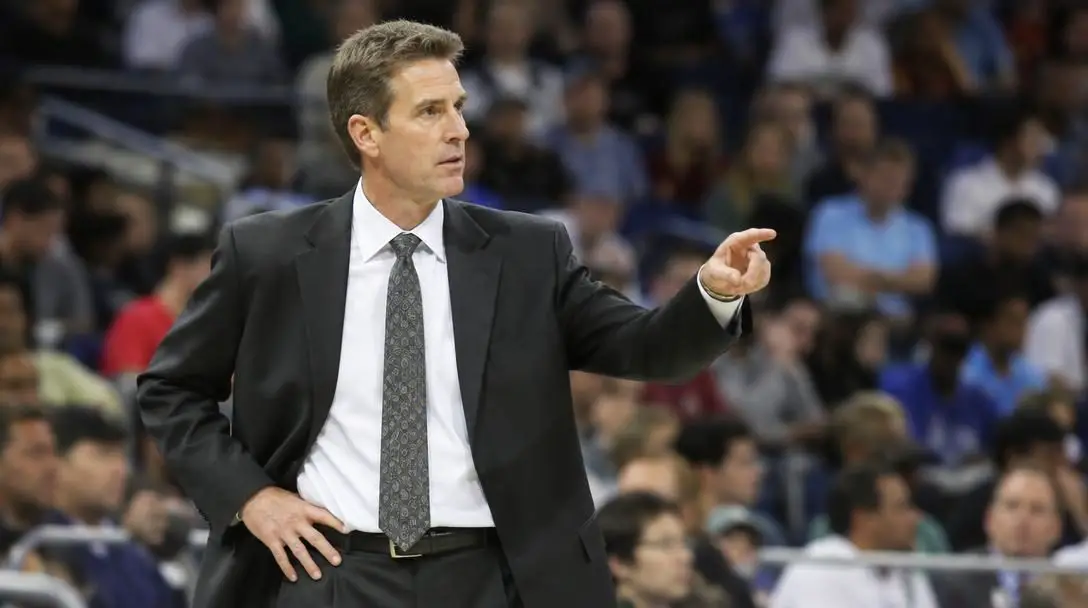
A coach's lasting greatness relies on translating regular-season consistency into decisive tactical adjustments across grueling seven-game playoff battles.
Phil Jackson
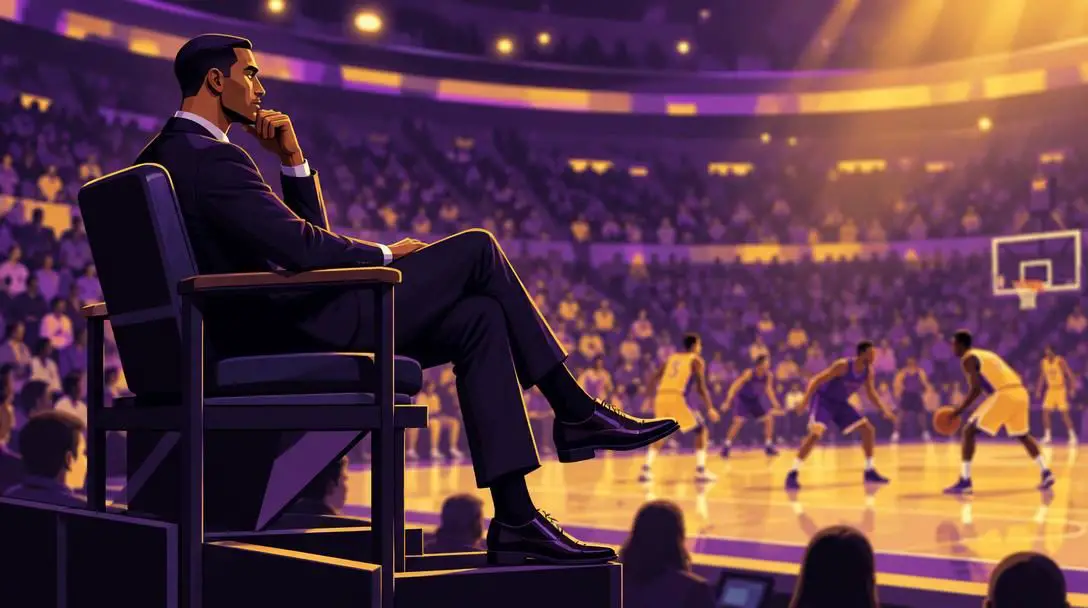
- Decade Championships: 4 (2000, 2001, 2002, 2009)
- Conference Titles: 6 Western Conference championships
- Primary Team: Los Angeles Lakers
- Prior Dynasty: 6 NBA titles with the Chicago Bulls in the 1990s
Phil Jackson stands at the apex of professional basketball coaching. Having already won six NBA championships with the Chicago Bulls during the 1990s, Jackson arrived in Southern California in 1999 to helm the Los Angeles Lakers and proceeded to dominate yet another decade. Jackson never registered a single losing record throughout his time with the Lakers, reached the postseason in every year he coached the franchise, and brought home six Western Conference championships.
Jackson collected four NBA championships during the 2000s decade. He launched the era by orchestrating a historic three-peat, sweeping or overpowering opponents from 2000 through 2002, and capped off the ten-year period by leading the Lakers to another title in the 2008–09 campaign. Jackson added a fifth Lakers ring shortly after the decade concluded in 2010. By seamlessly blending tactical offensive execution with an unmatched ability to manage massive superstar personalities, Jackson demonstrated that his coaching philosophies transcended individual rosters. His accomplishments across Chicago and Los Angeles represent two distinct Hall of Fame careers rolled into one individual.
Core dynamics that defined 2000s basketball leadership
To truly understand how coaches like Jackson, Popovich, Brown, Riley, and Adelman separated themselves from their peers, one must examine the specific tactical demands of the 2000s environment:
- Defensive systems dictated playoff outcomes: Unlike subsequent eras focused on high-volume three-point shooting, teams in the 2000s won by locking down the painted area, rotating to contest mid-range jumpers, and controlling the defensive glass.
- Maximizing dominant frontcourts: Offenses frequently ran through physically imposing post presences like Shaquille O'Neal. Coaches had to devise schemes that allowed centers to collapse interior defenses while organizing precise passing lanes on the perimeter.
- Rapid in-series postseason adjustments: Playoff series operated as tactical marathons. Because opponent scouting reports were exhaustive, head coaches had to alter substitution patterns, defensive cross-matches, and baseline out-of-bounds plays game by game.
- Navigating superstar egos under national scrutiny: Entering the post-Jordan marketing boom, coaches managed high-profile athlete personalities under relentless media coverage, requiring leaders to enforce accountability without fracturing locker room trust.
How to evaluate historical coaching legacies
Evaluating and ranking head coaches across different eras can easily turn subjective without an objective analytical process. Observers seeking to compare sports leaders across eras can apply these structured steps to evaluate coaching impact:
- Examine baseline regular-season consistency: Evaluate whether a coach consistently generated winning records across multiple campaigns without experiencing catastrophic losing seasons during roster transitions.
- Track postseason qualification frequency: Great coaches regularly guide their rosters into the playoffs, maintaining high standards despite standard roster turnover, aging personnel, or unexpected injuries.
- Quantify deep playoff milestones: Tally conference finals berths, Finals appearances, and championships to differentiate reliable regular-season floor-raisers from championship-caliber ceiling-raisers.
- Weigh results against franchise context: Consider the historic trajectory of the organization prior to the coach's arrival, rewarding leaders who elevate historically struggling franchises into perennial contenders.
- Analyze head-to-head postseason battles: Review how the coach performed when matched directly against peer tacticians in high-stakes playoff series where tactical adjustments mattered most.
Common analytical traps when looking back at the decade
When sports enthusiasts analyze the 2000s through a modern lens, several common misconceptions distort the actual coaching performance of that era:
- Evaluating past schemes with modern analytical standards: Judging 2000s offenses solely on modern three-point volume and pace ignores the physical rulebook and defensive hand-checking realities of the period.
- Attributing titles solely to superstar rosters: While generational talent is essential to winning championships, talent alone cannot win titles without a cohesive defensive foundation and locker-room culture.
- Dismissing elite tacticians who lacked championships: An absolute ring-or-bust evaluation overlooks tacticians like Rick Adelman, whose offensive systems produced historic regular seasons and sustained contention against legendary opponents.
- Overlooking roster turnover and rebuilding cycles: Top coaches rarely enjoyed static, flawless rosters; sustaining competitive success over a ten-year span required continually retooling around aging veterans and emerging talent.
Frequently asked questions
Which NBA coach won the most championships during the 2000s?
Phil Jackson won the most championships during the decade, capturing four NBA titles with the Los Angeles Lakers (2000, 2001, 2002, and 2009).
Why is Rick Adelman ranked among the top coaches without winning a title?
Rick Adelman earned his ranking by compiling an impressive 395–229 record (.633 winning percentage) with the Sacramento Kings, reaching the playoffs in every season he coached them during the decade, and pushing the eventual champion Lakers to a historic seven-game Western Conference Finals in 2002.
What unique milestone did Larry Brown achieve in coaching history?
Larry Brown remains the only head coach in basketball history to win both an NCAA Division I National Championship (with the Kansas Jayhawks in 1988) and an NBA championship (with the Detroit Pistons in 2004).
How many titles did Gregg Popovich win between 1999–2000 and 2008–09?
Gregg Popovich captured three NBA championships with the San Antonio Spurs during this ten-season span, winning titles in 2003, 2005, and 2007.
Which head coaches just missed the top five ranking for the 2000s?
Prominent head coaches who compiled impressive resumes during the decade but narrowly missed the top five tier include Flip Saunders, Doc Rivers, Hubie Brown, and Avery Johnson.
The bottom line
The 2000s represented a golden age of sideline strategy where head coaches carried immense responsibility for their franchises' competitive identities. Across a decade defined by defensive grit, frontcourt power, and intense half-court execution, figures like Phil Jackson, Gregg Popovich, Larry Brown, Pat Riley, and Rick Adelman set an enduring benchmark for organizational leadership. By building durable systems capable of surviving the playoff crucible, these tacticians established the standard of greatness against which all modern basketball coaches are evaluated.