Big Blue Boss: Brian Daboll’s Path to Coaching the New York Giants
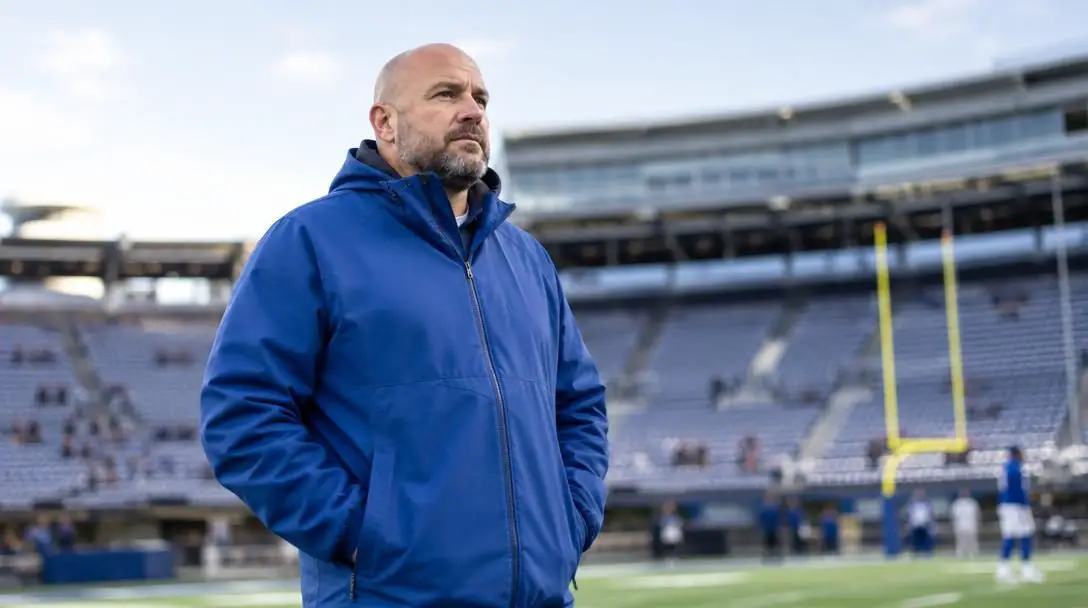
In professional sports, identifying the right leader to guide a franchise through transition is an exacting and often unpredictable process. Across the National Football League, front offices regularly roll the dice on rising coordinators who have never previously held a head coaching position at any competitive level. When the New York Giants officially introduced Brian Daboll as the 22nd head coach in franchise history, the decision marked a major strategic commitment to a coach whose unorthodox professional path crossed collegiate programs, high-pressure coordinator positions, and championship dynasties.
To outside observers, Daboll appeared to emerge quickly from the ranks of NFL coordinators to secure one of the most visible leadership roles in American athletics. However, his journey reveals a multi-decade progression defined by early entry-level positions, severe professional turbulence across multiple franchises, and a calculated return to foundational coaching roles before resurrecting his career as an elite offensive tactician.
Key takeaways
- Brian Daboll became the 22nd head coach of the New York Giants, breaking a decades-long historical franchise preference for previous head coaching experience.
- Born in Welland, Ontario, Daboll made history by becoming only the second Canadian-born head coach in NFL history.
- After enduring a difficult coordinator stretch in Cleveland, Miami, and Kansas City that yielded a 13–35 combined record, Daboll successfully rebuilt his career through resilient positional shifts.
- Key offensive coordinator tenures with the Alabama Crimson Tide and Buffalo Bills established his reputation for developing elite young quarterback talent.
Historical Coaching Precedent at Big Blue
For more than three decades, the New York Giants adhered to an exceptionally conservative hiring philosophy when selecting sideline leadership. Between 1983 and 2015, the franchise refused to hire any candidate who lacked prior head coaching experience at some competitive tier. That streak came to an end in 2016 with the promotion of Ben McAdoo, though his tenure was brief and concluded with his dismissal during the following season.
Nearly five years later, the organization again opted to move away from conventional head coaching resumes by targeting Daboll. While Daboll had never directed an entire football team from the head coach's seat, his unique background spanning more than two decades of elite college football and NFL schemes gave the front office confidence in his readiness.
Daboll brought a unique personal background to East Rutherford. Born in Welland, Ontario, he entered the league's history books as only the second NFL head coach born in Canada. Raised near Buffalo, New York, he attended the University of Rochester, playing college football before transitioning directly into coaching with William and Mary and Michigan State University during the late 1990s.
Pivotal Stops Along Daboll's Coaching Journey
Daboll’s climb through the professional coaching ranks required navigating steep peaks and severe organizational troughs. By examining each critical stop along his career timeline, coaches and leadership analysts can trace how adaptability and persistence shaped his eventual rise.
New England Patriots

- Initial Role: Defensive assistant and wide receivers coach (2000)
- Return Role: Tight ends coach (2013–2016)
- Major Highlights: Part of Bill Belichick's inaugural staff; earned multiple Super Bowl rings
Daboll broke into the professional ranks in 2000, joining head coach Bill Belichick's original staff in New England. Daboll gained fundamental tactical knowledge during those formative years, eventually earning a promotion to wide receivers coach. After later stints with rival franchises and difficult coordinator tenures, Daboll returned to New England to coach tight ends. That second stint delivered two additional Super Bowl championships, restoring his reputation as an elite position coach inside a championship organization.
Cleveland Browns

- Role: Offensive coordinator (2009–2010)
- Tenure Length: Two seasons
- Outcome: Replaced following head coaching dismissal
Daboll earned his first offensive coordinator appointment with the Cleveland Browns following a two-year stint working as the quarterbacks coach for the New York Jets. Cleveland provided a grueling introduction to play-calling duties. Facing offensive talent deficits and front-office volatility, Daboll found it difficult to establish consistent production, setting off a challenging three-year sequence of coordinator appointments across the league.
Alabama Crimson Tide

- Role: Offensive coordinator and quarterbacks coach (2017)
- Competition Level: NCAA Division I (FBS)
- Major Achievement: National Championship victory
Seeking to reestablish his autonomy as an offensive play-caller, Daboll stepped away from the NFL to join Nick Saban’s coaching staff at the University of Alabama. In his lone season in Tuscaloosa, Daboll modernised the Crimson Tide offense, demonstrating that his theoretical schemes could flourish across different personnel sets. The season ended with Alabama capturing the national championship, instantly putting Daboll back on the radar for high-profile professional vacancies.
Buffalo Bills

- Role: Offensive coordinator (2018–2021)
- Key Player Project: Josh Allen
- Peak Achievement: Deep postseason run nearing the Super Bowl in 2021
In 2018, Daboll returned to Western New York to assume the offensive coordinator position for the Buffalo Bills. Handed rookie quarterback Josh Allen, Daboll engineered a tailored developmental plan that overcame early struggles. By 2021, Buffalo fielded one of the most explosive offenses in modern football, nearly earning a trip to the Super Bowl and establishing Daboll as one of the most pursued head coaching candidates in the entire league.
Coaching Odyssey at a Glance
The progression of Daboll’s responsibilities across collegiate and professional programs demonstrates how diverse tactical environments shaped his professional profile.
| Organization | Primary Role | Duration | Key Career Outcome |
|---|---|---|---|
| New England Patriots (Stint 1) | Assistant / Wide Receivers Coach | 2000–2006 | Grounding in NFL operational standards under Bill Belichick |
| New York Jets | Quarterbacks Coach | 2007–2008 | Transition to direct quarterback management |
| Cleveland Browns | Offensive Coordinator | 2009–2010 | First NFL offensive play-calling assignment |
| Miami Dolphins | Offensive Coordinator | 2011 | One-year tenure ended by head coach dismissal |
| Kansas City Chiefs | Offensive Coordinator | 2012 | Part of challenging 2-14 campaign and staff release |
| New England Patriots (Stint 2) | Tight Ends Coach | 2013–2016 | Two additional Super Bowl victories; career stabilization |
| Alabama Crimson Tide | Offensive Coordinator | 2017 | College Football Playoff National Championship |
| Buffalo Bills | Offensive Coordinator | 2018–2021 | Developed Josh Allen into elite quarterback; NFL Assistant Coach of the Year candidate |
Navigating consecutive regime changes and accepting subordinate roles proved to be the foundation for long-term career revitalization.
The Mechanics of an NFL Head Coach Hiring Search
The sequence that brought Daboll to New York offers an inside look at the highly regulated, multi-stage hiring procedures required across modern professional football. Franchises must balance league-mandated protocols, deep background research, and competitive timelines.
- Candidate Identification and Data Profiling: Front offices maintain rolling databases of coordinators, college leaders, and position coaches throughout the season, tracking scheme efficiency, turnover metrics, and references.
- Securing Organizational Permission: Because top candidates are frequently under active contract, teams must submit formal requests to existing employers before scheduling preliminary contact.
- Comprehensive Formal Interviews: Ownership and front-office executives conduct intensive interviews assessing tactical knowledge, locker room culture, and coaching staff networks. The Giants formally interviewed Daboll on January 21, 2022.
- Executive Evaluation and Contract Structuring: Leadership assesses candidate alignment with general manager objectives before finalizing financial agreements. The Giants announced Daboll as head coach exactly one week after his interview.
Navigating Setbacks in High-Stakes Career Trajectories
Daboll’s professional narrative offers a compelling case study for navigating adversity. After his coordinator tenures in Cleveland, Miami, and Kansas City resulted in the firing of three head coaches and a combined 13–35 win-loss tally, his prospects as an NFL play-caller appeared deeply compromised. Rather than walking away from professional football, he executed several strategic adjustments that offer valuable lessons for professionals across any industry.
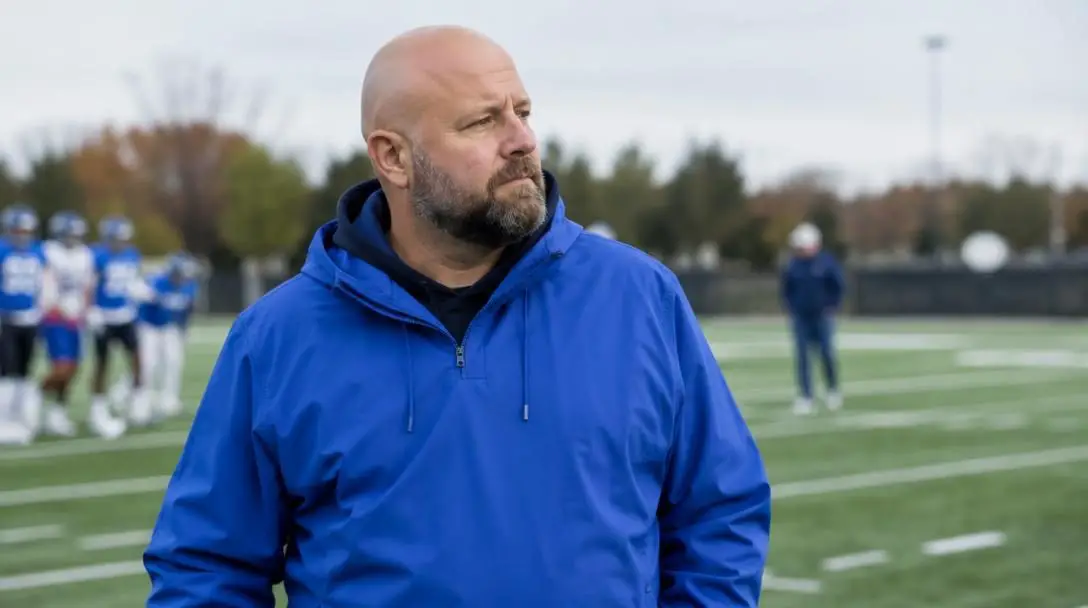
- Embrace strategic steps backward: Daboll chose to accept a positional role as a tight ends coach in New England after running entire offenses, focusing on professional stability and organizational quality over job title.
- Prove concepts across different operating environments: By taking over the Alabama offense under Nick Saban, Daboll demonstrated that his scheme could adapt to the collegiate game and produce championship results outside the NFL framework.
- Tailor systems to the strengths of personnel: In Buffalo, Daboll adjusted his playbook to accommodate Josh Allen’s specific athletic gifts rather than forcing the young quarterback into a rigid, predetermined template.
- Build durable organizational relationships: When Giants general manager Joe Schoen arrived in New York, his prior working relationship with Daboll in Buffalo proved decisive, illustrating that personal reputation and mutual trust often drive executive hiring.
Common Mistakes to Avoid When Climbing Competitive Ladders
Analyzing the turbulent midpoint of Daboll’s career highlights several critical traps that frequently derail ambitious coaches and executives:
- Prioritizing title over organizational health: Accepting elevated roles inside unstable organizations often ends in early termination, as Daboll learned during back-to-back single-season coordinator postings.
- Refusing scheme flexibility: Many coordinators fail because they view their playbook as unalterable; sustainable success requires modifying concepts to fit player personnel.
- Allowing professional setbacks to breed bitterness: Responding to team dismissals with public frustration damages industry standing, whereas accepting demotions with humility can rebuild executive trust.
- Neglecting interpersonal communication: High-level tactical mastery cannot compensate for weak communication across departments; long-term leadership requires fostering genuine organizational unity.
Sustaining Leadership Inside the New York Market
Transitioning from a successful play-caller to the head coach of the New York Giants introduces operational hurdles that go well beyond drawing up passing concepts. Running an entire football operation requires balanced oversight across multiple departments.
First and foremost is the collaborative relationship between Daboll and general manager Joe Schoen. Building a modern roster requires joint alignment on player acquisition, salary cap priorities, and player retention. Continued talent development must remain the bedrock of their collective plan.
Additionally, establishing a stable franchise identity requires maintaining accountability across offense, defense, and special teams. Head coaches must also manage coaching staff turnover, continually cultivating new assistant coaches as top coordinators depart for promotions elsewhere. Finally, surviving in the New York media market requires steady messaging and internal resilience when competitive adversity strikes.
Frequently asked questions
Where was Brian Daboll born and raised?
Brian Daboll was born in Welland, Ontario, making him only the second Canadian-born head coach in NFL history. He was raised just outside of Buffalo, New York, and played collegiate football at the University of Rochester.
How many head coaches did the New York Giants hire without prior head coaching experience before Daboll?
Between 1983 and 2015, the Giants hired zero head coaches without prior head coaching experience. That standard changed in 2016 with Ben McAdoo, making Daboll the second modern hire to enter the role without previous head coaching experience.
What was Brian Daboll’s record during his early coordinator years?
Across his consecutive offensive coordinator tenures with the Cleveland Browns, Miami Dolphins, and Kansas City Chiefs, the teams he coached compiled a combined record of 13 wins and 35 losses, with all three head coaches being dismissed.
Which quarterback did Daboll help develop into an elite passer in Buffalo?
Daboll worked extensively with Josh Allen from 2018 through 2021, helping the young quarterback progress through early growing pains to construct one of the most effective offenses in the NFL.
When did the New York Giants officially hire Brian Daboll?
The Giants conducted their formal interview with Daboll on January 21, 2022, and officially announced his hiring as the franchise's 22nd head coach one week later, on January 28, 2022.
The bottom line
Brian Daboll’s rise to head coach of the New York Giants demonstrates that career progression rarely moves in a straight line. By persevering through multi-year stretches of organizational turmoil, accepting strategic demotions, and demonstrating exceptional developmental ability with modern quarterbacks, Daboll reinvented his coaching profile. As he takes charge of Big Blue, the organizational resilience that saved his career will serve as the exact blueprint needed to lead a historic franchise forward.