Essential Herbs And Spices For Improving Digestive Health
Digestive health is a crucial pillar of overall physical vitality and daily comfort. The human gastrointestinal tract is tasked with the continuous work of breaking down meals, absorbing critical nutrients that the body requires to thrive, and efficiently eliminating residual waste products. When this complex network falters, the resulting discomfort—marked by bloating, abdominal gas, painful stomach cramps, and irregular bowel habits—can quickly drain your daily energy, leaving you feeling sluggish, distracted, and physically exhausted.
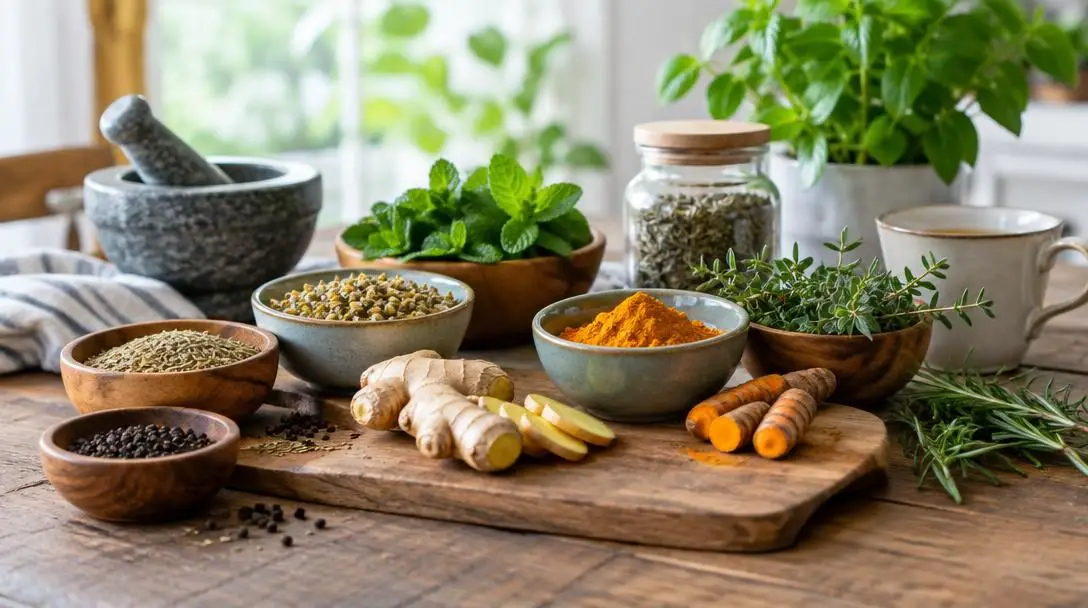
Fortunately, supporting internal harmony does not require complicated interventions or costly specialty products. For generations, traditional culinary and medicinal practices across the globe have looked to common pantry herbs and spices to soothe the stomach and support intestinal wellness. By introducing these time-tested botanicals into your everyday kitchen routine, you can gently encourage digestive secretions, ease muscular tension, and maintain a calmer, more resilient digestive tract.
Key takeaways
- Ginger and turmeric encourage nutrient breakdown by stimulating essential digestive enzymes and liver bile production.
- Peppermint and fennel contain natural muscle-relaxing compounds that ease intestinal spasms, trapped gas, and abdominal bloating.
- Cinnamon supports balanced metabolic and digestive function by stabilizing blood sugar fluctuations and suppressing harmful gut bacteria.
- Targeted botanical preparations, such as enteric-coated peppermint capsules, offer concentrated relief for conditions like irritable bowel syndrome.
- Achieving lasting digestive comfort requires moderate, consistent culinary use of fresh spices rather than sporadic, heavy doses.
The Essential Digestive Herbs and Spices
Specific culinary plants possess distinct natural compounds that target different regions and functions of the gastrointestinal system. Understanding how each botanical operates helps you tailor your meal preparation to your body's individual digestive needs.
Ginger
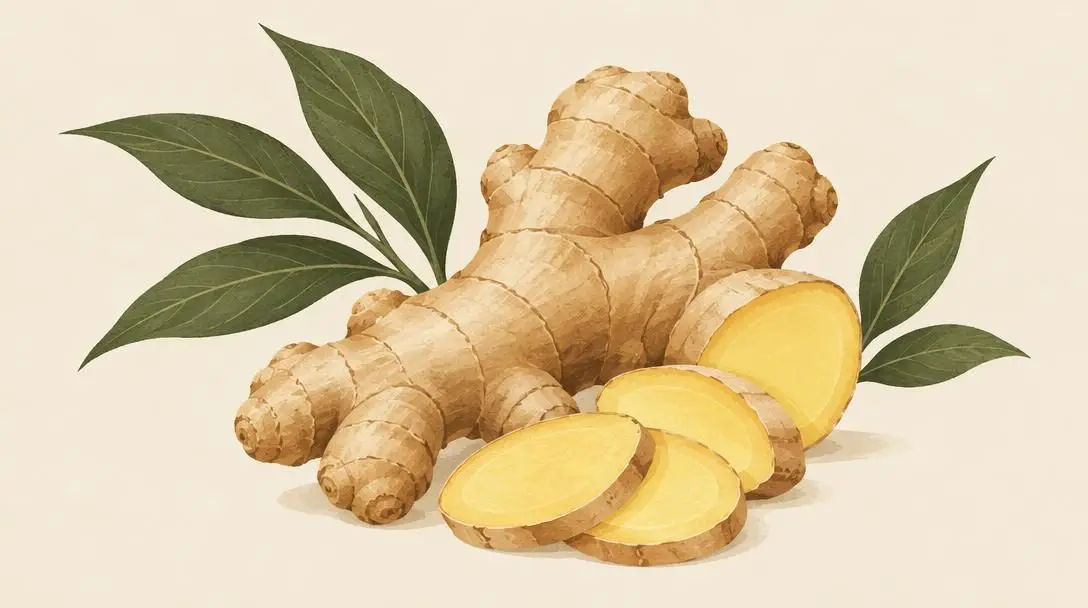
- Primary Action: Stimulates digestive juices and enzyme production
- Key Benefit: Reduces gut inflammation and minimizes post-meal sluggishness
- Common Usage: Fresh grated root or steeped herbal tea
Ginger has served as a cornerstone of traditional gastrointestinal support for centuries, and its reputation is well earned. When consumed, active compounds within ginger stimulate the rapid release of vital digestive juices and enzymes throughout the mouth and stomach. This surge of natural secretions ensures that complex food particles break down efficiently, preventing food from lingering too long in the gastric chamber where it can cause heavy fullness and uncomfortable lethargy.
Beyond accelerating gastric emptying and enzyme activity, ginger delivers notable anti-inflammatory properties directly to the digestive tract. By soothing irritated mucosal tissues along the stomach and intestinal walls, it helps calm internal sensitivity, reduce swelling, and create a hospitable environment for normal, smooth digestion.
Turmeric

- Primary Action: Stimulates bile production for fat digestion
- Key Active Compound: Curcumin
- Protective Role: Defends against intestinal damage and supports gut lining
Recognizable by its vibrant golden hue, turmeric is another botanical heavyweight celebrated for its potent anti-inflammatory effects. One of turmeric's primary digestive mechanisms is its ability to trigger the production and secretion of bile by the liver and gallbladder. Bile serves as an indispensable biological fluid that emulsifies dietary fats, transforming dense lipids into manageable droplets so that your body can absorb fat-soluble nutrients without digestive distress.
Turmeric also contains the widely studied active compound curcumin. Research indicates that curcumin exerts a protective shield over the intestinal barrier, helping to preserve the structural integrity of the gut lining and protect against cellular irritation. This makes turmeric an exceptional addition to meals for anyone dealing with sensitive, easily inflamed gastrointestinal tissues.
Cinnamon

- Primary Action: Moderates blood sugar spikes and insulin surges
- Secondary Benefit: Provides antimicrobial support against harmful gut flora
- Flavor Profile: Naturally sweet and warming
Cinnamon is far more than an aromatic addition to breakfast dishes and baked goods; it provides measurable physiological support to metabolic and gastrointestinal processes. One of cinnamon's most valuable contributions is its capacity to help regulate blood sugar levels following a meal. By blunting sharp spikes in circulating glucose and subsequent surges in insulin, cinnamon helps prevent the metabolic stress and sudden energy crashes that frequently disrupt healthy gut motility.
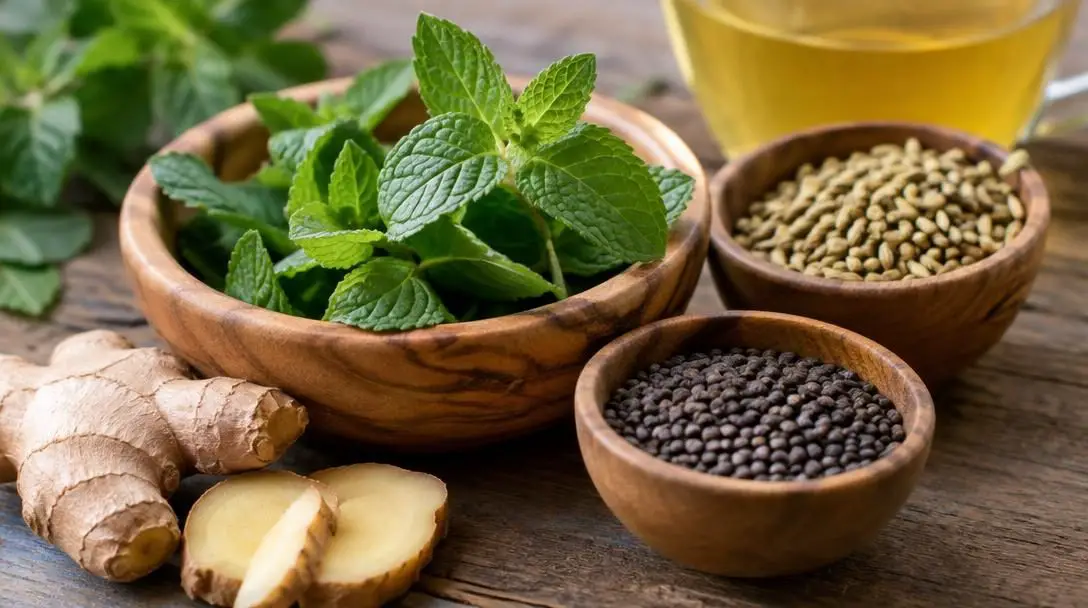
In addition to blood sugar management, cinnamon boasts natural antimicrobial properties. Within the digestive canal, these compounds act selectively to suppress opportunistic, harmful bacteria. By keeping undesirable bacterial populations in check, cinnamon aids in preserving a balanced internal microbiome, allowing beneficial organisms to carry out their digestive duties unhindered.
Peppermint
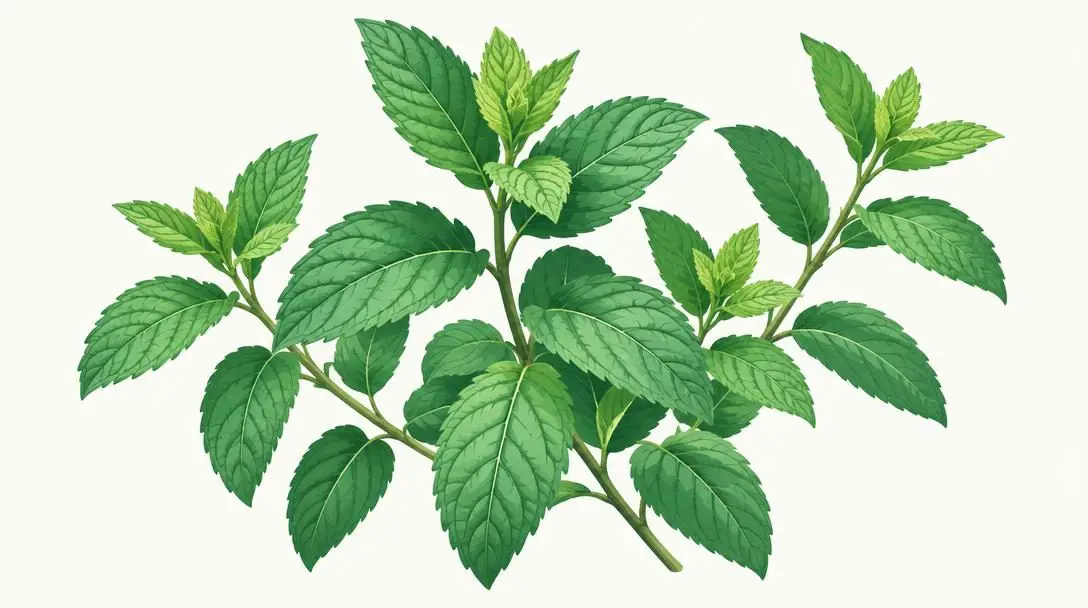
- Primary Action: Relaxes gastrointestinal smooth muscle tissue
- Target Symptoms: Bloating, painful gas pressure, and cramping
- Clinical Use: Enteric-coated capsules for irritable bowel syndrome (IBS)
Peppermint has long been revered as a reliable household remedy for distressing stomach complaints, particularly acute bloating and trapped gas. The plant contains therapeutic volatile oils that produce an antispasmodic effect on the smooth muscle lining the stomach and intestinal walls. By relieving involuntary muscular contractions, peppermint allows pockets of trapped gas and food to move smoothly through the tract without triggering sharp cramps or painful abdominal pressure.
Because of this remarkable muscle-relaxing action, concentrated peppermint oil preparations have been extensively utilized to manage the persistent symptoms of irritable bowel syndrome (IBS). When formulated into enteric-coated capsules, the oil bypasses the stomach acids and releases directly into the lower intestines, delivering targeted spasm relief precisely where severe cramping and dysmotility occur.
Fennel
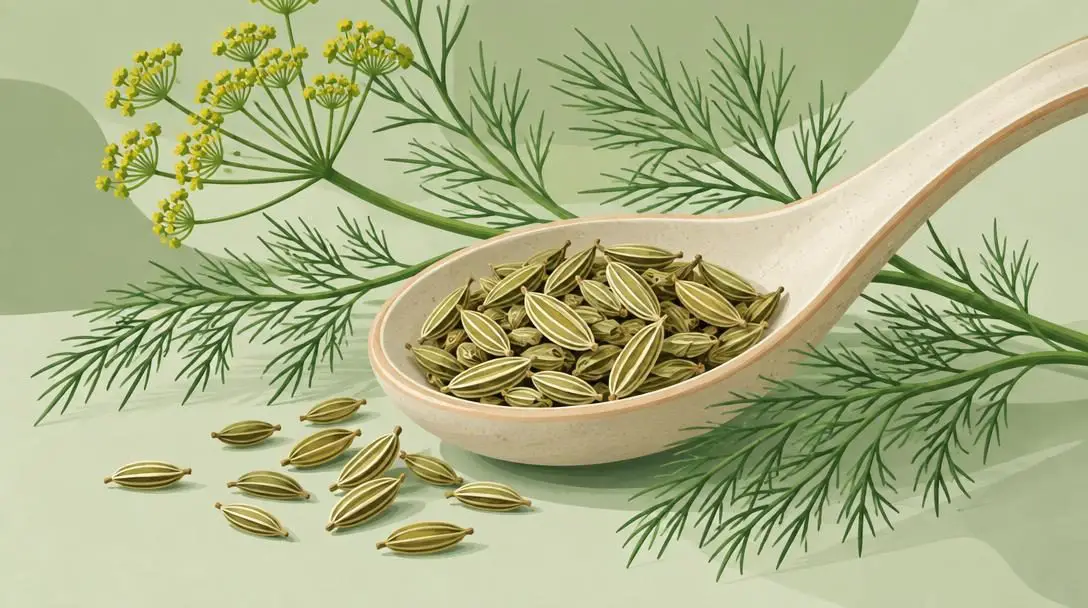
- Primary Action: Calms muscular spasms and prevents intestinal cramps
- Key Benefit: Dissipates trapped air and eases fullness after rich meals
- Traditional Practice: Chewing whole seeds following a meal
Fennel seeds have been utilized across global culinary cultures for generations, often served at the conclusion of rich or heavily spiced feasts. Like peppermint, fennel exhibits pronounced muscle-relaxing properties that act directly on the intestinal tract. It helps soothe hyperactive muscular walls, which prevents painful post-meal spasms and gives stubborn pockets of digestive gas a clear pathway to release naturally.
The practice of chewing a small pinch of whole fennel seeds after dining serves a dual purpose: it immediately freshens the breath while simultaneously signaling the digestive organs to relax. This calming, carminative action prevents the heavy, swollen sensation often experienced after consuming complex, fatty, or challenging foods.
Culinary spices do far more than elevate flavor; their bioactive compounds act as targeted biological keys that stimulate juices, calm spasms, and soothe irritated tissues.
Digestive Botanicals at a Glance
To help you select the most effective botanical for your specific needs, the following table compares each herb and spice based on its primary biological activity, main health benefits, and optimal method of consumption.
| Botanical | Primary Mechanism | Key Digestive Benefits | Recommended Culinary Use |
|---|---|---|---|
| Ginger | Stimulates digestive juices and enzymes | Speeds up gastric emptying; relieves fullness and gut inflammation | Steeped in fresh hot teas; grated into soups and stir-fries |
| Turmeric | Stimulates bile secretion via the gallbladder | Improves fat digestion; defends the integrity of the gut lining | Whisked into warm broths, stews, and roasted vegetable dishes |
| Cinnamon | Regulates blood sugar and exerts antimicrobial action | Prevents insulin-related motility crashes; balances bacterial environment | Dusted over morning oatmeal, porridges, and yogurt bowls |
| Peppermint | Relaxes smooth muscle tissues in the digestive tract | Alleviates trapped gas, painful cramps, and IBS symptoms | Brewed as an infusion; taken as enteric-coated capsules |
| Fennel | Antispasmodic relaxation of intestinal walls | Reduces post-meal bloating; prevents painful digestive spasms | Chewed as whole whole seeds after meals; steeped as crushed tea |
Biological Pathways: How Digestive Herbs Support the Gut
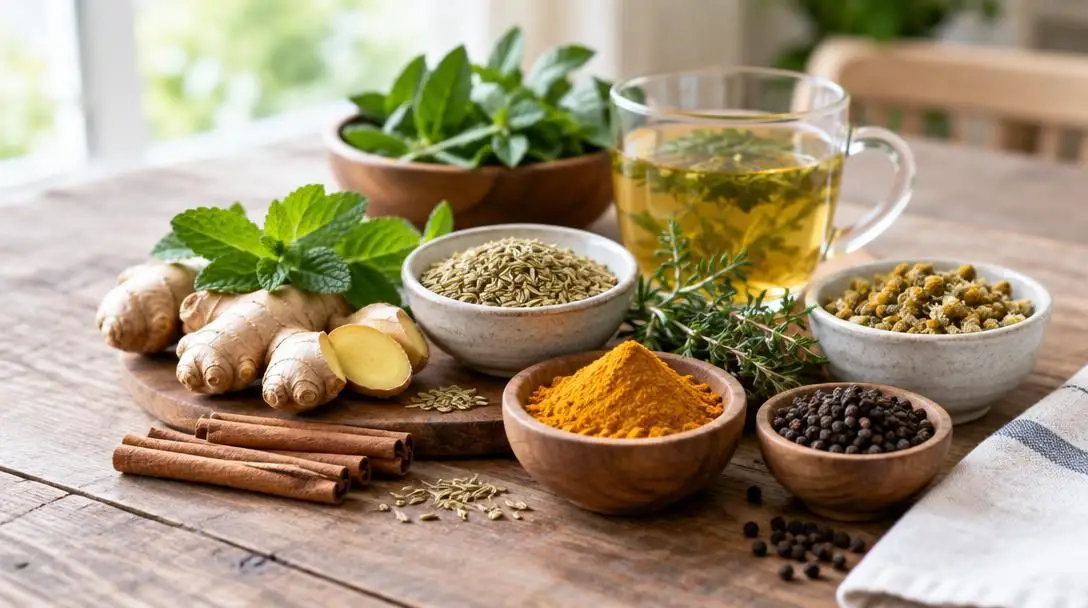
The therapeutic impact of culinary seasonings is grounded in straightforward human physiology. Rather than acting as vague tonics, these plants engage specific biological mechanisms within the gastrointestinal system to optimize function. These actions can be categorized into three primary pathways:
1. Secretion Stimulation for Accelerated Breakdown: The digestive journey requires a steady supply of specialized bodily fluids. Spices such as ginger stimulate salivary glands, gastric parietal cells, and pancreatic tissue to produce higher volumes of saliva, hydrochloric acid, and digestive enzymes. Concurrently, turmeric signals the liver and gallbladder to discharge bile. When these secretions are present in sufficient quantities, proteins, carbohydrates, and fats are swiftly disassembled into basic nutrients, preventing undigested food from lingering and fermenting within the gut.
2. Smooth Muscle Relaxation to Relieve Spasms: The digestive canal is propelled by rhythmic muscular contractions known as peristalsis. However, when the intestinal smooth muscle becomes agitated or overly reactive, it can seize up in painful spasms that trap pockets of gas and stall waste movement. Botanicals like peppermint and fennel exert a direct antispasmodic effect on these muscle fibers. By encouraging the muscular walls to relax, they relieve painful tension and allow trapped air to dissipate without generating intense pressure or bloating.
3. Managing Inflammation and Microbiome Balance: Irritated, swollen mucosal tissue impairs nutrient absorption and compromises the protective barrier that keeps unwanted substances out of the bloodstream. Curcumin in turmeric works to soothe this inflammatory cascade, safeguarding the intestinal lining against structural wear and tear. Simultaneously, the antimicrobial compounds found in cinnamon help keep unfavorable microflora from overtaking the gut, creating a stable internal terrain where digestion proceeds smoothly.
Practical Ways to Incorporate Digestive Herbs into Your Routine
Integrating therapeutic plants into your everyday life does not require intricate recipes or radical dietary shifts. By establishing a few simple kitchen habits, you can effortlessly provide your gastrointestinal tract with regular botanical support throughout the day.
- Brew targeted herbal teas: Steep freshly sliced ginger root, lightly crushed fennel seeds, or whole peppermint leaves in hot water for ten minutes. Drink this warm infusion twenty minutes before a meal to prime your digestive secretions, or slowly sip it afterward to relieve fullness.
- Elevate your breakfast: Dust ground cinnamon generously over morning oatmeal, warm grain porridge, or yogurt bowls. Introducing cinnamon early in the day helps stabilize your blood sugar right from your first meal, preventing mid-morning digestive slumps.
- Fortify savory entrees: Make it a regular practice to incorporate ground turmeric and fresh ginger into curries, hearty vegetable soups, bean stews, and roasted root vegetables. Combining these seasonings with a touch of cooking oil improves bile flow and optimizes the digestion of dietary fats.
- Chew whole seeds after dining: Place a small bowl of whole fennel seeds on your dining table. Following a heavy, rich, or unusually spicy meal, chew a half-teaspoon of seeds thoroughly before swallowing to freshen your palate and ward off intestinal cramping.
- Deploy enteric-coated peppermint capsules when needed: If you regularly manage chronic cramping, pronounced gas, or IBS, talk with a healthcare provider about targeted peppermint oil capsules. These specialized capsules ensure the antispasmodic menthol bypasses stomach acid to relax the lower intestines directly.
- Prepare a house spice blend: Mix equal parts ground cinnamon, ginger, and turmeric in a dedicated spice shaker. Keep it beside your stove to quickly dust over roasted squash, sautéed vegetables, or warm milk beverages.
Common Pitfalls to Avoid When Using Digestive Botanicals
While culinary herbs are natural, accessible, and generally safe, simple errors in how they are selected and prepared can reduce their effectiveness or inadvertently irritate your stomach.
- Overusing concentrated quantities: More is not necessarily better when dealing with potent spices. Dumping excessive amounts of hot ginger or cinnamon into a single dish can irritate the delicate lining of your mouth, esophagus, and stomach. Gentle, consistent daily usage is far more productive than erratic, heavy doses.
- Relying on stale, expired pantry jars: Ground spices stored in warm kitchen cabinets for years lose their volatile aromatic oils and therapeutic potency. If a spice jar has lost its distinct scent and vibrant color, its digestive benefits have diminished. Replenish your seasonings regularly.
- Boiling delicate leaves aggressively: When brewing teas using delicate leaves like peppermint, avoid boiling them directly on a raging stovetop. Violent boiling drives off the fragile volatile oils responsible for smooth-muscle relaxation. Instead, pour hot water over the leaves and keep the mug covered while it steeps.
- Ignoring underlying food intolerances: While herbs can ease symptoms, they cannot compensate for an ongoing diet full of specific trigger foods that your system cannot tolerate. Herbs should serve as supportive companions to a thoughtful, balanced eating plan, not as a quick cover-up for foods that continually cause distress.
- Confusing culinary herbs with concentrated extracts: A cup of gentle peppermint tea acts differently than an enteric-coated peppermint oil capsule designed for intestinal delivery. Be mindful of which formulation you are using and match the preparation to your specific digestive objective.
Frequently asked questions
How do herbs like ginger and turmeric actually speed up the digestive process?
Ginger and turmeric improve digestive efficiency by stimulating the production of natural bodily secretions. Ginger encourages the stomach and pancreas to release enzymes and digestive fluids that break down food matter quickly, preventing it from sitting too long in the stomach. Turmeric stimulates the liver and gallbladder to release bile, which is essential for emulsifying and processing dietary fats.
Can peppermint oil really help with irritable bowel syndrome (IBS)?
Yes. Clinical preparations of peppermint oil, particularly enteric-coated capsules, have been shown to relieve the uncomfortable symptoms of irritable bowel syndrome. The active compounds in peppermint relax the smooth muscle tissue of the intestinal walls, dampening the painful spasms, cramping, and trapped gas pressure associated with IBS.
Why are fennel seeds traditionally chewed after meals in many cultures?
Fennel seeds possess natural antispasmodic properties that relax the muscles within the digestive tract. Chewing a small pinch of seeds immediately after eating helps prevent the onset of stomach cramps, reduces bloating, and allows trapped gas to move through the intestines without causing sharp pain, all while naturally freshening breath.
Does cinnamon help digestion beyond just regulating blood sugar?
While regulating blood sugar is a major digestive benefit—because it prevents sharp insulin spikes that interfere with steady metabolic function and gut motility—cinnamon also offers antimicrobial properties. These actions help keep populations of harmful intestinal bacteria in check, fostering an internal environment where healthy digestion can proceed.
Is it safe to consume these herbs and spices every day?
For the vast majority of people, incorporating culinary amounts of ginger, turmeric, cinnamon, peppermint, and fennel into daily meals and teas is safe, gentle, and beneficial. However, if you intend to take high-dose supplements, such as concentrated curcumin extracts or enteric-coated peppermint capsules, or if you have underlying medical conditions, it is best to consult with a healthcare professional first.
The Bottom Line on Digestive Spices
Cultivating a calm, efficient gastrointestinal tract does not require complicated wellness protocols or extreme dietary restrictions. By returning to time-honored culinary wisdom, you can easily harness the therapeutic properties of everyday plants to support your internal well-being. Spices like ginger and turmeric prime your system with essential digestive fluids, while calming herbs like peppermint and fennel gently release painful muscular tension and trapped gas.
As you begin incorporating these natural ingredients into your weekly meal planning, pay close attention to your body's personal responses. Individual digestive systems are unique, and keeping a brief journal of what you eat can help you identify which botanical combinations provide you with the greatest relief. When approached with consistency, moderation, and fresh ingredients, these simple kitchen staples offer an accessible, delicious foundation for lasting gut comfort.