Explore the Pro Football Hall of Fame
Nestled in northeastern Ohio, the Pro Football Hall of Fame stands as the preeminent sanctuary for American professional football. Founded to celebrate gridiron triumphs, strategic masterminds, and cultural milestones, this institution chronicles the evolution of the National Football League from its modest beginnings in the early twentieth century into a dominant global sporting enterprise. Every corner of the Canton campus honors the resilience, dedication, and extraordinary athletic achievements of the men who shaped the sport.
More than just a storehouse of bronze busts and vintage memorabilia, the Hall of Fame functions as a living archive and educational center. It links successive eras of athletic excellence, offering passionate fans and casual observers alike an intimate look at the discipline, competitive fire, and tactical innovations that continue to define the game on Sunday afternoons and under Monday night lights.
Key takeaways
- The Pro Football Hall of Fame was established in 1963 in Canton, Ohio, the historic birthplace of the National Football League.
- Enshrinement is determined by a rigorous multi-step evaluation overseen by a 48-person Selection Committee that requires an 80 percent consensus for entry.
- More than 350 legends have been inducted, spanning transformational coaches, visionary owners, and record-setting athletes.
- The hall honors personal resilience alongside athletic skill, highlighted by moving enshrinement speeches that confront social barriers and mental health.
- Beyond the iconic gallery of bronze busts, the expanding complex features interactive game simulations, Super Bowl ring collections, and community campus facilities.
The Origins and Evolution of Canton’s Gridiron Shrine
The Pro Football Hall of Fame officially opened its doors in 1963 to pay tribute to the game's finest players, head coaches, administrators, and contributors. The choice of Canton, Ohio, as the permanent site was intentional: Canton served as the birthplace of the NFL when representatives from several regional teams held the league's inaugural organizational meeting in an automobile showroom in 1920. By planting the institution in Canton, founders anchored the league's expansive future directly to its grassroots origin.
Since welcoming its inaugural class, the original museum building has grown dramatically. The footprint has transformed into an expansive sports and entertainment destination that features the museum galleries, the Tom Benson Hall of Fame Stadium, the multi-use Hall of Fame Village, and the Black College Football Hall of Fame. These interconnected facilities support major football games, educational programming, and year-round cultural gatherings.
Operating under an enduring mission to honor the heroes of the game, preserve professional football history, promote its core values, and celebrate excellence everywhere, the institution creates a vital bridge across generations. The museum ensures that the contributions of pioneering barnstormers and early gridiron innovators remain visible alongside the high-flying spectacles of the modern passing era.
The Hall of Fame exists not merely to collect artifacts, but to bridge the historic past and vibrant present of professional football.
The Rigorous Path to Enshrinement
Attaining a bronze bust in Canton is regarded as the highest individual honor in professional football. Because entry is so fiercely competitive, the institution relies on a deliberate, exhaustive voting framework. A dedicated 48-member Selection Committee oversees the entire candidate evaluation. The panel includes sports journalists and media professionals who cover the sport daily, comprised of one representative from each of the 32 NFL franchise markets alongside 16 at-large selectors and delegates.
- Preliminary Nomination: The Selection Committee produces an initial long list of qualified nominees during the fall season for review.
- Semifinalist Cut: Committee members deliberate and pare the extensive nomination roster down to a focused group of 25 semifinalists.
- Finalist Selection: Selectors re-examine the semifinalist field to establish a definitive group of 15 modern-era finalists.
- Annual Selection Meeting: Held annually on the eve of the Super Bowl, the committee meets in person to engage in exhaustive debate regarding the credentials of each finalist.
- Reduction Votes: Through formal rounds of scrutiny, the list of finalists is reduced first to the top 10 candidates, and then down to a final class of five modern-era hopefuls.
- Enshrinement Approval: In the final determination, each candidate must secure at least 80 percent of the committee vote to earn selection into that year's enshrinement class.
Standard eligibility mandates that candidates must possess significant playing or coaching service in the NFL, usually highlighted by multiple Pro Bowl selections, All-Pro honors, championship rings, or franchise-defining statistical milestones. While selectors weigh integrity and sportsmanship, a candidate's exceptional performance between the hash marks and long-term impact on the sport serve as the ultimate determining factors.
Legendary Enshrinees Who Shaped the Sport
To date, the Pro Football Hall of Fame has welcomed more than 350 enshrinees into its hallowed halls. Each figure represents an individual standard of athletic mastery, strategic ingenuity, or organizational vision that elevated the sport.
Mike Ditka
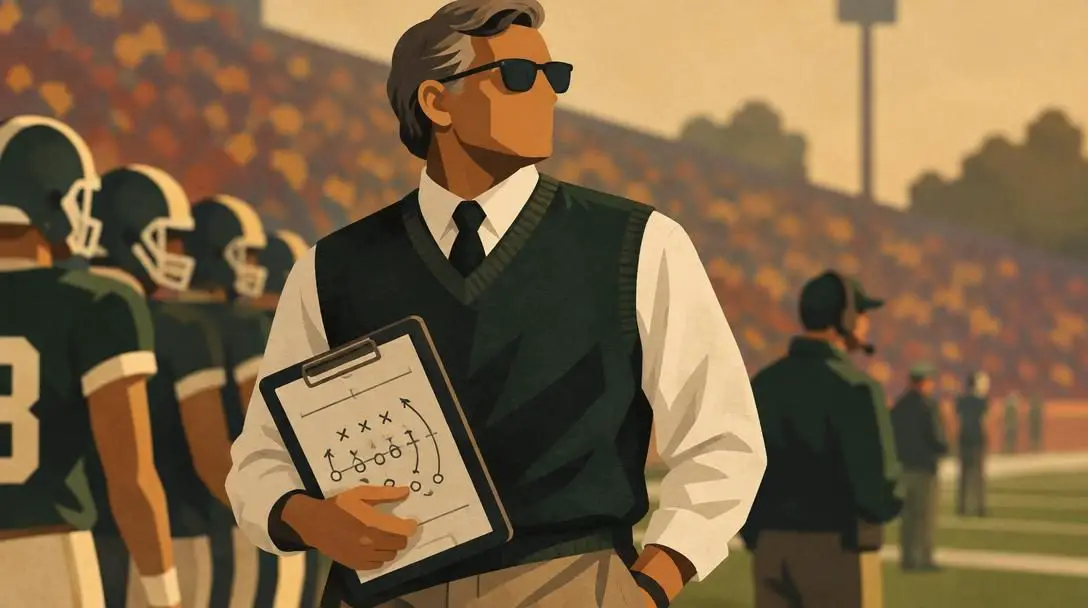
- Roles: Player and Head Coach
- Teams: Chicago Bears, Dallas Cowboys
- Signature Feat: Coached the 1985 Chicago Bears to a Super Bowl victory
Mike Ditka redefined expectations at tight end as a dominant pass-catcher and punishing blocker before bringing his trademark intensity to the sideline. Known for his fiery leadership style, Ditka galvanized the Chicago Bears throughout the 1980s, steering their historic 1985 championship squad and cementing his status as one of the most recognizable figures in pro football history.
Al Davis

- Roles: Team Owner, Administrator, Head Coach
- Team: Oakland Raiders
- Signature Feat: Pioneered deep vertical passing schemes and modern franchise management
As the long-time managing general partner and owner of the Oakland Raiders, Al Davis introduced an unapologetic organizational philosophy centered on winning at all costs. Davis was a strategic visionary who championed progressive offensive concepts, prioritized world-class team speed, and fought historic legal battles that transformed league labor dynamics and franchise relocation practices forever.
Vince Lombardi
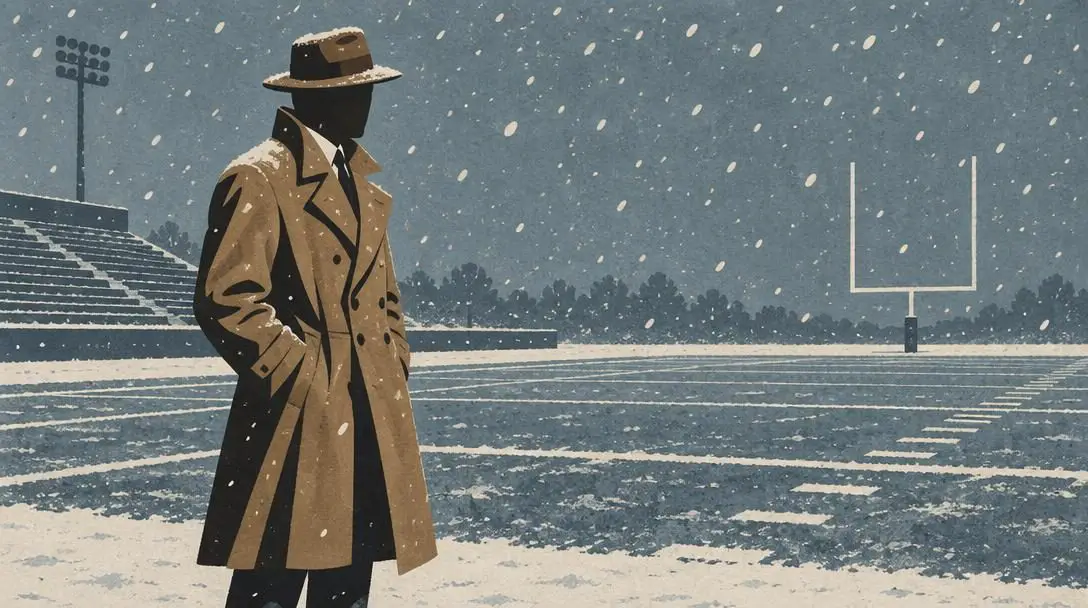
- Role: Head Coach
- Hallmark: Set the modern standard for championship discipline
- Signature Feat: Dominated the inaugural Super Bowl era
Vince Lombardi remains pro football's ultimate symbol of competitive discipline, preparation, and leadership. His relentless pursuit of perfection turned his teams into a tactical dynasty during the 1960s, forging standards of team culture and work ethic that every modern coach attempts to replicate.
Joe Montana
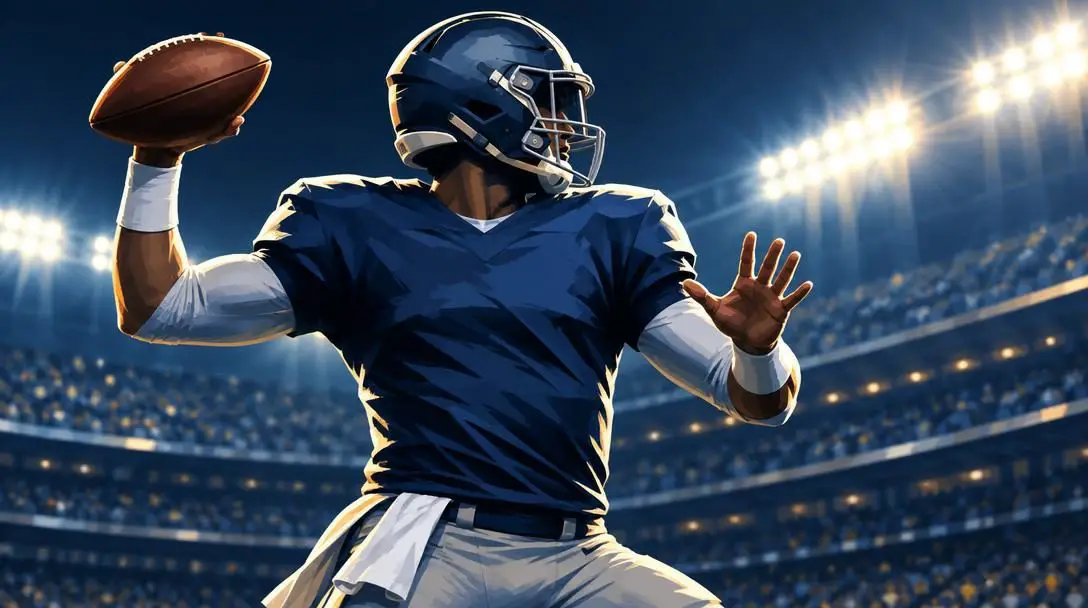
- Role: Quarterback
- Hallmark: Fourth-quarter poise and pinpoint passing precision
- Signature Feat: Orchestrated multiple Super Bowl championship drives
Joe Montana earned the nickname "Joe Cool" through his ice-cold demeanor during high-stakes postseason moments. Operating with exceptional rhythm and pocket mobility, Montana proved that precision passing and strategic calm could systematically dismantle the most fearsome defenses in league history.
Walter Payton
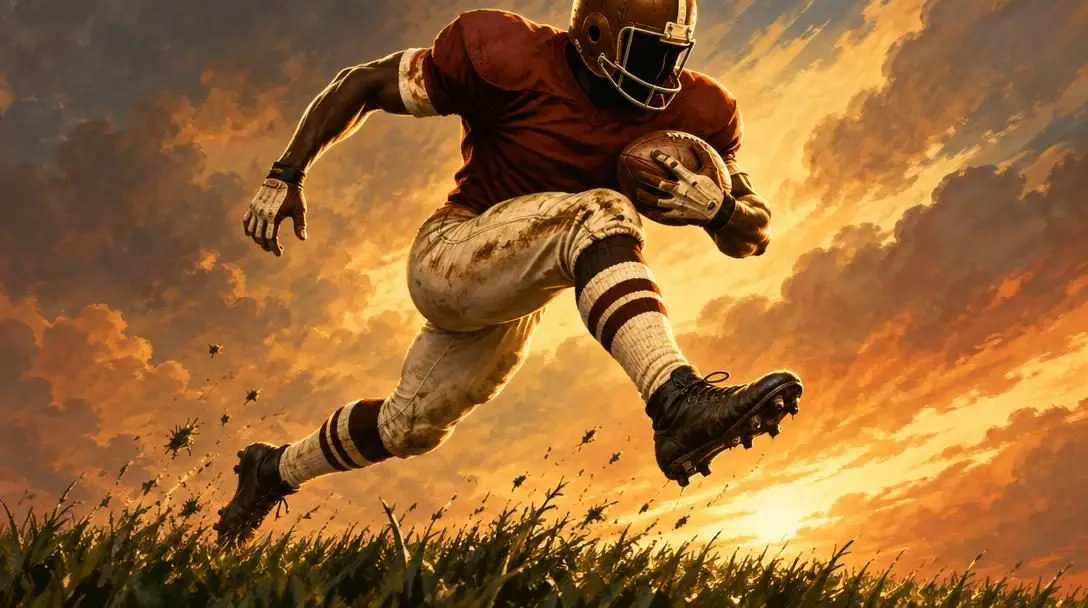
- Role: Running Back
- Hallmark: Punishing running style and relentless work ethic
- Signature Feat: Established historic career milestones while embodying durability
Known affectionately as "Sweetness," Walter Payton paired graceful lateral movement with explosive, contact-seeking power on every carry. Payton was a complete back who excelled at blocking, receiving, and rushing, setting an enduring standard for durability, conditioning, and quiet off-field philanthropy.
Powerful Voices from the Enshrinement Podium
Every summer, the induction ceremony provides a platform for football's greatest champions to reflect on their careers before their bronze busts are revealed. While many express gratitude for coaches and teammates, several speeches have resonated deeply outside the realm of sports.
Brett Favre
When legendary Green Bay Packers quarterback Brett Favre earned enshrinement in 2016, his address was defined by emotional candor and vulnerability. Favre spent his speech expressing gratitude to the family members, hometown mentors, and teammates who supported his journey from rural Mississippi to the peak of the sport. His humorous, unvarnished anecdotes illuminated the everyday human behind the ironman streak and iconic touchdown celebrations.
Brian Dawkins

Enshrined in 2018, former Philadelphia Eagles and Denver Broncos safety Brian Dawkins delivered one of the most raw speeches in Hall of Fame history. Known on the field as an intimidating defender, Dawkins used the enshrinement stage to discuss his severe personal battles with clinical depression and suicidal thoughts. By speaking openly about mental health vulnerabilities, Dawkins confronted traditional athletic stereotypes and provided a roadmap of hope for athletes struggling in silence.
LaDainian Tomlinson
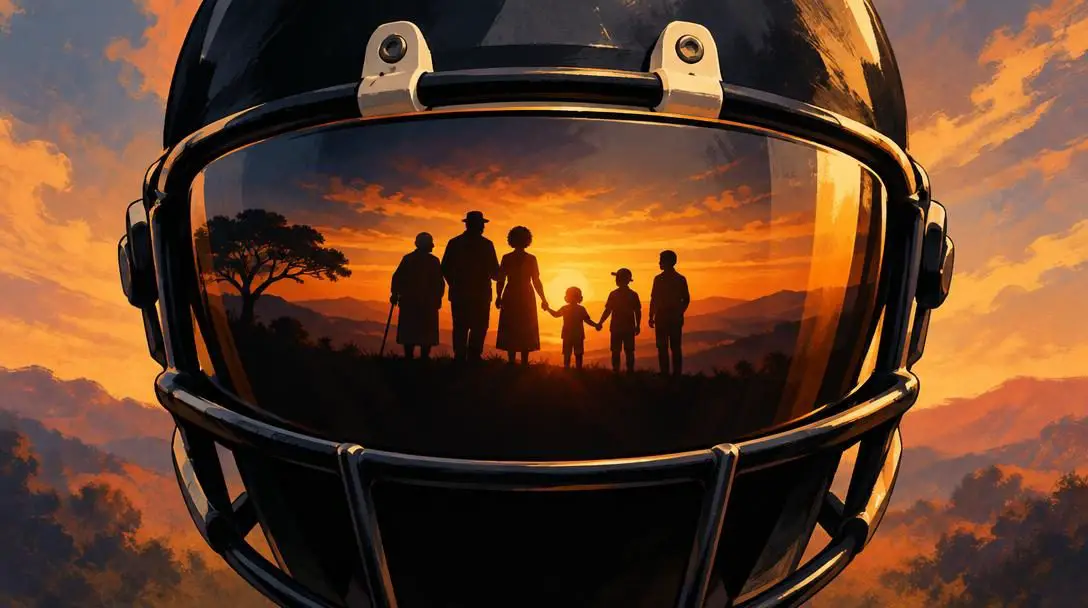
In 2017, record-setting running back LaDainian Tomlinson presented a stirring reflection on American history, heritage, and social progress. Tomlinson traced his family lineage back to his great-great-great-grandfather, an enslaved man who took the surname of the plantation owner. Tomlinson connected his family's generational journey to the values of perseverance, compassion, and racial unity, asking football fans across the country to seek common ground and empathy.
Iconic Enshrinees at a Glance
| Enshrinee | Primary Role | Noted Teams | Enduring Impact |
|---|---|---|---|
| Mike Ditka | Player / Coach | Chicago Bears, Dallas Cowboys | Revolutionized the tight end position; coached dominant 1985 Bears |
| Al Davis | Owner / Administrator | Oakland Raiders | Pioneered vertical passing schemes and aggressive franchise autonomy |
| Vince Lombardi | Head Coach | Green Bay Packers | Set the gold standard for coaching execution and championship discipline |
| Joe Montana | Quarterback | San Francisco 49ers, Kansas City Chiefs | Engineered iconic fourth-quarter comebacks with pinpoint accuracy |
| Walter Payton | Running Back | Chicago Bears | Combined punishing power with elite agility; legendary durability |
| Brett Favre | Quarterback | Green Bay Packers, New York Jets, Minnesota Vikings | Iconic gunslinger style defined by unmatched consecutive start streak |
| Brian Dawkins | Safety | Philadelphia Eagles, Denver Broncos | Hard-hitting defensive leader who sparked national mental health awareness |
| LaDainian Tomlinson | Running Back | San Diego Chargers, New York Jets | Historic multi-purpose touchdown machine and advocate for social unity |
Inside the Complex: Galleries and Interactive Exhibits
A visit to Canton offers fans an immersive journey through pro football's evolution, covering everything from the birth of the American Football League (AFL) to the modern technological innovations of the game. The museum's exhibitions cater to all ages, pairing historic artifacts with cutting-edge displays.
- The Hall of Fame Gallery: The sacred focal point of the museum. This quiet sanctuary displays the individual bronze busts sculpted for every single enshrinee in the institution's history.
- The Lamar Hunt Super Bowl Gallery: A glittering showcase that documents the game's biggest stage, complete with full-size replicas of Vince Lombardi Trophies, historic game-worn jerseys, and every championship ring ever awarded.
- Interactive Game Exhibits: Hands-on skill stations where visitors can test their physical mettle by kicking field goals, stepping inside a simulated pro huddle, or reviewing contested plays via official replay monitors.
- NFL Play 60 Training Camp: An active obstacle and skills zone designed specifically for younger fans to sprint, run drills, and participate in pro-style combine exercises.
- The Hall of Fame Store: A massive retail space carrying authentic jerseys, collectibles, signed memorabilia, and exclusive Canton merchandise.
- Gridiron Glory Traveling Exhibit: A traveling museum roadshow that brings rare Canton artifacts, vintage leather helmets, and historic football media to cultural centers across the United States.
- Annual Enshrinement Festival: A week-long celebration every August featuring the opening preseason NFL game, the Enshrinees' Roundtable, family street fairs, and the official induction ceremony.
Frequently asked questions
Why is the Pro Football Hall of Fame located in Canton, Ohio?
Canton was chosen because it was the birthplace of the National Football League. In September 1920, representatives from multiple regional teams gathered in a Canton car showroom to establish the American Professional Football Association, which was later renamed the National Football League.
How long must an NFL player wait after retirement to be eligible for induction?
Modern-era players must be retired for at least five consecutive seasons before becoming eligible for nomination. However, head coaches and administrative contributors are not subject to this mandatory five-year waiting window.
What percentage of votes does a finalist need to earn enshrinement?
During the annual selection meeting held before the Super Bowl, a candidate must receive at least 80 percent approval from the 48-member Selection Committee to be officially elected to that year's enshrinement class.
How many individuals have been enshrined in the Pro Football Hall of Fame?
More than 350 players, coaches, owners, and game contributors have earned bronze busts inside the Hall of Fame Gallery since the museum opened its doors in 1963.
What is featured inside the Lamar Hunt Super Bowl Gallery?
The gallery showcases the full history of the Super Bowl, displaying game-worn memorabilia from championship games, Vince Lombardi Trophies, and a complete collection of every Super Bowl ring awarded to date.
The Bottom Line
The Pro Football Hall of Fame stands as an enduring monument to athletic excellence, grit, and innovation. By holding its enshrinees to the highest performance standards while celebrating the diverse personal backgrounds that enrich the gridiron, the Canton institution preserves the game's past while pointing the way toward football's dynamic future. A trip to this historic campus provides every fan with a deeper appreciation for the champions who transformed an informal autumn pastime into an undeniable cornerstone of modern American culture.