For Your Bucket List: 5 Islands To Visit Before You Die
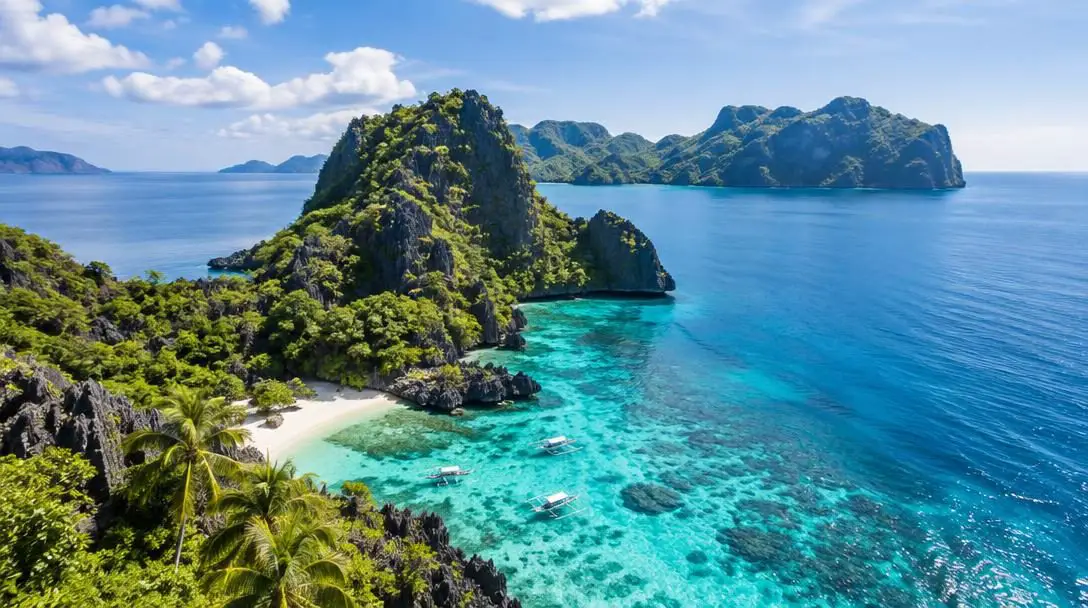
The salty air, the soft touch of sand underfoot, and the rhythmic cadence of crashing waves create an environment where daily fatigue and stress naturally dissolve. Few travel experiences match the transformative escape of an island getaway. Whether your ideal escape means lounging peacefully on an isolated shore with a novel or immersing yourself in time-honored coastal customs, venturing across open water offers an incomparable break from day-to-day routine.
Exploring oceanic frontiers introduces travelers to fragile ecosystems, ancient maritime communities, and flourishing coral habitats. To inspire your upcoming travel itineraries, we have broken down five world-renowned island destinations that represent the absolute pinnacle of coastal exploration, detailing their unique geography, logistical realities, and essential highlights.
Key takeaways
- Each premier island destination features distinct geography, ranging from low-lying coral atolls to sheer volcanic bluffs.
- Logistical planning requires factoring in specialized multi-leg transit, such as domestic seaplanes, regional ferries, and local boat transfers.
- Balancing time between coastal waters and interior landscapes reveals hidden cave networks, palm-shaded hiking routes, and historic cliffside settlements.
- Respecting delicate ecological boundaries and local cultural customs ensures these unique coastal sanctuaries remain vibrant and preserved.
At a glance: Five bucket-list island getaways
While every oceanic escape offers coastal scenery, each of these five world-class islands delivers a markedly different geographical profile, cultural heritage, and recreational focus.
| Destination | Geographic Location | Topography | Key Highlights |
|---|---|---|---|
| The Maldives | Indian Ocean | 26 natural coral atolls | Lowest-lying nation on Earth; crystal-clear lagoons; surfing and marine wildlife. |
| Palawan | Philippines | Archipelagic coastal province | Pristine coral reefs; world-class diving; Puerto Princesa Subterranean River. |
| Bora Bora | French Polynesia (South Pacific) | Barrier reef and central lagoon | Turquoise lagoon diving; snorkeling; lush inland hiking trails under palm canopies. |
| Seychelles | Western Indian Ocean (East of Kenya) | 115 granite and coral islands | Powdery beaches; angler-friendly waters; rich and spicy Creole cuisine. |
| Santorini | Greece (Aegean Sea) | Volcanic cliffside archipelago | Signature blue-topped churches; historic architecture; mountainside trekking paths. |
Five remarkable destinations for your travel wish list
Each of the following five destinations presents a dramatic departure from standard coastal resorts, offering exceptional scenery, distinctive topographies, and deep-seated local cultures.
The Maldives
- Geographic Profile: 26 natural atolls in the Indian Ocean
- Elevation Status: Lowest-lying nation on the planet
- Primary Attractions: Surfing, beachcombing, and clear-water wildlife viewing
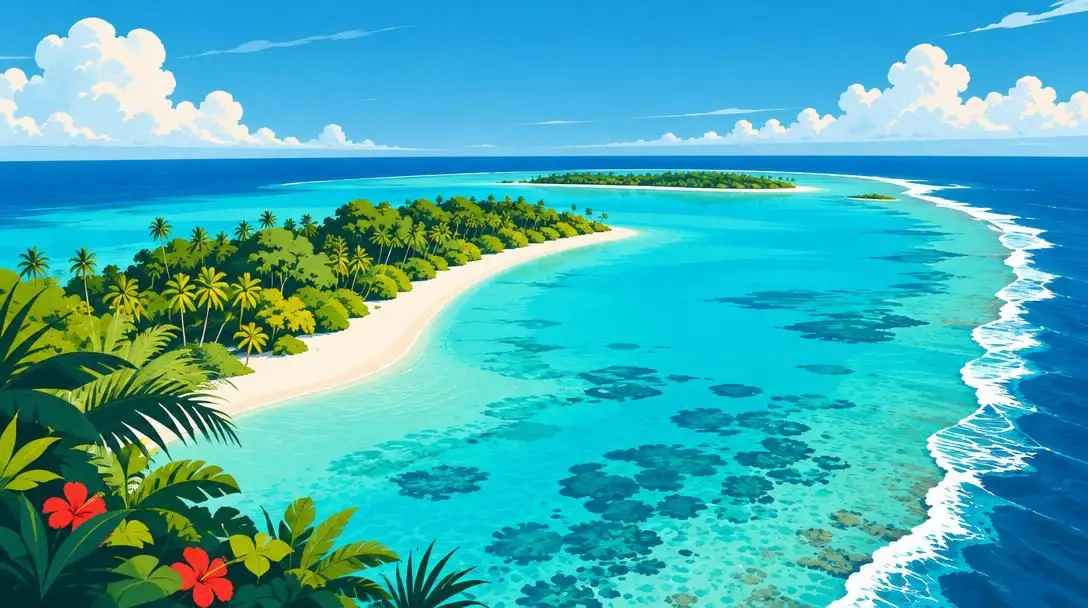
If you have ever admired a postcard-perfect desktop wallpaper of emerald-tinted water stretching toward infinity, chances are you were looking at the Maldives. Celebrated globally for welcoming residents, diverse marine wildlife, and extraordinarily transparent waters, this Indian Ocean nation consists of 26 natural atolls hovering barely above the sea surface.
The geography of the Maldives is as fragile as it is captivating. As the lowest-lying country in the world, the archipelago sinks slightly lower each year under the pressure of global warming and rising tides. Surfers and beachcombers are drawn to the islands' peaceful sanctuary, where open-ocean swells meet peaceful sandy flats. Visitors can spend days watching marine life navigate the shallows or simply taking in the unhurried rhythm of atoll life.
Palawan, Philippines
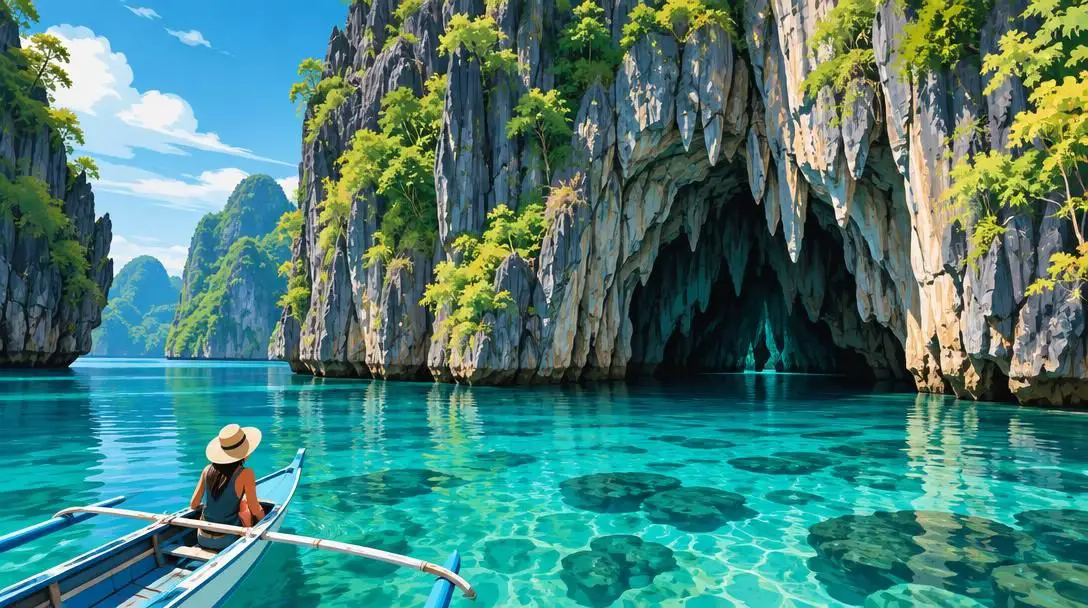
- Regional Setting: Western island province of the Philippines
- Marine Environment: Pristine coral reefs and top-tier dive locations
- Signature Landmark: Puerto Princesa Subterranean River National Park
For adventurous travelers seeking pristine wilderness, Palawan is widely regarded as one of the finest marine playgrounds anywhere. Fringed by brilliant white sand beaches and undisturbed coral reefs, the province provides divers and snorkelers with access to some of the most spectacular underwater ecosystems on Earth. Encounters with thriving schools of tropical fish and complex reef systems make underwater excursions a top priority for any itinerary.
Beyond its outer beaches, Palawan boasts profound terrestrial wonders. A standout excursion is the journey to Puerto Princesa Subterranean River National Park. Travelers board boats to venture deep into an expansive limestone cave system carved by a navigable underground river. Inside, towering vaulted caverns display extraordinary geological formations that contrast sharply with the sunny coastal shores outside.
Bora Bora, French Polynesia
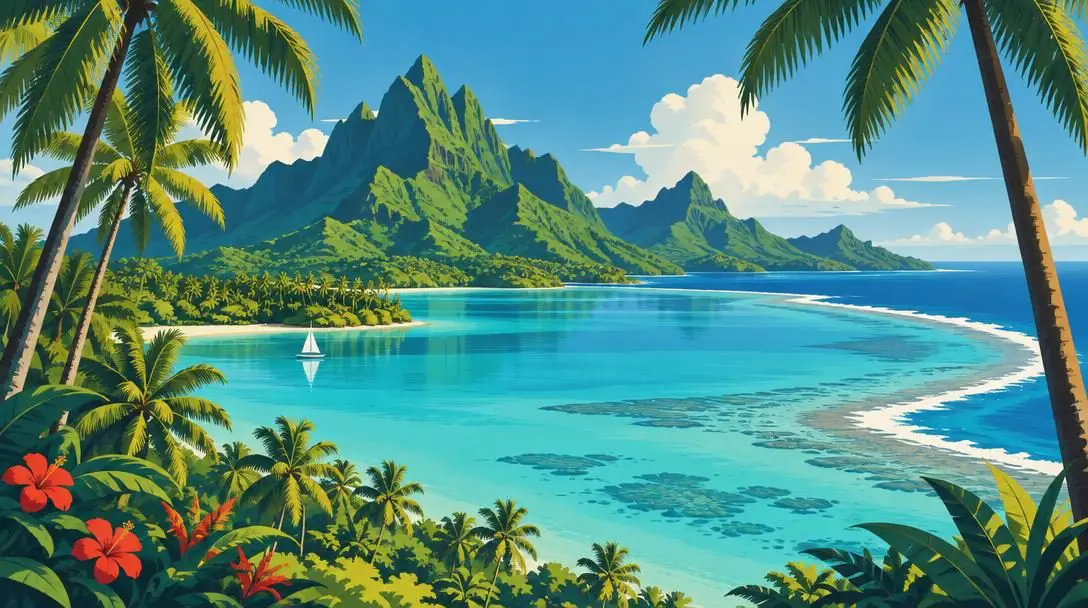
- Oceanic Territory: South Pacific / Society Islands
- Landscape Dynamics: Central volcanic peaks encircled by a lagoon barrier
- Outdoor Activities: Lagoon diving, snorkeling, and palm forest trekking
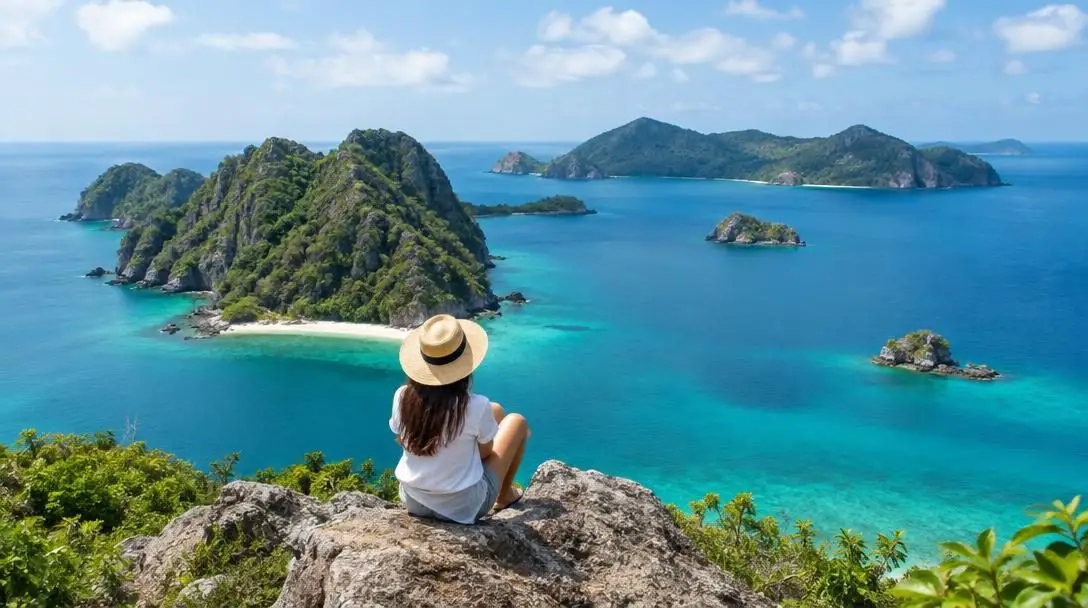
Renowned for striking contrasts between jagged green peaks and calm, turquoise waters, Bora Bora accommodates travelers seeking both gentle relaxation and active nature immersion. The island's signature feature is its protected lagoon, where clear, shallow waters support a wide variety of wildlife swimming just beneath the surface.
What makes Bora Bora truly captivating is its harmonious balance between land and sea. While marine enthusiasts spend their mornings diving and snorkeling among aquatic life in the lagoon, land lovers can turn their attention inland. The island features lush tropical forests where hiking routes wind through dense groves of palm trees, offering panoramic views of the surrounding barrier reef from elevated lookouts.
Balancing time between the shoreline and the interior reveals that an island's true character lies as much in its forest trails and cave systems as in its coastal waters.
Seychelles
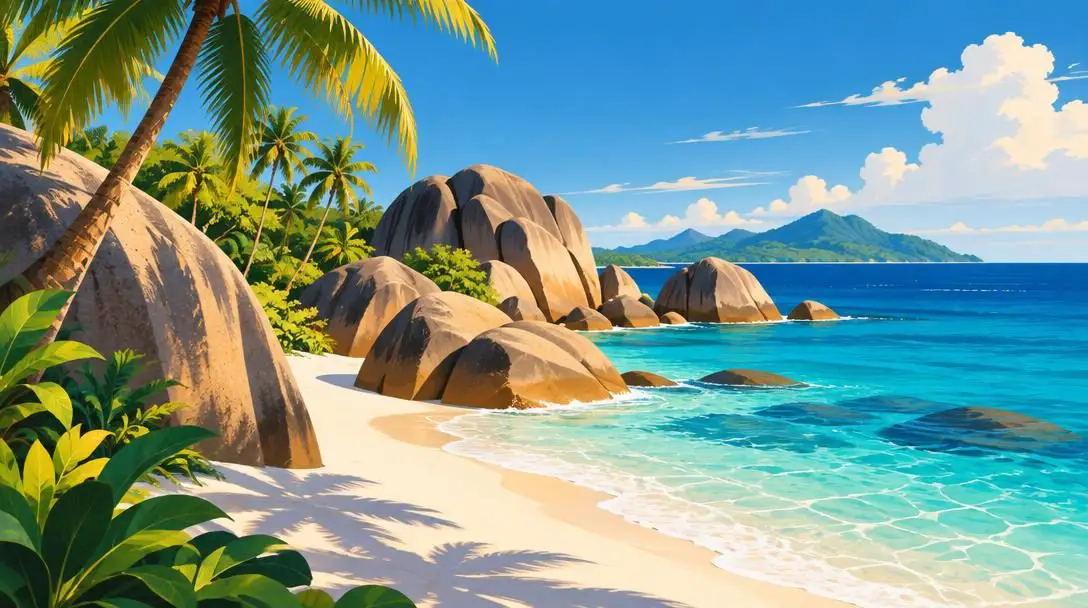
- Geographic Location: Western Indian Ocean, east of Kenya
- Island Count: 115 distinct granite and coral islands
- Culinary Heritage: Traditional spicy Creole cuisine
Positioned east of Kenya across a vast swath of the western Indian Ocean, the Seychelles comprises 115 individual granite and coral islands. The archipelago is famous for dramatic shores lined with powdery white sands and sculpted boulders, offering an idyllic setting for sunbathing, relaxation, and coastline photography.
Beyond the sand, the rich diversity of fish makes the Seychelles an angler's paradise, attracting sports fishermen and marine observers from every continent. Just as compelling is the island nation's cultural fabric. Visitors can immerse themselves in centuries of blended maritime tradition by sampling authentic, spicy Creole cuisine at family-run establishments, tasting regional spices and fresh-caught seafood prepared using longstanding culinary methods.
Santorini, Greece
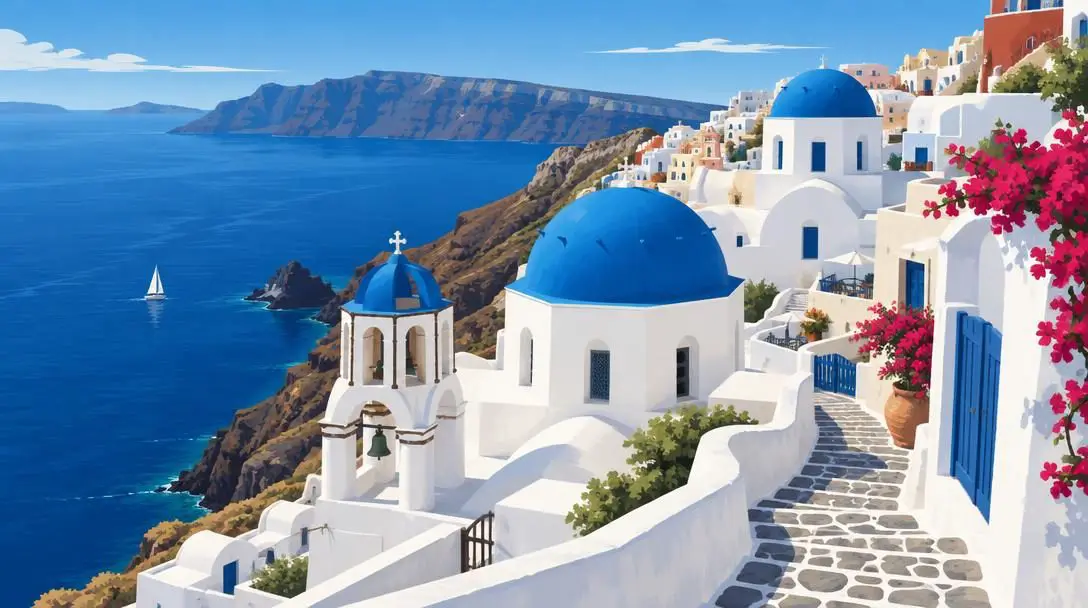
- Geographic Body: Aegean Sea
- Signature Architecture: Blue-domed churches and whitewashed cliffside dwellings
- Terrain Type: Steep, volcanic mountainside topography
Merging classical antiquity with dazzling sea vistas, Santorini presents an entirely different style of island travel. Built across the high, steep rim of an ancient volcanic caldera, the island is instantly recognizable by its whitewashed buildings and iconic blue-topped churches set high above the shimmering Aegean Sea.
Rather than sprawling across flat coral shores, Santorini invites exploration along vertical planes. Visitors spend hours trekking through mountainside neighborhoods, ascending winding pedestrian paths, and navigating historic cobblestone lanes. Every turn brings panoramic views of the water below, while cliff-hung villages showcase centuries of resilient Mediterranean architecture and historic Greek culture.
How island travel works: Logistics, ecosystems, and economies
Visiting remote or specialized archipelagos requires navigating distinct operational frameworks. Unlike mainland road trips, traveling across islands depends on specialized transport networks, heightened environmental awareness, and a clear understanding of localized infrastructure.
First, transport within island chains relies heavily on maritime and light aviation links. Reaching a resort or village in the Maldives typically requires boarding a motorized speedboat or chartering a regional seaplane designed to land directly on open lagoons. In Palawan, getting to remote dive spots or entering the cave networks of Puerto Princesa involves combinations of overland vehicles and motorized outrigger boats. In Santorini, arrivals by commercial aircraft or vehicle ferries are followed by foot travel along steep pedestrian stairways and narrow cliff roads that cannot accommodate conventional vehicle traffic.
Second, island environments function within strict ecological and physical limits. Because low-lying atolls like the Maldives stand mere feet above the water, global climate trends and tidal shifts directly influence daily operations. The health of Palawan's coral reefs, Bora Bora's lagoons, and the fish populations of the Seychelles depends on vulnerable aquatic equilibria. Basic utilities—such as clean drinking water, electricity, and waste disposal—operate within closed, finite systems that require cooperation and careful resource management from travelers.
Finally, island economies represent a delicate intersection between global tourism and traditional community life. When visitors hire diving guides in Palawan, sample home-style Creole recipes in the Seychelles, or interact with village shopkeepers in Greece, they participate directly in fragile economic systems. Respecting local guidelines, supporting independent vendors, and treating natural reserves conscientiously ensures that these communities thrive alongside tourism.
Practical steps for planning an island getaway
Transforming a bucket-list dream into an organized, stress-free trip requires thoughtful preparation. Follow these progressive steps when assembling your travel strategy:
- Define your primary vacation purpose: Clarify the core experience you desire. If your priority is surfing alongside pristine atolls, the Maldives matches your vision. If you prefer deep-sea diving, vibrant coral ecosystems, and river caverns, prioritize Palawan. For combined rainforest hiking and calm lagoon snorkeling, choose Bora Bora. For sport angling and Creole culture, target Seychelles. For historical architecture and mountainside walks, focus on Santorini.
- Map out your transfer connections: Research the final leg of your journey well before departure. Determine whether your destination requires a secondary seaplane transfer, an inter-island passenger ferry, or a private boat shuttle, and verify how luggage limits and operating hours align with your main flights.
- Reserve specialized tours and permits early: High-demand activities—such as exploring the Puerto Princesa underground river in Palawan or scheduling guided scuba excursions along fragile barrier reefs—often enforce strict daily visitor caps to minimize environmental wear. Secure necessary reservations months in advance.
- Prepare for varied physical conditions: Pack specialized gear tailored to the local topography. Mountainous, stepped settlements like Santorini require durable, supportive walking footwear. In contrast, destinations like Palawan and the Maldives require reef-safe sunscreens, rash guards, and dependable snorkeling accessories.
- Build flexibility into daily schedules: Weather patterns, tidal shifts, and ocean swells can abruptly alter maritime transit schedules. Leave open buffers in your itinerary so that a delayed boat or choppy sea condition does not cause you to miss non-refundable connections.
Common mistakes to avoid on remote coastlines
Even seasoned travelers can make faulty assumptions when booking an island vacation. Avoiding these typical errors will keep your journey smooth, affordable, and culturally respectful:
- Underestimating inter-island transit times: Crossing bodies of water takes significantly more time than driving equivalent distances on mainland highways. Hopping across the 115 distinct islands of the Seychelles or traversing between atolls in the Maldives demands dedicated travel windows that should never be compressed into a single afternoon.
- Overlooking cultural dress and etiquette: Even in tropical regions famous for beach relaxation, residential villages and historical landmarks frequently require modest attire. While swimwear is standard along tourist beaches, walking through hillside villages in Santorini or visiting inhabited local islands in the Maldives requires covered shoulders and knees.
- Focusing only on the beach and missing the interior: Spending an entire trip lounging on coastal sand causes visitors to overlook remarkable inland topography. Skipping Bora Bora's lush palm forest trails or bypassing Palawan's limestone subterranean river neglects the geological diversity that makes these islands special.
- Ignoring regional food and dining traditions: Relying exclusively on standard resort dining prevents travelers from discovering authentic cultural roots. Forgoing the local spicy Creole dishes in the Seychelles means missing out on an integral facet of the nation's heritage.
- Assuming all island environments are identical: An arid, volcanic cliffside setting like Santorini provides an entirely different sensory and physical experience than the flat, coral-sand motus of the Maldives. Select destinations whose geography directly aligns with your physical comfort and activity goals.
Evaluating terrain, companion needs, and environmental stewardship
Before confirming reservations, consider the physical demands your selected destination places on your travel companions. The steep inclines, uneven cobblestones, and extensive stairways of Santorini's caldera towns demand reasonable leg strength and mobility. Conversely, navigating the gentle, powdery coastlines of the Seychelles or relaxing in the Maldives involves minimal vertical climbing, making them far better suited for travelers seeking effortless strolls.
Equally critical is your personal environmental impact. Archipelagos with low-lying elevations, such as the Maldives, and marine habitats with sensitive coral ecosystems, like Palawan and Bora Bora, face ongoing challenges from rising seas, waste accumulation, and reef degradation. Travelers should actively practice sustainable tourism: avoid single-use plastics, refrain from touching living coral or wildlife during dives, and adhere strictly to environmental rules established at protected sanctuaries like Puerto Princesa Subterranean River National Park. Thoughtful visitor choices help safeguard these irreplaceable landscapes for generations to come.
Frequently asked questions
Which island is best for travelers who want both water sports and forest hiking?
Bora Bora in French Polynesia offers an exceptional balance. Travelers can spend their mornings snorkeling or scuba diving with marine life in the sheltered lagoon, and spend their afternoons hiking inland trails through dense palm forests and tropical foliage.
What makes Palawan particularly famous among scuba divers?
Palawan is celebrated worldwide for its exceptionally clear waters and pristine coral reefs, which support vibrant underwater ecosystems. It also features unique adventures like Puerto Princesa Subterranean River National Park, where visitors explore an underground river running through a vast limestone cave system.
Why is climate change such an immediate issue for the Maldives?
The Maldives is the lowest-lying nation on the planet, consisting of 26 natural coral atolls that rise just above the Indian Ocean surface. Because the islands sit so close to water level, global warming and rising ocean levels cause the land to sink slightly lower every year, making environmental preservation an urgent priority.
How does traveling through Santorini differ from visiting tropical atolls?
Unlike flat coral atolls, Santorini is a high, volcanic Aegean island. Its exploration is vertical and pedestrian-focused, requiring travelers to walk along steep mountainside neighborhoods, climb historic staircases, and navigate winding cliffside trails overlooking the sea.
What culinary tradition is essential to try when visiting the Seychelles?
When traveling through the Seychelles, visitors should be sure to sample the island's authentic spicy Creole cuisine. Combining fresh local seafood with regional spices, this culinary style reflects the rich heritage of the 115-island Indian Ocean archipelago.
The bottom line
Every island on this bucket list delivers a distinct escape from ordinary life, whether you seek the subterranean limestone marvels of Palawan, the dramatic volcanic cliffs of Santorini, the calm coral atolls of the Maldives, the lush tropical contrasts of Bora Bora, or the spice-infused coastal culture of the Seychelles. By planning ahead for inter-island logistics, packing appropriately for local terrains, and embracing local customs and ecosystems with care, you can turn a dream coastal getaway into an unforgettable, life-enriching journey.