How to Become a Digital Nomad
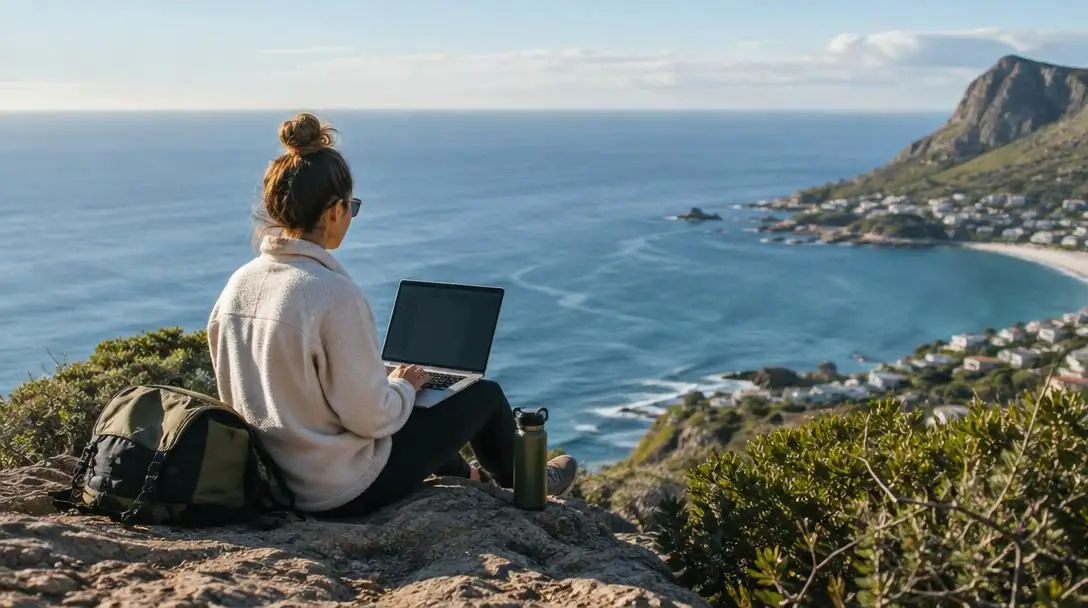
Social media feeds are flooded with picturesque images of modern location independence: a relaxed professional balancing a laptop in a hammock, suspended between two tropical palms overlooking an azure sea. While this imagery makes the digital nomad lifestyle look effortless, sustaining a career from overseas is rarely an overnight transformation. Operating a thriving profession across borders demands rigorous preparation, financial discipline, and meticulous logistical planning.
By definition, a digital nomad—often referred to as a location-independent worker—is someone who earns a living through digital networks and actively chooses to perform that work while traveling or living abroad. Rather than anchoring themselves to a central corporate office or a single hometown, nomads take advantage of flexible workflows to reside in destinations that offer affordable living costs, rich cultures, or beautiful landscapes. Turning this ambition into a functional reality requires restructuring how you earn income, manage property, and comply with international regulations.
Key takeaways
- Digital nomadism is a deliberate working lifestyle that demands professional accountability, reliable connectivity, and personal discipline.
- Transitioning begins with building marketable remote capabilities, such as software development, freelance writing, editing, or online teaching.
- Working legally abroad requires researching destination-specific remote worker visas rather than relying on temporary tourist entries.
- Minimizing domestic baggage, testing remote routines locally, and securing specialized international banking and medical insurance prevent costly disruptions.
How the Location-Independent Lifestyle Operates
At its core, the digital nomad lifestyle functions by decoupling the physical location where professional tasks are executed from the location where clients, employers, or corporate headquarters reside. As long as deliverables, communication, and project updates can be transferred seamlessly over high-speed digital networks, a worker's physical presence at an assigned desk becomes unnecessary.
To sustain this arrangement across months or years, nomads establish consistent operational routines in every new environment. Instead of commuting to a traditional office, they carry out their duties from short-term rental apartments, quiet cafes, specialized co-working facilities, or even outdoor locations when environmental conditions permit. The income earned through these remote efforts directly funds their ongoing accommodation, airfare, local transport, and daily living expenses in each host country.
Successful digital nomads view international travel not as an escape from work, but as a deliberate transformation of their daily living environment.
Crucially, location independence is not an endless vacation. It is a working lifestyle where professional reliability must be preserved while living in destinations that feel like holiday resorts. Working travelers must balance firm deadlines, client expectations, and time zone differences against the constant temptation to explore foreign surroundings. Those who succeed treat their professional output as the foundation that makes their mobility possible.
Six Fundamental Steps to Launching a Nomad Career
Abandoning a conventional daily schedule for a mobile existence requires structured planning. Working methodically through these six foundational steps provides the framework needed to establish a sustainable nomadic lifestyle.
Step 1: Develop Marketable Remote Skills
Before booking international travel, you must secure an income stream that does not require your physical presence in a designated office. Many professionals already possess capabilities that translate seamlessly into the remote economy. Disciplines that regularly support location independence include:
- Freelance writing and content creation: Producing articles, marketing collateral, and digital publications for corporate or commercial clients.
- Website development and coding: Building, maintaining, and engineering software, mobile applications, and web platforms.
- Copyediting, proofreading, and document editing: Refining manuscripts, corporate publications, and digital content for clarity and accuracy.
- Audio and video transcription: Converting recorded media into precise text documentation for business and media organizations.
- Online language instruction: Teaching English remotely to international students through structured online platforms.
For individuals building a client base from scratch, established online job marketplaces provide an immediate starting point. Platforms such as Upwork and FlexJobs curate thousands of freelance contracts and remote employment openings across numerous professional categories. Alternatively, launching an online publication or niche blog allows creators to generate passive revenue through affiliate marketing programs, earning commissions on products and services recommended to readers. Those lacking these skills can enroll in accessible training programs and courses to build the technical competencies required by remote employers.
Step 2: Choose Your Destination Wisely
Selecting an overseas base requires balancing lifestyle preferences against strict international regulations. Entering a foreign nation on a standard tourist visa and performing work is illegal in most countries. Additionally, tourist visas are strictly temporary, frequently expiring after 90 days or fewer. Recognizing the economic contributions of remote professionals, numerous governments now offer formal freelancer visas and dedicated digital nomad programs.
When selecting a destination, remote workers typically weigh the local lifestyle against practical requirements like climate and timezone alignment. The following table highlights welcoming destinations categorized by climate and regulatory frameworks as recognized in global nomad networks:
| Destination | Climate Profile | Regulatory Pathway | Infrastructure Focus |
|---|---|---|---|
| Bali (Indonesia) | Tropical and coastal | Dedicated remote worker pathways | Established co-working hubs and broadband |
| Costa Rica | Tropical and warm | Remote worker visa programs | High-speed internet in developed hubs |
| Spain | Warm and coastal | Digital nomad and freelancer visas | Extensive national broadband networks |
| Portugal | Warm and coastal | Digital nomad and independent worker visas | Robust telecommunications infrastructure |
| Croatia | Seasonal and coastal | Digital nomad residence permit | Modern connectivity in urban centers |
| Estonia | Cooler and seasonal | Pioneering digital nomad visa | World-class digital public infrastructure |
| Iceland | Cooler and seasonal | Long-term remote worker visa | High-speed domestic fiber networks |
Beyond the destinations above, other tropical and warm options welcoming nomads include Barbados, Bermuda, Antigua, the Cayman Islands, Malta, and Mauritius. For those who prefer cooler or seasonal climates, the Czech Republic, Hungary, and Norway offer compelling environments. Regardless of geography, internet stability remains critical: regions with unreliable broadband are entirely unsuitable for running a dependable remote enterprise.
Step 3: Test the Lifestyle Before Leaving Home
Jumping directly into full-time international travel without prior testing dramatically increases your risk of failure. A prudent approach is to begin freelancing or working remotely while remaining in your current residence. Maintaining a full-time or part-time traditional job provides a financial safety net while you establish your remote client roster.
As your freelance earnings expand to replace your primary wages, start experimenting with self-directed working habits. Practice establishing your own daily schedule, maintaining personal discipline, and breaking away from the standard nine-to-five routine. For example, try organizing your day to accommodate a midday break at a nearby lake while keeping pace with client deadlines. During this transition, engage with global digital nomad forums and Facebook groups to glean practical advice directly from seasoned remote professionals.
Step 4: Downsize Belongings and Streamline Obligations
Sustained global mobility requires traveling light and eliminating recurring fixed expenses back home. Carrying substantial domestic baggage or unmanaged property contracts creates ongoing stress and financial drain while abroad. Streamline your affairs by addressing key domestic assets:
- Real estate holdings: If you own a house or apartment, decide whether to sell the property outright or retain it as an income-generating rental while you travel.
- Lease commitments: If renting, coordinate a clear termination date with your landlord so you do not carry overlapping housing payments overseas.
- Decluttering: Sift through personal property and dispose of, sell, or donate items that you do not genuinely need or use.
- Secured storage: For irreplaceable sentimental items or valuable assets you retain, arrange safe storage with relatives, friends, or a dedicated storage unit.
Step 5: Establish Essential Financial, Legal, and Health Logistics
A nomadic career cannot endure without meticulous operational administration. Before departing, confirm that all entry paperwork, legal visas, and mandated medical immunizations are completely organized for every destination on your travel itinerary.

In addition to basic entry clearances, arrange the following financial and technical tools:
- Global banking: Open an account with a financial institution that waives or reimburses domestic and international ATM withdrawal fees, protecting your funds from recurring transaction surcharges.
- Foreign exchange cards: Secure a primary credit card that eliminates foreign currency exchange transaction fees when making purchases abroad.
- Digital cybersecurity: Subscribe to a dependable Virtual Private Network (VPN) service to safeguard personal logins, encrypt client data, and secure connections across open public Wi-Fi networks.
- International medical coverage: Purchase comprehensive health insurance tailored to international travelers to protect against unexpected medical emergencies abroad.
Step 6: Embed Yourself in Local Nomad Communities
Traveling continuously can lead to personal isolation if you fail to establish social roots along the way. Fortunately, location-independent workers naturally gather in nomad-friendly towns and cities, creating dynamic expat environments. Choosing accommodations in neighborhoods where remote workers concentrate offers immediate access to an empathetic peer group.
Immersing yourself in these communities provides a reliable support network when dealing with travel fatigue, loneliness, or professional setbacks. Furthermore, interacting with fellow nomads is the most effective way to uncover practical local knowledge, from uncovering the best co-working spaces and quiet work cafes to finding dependable local service providers.
Frequent Mistakes That Derail New Nomads
While the prospect of working across the globe offers remarkable freedom, newcomers frequently encounter avoidable hurdles by overlooking fundamental operational realities. Being conscious of these common pitfalls will keep your journey sustainable:
- Underestimating technical infrastructure: Booking accommodations without confirming internet speeds can cause missed client calls, delayed deliverables, and damaged professional relationships.
- Ignoring local immigration rules: Working informally on standard tourist visas risks fines, deportation, or future travel bans; always pursue legal remote worker permits.
- Failing to budget for transit overhead: Moving frequently between cities triggers repeated transport fees, short-term lodging premiums, and local currency losses if your banking tools are inadequate.
- Neglecting healthy boundaries: Over-focusing on sightseeing leads to missed deadlines and lost revenue, while working non-stop indoors robs you of the cultural benefits of living abroad.
- Overlooking emergency healthcare preparation: Traveling without necessary vaccinations or comprehensive medical coverage leaves you financially vulnerable during medical crises.
Strategic Next Steps to Begin Your Transition
If you are prepared to transition toward location independence, moving methodically through an execution checklist will ensure you build a sustainable foundation before leaving home:
- Audit your current professional skills to determine which tasks can be shifted online immediately, or enroll in classes to learn skills like web coding, editing, or transcription.
- Build an active portfolio and sign your first remote clients through platforms such as Upwork or FlexJobs while keeping your current employment.
- Audit your financial standing, eliminate high-interest debt, and establish an emergency savings fund to cushion your transition.
- Acquire nomad-friendly financial tools, including an ATM fee-reimbursing bank account and a credit card without foreign transaction fees.
- Sort out domestic housing commitments by ending your rental lease or setting up your owned property as a managed rental.
- Select an initial destination that offers dedicated nomad visas, robust broadband connectivity, and an established expat community.
Frequently asked questions
Can I legally work overseas on a regular tourist visa?
In most countries, working while on a tourist visa is strictly prohibited by law. Tourist entries are intended exclusively for leisure and are usually limited to 90 days or fewer. Digital nomads should apply for formal remote worker programs, freelancer visas, or specialized residence permits offered by welcoming nations.
What are the easiest jobs to do as a digital nomad?
Careers that rely entirely on computers and internet connectivity translate most readily to nomadism. Popular entry points include freelance writing, copyediting, proofreading, website development, transcription, and teaching English online. Online marketplaces like Upwork and FlexJobs regularly list openings in these fields.
How do digital nomads protect their data on public internet connections?
Nomads rely on paid Virtual Private Network (VPN) subscriptions to encrypt their digital traffic. Using a VPN shields confidential business communications, client records, and banking credentials from interception when connecting to unverified public Wi-Fi networks in cafes, airports, and rentals.
How can I prevent high banking and currency fees while living abroad?
Experienced nomads switch to banking institutions that reimburse both domestic and international ATM withdrawal fees. In addition, they use credit cards that charge zero foreign transaction fees, preventing banks from taking percentage surcharges on every international purchase.
Why is it recommended to test the nomad lifestyle before leaving home?
Practicing remote work at home allows you to develop client rosters, assess your discipline outside an office environment, and establish sustainable workflows while your regular income is still intact. This eliminates financial and emotional volatility before you commit to international travel.
The Bottom Line
The digital nomad lifestyle offers an extraordinary opportunity to blend meaningful professional work with global discovery. However, long-term success requires far more than packing a laptop and purchasing a one-way ticket to a tropical island. By treating remote work as a serious career commitment, adhering to international immigration rules, securing reliable infrastructure, and methodically downsizing personal obligations, you can build a sustainable, location-independent career that endures across borders.