How To Eat When You Have IBS

Irritable bowel syndrome, widely known as IBS, is one of the most widespread gastrointestinal disorders in the modern world. Estimates suggest that between 10 and 15 percent of individuals living in the United States suffer from IBS, while international prevalence rates can reach up to a maximum of 45 percent of people around the globe. Those diagnosed with the condition face a persistent battery of daily digestive disruptions, including chronic bloating, excessive intestinal gas, sudden bouts of diarrhea, and agonizing episodes of constipation.
Although severe IBS can be physically debilitating and mentally draining, it is not a condition that impacts an individual's natural lifespan. There is currently no known cure for the disorder, but its profound interference with everyday wellness makes targeted management an absolute necessity. Because digestive symptoms vary widely from person to person, learning how to eat strategically based on your specific gastrointestinal patterns is the most effective way to regain control over your gut and safeguard your quality of life.
Key takeaways
- Irritable bowel syndrome affects between 10 and 15 percent of Americans and up to 45 percent of people worldwide without shortening overall lifespan.
- Diarrhea-predominant IBS requires limiting excess fiber, reducing fats, matching food and beverage temperatures, and eating smaller meals.
- Constipation-predominant IBS improves through gradual fiber increases, whole grains, aggressive hydration, and targeted additions like prune juice.
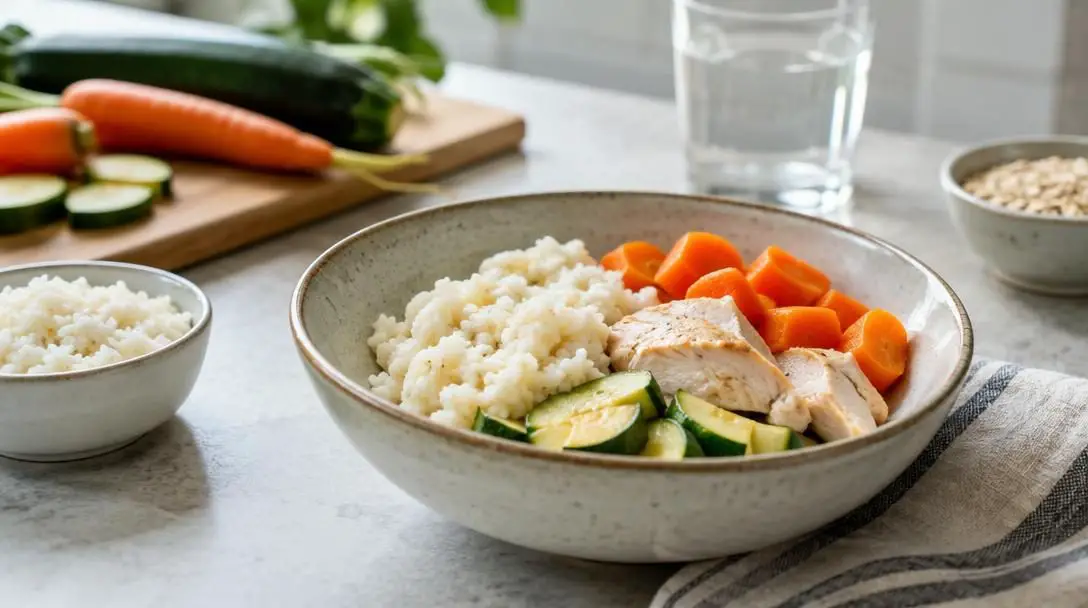
- Lean proteins like chicken and turkey prepared via baking, roasting, or air frying minimize digestive stress across all IBS subtypes.
- Medical evaluation is crucial to screen for underlying conditions like lactose intolerance and celiac disease before finalizing a dietary plan.
How Food and Digestion Interact in an Irritable Gut
Digestion is an intricate mechanical and chemical operation. Under normal circumstances, rhythmic muscular contractions known as peristalsis smoothly propel food through the stomach, small intestine, and colon. Along this pathway, fluids and nutrients are systematically absorbed before waste is expelled. In an individual living with IBS, however, the enteric nervous system and digestive tract often operate in a state of visceral hypersensitivity, overreacting to ordinary digestive stimuli, shifts in volume, and specific chemical compounds.
When gut motility accelerates too rapidly, contents pass through the large intestine before adequate water can be reabsorbed into the bloodstream. This rapid transit time results in frequent, urgent diarrhea. Conversely, when muscular contractions become sluggish and uncoordinated, stool remains in the bowel for too long. The colon continues to pull moisture from the waste material, resulting in dry, dense, and painful stools characteristic of constipation.
Because the gut is hypersensitive to physical volume and chemical composition, everyday meals can easily trigger intense neuromuscular spasms.
Beyond motility speed, the digestive system also reacts strongly to the physical and thermal traits of what you consume. Sudden temperature differentials—such as washing down a piping hot entrée with an ice-cold beverage—can trigger abrupt gastrointestinal spasms and motility disruptions. Furthermore, the chemical fermentation of certain fibrous foods produces significant volumes of gas, creating internal pressure that stretches sensitive intestinal walls and produces debilitating abdominal pain.
Dietary Strategies for Diarrhea-Predominant Symptoms
When your primary challenge is rapid transit, loose stools, and urgent bowel movements, the chief objective of your daily meal plan must be to calm gastrointestinal motility, slow down transit speed, and remove irritating compounds that stimulate bowel contractions.
Control Portion Sizes with Smaller, Frequent Meals
Sitting down to large, heavy plates of food creates immediate physical distension in the stomach, which sets off the gastrocolic reflex. In a person with rapid motility, this reflex triggers immediate, violent contractions downstream in the colon. Dividing your daily nutrition into smaller, evenly spaced meals prevents your digestive system from becoming overwhelmed at any single point in the day.
Reevaluate and Moderate Fiber Consumption
While mainstream health advice often champions massive quantities of dietary roughage, an overabundance of fiber can severely aggravate diarrhea. Excess fiber adds bulk and speeds transit through the intestines, intensifying loose stools and cramping. Keep your fiber intake measured, opting for gentle whole grains that provide structure without accelerating gut transit.
Match Meal and Beverage Temperatures
A frequently overlooked trigger for sudden diarrhea is thermal shock to the stomach lining. Consuming foods and liquids at widely divergent temperatures simultaneously can send the gastrointestinal tract into painful spasms. Make a conscious effort to keep your beverages and your food at roughly the same temperature during mealtime.
Eliminate Fatty Foods and Intestinal Irritants
Dietary fats are among the strongest chemical triggers for gastrointestinal motility. Ingesting greasy or high-fat foods causes rapid contractions of the intestinal smooth muscle, directly accelerating loose bowel movements. You should also eliminate carbonated drinks that contain alcohol, as the combination of carbonation bubbles and alcohol irritates the intestinal lining while speeding elimination. Finally, closely evaluate your tolerance to dairy products, as undiagnosed lactose intolerance frequently drives persistent diarrhea.
Dietary Strategies for Constipation-Predominant Symptoms
For individuals struggling with the constipation side of IBS, the daily hurdle involves infrequent, dry, and strained bowel movements. The dietary objective shifts from slowing things down to promoting natural, consistent motility without causing painful gas buildup.
Gradually Increase Fiber and Whole Grains
A diet heavily reliant on processed convenience foods and refined white grains lacks the roughage required to stimulate coordinated peristalsis. Replace these refined options with nutritious whole grains. However, the increase in daily fiber must be gradual; introducing large amounts of fiber overnight will create painful gas pockets behind stalled stool, leading to severe abdominal discomfort.
Prioritize Daily Hydration
Fiber cannot perform its job without an abundant supply of water. When stool stalls in the colon, the bowel relentlessly extracts water from the waste mass. Drinking plenty of water throughout every part of the day ensures that there is sufficient moisture in the intestinal lumen to keep stool soft, pliable, and easy to pass.
Incorporate Prune Juice and Dried Fruit
Prune juice has long served as a reliable, natural method for easing sluggish bowels. Drinking prune juice regularly provides mild osmotic support, drawing fluid directly into the intestinal tract to soften hard waste. Additionally, incorporating modest amounts of dried fruit into your daily meals offers both nutritional balance and gentle mechanical stimulation for regular bowel movements.
Establish Consistent Meal Schedules
The human colon thrives on predictable circadian rhythms. Skipping meals or eating at erratic hours disrupts normal digestive signals. Eating at consistent intervals throughout the day trains your digestive tract to anticipate food intake, helping establish a steady, predictable schedule of daily elimination.
Comparing Dietary Approaches by Symptom Type
Because the physical mechanisms behind diarrhea and constipation represent opposite functional extremes, your grocery choices and meal habits must reflect your dominant symptom pattern.
| Dietary Factor | Diarrhea-Predominant IBS | Constipation-Predominant IBS |
|---|---|---|
| Fiber Intake | Moderate carefully; avoid excess roughage | Gradually increase to add bulk and structure |
| Grain Selection | Gentle whole grains in measured portions | Whole grains replacing all refined grains |
| Hydration Focus | Replenish lost fluids; avoid temperature shocks | High daily water intake; add prune juice |
| Fruit Choices | Modest portions of dried fruits for consistency | Regular dried fruit and prune juice for motility |
| Portion Strategy | Small, frequent meals to calm reflexes | Strictly consistent meal timing every day |
Universal Guidelines for Managing Gas, Bloating, and Pain
Regardless of whether your IBS manifests primarily as diarrhea, constipation, or alternating cycles of both, certain dietary habits universally irritate the gut lining and generate severe abdominal pain.
Prioritize Lean Protein Sources
Protein is an indispensable macronutrient that repairs tissues, supports immune function, and maintains lean muscle mass. You should never compromise your protein intake while trying to manage IBS. Instead, be deliberate about the types of protein you prepare:
- Stick primarily to lean meats such as skinless chicken breast and turkey breast.
- Avoid heavily marbled cuts of red meat, which carry dense concentrations of saturated fats that stall digestion or trigger aggressive spasms.
- Avoid heavily seasoned, pre-packaged processed meats that contain hidden gastrointestinal irritants.
Adopt Low-Fat Cooking Techniques
Even the leanest poultry can become a severe gastrointestinal trigger if prepared incorrectly. Traditional deep-frying saturates food with degraded oils and dense fats that overstimulate the digestive tract. You can protect your digestive comfort by adopting gentler preparation methods:

- Baking: Allows proteins and vegetables to cook evenly in their natural juices with minimal added fats.
- Roasting: Uses dry ambient heat to create flavor and tenderness without requiring submersion in oil.
- Air Frying: Circulates intense heat to achieve a crisp texture while requiring only a fraction of the oil used in conventional frying.
Monitor Gas-Producing Vegetables and Legumes
Vegetables provide vital micronutrients, but their chemical composition can pose major problems for an irritable bowel. Many plant foods contain complex carbohydrates that human enzymes cannot fully break down in the stomach or small intestine. When these undigested compounds reach the colon, resident bacteria rapidly ferment them, releasing substantial volumes of gas that stretch the sensitive bowel walls.
- Legumes and beans: Widely recognized as potent gas generators that should be eaten with extreme caution.
- Cruciferous vegetables: High-sulfur vegetables like broccoli and brussels sprouts produce intense bloating and abdominal cramps.
- Chickpeas: Dense, complex legumes that place heavy demands on digestive fermentation and frequently trigger flare-ups.
Eliminate Recognized Gut Toxins
A diet loaded with fried items and regular alcohol intake severely disrupts intestinal health. Alcohol acts as an irritant to the mucous membrane lining the digestive tract, altering intestinal motility and impairing nutrient absorption. Fried foods flood the intestines with heavy oils that provoke cramping and diarrhea. Eliminating alcohol and greasy fried items provides immediate structural relief to an inflamed, hypersensitive system.
Common Nutritional Mistakes to Avoid
When individuals attempt to manage IBS independently, good intentions often lead to nutritional pitfalls due to widespread diet myths. Steering clear of these common mistakes will save you from unnecessary digestive flare-ups:
- Assuming all nutritious foods are safe: Many people believe that because a food item is packed with vitamins, it cannot harm the gut. Consuming large servings of nutrient-dense vegetables like broccoli, brussels sprouts, beans, and chickpeas often triggers agonizing gas and bloating.
- Overdosing on fiber during diarrhea flare-ups: Well-meaning advice often treats fiber as a cure-all, but loading up on extra fiber when dealing with active diarrhea speeds up bowel movements and worsens urgency.
- Relying on refined grains during constipation: Reverting to refined white flour and processed snacks during constipation episodes starves the gut of the bulk needed to push waste forward, worsening stool impaction.
- Ignoring drink and food temperature pairings: Washing down a piping hot dinner with an ice-cold beverage shocks the stomach nerves, frequently provoking immediate cramps.
- Using high-fat cooking methods on lean meats: Cooking chicken or turkey in heavy butter, lard, or deep-fryer oil negates the benefit of choosing lean protein.
- Drinking carbonated alcoholic beverages: Consuming alcoholic drinks with carbonation introduces two potent digestive irritants simultaneously, driving rapid gas production and urgent diarrhea.
- Self-treating without medical testing: Attempting to navigate severe digestive symptoms entirely alone can cause you to miss dangerous underlying medical conditions that mimic IBS.
The Importance of Clinical Testing and Medical Guidance
While targeted dietary changes serve as a foundational pillar in managing irritable bowel syndrome, dietary adjustments should never replace a thorough professional medical evaluation. Many serious gastrointestinal disorders produce symptoms that look and feel identical to IBS.
A primary reason to consult a physician is to rule out conditions such as celiac disease and lactose intolerance. Many people mistakenly confuse IBS with gluten intolerance or self-diagnose an autoimmune reaction to gluten without clinical confirmation. Celiac disease is an autoimmune condition where gluten consumption damages the villi of the small intestine, requiring strict, lifelong medical avoidance, whereas IBS is a functional motility and sensitivity disorder.
A qualified physician can run targeted laboratory tests to differentiate between an autoimmune response, an enzyme deficiency such as lactase insufficiency, or genuine IBS. Once you have a verified clinical diagnosis, your medical provider can collaborate with you to create a personalized, balanced, and sustainable dietary strategy that provides long-term digestive relief.
Frequently asked questions
Does irritable bowel syndrome shorten your life expectancy?
No. Irritable bowel syndrome is a functional disorder that disrupts the normal workings of the digestive tract, but it is not known to affect or shorten an individual's natural lifespan. However, because its symptoms can cause persistent pain, bloating, and unpredictable bowel habits, it can severely degrade daily quality of life if left unmanaged.
Why does eating broccoli or chickpeas cause such severe pain in IBS?
Broccoli, chickpeas, beans, and brussels sprouts contain complex carbohydrates that are difficult for the human digestive tract to break down completely in the small intestine. When these foods reach the colon, resident bacteria ferment them rapidly, creating high volumes of gas. In an irritable bowel with visceral hypersensitivity, this gas stretches the intestinal walls, triggering intense abdominal cramps.
How does the temperature of my food affect my digestion?
The nerves in the stomach and upper digestive tract are sensitive to rapid temperature shifts. Consuming an ice-cold drink alongside a hot meal can shock the enteric nervous system, prompting sudden gastrointestinal muscle spasms, cramping, or sudden diarrhea. Keeping both your meals and beverages at similar temperatures prevents this thermal shock.
Should I cut out all fiber if I have diarrhea-predominant IBS?
No, you should not eliminate fiber entirely. Total elimination of fiber can harm gut health and overall nutrition. Instead, the goal is to evaluate and moderate your intake, avoiding excessive fiber while incorporating gentle whole grains and modest amounts of dried fruit to provide stable stool consistency without accelerating bowel transit.
How can I tell the difference between IBS and celiac disease?
You cannot differentiate between IBS and celiac disease based solely on symptoms, as both can cause bloating, gas, abdominal pain, and diarrhea. Celiac disease is an autoimmune reaction to gluten that causes measurable damage to the small intestine, which must be diagnosed by a physician using specific blood tests and diagnostic procedures before you remove gluten from your diet.
The bottom line
Living with irritable bowel syndrome requires a patient, deliberate approach to everyday eating. Because IBS manifests differently in every individual—ranging from rapid, dehydrating diarrhea to painful, stalled constipation—there is no generic, one-size-fits-all meal plan. Managing your condition begins with identifying your primary symptom patterns, selecting lean proteins like chicken and turkey, and adopting gentle cooking methods like baking, roasting, or air frying.
By moderating gas-producing legumes and cruciferous vegetables, balancing meal temperatures, eliminating fried foods and alcohol, and seeking professional clinical evaluation to rule out celiac disease and lactose intolerance, you can calm your digestive tract. With consistent habits, portion control, and proper medical support, it is entirely possible to alleviate recurring IBS symptoms and live a comfortable, vibrant life.