Ranking Michigan’s Football Rivalries
College football is anchored in deep-rooted traditions, intense grudges, and annual contests that carry significance far beyond the final score on the scoreboard. The University of Michigan football program, recognized as one of the oldest and most successful in the nation, has spent more than a century clashing with opponents that consider the Wolverines their ultimate adversary. As one of the definitive blue bloods of collegiate sports, Michigan faces claims of rivalry from programs across the Midwest and the entire country, though the sentiment is rarely identical on both sides of the field.
To truly understand how the maize and blue view their football schedule, one must weigh factors such as longevity, competitive parity, geographic proximity, and championship stakes. From foundational Big Ten matchups against long-time Midwestern peers to fiery in-state battles and national blue-blood collisions, evaluating these rivalries provides a clear look at how regional gridiron conflicts evolved into massive spectacles watched by millions.
Key takeaways
- Ohio State stands as Michigan's undisputed premier rival, surpassing all other matchups in national title implications, competitive drama, and total games played.
- The clash with Michigan State represents the program's most raw and emotional in-state test, with the coveted Paul Bunyan Trophy contested every October.
- Notre Dame forms a storied national rivalry between blue bloods that dates to the late 19th century, though future meetings face extended scheduling hiatuses.
- Trophy and historic series against legacy Big Ten programs like Minnesota and Illinois feature rich lore, but Michigan has held overwhelming competitive control in modern decades.
The definitive ranking of Michigan's top football rivalries
While many opposing schools circle the Wolverines on their calendar, historical records and cultural prestige single out five programs that stand above the rest. Here is the definitive countdown of Michigan's five most significant football rivalries.
Illinois Fighting Illini
- Rivalry Rank: 5
- Designated Trophy: None
- Peak Margin of Victory: 57 points (1969 Michigan win)
- Recent Illinois Success: 2 victories between 2000 and 2022
While the series between Michigan and the Illinois Fighting Illini rarely produces the heated national headlines seen in November, it remains one of the most frequently played matchups in Wolverine history. In fact, there are only two teams in the entire history of the Michigan football program that the Wolverines have played more times than Illinois. The rivalry traces its heritage to the foundational years of Midwestern college football, establishing a classic conference pairing that has spanned multiple generations of athletes and fans.
The competitive nature of this pairing has tilted decisively toward Ann Arbor, particularly since the 1960s. During the era of legendary icons like Dick Butkus and Red Grange, Illinois proved to be a stubborn, bruising challenge for the Wolverines. Once those eras concluded, however, Michigan took firm control. The two universities do not play for an official traveling trophy, and modern results have often been lopsided; Michigan once dismantled Illinois by 57 points in 1969. In the modern era between 2000 and 2022, Illinois managed only two wins against Michigan, both happening during uncharacteristic down years for the Wolverines.
Minnesota Golden Gophers
- Rivalry Rank: 4
- Designated Trophy: Little Brown Jug
- First Meeting: 1892
- Win Rate: Michigan has won roughly 75% of games played
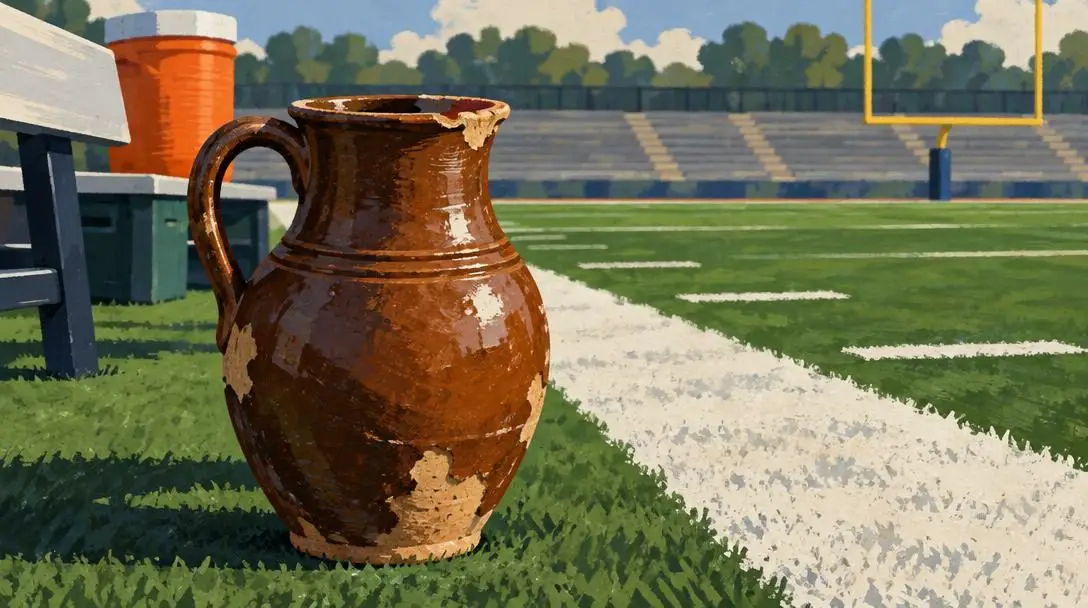
Dating back to their inaugural gridiron meeting in 1892, the rivalry between Michigan and the Minnesota Golden Gophers is rich with historical significance. The two founding Midwestern institutions have battled over 100 times, competing for the Little Brown Jug, college football's oldest and most famous rivalry prize. While modern conference realignments mean this contest is no longer an automatic annual fixture on the Big Ten calendar, the lore surrounding the missing earthenware jug left behind in Minneapolis continues to capture the imagination of college football fans.
Despite its venerable age, the series has suffered from a lack of competitive parity in recent generations. Michigan holds an overwhelming historical advantage, having triumphed in roughly three-quarters of all meetings while posting an average margin of victory greater than 12 points per game. Minnesota enjoyed national dominance in the early decades of the 20th century, but the series has belonged almost completely to the Wolverines since then. Between 1986 and 2020, Minnesota secured the Little Brown Jug just twice—scoring upsets in 2005 and 2014—and the Golden Gophers have not managed consecutive wins against the Wolverines since the 1960s.
Michigan State Spartans
- Rivalry Rank: 3
- Designated Trophy: Paul Bunyan Trophy
- Timing: Played annually in October
- Modern Inflection Point: Escalated into high national relevance around 2008
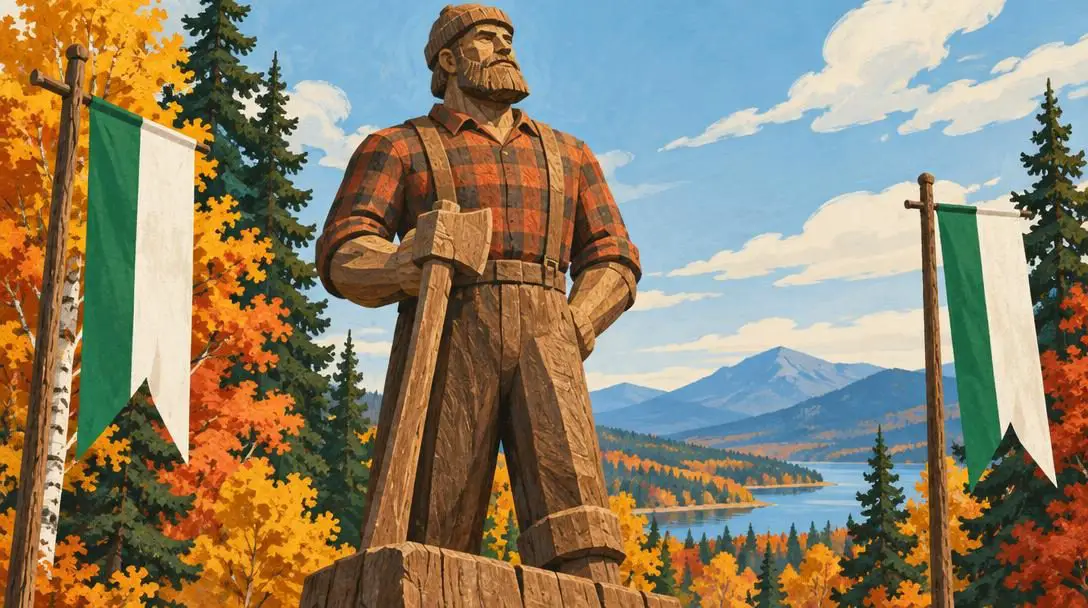
Played every autumn in October, the bitter in-state clash between Michigan and Michigan State puts the massive wooden Paul Bunyan Trophy on the line. This contest carries the second-highest level of raw emotion of any matchup on the Wolverine schedule. Built on shared geography, divided households, fractured workplaces, and genuine mutual animosity, the rivalry routinely produces intense tension that has on occasion spilled into postgame tunnel brawls. Decades of condescending "little brother" comments from Ann Arbor have only poured gasoline on an already boiling cultural battle inside state borders.
Even though the emotional temperature is blistering, the matchup checks in at third on the list. The rivalry features a noticeable asymmetry in perception: beating Michigan often feels like the centerpiece of Michigan State's entire campaign, whereas Michigan generally frames its ultimate goals around national title pursuits and Big Ten championships. Additionally, Michigan State is not historically classified among the traditional blue bloods of the sport. While the Spartans turned the rivalry into an ultra-competitive, nationally relevant series starting around 2008, Michigan continues to command a wide margin in the all-time victory column.
Nothing within the state borders matches the raw friction of the annual battle for the Paul Bunyan Trophy.
Notre Dame Fighting Irish
- Rivalry Rank: 2
- All-Time Record: Michigan leads 25-17-1 (one Notre Dame win vacated)
- First Meeting Era: 1887 to 1908 (Michigan won first 8 games)
- Next Scheduled Meeting: 2033 (last played in 2019)
The clash between the Michigan Wolverines and the Notre Dame Fighting Irish represents an elite, intersectional showcase pairing two of the winningest programs in college football history. The roots of the series trace back to 1887, when Michigan players and coaches traveled to South Bend to teach Notre Dame how to play the game of football. That instructional period fueled an early run of dominance, with the Wolverines winning the first eight meetings between 1887 and 1908. Over time, that dynamic gave way to deep institutional, cultural, and athletic tension that made every subsequent showdown an event of national magnitude.
Although Michigan holds the official edge in the series ledger at 25-17-1, the post-World War II era tells a story of remarkable parity, with Notre Dame actually holding a slight edge in games played since that turning point. What makes the rivalry painful for traditionalists is its intermittent schedule. The teams last met on the field in 2019 and, due to contractual pauses and shifting conference commitments, are not scheduled to face each other again until 2033. When the two blue bloods do share a field, however, few matchups in the sport generate greater anticipation or brand prestige.
Ohio State Buckeyes
- Rivalry Rank: 1
- Common Moniker: "The Game"
- Historical Blowout Record: 58-6 Michigan win (1946)
- Scheduling Slot: Annual regular-season finale
Unquestionably sitting atop the hierarchy is Ohio State, Michigan's ultimate rival and one of the premier grudge matches in all of global sports. Simply known as "The Game," this annual regular-season finale holds the title of the most-played matchup in Michigan football history. Unlike other rivalries that rely primarily on antiquity or regional proximity, the showdown between the Wolverines and Buckeyes consistently carries season-defining stakes, including the Big Ten championship, Rose Bowl appearances, and direct paths to the national title.
The historic drama is reinforced by remarkable competitive balance. While Michigan built a commanding series lead during the 20th century, Ohio State mounted a powerful surge during the opening decades of the 21st century to take a narrow edge in the overall win-loss count. Michigan has since rebounded to reassert itself, sustaining an elite level of parity. The Wolverines still boast the most lopsided score in the history of the matchup—a 58-6 thrashing handed to the Buckeyes in 1946. Packed with relentless pressure and national championship weight, nothing compares to the final Saturday of November against Ohio State.
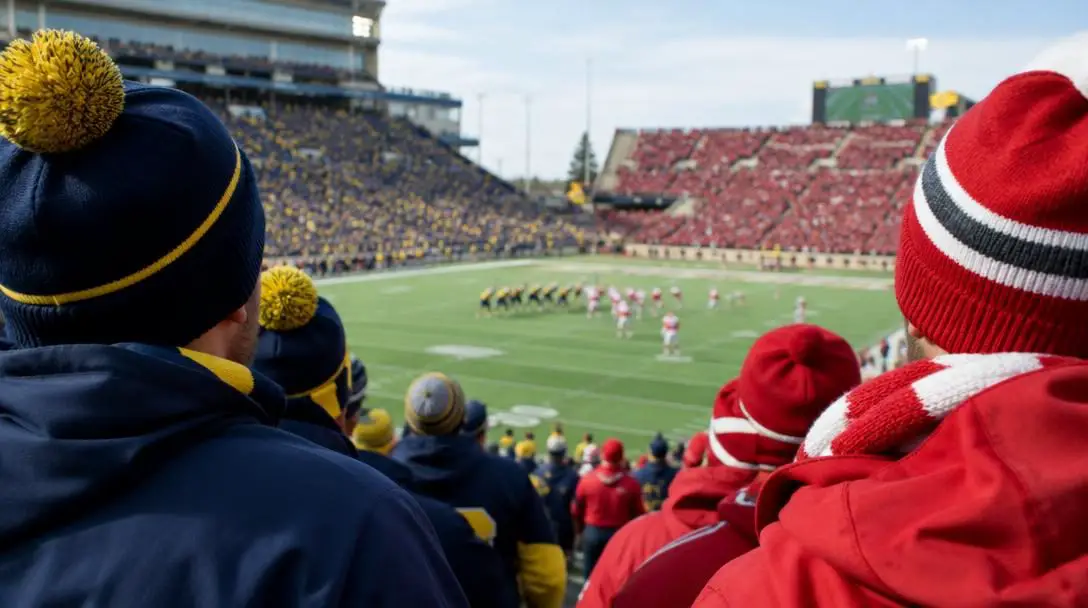
At a glance: Comparing Michigan's top five rivalries
Evaluating Michigan's opponents requires balancing ancient history, current competitive balance, and the hardware on the line. The table below details how these five storied rivalries compare based on historical context and series attributes.
| Opponent | Rivalry Rank | Trophy at Stake | Series Trajectory | Key Defining Dynamic |
|---|---|---|---|---|
| Ohio State Buckeyes | 1 | None (Conference Crown / Bragging Rights) | Highly competitive; historic leads contested | National title and Big Ten championship stakes |
| Notre Dame Fighting Irish | 2 | None | Even post-WWII; Michigan leads overall | Blue-blood battle with extended scheduling gaps |
| Michigan State Spartans | 3 | Paul Bunyan Trophy | Competitive modern era; Michigan leads historic | High-friction in-state cultural and family divide |
| Minnesota Golden Gophers | 4 | Little Brown Jug | Lopsided; Michigan won roughly 75% | Historic lore and the oldest traveling trophy |
| Illinois Fighting Illini | 5 | None | Heavily controlled by Michigan | One of Michigan's most-played historic series |
The core mechanics of college football rivalries
To understand why certain gridiron conflicts maintain their fire while others turn into routine conference games, it helps to examine the structural elements that build and sustain collegiate rivalries. Unlike professional sports leagues where rivalries ebb and flow almost entirely based on current divisional races, collegiate rivalries rely on a unique mix of historical, cultural, and geographical forces.
- Geographic and boundary friction: Physical proximity creates daily interactions between rival fan bases. Living alongside opposing supporters—whether across state borders as with Ohio State or within the same neighborhoods as with Michigan State—fuels year-round accountability and intense local pressure.
- Historical stakes and physical trophies: Tangible artifacts like the Little Brown Jug or the Paul Bunyan Trophy anchor a game in tradition. These physical symbols turn abstract athletic competitions into historical chapters with tangible spoils of victory.
- Championship implications: A rivalry holds onto national relevance when the outcome routinely reshapes the college football landscape. Games that consistently determine conference titles or national playoff seeds inherently command greater intensity than isolated grudge matches.
- Institutional identity clashes: Differences in school missions create natural animosity. Clashes between state flagship universities, land-grant colleges, and private religious institutions like Notre Dame add philosophical friction to the athletic gridiron.
How to follow and evaluate Michigan's rivalry games
For fans, alumni, and analytical observers seeking to navigate the college football calendar and properly assess Michigan's biggest games, following a deliberate approach can enhance the entire experience.
- Track the rotating Big Ten schedule: Because recent conference realignment reshuffled traditional schedules, trophy games like the Little Brown Jug against Minnesota no longer happen every single season. Review multi-year conference matrices to spot when these legacy rivalries are active.
- Separate long-term records from modern context: When assessing games against opponents like Illinois or Minnesota, distinguish between all-time winning percentages and modern roster talent. Heavy historical leads can obscure how dangerous a contemporary matchup may be.
- Learn the background behind series trophies: Gain a deeper appreciation for the games by studying the historical origins of the prizes, such as why Michigan abandoned an earthenware jug in Minneapolis or how the Paul Bunyan Trophy came into existence.
- Monitor future non-conference schedules: Pay attention to long-range non-conference scheduling updates to track the eventual return of marquee national rivalries, including the scheduled resumption of the Notre Dame series in 2033.
- Prepare for regular-season finale stakes: Keep the final Saturday of the regular season reserved for "The Game." Review Big Ten standings and postseason qualification scenarios ahead of kickoff to understand the full weight of the Ohio State contest.
Common mistakes when evaluating Michigan's rivalries
Discussions surrounding college football rivalries often generate heated arguments that can cloud objective analysis. Avoiding these frequent analytical pitfalls allows for a more accurate assessment of Michigan's schedule.
- Confusing high game counts with competitive parity: Assuming that a frequently played matchup is naturally a close one is a common error. Michigan has met Illinois more times than nearly any other team, yet the series has been defined by long periods of Wolverine dominance.
- Treating the in-state game as the top priority: While Michigan State evokes massive emotional tension, elevating it above Ohio State overlooks the broader national picture. The clash with the Buckeyes carries conference and national title implications that the Spartan game rarely duplicates.
- Assuming historic rivalries are permanent annual fixtures: Expecting every classic non-conference series to continue without interruption ignores the realities of modern television rights and conference schedules. The multi-year hiatus between Michigan and Notre Dame between 2019 and 2033 demonstrates how easily non-conference games can pause.
- Relying solely on recent win streaks: Judging long-standing series through narrow modern windows skews historical perspective. While Ohio State surged early in the 21st century and Minnesota struggled after the 1960s, college football rivalries swing across generations over their century-long histories.
Frequently asked questions
Why is Ohio State considered Michigan's top rival over Michigan State?
While the Michigan State game carries immense local emotion and in-state bragging rights, the Ohio State series surpasses it due to competitive parity, sheer volume of games played, and consistent national championship and Big Ten title implications.
What is the oldest rivalry trophy Michigan plays for?
The oldest rivalry prize is the Little Brown Jug, contested between Michigan and the Minnesota Golden Gophers. The series dates back to 1892, with the jug itself standing as the oldest traveling trophy in college football.
Why don't Michigan and Notre Dame play every year?
Because Notre Dame remains an independent program with dedicated scheduling commitments across college football, and Michigan must navigate an extensive Big Ten conference slate, finding open dates has proven difficult. The teams last met in 2019 and are not scheduled to play again until 2033.
What was the largest blowout in the history of the Michigan-Ohio State rivalry?
The largest margin of victory in the series belongs to Michigan, which defeated Ohio State by a score of 58-6 in 1946.
Do Michigan and Illinois play for an official traveling trophy?
No, despite being one of the most frequently contested matchups in Michigan football history, there is no official rivalry trophy awarded to the winner of the Michigan-Illinois game.
The bottom line
College football's charm lies in its sense of place and historical continuity, and the University of Michigan's schedule showcases both in abundance. Whether it is the ancient lore of the Little Brown Jug against Minnesota, the high-octane emotional friction of the Paul Bunyan clash with Michigan State, or the immense national spotlight of the regular-season finale against Ohio State, these games define the Wolverine program. As college football continues to reshape itself through conference expansion and evolving postseason formats, understanding the history, balance, and stakes of these five core rivalries ensures that the rich heritage of the maize and blue remains in sharp focus.