Sneaky Ways To Get More Protein Into Your Diet
Meeting your daily nutritional targets can easily turn into an exhausting chore, whether you are an active fitness enthusiast or simply someone who functions best on a high-protein diet. Protein is indispensable for sustaining a healthy metabolic rate, repairing lean tissue, and maintaining consistent physical vitality. Yet, many people find it difficult to reach their daily quota consistently because traditional meal planning tends to devolve into uninspired routine. When individuals decide to increase their protein intake, they almost instinctively rely on the same plain staples day after day, stocking their refrigerators with skinless chicken breast and endless cans of tuna.
While poultry and canned fish are effective sources of nutrition, consuming them repeatedly brings about rapid palate fatigue. Forcing yourself to chew through dense, dry meat or opening another tin of fish often leaves you longing for rich textures, creamy comfort foods, and familiar carbohydrates. The secret to long-term success does not involve punishing your tastebuds with monotonous meals. Instead, the most sustainable, stress-free path forward lies in utilizing stealthy culinary strategies that weave substantial protein into your preferred snacks, sauces, and evening side dishes.
Key takeaways
- Adding nutrient-dense ingredients to your current meals is far more sustainable than eliminating beloved foods or forcing down plain chicken and tuna.
- Creamy dairy products like part-skim ricotta and Greek yogurt seamlessly fortify soups, morning fruit, and sauces with up to 18 grams of protein per serving.
- Replacing standard refined dinner starches with quinoa delivers a comforting texture while adding eight grams of complete protein per cup.
- Starting with a conservative half-scoop of whey, soy, or pea protein powder helps prevent digestive discomfort while you discover the flavor profile that suits your palate.
The physiology of satiety and culinary stealth
Understanding why protein keeps you satisfied requires a look at how your gastrointestinal tract processes macronutrients. Compared to simple carbohydrates, which digest quickly and frequently cause rapid spikes and sudden drops in blood sugar, dietary protein digests at a significantly slower pace. This measured, sustained breakdown keeps your stomach comfortably full, preventing the disruptive mid-morning energy dips and late-afternoon crashes that so often drive unplanned snacking. By keeping amino acids trickling steadily into your bloodstream, protein acts as a metabolic anchor for your appetite.
In the kitchen, the art of sneaking protein into everyday meals relies on functional textures. Many people struggle with meal adherence because high-protein meals can feel dry, fibrous, and arduous to chew. By incorporating dairy options that possess natural creaminess and moisture, you can transform what would otherwise be a heavy meal into an indulgent experience. Blending dairy into hot soups, whipping it into dips, or folding it into simmered sauces elevates your nutrition profile without forcing you to sit down to an intimidating cut of meat.
The most sustainable strategy involves finding subtle, clever ways to sneak extra protein into the meals, snacks, and side dishes you already enjoy.
Similarly, smart ingredient substitutions capitalize on how we perceive side dishes. Carbohydrate staples like rice and pasta are universally cherished for their ability to carry savory sauces and deliver comforting textures. When you switch to nutrient-dense ancient seeds or incorporate concentrated protein powders into morning porridges, you retain the satisfying sensory qualities of your favorite comfort foods while multiplying their nutritional payload.
At a glance: stealth protein powerhouses
| Ingredient | Standard Serving | Protein Yield | Best Kitchen Application |
|---|---|---|---|
| Part-Skim Ricotta Cheese | 1/2 cup | 14 grams | Stirred into hot soups, pasta sauces, or spread over toast |
| Greek Yogurt | 1 serving (approx. 3/4 cup) | 18 grams | Breakfast fruit dip, smoothie thickener, or standalone side |
| Quinoa | 1 cup (cooked) | 8 grams | Dinner base, warm grain pilaf, or cold salad foundation |
| Protein Powder | 1 scoop (varies by source) | 20 to 25 grams | Whisked into warm oatmeal, fruit smoothies, or baked goods |
Four versatile ingredients to elevate daily protein
You do not need an entirely new recipe archive or expensive specialty products to raise your daily intake. Focusing on these four accessible, multi-purpose ingredients will allow you to upgrade familiar meals effortlessly.
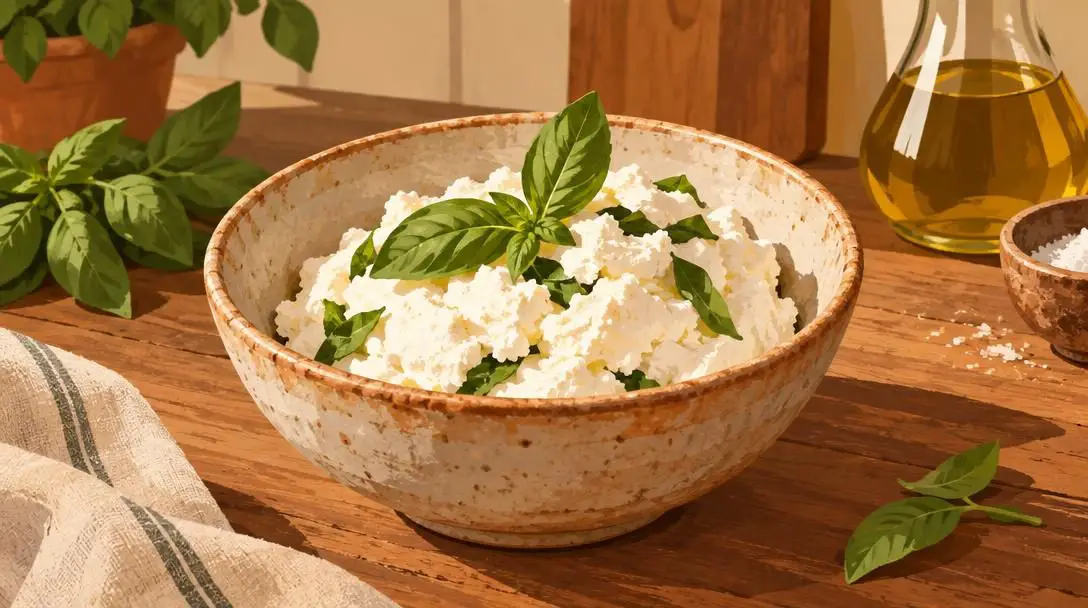
Part-Skim Ricotta Cheese
- Serving size: 1/2 cup
- Protein content: 14 grams
- Primary culinary role: Rich sauce enhancer and decadent spread
Ricotta is an Italian kitchen treasure that is far too often confined to special-occasion lasagna and baked ziti. Keeping a tub of part-skim ricotta in your refrigerator unlocks immense flexibility across breakfast, lunch, and dinner. With a single half-cup portion yielding 14 grams of protein, it delivers a substantial nutritional lift without dominating the flavor profile of the surrounding dish.
For a fast and savory breakfast or mid-day snack, spread ricotta generously across a slice of warm, crusty whole-grain toast, top it with sliced tomatoes, or spoon it over an existing cut of grilled poultry with a dusting of freshly torn basil. Where ricotta truly shines, however, is as a stealth thickener in hot dinner preparations. Instead of ladling heavy cream into a simmering tomato marinara or pureed vegetable soup, whisk in a generous scoop of ricotta right at the end of cooking. It imparts a velvety, luxurious body that satisfies the appetite while delivering clean dairy protein.
Greek Yogurt
- Serving size: 1 single-serve cup
- Protein content: 18 grams
- Primary culinary role: Morning side dish, smoothie base, and creamy dip
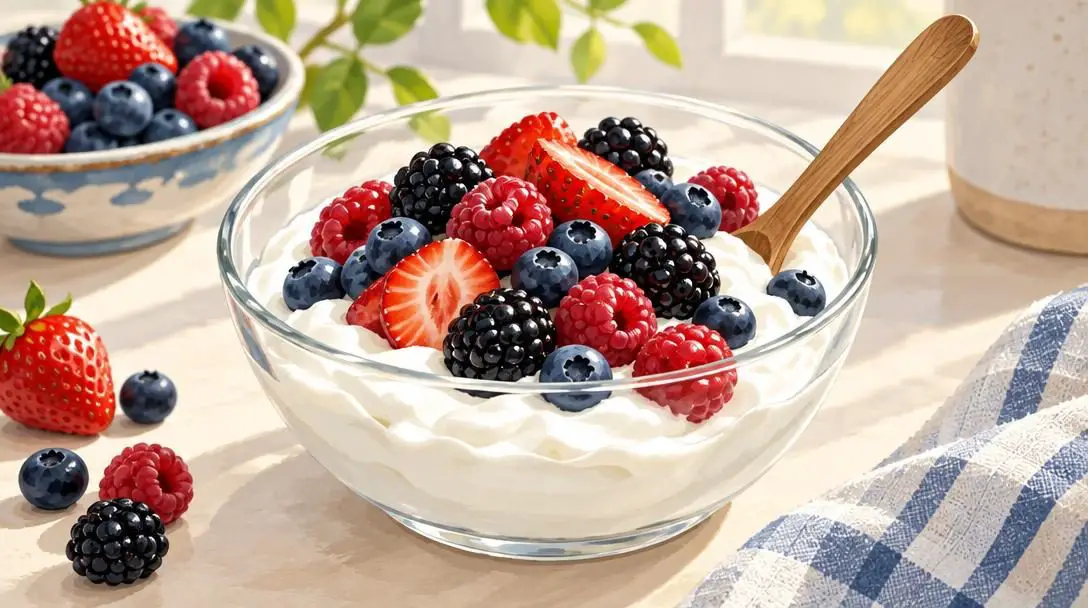
Making meaningful dietary modifications can feel daunting when the focus is on restriction and sacrifice. A far more effective and psychologically rewarding approach is to emphasize positive addition. Instead of overhauling your morning habits or banishing the breakfast foods you look forward to, simply introduce a single serving of thick Greek yogurt alongside your typical breakfast plate to instantly secure an additional 18 grams of protein.
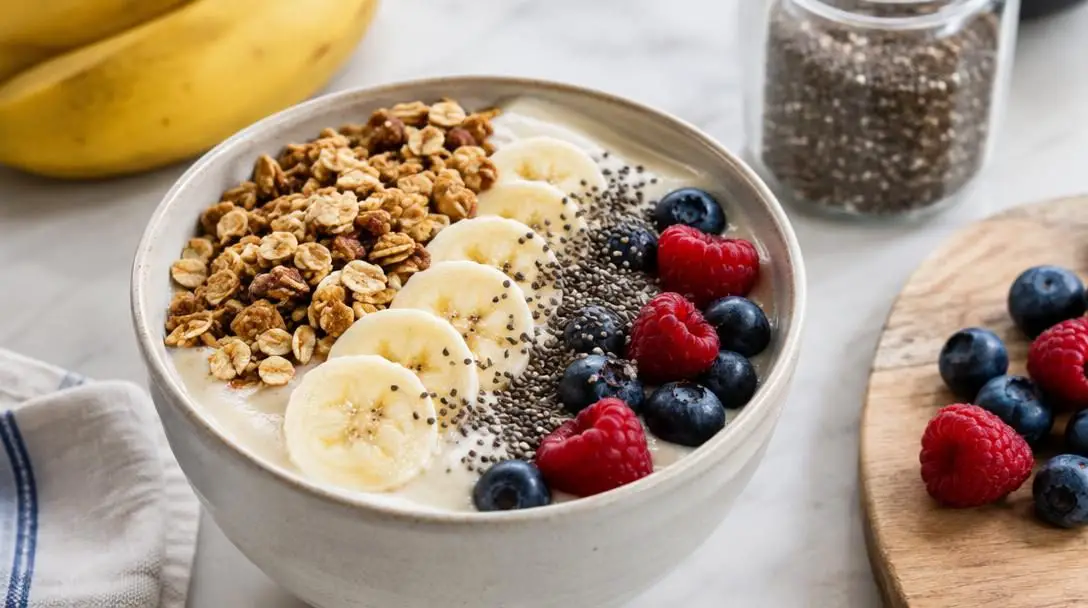
Greek yogurt adapts effortlessly to sweet or savory applications. If your morning routine routinely features a bowl of fresh berries, sliced melon, or seasonal stone fruits, treat Greek yogurt as a tangy, rich dipping cream. For individuals who prefer liquid fuel during brisk morning commutes, spooning a generous helping of plain Greek yogurt into the blender turns a thin fruit smoothie into an ultra-creamy, satiating beverage that keeps mid-morning workplace cravings entirely at bay.
Quinoa

- Serving size: 1 cup (cooked)
- Protein content: 8 grams
- Primary culinary role: Nutritious base grain for dinner plates and bowls
Sitting down to a warm mound of white rice or a bowl of buttered noodles at the conclusion of a demanding workday is deeply comforting. However, refined grains offer limited protein and digest relatively quickly. By substituting quinoa into your dinner lineup, you preserve the warm, comforting sensation of a grain-based foundation while enriching your meal with eight grams of protein per cooked cup.
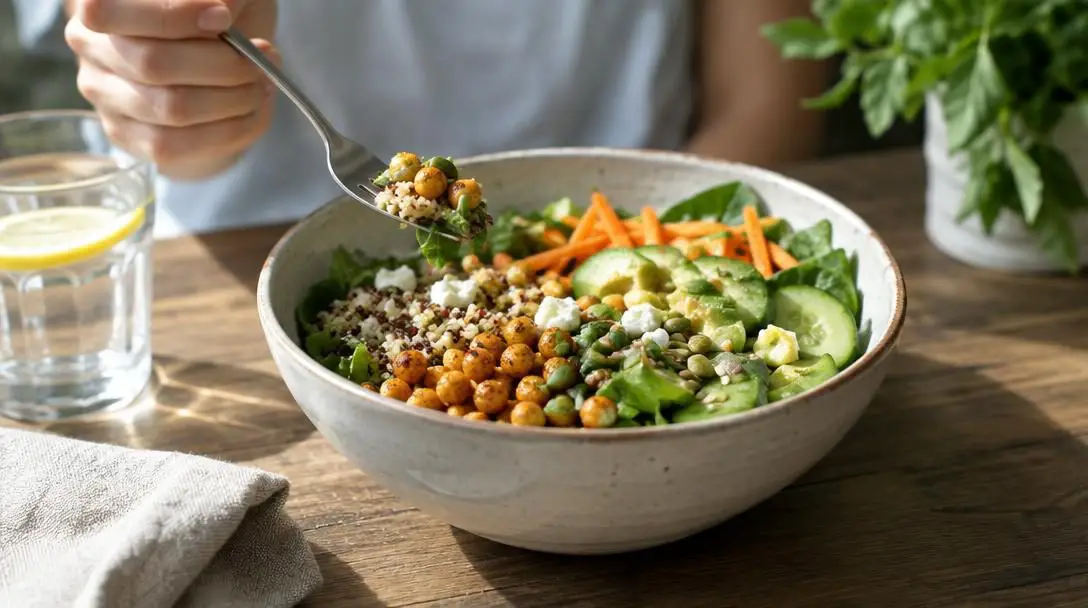
Quinoa boasts a mild, slightly nutty flavor and a delicate, satisfying chew that harmonizes with virtually any culinary tradition, from hearty stews to zesty southwestern bowls. When paired with secondary protein sources such as black beans, roasted lentils, or grilled lean meats, quinoa acts as a structural cornerstone. This synergistic combination provides the comprehensive amino acid balance required to aid muscle tissue recovery, support metabolic efficiency, and promote deeply restorative sleep through the night.
Protein Shakes and Powders
- Common varieties: Whey, soy, and pea
- Serving adjustment: Start with 1/2 scoop for sensitive digestion
- Primary culinary role: Dissolvable concentration for breakfast foods and shakes
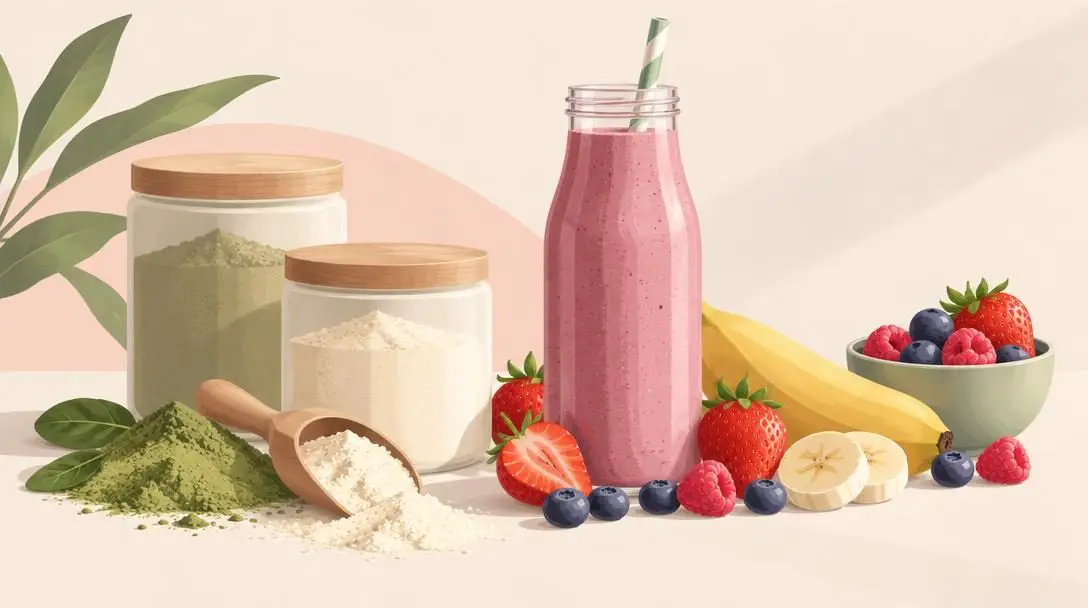
Commercial protein powders sometimes carry an unearned reputation for chalkiness and artificial flavor profiles, largely because many people attempt to consume them mixed only with cold water in a shaker cup. When approached instead as a concentrated, highly versatile pantry ingredient, protein powder becomes an unmatched tool for efficient nutrition. A single scoop can easily double the protein content of a breakfast without requiring lengthy cooking sessions or heavy chewing.
Finding a powder you genuinely enjoy often comes down to exploring different raw ingredient sources:
- Whey protein: A classic milk-derived powder prized for its rapid solubility, neutral creamy flavor, and smooth texture when stirred into liquids or cooked oats.
- Soy protein: A complete, high-quality plant-based standard that delivers balanced amino acids with a clean, mild flavor profile suitable for blender smoothies.
- Pea protein: An increasingly popular, hypoallergenic plant option extracted from yellow peas that naturally thickens shakes, hot porridges, and homemade baked goods.
Step-by-step guide to upgrading your daily menu
Radically overhauling your kitchen habits all at once can lead to decision fatigue and eventual burnout. Applying a step-by-step system makes these sneaky protein additions second nature without disrupting your lifestyle.
- Restock your kitchen staples: Add part-skim ricotta cheese, plain Greek yogurt, dry quinoa, and a small tub of quality protein powder to your weekly grocery shopping list so versatile ingredients are always within arm's reach.
- Reinforce your morning meal: Rather than subtracting your favorite carbohydrates, append a serving of Greek yogurt to your breakfast plate or blend it directly into your fruit smoothies for an immediate 18-gram advantage.
- Enrich hot cereals gradually: If warm oatmeal is part of your morning schedule, fold in one half-scoop of whey, soy, or pea protein powder along with a splash of extra liquid right after cooking.
- Swap your evening dinner base: Replace standard white rice or refined pasta with cooked quinoa two or three evenings per week to seamlessly add eight grams of protein per cup to your dinner plate.
- Fortify savory sauces and soups: Before ladling out tomato sauces, creamy vegetable bisques, or brothy stews, fold a half-cup of part-skim ricotta into the pot over low heat for a rich, silky texture.
- Track your digestive comfort: Pay close attention to how your stomach tolerates concentrated additions like powders, steadily moving from half-scoops to full servings as your tolerance allows.
Common mistakes to avoid when boosting protein
While sneaking protein into everyday meals is straightforward, there are several common errors that can derail your progress or cause needless frustration. Keep the following pitfalls in mind:
- Attempting a total diet overhaul overnight: Eliminating every carbohydrate or radically reinventing all three meals simultaneously creates friction; focus on adding nutrient-dense items to the meals you already love.
- Writing off all protein powders based on one bad experience: Powders differ drastically depending on whether their base is whey, soy, or pea; if one brand or source has an unpleasant texture, explore another alternative.
- Consuming massive powdered servings immediately: Flooding your digestive system with two full scoops of dense powder can produce gastrointestinal discomfort; start small and build up.
- Relying entirely on chicken breast and canned fish: Viewing dry poultry and tuna as the only valid protein sources leads to severe palate fatigue; embrace creamy dairy items and whole ancient seeds for culinary variety.
- Boiling dairy additions over aggressive heat: Dumping ricotta or yogurt into a violently bubbling sauce can cause the dairy proteins to curdle; always reduce your burner to low heat before stirring them in.
Frequently asked questions
How much protein does part-skim ricotta cheese actually provide?
A standard half-cup serving of part-skim ricotta cheese provides approximately 14 grams of protein. Its subtle flavor and smooth consistency make it ideal for swirling into marinara sauces, stirring into vegetable soups, or spreading over toast without altering the foundational profile of your meal.
Will adding Greek yogurt make my morning smoothies taste sour?
While plain Greek yogurt has a pleasant natural tang, blending it with naturally sweet ingredients like bananas, berries, or a light drizzle of honey balances the acidity completely. The primary effect in a smoothie is a remarkably rich, milkshake-like texture rather than sourness.
Can quinoa completely replace traditional starches like rice?
Yes. Quinoa functions identically to white or brown rice across virtually all culinary contexts, serving as an exceptional bed for roasted vegetables, grilled meats, and stir-fries. Unlike white rice, a single cooked cup of quinoa supplies eight grams of complete protein alongside its complex carbohydrates.
What should I do if protein powder gives me an upset stomach?
If you experience digestive discomfort, reduce your serving to just half a scoop mixed thoroughly into oatmeal or a smoothie. Additionally, try switching protein sources: if dairy-based whey bothers your stomach, hypoallergenic pea protein or neutral soy protein may digest much more comfortably.
Why is it better to add protein to meals rather than cut out carbohydrates?
Restrictive dieting that eliminates food groups often triggers psychological cravings and palate fatigue. By simply adding protein-dense ingredients like ricotta, yogurt, or quinoa to your current favorites, you slow overall digestion, enhance satiety, and maintain consistent energy levels without feeling deprived.
The bottom line
Escaping the monotony of plain chicken breast and tuna does not require you to sacrifice your nutritional ambitions. By embracing versatile ingredients like part-skim ricotta cheese, Greek yogurt, quinoa, and customizable protein powders, you can effortlessly infuse significant amounts of protein into the meals you already know and love. These stealthy additions preserve the rich textures, warming comfort, and ease of your favorite dishes while keeping your metabolism fueled and your appetite satisfied for hours on end.