Super Bowl History: Unforgettable Moments & Facts
Super Bowl Sunday has grown from a straightforward post-season championship into an unofficial American holiday, commanding the attention of millions across the globe. Each winter, sports fans and casual viewers gather to witness the conclusion of months of intense gridiron competition, accompanied by multi-million-dollar commercials and theatrical halftime entertainment. What began as an uneasy compromise between two rival football leagues has expanded into one of the most lucrative and culturally influential single-day spectacles in professional athletics.
The journey of the championship reflects the broader evolution of modern media, marketing, and popular culture over more than half a century. From half-empty bleachers in Los Angeles during the late 1960s to high-stakes showdowns decided in overtime, the event continues to generate moments that remain permanently etched in sporting history.
Key takeaways
- The Super Bowl originated from the historic 1966 merger agreement between the established NFL and the rival AFL.
- Iconic showdowns, including Joe Namath's guaranteed upset in Super Bowl III and New England's 25-point comeback in Super Bowl LI, cemented the game's reputation for high-stakes drama.
- Halftime performances transformed from college marching bands into global concert stages following Michael Jackson's milestone 1993 performance.
- Commercial broadcasts evolved into cultural touchstones, with companies investing millions for thirty-second advertising slots that captivate mainstream audiences.
- The New England Patriots and Pittsburgh Steelers share the record for the most franchise championships with six victories apiece.
The Origins and Evolution of the AFL-NFL Championship
The foundation of the modern Super Bowl rests upon intense corporate and athletic warfare between two rival organizations. Throughout the early 1960s, the established National Football League faced persistent pressure from the American Football League, which had formed in 1960. As the two entities competed fiercely for talent, stadium attendance, and lucrative television contracts, bidding wars for marquee players threatened the financial stability of both organizations. Recognizing that endless conflict would undermine professional football, executives finalized a historic merger agreement on June 8, 1966.
Under this pact, the leagues agreed to fully unify into one entity by 1970, splitting into two distinct conferences: the National Football Conference and the American Football Conference. In the interim, each organization committed to sending its respective champion to an annual end-of-season contest to crown the undisputed king of pro football. Originally dubbed the AFL-NFL World Championship Game, the contest soon earned the enduring title of the Super Bowl.
The inaugural game took place on January 15, 1967, at the Los Angeles Memorial Coliseum. The NFL champion Green Bay Packers squared off against the AFL champion Kansas City Chiefs. Behind the steady leadership of quarterback Bart Starr, who captured Most Valuable Player honors, the Packers dominated the second half to secure a 35-10 victory. Despite its historic legacy, Super Bowl I did not sell out the venue, and it remains unique as the only edition simulcast across two major television networks, CBS and NBC.
Over the following decades, the championship rapidly captured public fascination. Groundbreaking innovations in television production, including instant replay and multi-angle camera feeds, transformed gridiron battles into compelling narrative television. As television viewership surged into tens of millions, the game transitioned from a sports championship into a shared cultural celebration.
Four Games That Redefined Gridiron History
Across more than five decades, the Super Bowl has showcased unforgettable athletic feats, tactical masterclasses, and shocking upsets. While dozens of games have provided dramatic finishes, four contests stand apart for altering the trajectory of the sport.
| Game | Date / Year | Winner | Runner-Up | Final Score | Defining Significance |
|---|---|---|---|---|---|
| Super Bowl III | January 12, 1969 | New York Jets | Baltimore Colts | 16-7 | Proved the AFL could beat the NFL; validated the upcoming league merger. |
| Super Bowl XLII | 2008 | New York Giants | New England Patriots | 17-14 | Ended the Patriots' pursuit of an undefeated 19-0 season via the "Helmet Catch." |
| Super Bowl XLIX | February 1, 2015 | New England Patriots | Seattle Seahawks | 28-24 | Decided by a dramatic goal-line interception with seconds remaining. |
| Super Bowl LI | February 5, 2017 | New England Patriots | Atlanta Falcons | 34-28 (OT) | First overtime game in Super Bowl history, featuring a 25-point comeback. |
Super Bowl III
- Date: January 12, 1969
- Matchup: New York Jets vs. Baltimore Colts
- Final score: 16-7 (Jets)
- Pre-game spread: Colts favored by 18 points
Staged in Miami, Super Bowl III remains the benchmark for athletic upsets. The Baltimore Colts entered the stadium as overwhelming 18-point favorites, representing the established dominance of the NFL. Unfazed by the betting line, New York Jets quarterback Joe Namath famously issued a public guarantee of victory just days prior to kickoff. Backing up his bold proclamation, Namath and the Jets executed a disciplined game plan, stifling Baltimore's offense to secure a 16-7 triumph. This outcome proved that the AFL possessed equal talent and served as the primary catalyst that legitimized the impending league merger.
Super Bowl XLII
- Year: 2008
- Matchup: New York Giants vs. New England Patriots
- Final score: 17-14 (Giants)
- Patriots regular season: Undefeated 18-0 record
In 2008, the New England Patriots arrived at Super Bowl XLII on the verge of football immortality, boasting a pristine 18-0 record and a record-breaking offense. The New York Giants mounted an aggressive defensive pass rush that pressured New England all evening. Trailing 14-10 in the closing minutes, Giants quarterback Eli Manning engineered a desperate fourth-quarter drive. The sequence featured one of the most improbable plays in gridiron history: wide receiver David Tyree leaped into the air, pinning the football against his helmet while absorbing a tackle. The drive concluded with a go-ahead touchdown pass, sealing a 17-14 upset and extinguishing New England's perfect season.
Super Bowl XLIX
- Date: February 1, 2015
- Matchup: New England Patriots vs. Seattle Seahawks
- Final score: 28-24 (Patriots)
- Deciding play: Malcolm Butler goal-line interception
Super Bowl XLIX brought together two modern powerhouses in an elite tactical struggle. After trading leads throughout the contest, the defending champion Seattle Seahawks marched inside the Patriots' one-yard line in the final minute. Facing second-and-goal with star running back Marshawn Lynch in the backfield, Seattle surprised spectators by calling a quick slant pass. Patriots rookie cornerback Malcolm Butler read the route instantly, stepping in front of the receiver to make a game-saving interception. The play locked down a 28-24 victory for New England and ignited lasting controversy regarding Seattle's goal-line play-calling.
Super Bowl LI
- Date: February 5, 2017
- Matchup: New England Patriots vs. Atlanta Falcons
- Final score: 34-28 (Patriots)
- Deficit overcome: 25 points (28-3)
On February 5, 2017, the Atlanta Falcons unleashed their potent offense to establish a commanding 28-3 lead late into the third quarter. Facing near-certain defeat, quarterback Tom Brady orchestrated the greatest comeback in championship history. The Patriots reeled off 25 unanswered points through pinpoint passing and aggressive two-point conversions, forcing the first overtime period in Super Bowl history. In the extra frame, New England marched downfield to score the game-winning touchdown, earning Brady his fifth championship ring and delivering a 34-28 victory.
The Evolution of the Halftime Show
The entertainment presented at midfield has undergone an astonishing evolution since the tournament's inception. During the late 1960s and 1970s, halftime entertainment relied primarily on collegiate marching bands and community drill teams. Over the decades, NFL organizers recognized that the mid-game pause offered an opportunity to retain television viewers who were not die-hard sports enthusiasts. Today, the unveiling of the headline act generates global anticipation rivaling the sporting matchup itself.
Michael Jackson
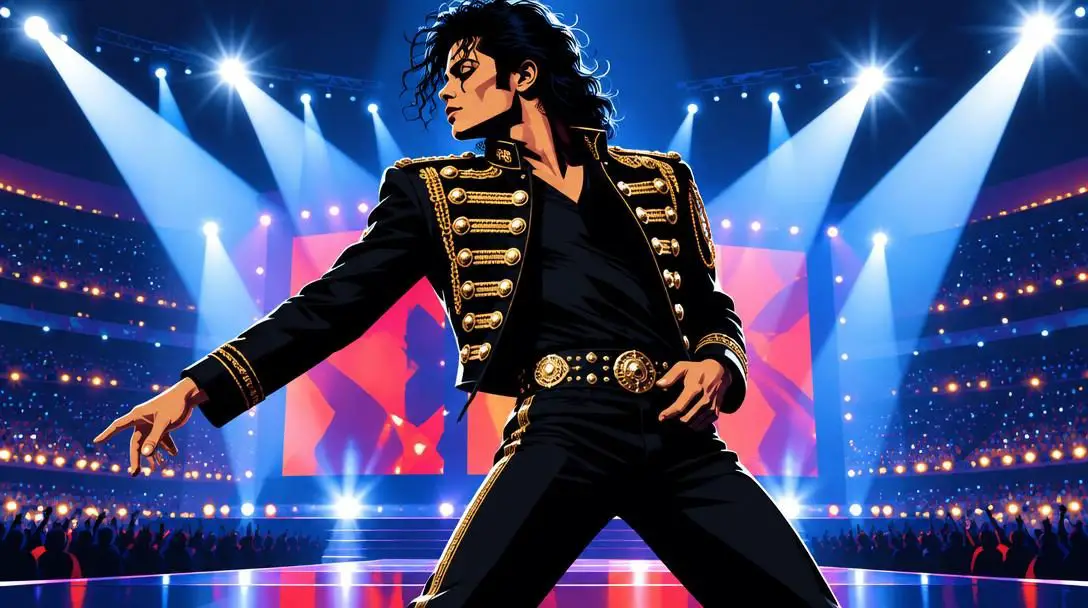
- Performance year: 1993 (Super Bowl XXVII)
- Key production elements: Elaborate staging, pyrotechnics, greatest-hits medley
- Historical significance: Redefined the halftime show into a superstar concert
The modern era of halftime entertainment began at Super Bowl XXVII in 1993. Facing stiff counter-programming from rival television networks, the NFL booked Michael Jackson to hold the television audience. Jackson delivered a masterclass in stagecraft, standing motionless for minutes as anticipation swelled before launching into a dynamic medley of his biggest hits. The performance generated historic television ratings, convincing league executives to permanently abandon traditional marching bands in favor of internationally renowned pop stars.
Prince
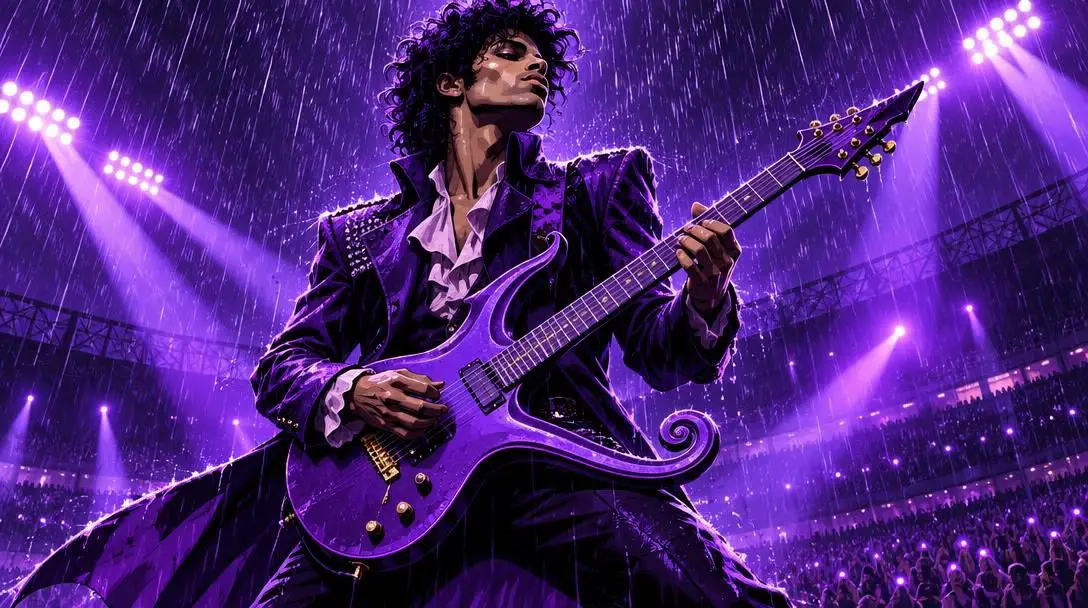
- Performance year: 2007 (Super Bowl XLI)
- Weather conditions: Torrential tropical downpour
- Signature song: "Purple Rain"
At Super Bowl XLI in 2007, Prince produced what is widely hailed as one of the most spellbinding live musical sets in television history. Staged in Miami during a torrential tropical rainstorm, the musician disregarded slick staging and electric guitar hazards. Blending classic rock anthems with his own catalog, Prince closed the show by performing "Purple Rain" beneath downpours illuminated by stadium lights, transforming challenging weather into unforgettable visual theater.
Beyoncé
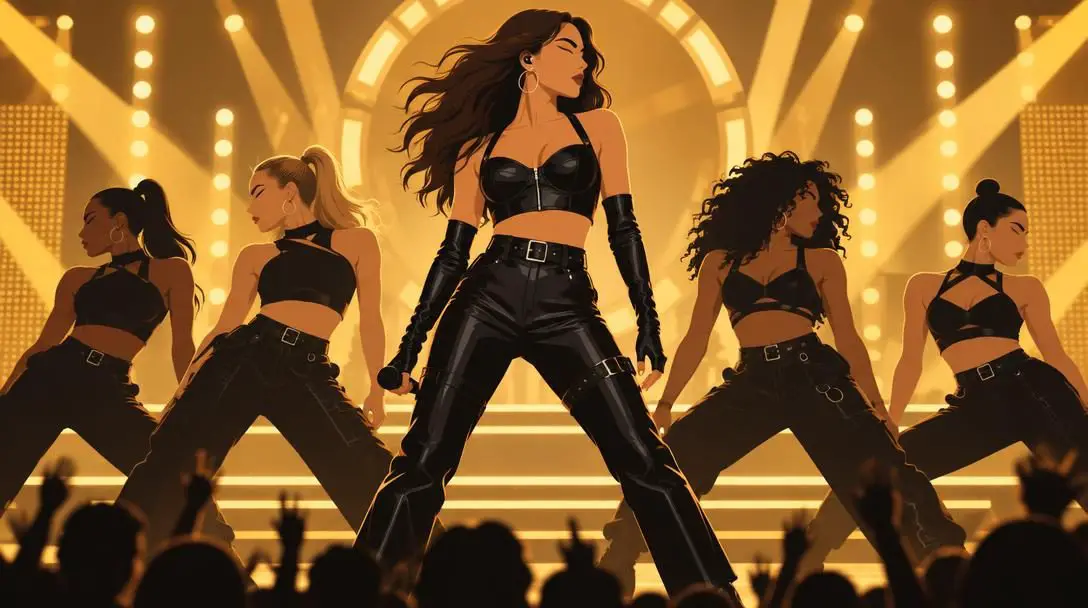
- Performance years: 2013 (Super Bowl XLVII) and 2016 (Super Bowl 50)
- Notable elements: Destiny's Child reunion; tribute to the Black Panthers
- Cultural impact: Merged large-scale pop spectacle with social commentary
Pop icon Beyoncé made distinct marks across two separate Super Bowl performances. In 2013, she commanded the stage at Super Bowl XLVII, uniting high-energy choreography with a surprise reunion alongside her former Destiny's Child bandmates. Three years later, she returned as a guest performer at Super Bowl 50, delivering a politically resonant set featuring choreography and costuming that paid homage to the Black Panthers. Her performances proved that the halftime platform could serve as both blockbuster entertainment and a venue for cultural discourse.
Lady Gaga
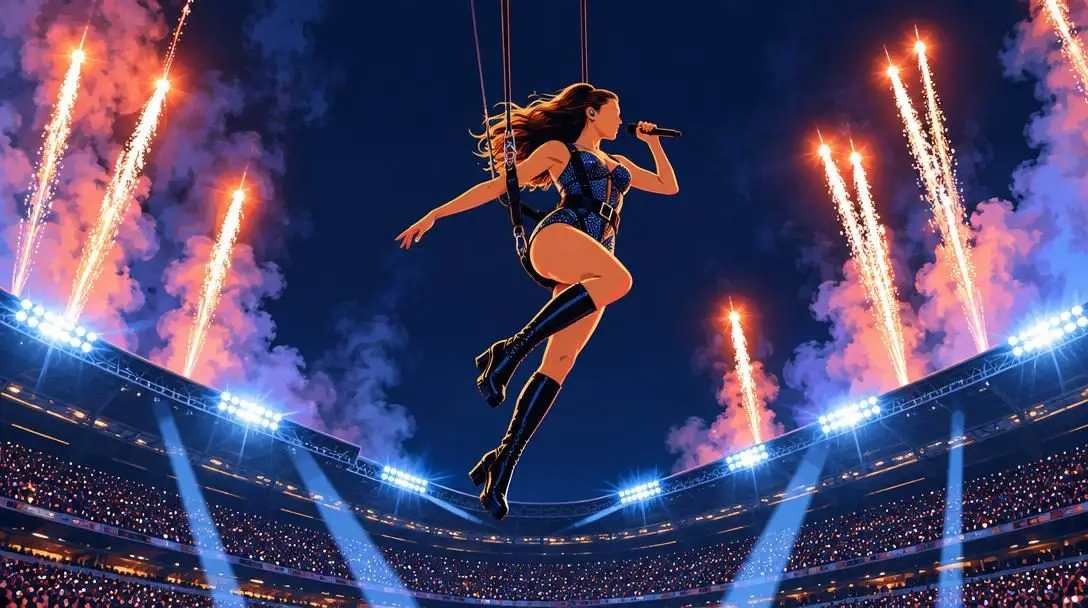
- Performance year: 2017 (Super Bowl LI)
- Opening stunt: Aerial dive from the stadium roof
- Show highlights: High-tempo medley of career hits
At Super Bowl LI in 2017, Lady Gaga delivered an athletic and theatrical display that matched the intensity of the upcoming on-field comeback. She initiated her set by descending from the roof of Houston's NRG Stadium via wire rig before launching into an acrobatic, high-tempo medley of her signature songs. Her appearance reinforced the modern expectation that halftime headliners combine vocal precision with cutting-edge visual and physical stunts.
Commercials as Cultural Milestones
Parallel to the athletic competition, commercial breaks during the Super Bowl have matured into an advertising arms race. With viewership routinely surpassing one hundred million domestic consumers, companies invest millions of dollars to secure thirty-second windows. These broadcasts are designed to spark conversation, launch brand identities, and establish enduring pop culture catchphrases.
Super Bowl commercials have evolved from brief sales pitches into cinematic cultural moments that command millions of dollars for thirty seconds of airtime.
The modern era of high-concept game advertising debuted in 1984 during Super Bowl XVIII. Directed by filmmaker Ridley Scott, Apple's iconic "1984" commercial depicted a dystopian society liberated by the introduction of the Macintosh computer. The ad aired only once nationally, yet it revolutionized how corporations approached event advertising, demonstrating that a cinematic narrative could generate more sustained publicity than traditional product demonstrations.
Numerous advertising campaigns have entered popular culture through the championship broadcast:
- Budweiser's Clydesdales: The brewing company's famous draft horses have starred in numerous campaigns, highlighted by a solemn 2002 tribute following September 11 in which the horses bowed before the New York City skyline.
- Coca-Cola's "Mean" Joe Greene: The beloved 1979 commercial featured a bruised Pittsburgh Steelers defensive tackle trading his game jersey to a young boy in exchange for a bottle of soda.
- Wendy's "Where's the Beef?": Launched during the 1980s, this humorous campaign satirized competitor portion sizes and transformed into an ubiquitous national catchphrase.
- Pepsi's Star-Studded Slate: The beverage giant maintained a long-running tradition of glossy pop-culture spots featuring icons such as Britney Spears, Cindy Crawford, and Michael J. Fox.
- Google's "Loretta": Aired in 2020, this emotional commercial showed an elderly widower using the Google Assistant tool to preserve memories and voice notes regarding his late wife.
- Jeep's "The Ground": Featuring rock musician Bruce Springsteen, this commercial presented a philosophical appeal for political healing and national unity.
Notable Records and Historic Milestones
Over more than five decades, record books have documented extraordinary athletic dominance, lopsided margins, and singular career achievements on professional football's biggest stage.
From a franchise perspective, the Pittsburgh Steelers and the New England Patriots share the benchmark for the most Super Bowl victories, having each hoisted the Vince Lombardi Trophy six times. The Patriots also hold the record for the most total appearances in the big game, having represented their conference on 11 occasions.
Individual excellence is headlined by quarterbacks Tom Brady and Joe Montana. Brady established unprecedented marks by winning seven Super Bowl rings across tenures with the New England Patriots and Tampa Bay Buccaneers. His resume includes all-time records for touchdown passes, total passing yardage, and the most Super Bowl Most Valuable Player trophies.
Other records span team dominance, clutch kicking, and wide receiver wizardry:
- Widest margin of victory: The San Francisco 49ers overwhelmed the Denver Broncos 55-10 in Super Bowl XXIV, establishing a championship record 45-point differential.
- Closest margin of victory: Super Bowl XXXVI was settled by a dramatic last-second field goal, with the New England Patriots edging the St. Louis Rams 20-17.
- Jerry Rice's receiving dominance: The legendary wide receiver holds the records for career Super Bowl receiving touchdowns (8), total career receiving yards (1,245), and the single-game receiving yardage record (215). Furthermore, Rice hauled in touchdown catches across four separate Super Bowl appearances.
- Longest field goal: Placekicker Steve Christie converted a 58-yard field goal for the Buffalo Bills during Super Bowl XXVIII.
- Longest punt return: San Francisco 49ers specialist John Taylor holds the record for the longest punt return in Super Bowl history.
Frequently asked questions
Which NFL franchises have won the most Super Bowls?
The Pittsburgh Steelers and the New England Patriots hold the record for the most championships, with each team having won six Super Bowl titles. The Patriots also hold the record for the most total appearances at 11 games.
When was the first Super Bowl played, and who won?
Super Bowl I took place on January 15, 1967, at the Los Angeles Memorial Coliseum. The NFL champion Green Bay Packers defeated the AFL champion Kansas City Chiefs by a score of 35-10, with quarterback Bart Starr winning Most Valuable Player honors.
What was the greatest comeback in Super Bowl history?
The greatest comeback occurred during Super Bowl LI on February 5, 2017. The New England Patriots overcame a 28-3 deficit against the Atlanta Falcons, scoring 25 unanswered points to force the first overtime in Super Bowl history before winning 34-28.
Why was Super Bowl III considered a turning point for pro football?
Super Bowl III validated the upcoming merger between the AFL and NFL. The AFL's New York Jets entered the game as 18-point underdogs against the NFL's Baltimore Colts, but quarterback Joe Namath guaranteed and delivered a 16-7 victory, proving that the younger league possessed equal competitive standing.
Which halftime show changed how the event booked musical acts?
Michael Jackson's appearance at Super Bowl XXVII in 1993 marked the transition to modern halftime shows. Prior to his elaborate, ratings-winning performance, halftime entertainment relied primarily on university marching bands and drill teams.
The bottom line
The Super Bowl has journeyed far beyond its beginnings as a cautious experiment between rival leagues. Today, it stands as an unmatched annual intersection of elite athletic achievement, cinematic commercial premieres, and global entertainment. Whether through the dramatic brilliance of last-minute interceptions or the timeless spectacle of stadium concerts, the game continues to captivate new generations of viewers and solidify its place at the center of modern culture.