The 5 Greatest Rivalries in Men’s Singles Tennis History
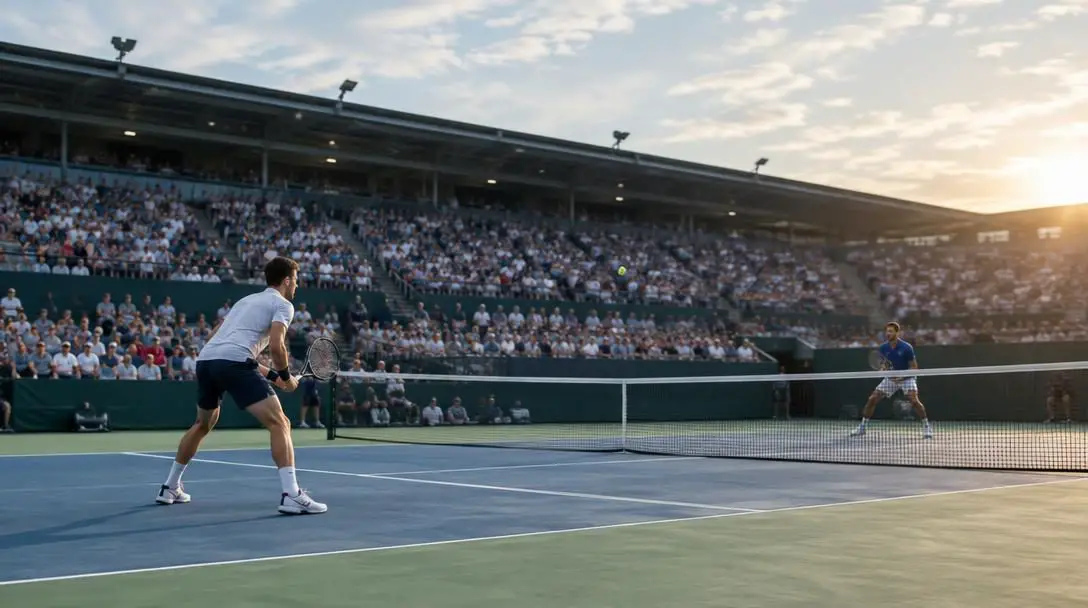
Professional tennis is a sport defined by individual accountability. Unlike team sports where the collective burden of performance is distributed across multiple athletes, a singles tennis competitor stands completely alone on the court. Throughout the history of the men's circuit, the competitive landscape has routinely been governed by two or three dominant figures who set an extraordinary benchmark of excellence, repeatedly navigating tournament draws to collide in championship rounds.
Because elite players sustain such remarkable standards, their clashes transform into extended, back-and-forth epics played across multiple seasons and diverse surfaces. Rather than judging these rivalries strictly by counting the raw tally of matches played, their true historical standing relies on the sheer competitive intensity and dramatic balance displayed between legendary icons across the sport's defining eras.
Key takeaways
- Men's tennis rivalries are forged through repeated championship clashes where conflicting styles and tactical adaptations collide under intense psychological pressure.
- The Open Era is headlined by unprecedented statistical powerhouses, including Novak Djokovic and Rafael Nadal's record-setting volume of tour and major tournament meetings.
- Historical matchups such as Ken Rosewall versus Rod Laver demonstrate an era of endurance that produced well over a hundred professional encounters across decades.
- Direct head-to-head records often reveal tactical and stylistic dominance that broader career grand slam totals alone can completely obscure.
At a glance: Comparing the five iconic rivalries
To understand how these historic pairings contrast across eras, their records can be examined through overall match volume, major tournament clashes, and head-to-head supremacy.
| Rivalry Pairing | Era Context | Total Matches | Major Finals Contested | Lifetime Series Leader |
|---|---|---|---|---|
| Novak Djokovic vs. Rafael Nadal | Modern Open Era | Most in Open Era | Most in tennis history | Nearly fifty-fifty split |
| Ken Rosewall vs. Rod Laver | Pre-Open to Open Era | 164 official (200+ with exhibitions) | Varies across eras | Rod Laver (89–75) |
| Jimmy Connors vs. John McEnroe | Late 1970s–1980s | 34 | 2 | Even in major finals (1–1) |
| Pete Sampras vs. Andre Agassi | 1990s–Early 2000s | 34 | 5 | Pete Sampras (20–14) |
| Roger Federer vs. Rafael Nadal | 2000s–2010s | 40 | 9 | Rafael Nadal (24–16) |
The five greatest rivalries in men's singles history
Across generations, five pairings established themselves as the gold standard of professional tennis competition, testing one another's limits across decades of elite play.
Novak Djokovic vs. Rafael Nadal
- Total Tour Meetings: Most matches played between any two players in the Open Era
- Major Tournament Clashes: Most major championship matches and major finals in tennis history
- Competitive Balance: Nearly fifty-fifty split across their entire professional careers
- Key Momentum Shifts: Two separate seven-match winning streaks engineered by Djokovic
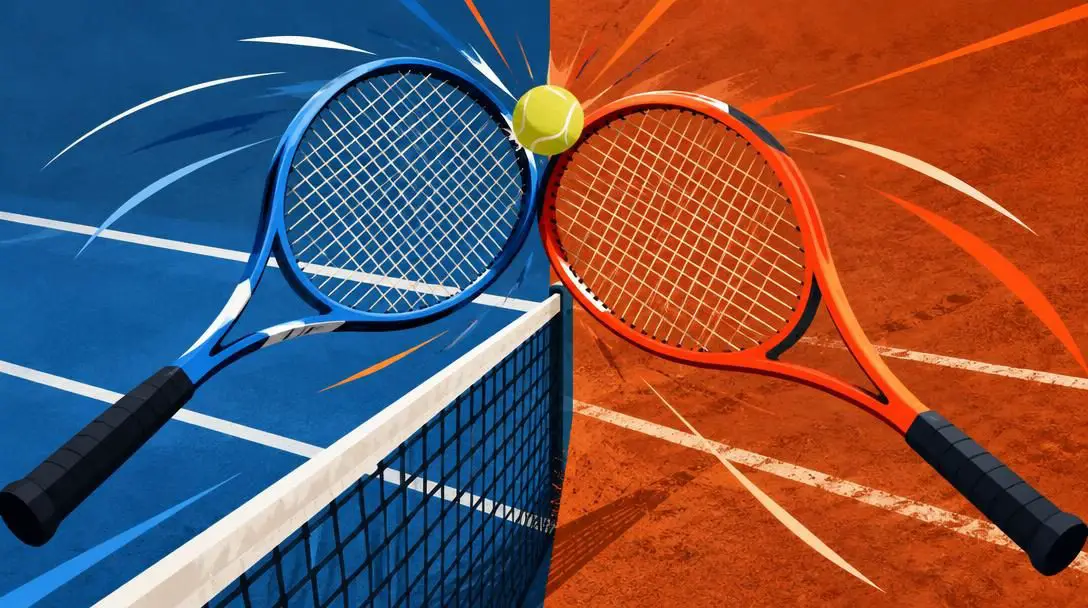
During the first two decades of the twenty-first century, men's professional tennis experienced an unprecedented era of sustained dominance driven by a legendary trio. While round-robin debates between all three players remain frequent among commentators, the head-to-head dynamic between Novak Djokovic and Rafael Nadal represents a staggering statistical pinnacle. No two men in the Open Era have met across the net more times, turning their regular clashes into an enduring baseline tug-of-war.
Beyond unmatched volume, their series reflects exceptional parity. Unlike rivalries tilted heavily toward one competitor, Djokovic and Nadal produced an almost fifty-fifty split over their career meetings. They also set the all-time records for the highest tally of major tournament matches and major finals contested between any two athletes. While Djokovic managed to construct two distinct seven-match winning streaks during the rivalry to even the ledger, sports historians often debate whether their physical baseline wars carry the same dramatic narrative weight found in rivalries higher on the traditional spectrum.
Ken Rosewall vs. Rod Laver
- Official Tour Contests: 164 official professional matches
- Estimated Overall Total: Over 200 matches including tour exhibitions
- Single-Season Snapshot: Met 51 times in 1963, with Rosewall capturing 38 wins
- Lifetime Series Result: Rod Laver led 89–75 (76–37 without 1963)
Bridging the crucial transition period before and into the Open Era, the legendary rivalry between Australian compatriots Ken Rosewall and Rod Laver produced a competitive frequency that sounds incomprehensible to modern fans. During the early chapters of their professional careers, the two icons faced one another on a near-weekly schedule, touring international arenas in grueling exhibition series and official tournaments alike.
Their 1963 campaign stands as one of the most astonishing endurance feats in sports history, featuring 51 head-to-head matches in a single calendar year, with Rosewall asserting early control by winning 38 of those encounters. Over time, Laver transformed his game, eventually pulling ahead to capture an 89–75 lifetime advantage over Rosewall. When excluding that lopsided 1963 opening stretch, Laver's dominance was pronounced, leading 76–37. Laver himself remarked that Rosewall was his toughest opponent on any surface, noting that Ken had pushed him around for roughly twenty years.
Jimmy Connors vs. John McEnroe
- Total Tour Matches: 34 professional meetings
- Major Tournament Encounters: 9 matches, including 2 major championship finals
- Championship Balance: Major final record split evenly at 1–1
- Combined Trophy Count: 15 major singles championships between the two players
While contemporary tennis enthusiasts often view the sport through an international or European lens, two of the game's most electrifying battles were waged exclusively on American soil. The first of these classic encounters matched the relentless flat baseline hitting of Jimmy Connors against John McEnroe, the virtuoso touch-and-volley artist. Together, the fiery competitors collected a combined 15 major singles titles, bringing an explosive atmosphere to every stadium they entered.
Both men shared an iconic external rivalry with Swedish icon Bjorn Borg, but when Connors and McEnroe walked onto the same court, the tension was visceral. Their clashing personalities, combined with McEnroe's net-charging left-handed attacks versus Connors' fierce returns, created an authentic friction across 34 professional meetings. Nine of these occurred in major events, including two major championship finals that resulted in an even 1–1 split. Connors later noted that sustaining their rivalry across so many years demonstrated that both competitors had left an indelible mark on tennis history.
Pete Sampras vs. Andre Agassi
- Rivalry Inception: First professional meeting occurred in 1989
- Total Tour Encounters: 34 professional matches
- Head-to-Head Tally: Pete Sampras led the series 20–14
- Major Finals Dominance: Sampras won 4 of their 5 major final clashes
The 1990s witnessed the definitive matchup of modern American tennis: the explosive, precision serving of Pete Sampras against Andre Agassi, the greatest baseline returner of his generation. While both legends achieved historic career milestones, Sampras built a consensus legacy as the greatest American player in tennis history, repeatedly frustrating Agassi's ambitions on the biggest championship stages.
Inaugurating their professional series in 1989, the duo squared off 34 times, with Sampras establishing a 20–14 winning advantage. Sampras proved particularly lethal in championship encounters, prevailing in four of their five meetings in major championship finals. Their grand-scale battle began when Sampras swept Agassi at the 1990 US Open final. While Agassi responded by claiming their 1995 Australian Open final, Sampras swept the remaining three major championship meetings, sealing his superiority with two additional US Open victories over his domestic rival.
Roger Federer vs. Rafael Nadal
- Total Career Encounters: 40 professional matches
- Major Final Battles: 9 major championship finals contested
- Overall Record: Rafael Nadal led the series 24–16
- Major Final Advantage: Nadal captured 6 of their 9 major championship finals
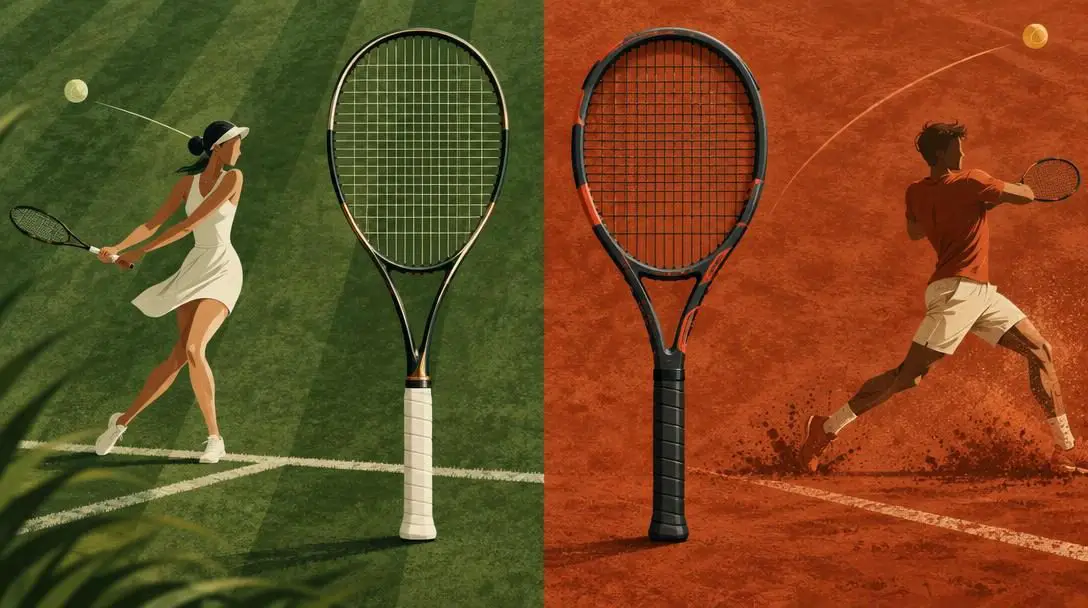
The dialogue surrounding the finest male tennis players of all time inevitably focuses on the generational clash between Roger Federer and Rafael Nadal. Because their primes overlapped, they pushed one another to historical heights, showcasing contrasting right-handed grace and heavy left-handed topspin. Their dynamic proved to be a symbiotic masterclass where each player's unique genius directly sharpened the legacy of the other.
Across 40 professional meetings, Nadal established a clear head-to-head advantage, finishing with 24 victories to Federer's 16. That edge was even more evident in major finals, where Nadal claimed victory in six of their nine clashes. Both players recognized the unique atmosphere surrounding their meetings; Nadal plainly stated that walking out onto the court to face Federer carried an aura fundamentally different from any other match on the professional circuit.
The defining quality of an all-time rivalry rests in the pure intensity shared between legends across multiple seasons rather than sheer match volume alone.
The anatomy of great tennis rivalries
To evaluate why certain player matchups become cultural phenomena, observers must understand the structural elements that elevate ordinary competition into sports lore. The emergence of a transcendent rivalry relies on four core pillars:
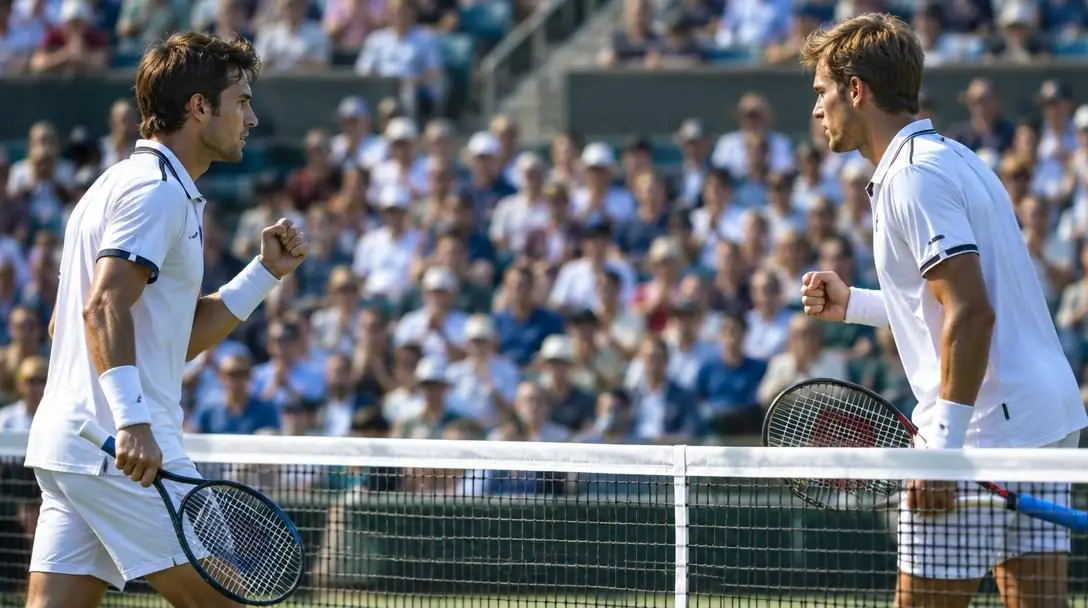
- Contrasting Playing Styles: The most memorable pairings pit fundamentally different tactical philosophies against each other, such as baseline defenders tackling serve-and-volleyers or aggressive left-handed topspin challenging fluid one-handed backhands.
- Frequent Championship Clashes: Regular tour wins build familiarity, but regular meetings in major finals forge timeless legacies where every unforced error or passing shot carries immense historical weight.
- Shifting Momentum Over Time: A healthy rivalry requires mutual threat; if one player wins continuously without pushback, the series becomes an exhibition of dominance rather than a balanced rivalry.
- Psychological Durability: Stepping onto the court against an opponent who knows every tactical habit demands intense mental fortitude, requiring players to constantly adjust their strategy under extreme pressure.
How to analyze a historic tennis rivalry
When analyzing historical head-to-head matchups, looking strictly at the final win-loss column often conceals crucial tactical realities. Following a structured analysis helps reveal the underlying story of any competitive series.
- Review the Total Match Distribution: Separate routine tour events from major tournament meetings and grand slam finals to determine who dominated when the stakes were highest.
- Track Surface Splits: Break down the record across clay, grass, and hard courts to identify if one competitor accumulated victories primarily on their preferred playing surface.
- Examine Turning Points and Streaks: Pinpoint exact matches where momentum shifted, such as multi-match winning streaks that forced tactical adjustments.
- Compare Major Final Outcomes: Evaluate performances specifically in major championship deciders, which offer the clearest look at how each player performed under peak pressure.
- Evaluate Player Quotes and Perspectives: Review direct reflections from the athletes to understand the psychological hurdles and mutual respect within the matchup.
Common mistakes when evaluating historic rivalries
Debates surrounding all-time rivalries frequently run into analytical traps. Keeping an eye out for these widespread analytical errors ensures a balanced appraisal:
- Overemphasizing raw volume over intensity: Playing 50 or 100 matches does not automatically make a rivalry superior to a series contested over fewer, higher-stakes championship encounters.
- Ignoring historical eras and touring conditions: Applying twenty-first-century scheduling standards to pre-Open Era touring pros like Rosewall and Laver ignores the radically different travel and contract demands of earlier eras.
- Assuming overall career titles equal head-to-head dominance: A player may amass a higher count of overall career trophies while maintaining a losing record against their primary individual rival.
- Discounting surface biases in total tallies: If a head-to-head record features a disproportionate number of matches on one player's favorite surface, the raw numbers can misrepresent competitive parity under neutral conditions.
Looking ahead: The future of tennis rivalries
Understanding these historical matchups offers valuable perspective on where professional tennis heads next. Several key dynamics will dictate how future rivalries take shape:
First, technological changes in racket composition, string innovation, and court pacing continue to influence the lifespan of modern rivalries. The shift from wooden frames to graphite power changed how offensive baseliners encounter net rushers, a tactical shift that will continue to evolve alongside advances in athletic conditioning and recovery science.
Second, as the legendary figures of past eras retire, the men's tour continually searches for the next generation of competitors capable of trading major titles back and forth. Identifying emerging stars who repeatedly cross paths in tournament finals provides an early preview of which rivalries will define the coming decades.
Finally, the economic and cultural impact of these matchups cannot be overstated. Beyond individual trophies, iconic battles like Connors against McEnroe and Federer against Nadal expanded the global fanbase and elevated tennis into mainstream worldwide entertainment.
Frequently asked questions
Which two men have played each other the most times in the Open Era?
Novak Djokovic and Rafael Nadal hold the Open Era record for the most professional encounters, as well as the records for the most major tournament matches and major finals played between two competitors.
How many times did Ken Rosewall and Rod Laver play each other?
Ken Rosewall and Rod Laver contested 164 official professional matches, with their total surpassing 200 matches when factoring in barnstorming exhibition tours. Laver led the lifetime series 89–75.
Who holds the advantage in the Roger Federer vs. Rafael Nadal rivalry?
Rafael Nadal holds the career head-to-head advantage over Roger Federer with 24 victories to Federer's 16 across their 40 professional matches, including winning six of their nine major championship finals.
How did Pete Sampras perform against Andre Agassi in major finals?
Pete Sampras dominated their major championship finals, winning four out of their five title clashes, including three US Open final victories against Agassi.
What was the record between Jimmy Connors and John McEnroe in major finals?
Jimmy Connors and John McEnroe met twice in major championship finals, finishing with an even split of one victory apiece.
The bottom line
The history of men's singles tennis is defined by legendary pairs who pushed the limits of athletic and psychological performance. Whether across the record-setting volume of Novak Djokovic and Rafael Nadal, the endurance tours of Ken Rosewall and Rod Laver, the volatile fireworks of Jimmy Connors and John McEnroe, the American dominance of Pete Sampras and Andre Agassi, or the sublime artistry of Roger Federer and Rafael Nadal, these rivalries elevated the sport to historic heights. Analyzing these matchups beyond raw numbers reveals the dedication, resilience, and tactical genius required to reign supreme on the championship court.