The 5 Most Popular Sports In The World

Sports serve as a universal language that bridges geographical boundaries, cultural traditions, and linguistic divides. Whether gathering inside towering metropolitan stadiums or playing on open neighborhood greens, human beings have turned athletic contests into global spectacles that celebrate physical endurance, mental acuity, and collective teamwork. While regional preferences often highlight domestic traditions, analyzing total global viewership and participation reveals an unmistakable hierarchy of beloved international games.
The factors separating niche pastimes from worldwide phenomenons often come down to cultural diffusion, infrastructure requirements, and basic accessibility. Some athletic pursuits demand specialized frozen surfaces, high-end protective padding, or complex field layouts, while others thrive because anyone with a ball can organize a match. By examining the numbers, history, and mechanics behind the planet's most widely followed pastimes, we can better understand how these games captured billions of dedicated supporters.
Key takeaways
- Football, also known as soccer, reigns supreme as the world's most popular sport with over 4 billion fans across nearly every continent.
- Cricket holds second place with 2.5 billion followers, drawing immense cultural devotion throughout India, Pakistan, and Australia.
- Hockey captures 2 billion fans across ice and field disciplines, with field hockey providing an outdoor alternative without aggressive body checking.
- Tennis engages 1 billion enthusiasts who value its low-impact, non-contact dynamic that blends physical speed with tactical cognition.
- Volleyball rounds out the top five with 900 million supporters, tracing its lineage back to an 1895 American pastime called mintonette.
Comparing the world's most popular sports
Global athletic popularity can be measured across multiple metrics, including estimated fan bases, geographic spread, and equipment demands. The table below outlines how the top five international disciplines compare in size, origin, and playing requirements.
| Rank | Sport | Estimated Global Fans | Primary Geographic Strongholds | Key Equipment & Surface |
|---|---|---|---|---|
| 1 | Football (Soccer) | Over 4 billion | Africa, Europe, Canada, China, United States | Soccer ball; open field with goals |
| 2 | Cricket | 2.5 billion | Australia, India, Pakistan | Bat, ball, wickets; rectangular center pitch |
| 3 | Hockey | 2 billion | Canada, Europe (Ice); Worldwide (Field) | Sticks, puck or ball; ice rink or outdoor field |
| 4 | Tennis | 1 billion | Worldwide | Rackets, tennis balls; divided court and net |
| 5 | Volleyball | 900 million | Asia, Australia, United States | Volleyball, high net; indoor court or beach sand |
The top 5 sports captivating global audiences
From centuries-old bat-and-ball traditions to late-nineteenth-century codified team leagues, these five sports represent the pinnacle of worldwide engagement. Each sport offers distinct rules, historical evolutions, and competitive dynamics that have won over hundreds of millions of players and spectators.
Football

- Estimated fan base: Over 4 billion fans
- Codification era: 19th century in England during Queen Victoria's reign
- Key regions: Africa, Canada, China, Europe, and the United States
- Minimum equipment: A single soccer ball
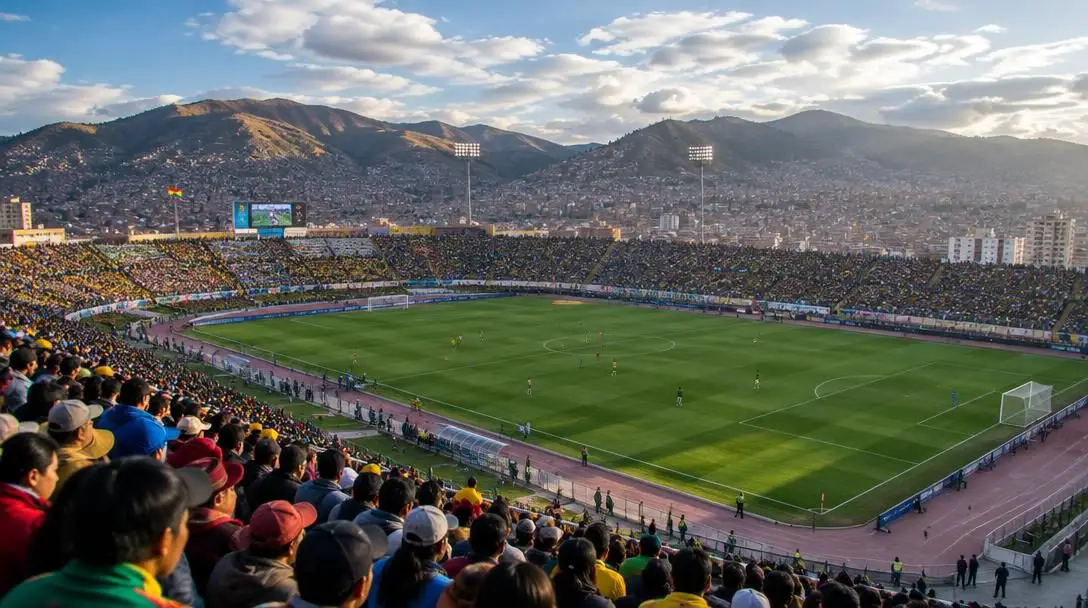
Football, widely referred to as soccer in regions like North America, stands uncontested at the summit of international athletics. The sport was formally codified during the nineteenth century in England around the time of Queen Victoria, taking disorganized folk pastimes and organizing them into standard competitive matches. Its influence rapidly expanded beyond British borders, developing deep followings across Africa, Europe, Asia, and the Americas.
A primary driver of football's unparalleled global footprint is its extraordinary economic accessibility. Unlike sports that demand helmets, specialized pads, or dedicated hardwood installations, football requires virtually zero overhead to play. Anyone with an open patch of ground, a collection of willing participants, and a simple soccer ball can organize a match, making it an everyday staple in both rural villages and sprawling urban centers.
One of the reasons that football is so popular across the world is because of its extremely low cost, requiring only a ball to get started.
Cricket
- Estimated fan base: 2.5 billion fans
- Key territories: Australia, India, and Pakistan
- Primary positions: Bowler and batter
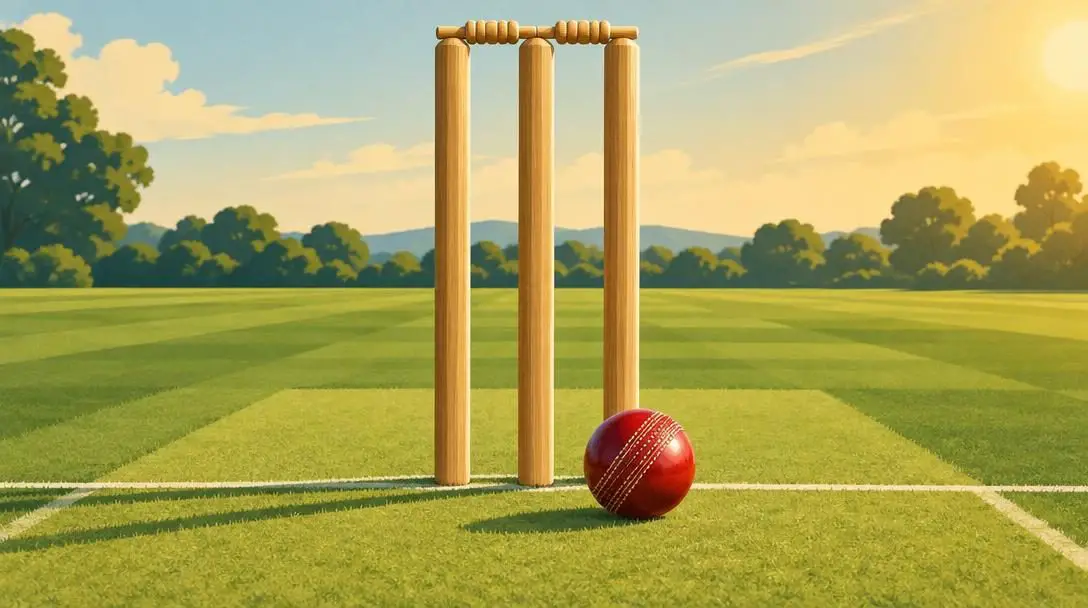
- Playing field hallmark: Long, rectangular central pitch with wickets
Claiming the second spot in worldwide popularity is cricket, a bat-and-ball sport supported by an estimated 2.5 billion enthusiasts. While many sports fans in the United States remain unfamiliar with its nuances, cricket commands unmatched cultural passion across Australia, India, and Pakistan. The game shares structural similarities with baseball, as teams alternate between batting to score runs and fielding to dismiss the opposition.
The mechanics of cricket, however, center on a specialized layout. Rather than running around a diamond from a raised mound, play unfolds along a long, rectangular pitch positioned at the heart of an open oval field. The fielding side features a designated pitcher known as a bowler, whose objective is to deliver the ball toward the wicket standing at the opposite end of the pitch. Batters defend these wooden wickets while attempting to strike the ball cleanly and accumulate runs by traversing the pitch.

Hockey
- Estimated fan base: 2 billion fans
- Primary variations: Ice hockey and field hockey
- Ice hockey centers: Canada and Europe
- Physical contact profile: Body checking in ice hockey; restricted contact in field hockey
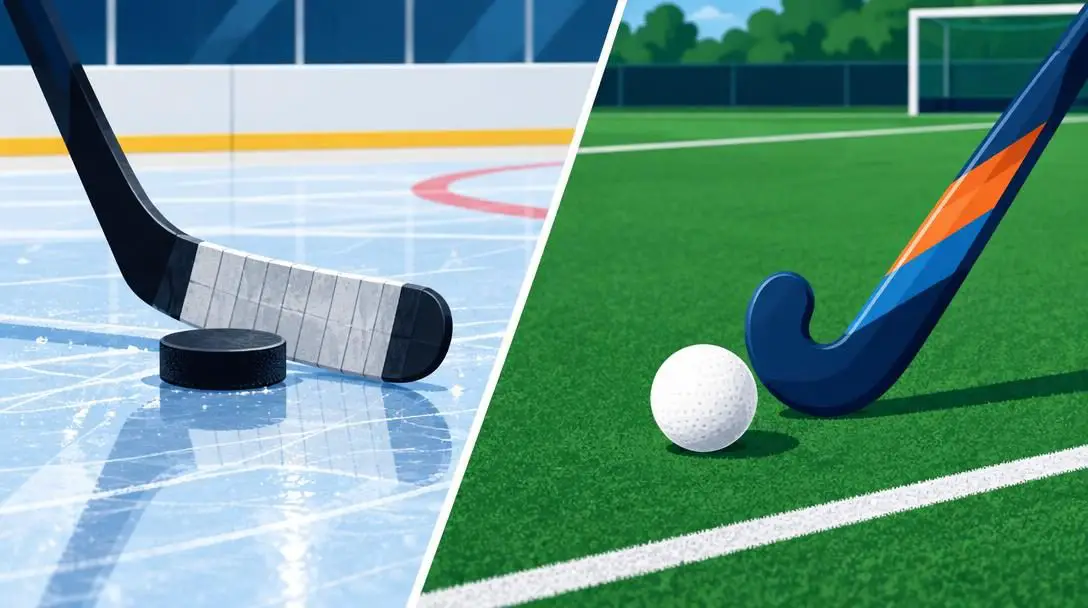
With roughly 2 billion followers worldwide, hockey ranks almost as high as cricket in overall audience reach. The sport thrives through two primary disciplines: ice hockey and field hockey. Ice hockey serves as a defining cultural pastime across colder regions such as Canada and Northern Europe, where athletes skate at blistering speeds across enclosed ice rinks, using curved sticks to control and shoot a vulcanized rubber puck into the opposing goal.
Field hockey, by contrast, takes place outdoors on open grass or synthetic turf fields. Instead of chasing a puck on skates, players run across the field to guide a hard ball toward the net using their sticks. The most defining divergence between the two formats is the level of physical violence permitted; ice hockey incorporates aggressive body checking to dispossess opponents, whereas field hockey strictly limits aggressive physical collisions.
Tennis
- Estimated fan base: 1 billion fans
- Iconic champions: Serena Williams and Roger Federer
- Name origin: Derived from the French word tenez, meaning to receive or take
- Physical profile: Non-contact and low-impact sport
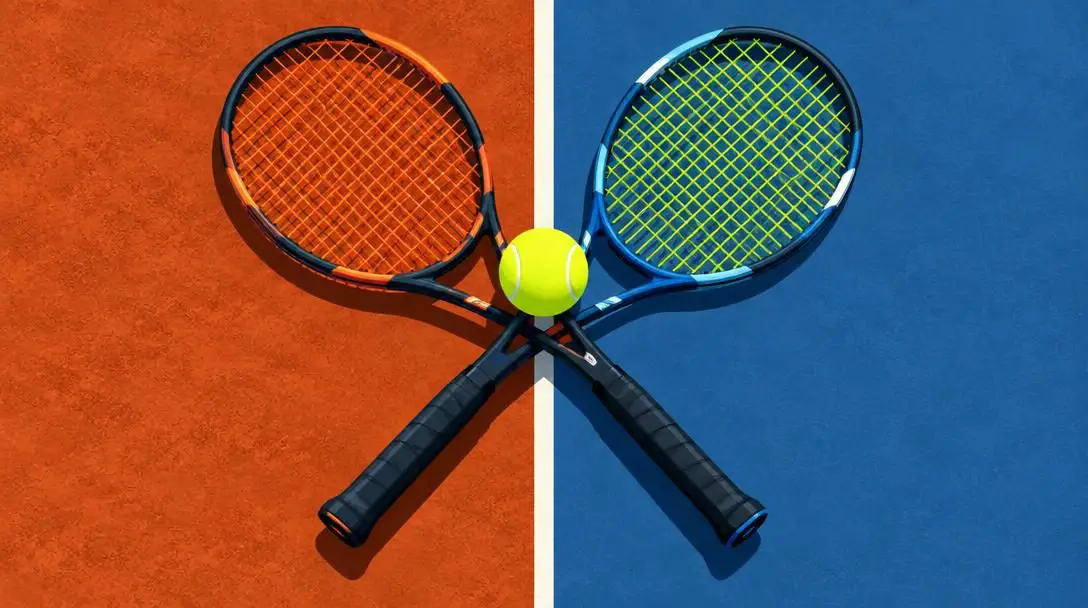
Capturing the interest of 1 billion fans, tennis is an individual and doubles sport celebrated for testing both cognitive abilities and physical stamina. Competitors face one another from opposite sides of a divided court, using stringed rackets to strike a felt-covered ball over a central net. The sport's modern name traces back to the historical French expression tenez, which translated to "receive" or "take," an utterance once shouted by players as they served the ball into play.
Modern tennis has produced legendary global athletes whose fame transcends sports, most notably Serena Williams and Roger Federer. A primary reason tennis retains such broad recreational appeal is its format: because it is entirely non-contact and relatively low-impact on the body's joints, it presents a sustainable athletic pursuit for individuals who might struggle with the demanding physical toll of distance jogging or swimming.
Volleyball

- Estimated fan base: 900 million fans
- Historical creation: Invented in America in 1895 as mintonette
- Elite ball velocity: Reaches speeds up to 87 MPH in college and professional play
- In-game intensity: Averages approximately 300 jumps per match
The fifth most popular sport on earth is volleyball, boasting a community of 900 million followers worldwide. Originating in the United States in 1895, the sport was initially christened "mintonette" before its rapid passing style led to its contemporary name. The discipline has achieved substantial popularity across multiple continents, enjoying massive participation rates across Asia, Australia, and the United States.
Volleyball can be adapted to several environments, including indoor hardwood courts, basketball gymnasiums, and outdoor sandy beaches. Despite its low barrier to recreational play—requiring only a net, a ball, and enough participants—competitive volleyball is exceptionally demanding. Athletes jump around 300 times over the course of a single game, and competitive college or professional spikes can send the ball flying at speeds reaching up to 87 MPH.
How global sports evolved across history
The shared trajectory of modern athletics centers on the formal codification of informal pastimes. Prior to the nineteenth century, most communities engaged in loosely organized games governed by conflicting regional traditions. Standardizing rules allowed clubs, educational institutions, and international travelers to compete under identical conditions, accelerating the diffusion of these activities across international borders.

England served as a primary incubator for modern team disciplines during the Victorian era. Formal clubs established the foundational laws of football, turning casual street contests into structured leagues that expanded through maritime trade networks and diplomatic corridors. Cricket mirrored this progression, developing deep institutional roots in territories influenced by British administration, which established the sport as a dominant cultural force throughout Australia, India, and Pakistan.
North American innovators contributed significantly to this sporting landscape near the end of the century. The creation of volleyball under the moniker mintonette in 1895 provided an indoor athletic option designed to engage communities without direct bodily contact. Meanwhile, regional climate shaped the branching paths of sports like hockey: colder regions with sustained winter freezing in Canada and Northern Europe developed ice hockey, while milder zones embraced outdoor field hockey on open turf.
The rules and mechanics that define each sport
The five most popular sports worldwide operate under unique parameters, spatial configurations, and scoring mechanisms. Understanding these core mechanics reveals why each discipline presents distinct challenges for players and spectators alike:
- Football (Soccer): Two opposing squads of eleven players compete to kick or head a soccer ball into the opponent's goal. Outfield participants are strictly barred from using their hands or arms to control the ball, requiring refined footwork, spatial vision, and sustained endurance over ninety minutes of continuous movement.
- Cricket: Teams rotate between batting and fielding duties centered around a 22-yard rectangular pitch. The fielding team relies on a bowler to propel the ball toward three wooden stumps known as a wicket. The batter attempts to strike the ball away to shield the wicket and run between the pitch ends to score runs.
- Ice and field hockey: Both variations center on directing an object into a defended net using specialized sticks. Ice hockey utilizes a flat rubber puck navigated on ice rinks, where checking is permitted to disrupt attacks. Field hockey utilizes a hard ball on an outdoor pitch, relying on technical stick control and strict prohibitions against aggressive body checks.
- Tennis: Players operate across a rectangular court divided by a taut net. Competitors execute groundstrokes, volleys, and serves to bounce the ball inside the opponent's boundary lines, scoring points whenever the receiving player fails to make a legal return. Matches test tactical depth, shot angles, and mental stamina.
- Volleyball: Two teams of six separated by a raised net use up to three consecutive contacts—traditionally a bump, set, and spike—to return the ball across the net. Points occur when the ball contacts the floor within the opponent's court boundaries or when an opposing player fails to return the ball legally.
Practical steps to begin playing a global sport
Engaging with a new sport offers tremendous physical benefits, fosters social connections, and enhances strategic thinking. Beginners interested in learning one of the world's most popular games can start smoothly by following a deliberate progression.
- Assess your physical condition and personal preferences: Determine whether you prefer high-intensity contact activities like ice hockey, dynamic team competitions like football or volleyball, or non-contact, low-impact pursuits like tennis that remain gentle on joints.
- Acquire the minimum necessary gear: Avoid purchasing expensive professional accessories. Football only requires a standard soccer ball to begin, while tennis demands a basic racket and a canister of balls. Volleyball only requires a ball, a net, and willing teammates.
- Practice foundational solo mechanics: Build muscle memory before jumping into full-sided scrimmages. Kick a soccer ball against an exterior wall, hit tennis balls off a practice backboard, or perform solo setting and bumping repetitions with a volleyball.
- Study core rules and spatial boundaries: Familiarize yourself with how scoring operates in cricket, understand the boundary markers of a tennis court, or learn the contact restrictions that separate field hockey from ice hockey.
- Enroll in an entry-level recreational program: Join local community center leagues, municipal parks programs, or introductory classes. Practicing alongside other beginners creates a supportive environment that prioritizes fun and skill acquisition over intense competition.
Common mistakes beginners should avoid
Newcomers to international sports often face steep learning curves that can produce frustration or preventable physical strain. Steering clear of these frequent pitfalls will accelerate your progress and keep you safe on the field or court:
- Neglecting proper warmup routines: Entering intense physical activities without preparing the body frequently results in soft-tissue injuries. In volleyball, where athletes jump around 300 times per contest, warming up your calves, knees, and ankles is critical.
- Confusing the rules of different sports disciplines: Assuming that variations of a sport share identical codes can lead to penalties or injuries. For example, deploying aggressive body checking during a field hockey game violates standard regulations, unlike in ice hockey.
- Underestimating tactical and mental focus: Relying purely on physical effort while neglecting game strategy limits your progression. In tennis, cognitive awareness and shot placement often prove more decisive than raw hitting power.
- Focusing on velocity before mechanics: Rushing to bowl at high speeds in cricket or spike at maximum velocity in volleyball before mastering basic delivery mechanics will solidify poor habits that prove difficult to correct later.
- Overinvesting in premium equipment: Spending excessive money on elite gear is unnecessary for newcomers. Sports like football achieved global supremacy precisely because a simple soccer ball provides everything required to master the fundamentals.
Frequently asked questions
Why is football (soccer) the most popular sport in the world?
Football's popularity stems primarily from its universal simplicity and low financial barrier to entry. Players only need a single soccer ball and an open field to play, making the sport accessible to communities regardless of economic standing across Europe, Africa, Asia, and the Americas.
How does cricket differ structurally from baseball?
While both are bat-and-ball sports where teams try to score runs, cricket is played on an open field centered around a long, rectangular pitch rather than a diamond with a raised pitcher's mound. The pitcher in cricket is called a bowler, whose goal is to knock down the wooden wickets positioned at each end of the pitch.
What is the main safety difference between ice hockey and field hockey?
The primary difference is the presence of physical checking. Ice hockey incorporates aggressive body checking to knock opponents off the puck, whereas field hockey takes place outdoors on a turf or grass field and usually forbids aggressive body checking, making it a safer option for non-contact play.
Why is tennis recommended for individuals who cannot jog or swim?
Tennis functions as both a non-contact and low-impact sport. Because it does not involve colliding with other players and allows individuals to control their pace of lateral movement, it offers an accessible cardiovascular workout for those who face limitations with traditional running or swimming.
What was volleyball originally called when it was invented?
Volleyball was originally named "mintonette" when it was created in the United States in 1895. It was later renamed volleyball to reflect the constant back-and-forth volleying of the ball over the net.
The bottom line
The world's most popular sports continue to thrive because they satisfy fundamental human desires for community, physical expression, and competitive drama. Whether it is the low-cost simplicity of football uniting billions across continents, the rich traditions of cricket captivating South Asia and Australasia, or the dynamic speed of hockey, tennis, and volleyball, these five disciplines have proven their timeless appeal. By understanding their distinct rules, historical roots, and essential skills, anyone can step onto a field or court and take part in a global tradition shared by billions.