The Best Dodgers On Both Sides Of The Nation: The 5 Best Ever Boys in Blue

Few franchises across Major League Baseball boast the sheer historic depth, generational resonance, and cultural prestige of the Los Angeles Dodgers. Tracing their origins back to their celebrated neighborhood roots in Brooklyn before pioneering the westward expansion of professional baseball in California, the organization serves as a monumental bridge across American sporting history. Hundreds of elite athletes and influential personalities have worn the iconic Dodger blue, yet a select group of legendary contributors elevated the franchise from an ordinary ballclub into an enduring national institution.
Measuring true franchise greatness across a bi-coastal legacy requires looking past ordinary career milestones. The Dodgers' historic identity has been forged not only by dominant left-handed strikeout artists and durable right-handed workhorses, but also by social pioneers who transformed American society and the immortal broadcast voice that narrated it all for nearly seven decades. These five individuals stand as the ultimate pillars of Dodger history, having defined the team across eras, coasts, and cultural turning points.
Key takeaways
- The Dodgers' historic identity spans two distinct coasts, uniting a neighborhood community legacy in Brooklyn with modern West Coast baseball dominance.
- Iconic pitching excellence anchors the franchise's identity, led by multi-time Cy Young Award and MVP winners Sandy Koufax, Don Drysdale, and Clayton Kershaw.
- Jackie Robinson's arrival in 1947 transcended athletics, establishing an enduring standard of social progress and on-field brilliance.
- Franchise greatness extends beyond the diamond, as demonstrated by Hall of Fame broadcaster Vin Scully's 67 seasons behind the microphone.
At a glance: The top five franchise legends
Comparing iconic Dodgers across different decades requires balancing physical longevity, peak individual hardware, and lasting cultural reach. The following overview details how these five figures left an indelible mark on the organization.
| Legend | Dodgers tenure | Primary role | Key accolades and career milestones |
|---|---|---|---|
| Sandy Koufax | 1955–1966 | Starting Pitcher | 3 Cy Young Awards, 1963 NL MVP, 7 All-Star selections, 1961 breakthrough (18-13, 3.52 ERA) |
| Jackie Robinson | 1947–1956 | Infielder / Outfielder | 1947 Rookie of the Year, 1949 NL MVP, 7 All-Star selections, .311 career batting average, 200 stolen bases |
| Clayton Kershaw | 2008–Present | Starting Pitcher | 3 Cy Young Awards, 2014 NL MVP, helped capture the franchise's first World Series title since 1988 |
| Don Drysdale | 1956–1969 | Starting Pitcher | 1 Cy Young Award, 3 World Series titles, 9 All-Star selections, 3,432 career innings pitched, 209-166 record |
| Vin Scully | 1950–2016 | Play-by-Play Broadcaster | Ford C. Frick Award, Presidential Medal of Freedom, Hollywood Walk of Fame star, 67 seasons as the team's voice |
The five greatest figures in Dodger history
While hundreds of players have donned the uniform, these five icons represent the pinnacle of franchise lore. Each figure delivered unparalleled excellence, leaving an irreplaceable stamp on both sides of the continent.
Sandy Koufax
- Career span: 1955–1966
- Major honors: 3 Cy Young Awards, 1963 NL Most Valuable Player
- First All-Star campaign: 1961 (18-13 record, 3.52 ERA)
- Signature moniker: "The Left Arm of God"
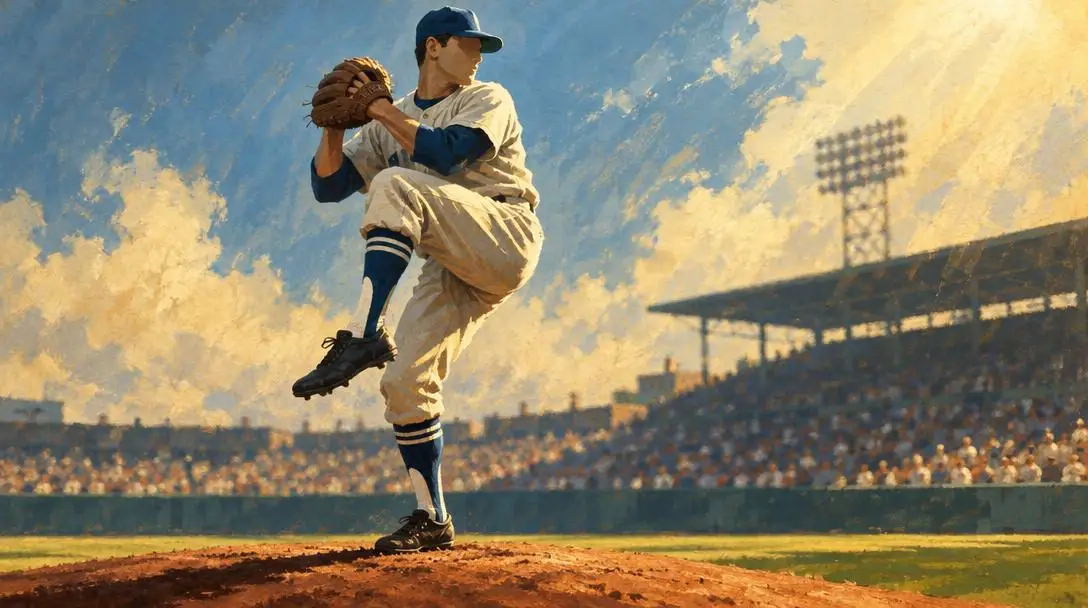
Known throughout the baseball world as "The Left Arm of God," Sandy Koufax produced what is widely regarded as the most dominant pitching peak in Major League Baseball history. Koufax signed with the Dodgers in 1955 while the club was still firmly entrenched in Brooklyn. Unlike phenoms who immediately take over the league, Koufax required patience to refine his blistering arsenal and harness his raw command. It was not until the franchise established itself in Southern California that he transformed into an unstoppable force.
By his mid-20s, Koufax unlocked his immense ceiling. His breakthrough campaign arrived in 1961, when he secured his first All-Star nod behind an 18-13 record and a 3.52 earned run average. That season initiated a sustained run of dominance rarely matched in baseball lore. Koufax earned All-Star honors every single year for the rest of his career, capturing three Cy Young Awards and securing the National League Most Valuable Player Award in 1963. Although severe arthritis in his throwing arm forced him to retire prematurely while still at his physical peak, Koufax's brilliant prime remains the gold standard of pitching perfection.
Jackie Robinson
- Dodgers tenure: 1947–1956 (10 seasons)
- Key hardware: 1947 Rookie of the Year, 1949 NL MVP
- Career stats: .311 batting average, 137 home runs, 734 RBIs, 200 stolen bases
- All-Star selections: 7
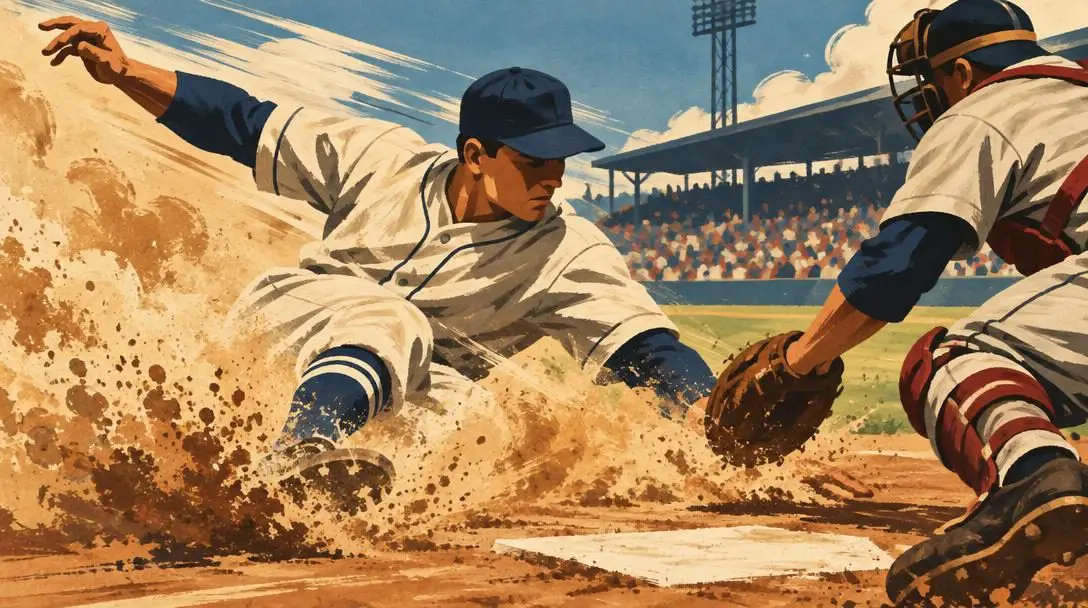
It is impossible to chronicle the evolution of the sport or modern American civil rights without placing Jackie Robinson at the very center of the narrative. Before making his debut in Dodger blue, Robinson established himself as an elite talent in the Negro Leagues during the mid-1940s. In 1947, he stepped onto the field for the Brooklyn Dodgers, permanently breaking the Major League Baseball color barrier with unmatched dignity, mental fortitude, and electric athleticism.
Robinson made an immediate sporting impact by capturing the inaugural National League Rookie of the Year Award. Across a decorated 10-season career spent entirely in Brooklyn, Robinson batted .311, belted 137 home runs, drove in 734 runs, and terrorized opposing pitchers with 200 stolen bases. A seven-time All-Star and the 1949 National League MVP, Robinson embodied dynamic, aggressive baseball while carrying an unimaginable societal burden every time he took the diamond.
Robinson's historic courage broke the sport's color barrier, setting a foundational standard of social change that permanently elevated the franchise's cultural significance.
Clayton Kershaw

- Draft selection: 7th overall pick (2006)
- MLB debut: 2008
- Peak milestones: 3 Cy Young Awards, 2014 NL MVP
- Championship triumph: First World Series title since 1988
The youngest entry among the franchise's pantheon of legends, Clayton Kershaw entered professional baseball with astronomical expectations. Selected seventh overall straight out of high school in 2006, the hard-throwing left-hander appeared virtually Major League ready from the moment he threw his first professional pitch. Making his debut in 2008 at just 20 years old, Kershaw rapidly evolved into the unquestioned ace of the Los Angeles pitching staff.
By his fourth season in 2011, Kershaw secured his first Cy Young Award after compiling a sterling 21-5 record alongside a league-leading 2.28 earned run average. Over the following decade, Kershaw matched Sandy Koufax's historic benchmarks by racking up three total Cy Young Awards and taking home the 2014 National League Most Valuable Player Award. Kershaw anchored the franchise through an era of consistent division titles and ultimately helped deliver the club's first World Series championship since 1988, cementing his place in baseball lore.
Don Drysdale
- Career longevity: 14 MLB seasons (all with the Dodgers)
- Key numbers: 3,432 innings pitched, 209-166 record, 2.95 career ERA
- Championship legacy: 3 World Series championships
- Individual honors: 1 Cy Young Award, 9 All-Star appearances
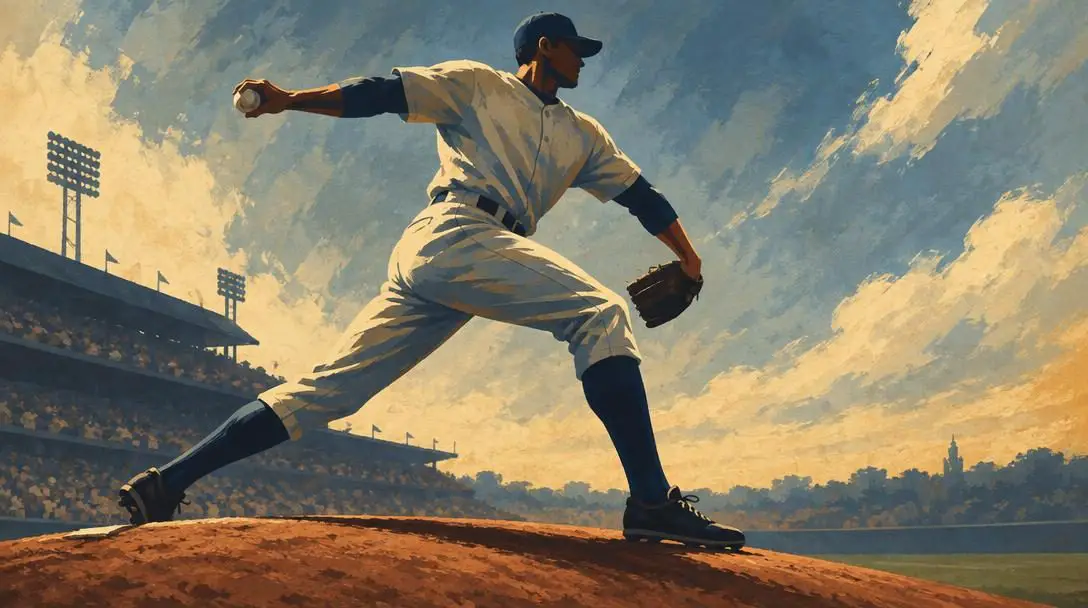
A towering figure on the mound, Don Drysdale personified the tough, fearless pitching culture of mid-century baseball. Drysdale spent his entire 14-year career wearing a Dodgers uniform, having debuted as a teenager in Brooklyn before heading west to California alongside the team following his sophomore campaign in 1957. Alongside Koufax, Drysdale formed one of the most intimidating starting rotation tandems in the history of the sport.
Drysdale shouldered a staggering physical workload throughout the 1950s and 1960s, tossing 3,432 innings and compiling a 209-166 record with a 2.95 earned run average. A nine-time National League All-Star, Drysdale earned the 1962 Cy Young Award and played a vital role in capturing three World Series titles. Much like his southpaw counterpart Koufax, Drysdale walked away from the sport while still competing at an elite level, forced into retirement by persistent physical injuries.
Vin Scully
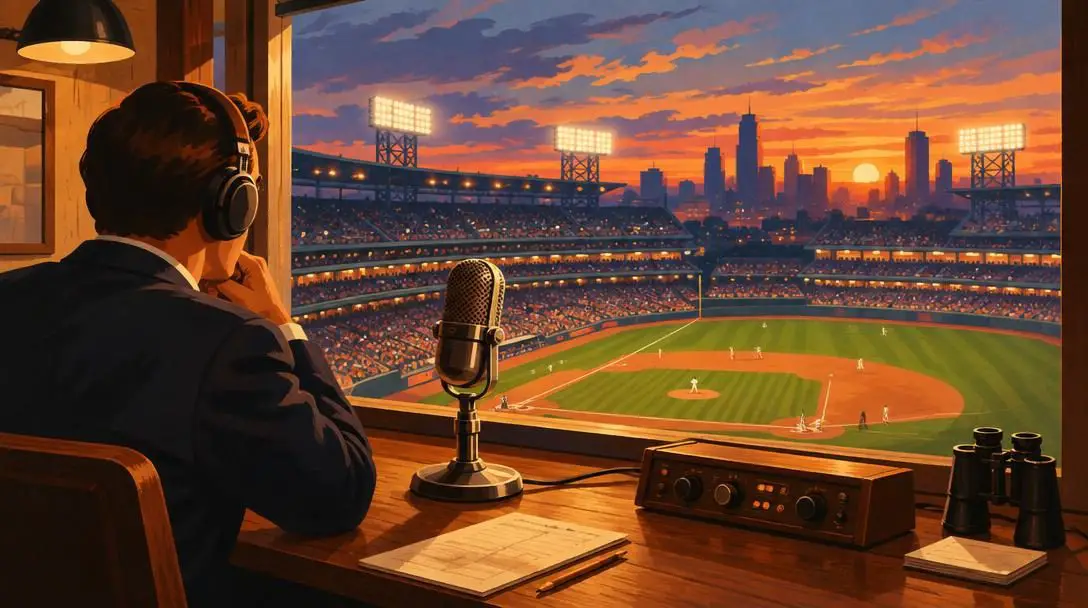
- Broadcast tenure: 1950–2016 (67 consecutive seasons)
- Geographic span: Brooklyn (1950–1957) and Los Angeles (1958–2016)
- Distinguished honors: Ford C. Frick Award, Presidential Medal of Freedom, Hollywood Walk of Fame Star
- Life milestone: Passed away in 2022 at age 94
No account of the Dodgers could ever be complete without honoring the golden voice that narrated the team's triumphs and heartbreaks for multiple generations. Vin Scully entered the Dodgers' broadcast booth in 1950 at the historic confines of Brooklyn's Ebbets Field. Over the course of 67 continuous seasons behind the microphone, Scully served as the poetic chronicler of baseball history, continuing his play-by-play work until his retirement following the 2016 season.
Scully transcended localized sports broadcasting, frequently anchoring national World Series telecasts while captivating millions of listeners with his unmatched storytelling, calm pacing, and lyrical cadence. Recognized with the National Baseball Hall of Fame's Ford C. Frick Award, an honored star on the Hollywood Walk of Fame, and the Presidential Medal of Freedom, Scully remained a beloved public figure until his passing in 2022 at the age of 94. His presence established a continuous narrative thread connecting the days of Jackie Robinson to the modern era of Clayton Kershaw.
How franchise greatness works: Skill, era, and cultural impact
Determining who belongs at the highest level of an iconic sports franchise involves a delicate balance of empirical production, context, and societal impact. Sports historians evaluate candidates through several overlapping analytical lenses:
- Era-specific dominance: Evaluating legends like Sandy Koufax and Don Drysdale requires viewing their numbers against their peers in the 1950s and 1960s, an era defined by massive workloads, higher complete-game counts, and intense regular-season pressure.
- Peak brilliance versus career longevity: While some athletes cement their status through prolonged consistency across decades, Koufax proved that an unhittable six-year peak complete with three Cy Youngs can match the legacy of players with longer counting statistics.
- Societal and cultural transcendence: Figures like Jackie Robinson cannot be measured solely by standard batting statistics. Robinson changed the fabric of the country by integrating modern professional sports, adding a moral dimension to his athletic achievements.
- Championship delivery under modern pressure: Modern stars like Clayton Kershaw navigate rigorous modern pitching standards, extended postseason rounds, and prolonged championship droughts, making his 2020 World Series triumph a crowning capstone to his career.
- Institutional storytellers: A sports franchise is an evolving cultural narrative. Broadcasters like Vin Scully bridge disparate eras, keeping past achievements alive for newer generations of supporters.
How to research historical baseball icons
Conducting an objective evaluation of baseball figures across a century of competition requires a structured analytical process. Use this framework when comparing historical contributors across different decades:
- Collect baseline career numbers: Begin by cataloging standard career statistics, such as batting averages, home run totals, RBIs, stolen bases, pitching win-loss records, earned run averages, and total innings pitched.
- Examine major peer honors and seasonal awards: Review formal awards recognizing league-wide excellence, focusing on Most Valuable Player trophies, Cy Young awards, Rookie of the Year citations, and recurring All-Star selections.
- Assess postseason and championship contributions: Measure how candidates performed when team stakes were highest, examining World Series rings, postseason appearances, and performance in critical pennant chases.
- Account for organizational and geographic transitions: Identify whether a figure's career spanned critical franchise milestones, such as the Dodgers' historic relocation from New York to California in the late 1950s.
- Measure broader societal and institutional impact: Look beyond the diamond to record civil rights contributions, barrier-breaking moments, and prestigious civilian honors such as the Presidential Medal of Freedom.
Common mistakes when comparing players across eras
Cross-era analysis frequently suffers from analytical biases that distort historical reality. Keep an eye out for these frequent mistakes when assessing all-time greats:
- Overlooking the impact of career-ending injuries: Dismissing a player's all-time ranking due to an early retirement overlooks physical realities, such as the severe arm arthritis that cut Koufax's prime short or the injuries that halted Drysdale's career.
- Excluding non-playing franchise contributors: Restricting debates strictly to on-field box scores ignores the massive contributions of figures like Vin Scully, whose 67-year tenure defined the team's identity.
- Treating Brooklyn and Los Angeles as separate entities: Failing to recognize the continuity between the Brooklyn and Los Angeles eras fractures the history of players like Robinson, who played exclusively in New York, or Koufax and Drysdale, who starred in both cities.
- Prioritizing career counting statistics over peak performance: Overvaluing cumulative totals can undervalue historic peaks of absolute dominance, such as Koufax's three Cy Young Awards and MVP over a compact window.
- Comparing past physical workloads directly to modern bullpen usage: Measuring Drysdale's 3,432 career innings against modern pitch-count limits and specialized bullpens creates an unfair evaluation that ignores the evolving nature of pitcher usage.
Frequently asked questions
Which Dodgers on this list played in both Brooklyn and Los Angeles?
Both Sandy Koufax and Don Drysdale began their Major League careers in Brooklyn before moving west with the organization after the 1957 season. Vin Scully also broadcast games in Brooklyn starting in 1950 before spending decades behind the microphone in Los Angeles.
Why is Vin Scully included on a list of the greatest Dodgers?
Vin Scully spent 67 consecutive seasons as the voice of the Dodgers from 1950 through 2016. His national broadcast profile, Hall of Fame Ford C. Frick Award, and Presidential Medal of Freedom make him an irreplaceable institutional pillar whose cultural contribution matches the team's greatest players.
Did Jackie Robinson ever play for the Los Angeles Dodgers?
No. Jackie Robinson spent all 10 of his Major League seasons (1947 to 1956) playing exclusively for the Brooklyn Dodgers at Ebbets Field, retiring prior to the club's relocation to California.
How many Cy Young Awards do Koufax and Kershaw share?
Sandy Koufax and Clayton Kershaw each won three Cy Young Awards during their careers. Both left-handers also captured a National League Most Valuable Player Award, with Koufax winning in 1963 and Kershaw taking home the honor in 2014.
Why did both Sandy Koufax and Don Drysdale retire relatively early?
Both legendary pitchers retired while still at the top of their games due to severe physical wear and tear. Koufax retired due to debilitating arthritis in his left throwing arm, while Drysdale stepped away after 14 seasons following persistent injury problems.
The bottom line
The Dodgers' long journey from the boroughs of New York to the hills of Southern California created one of the richest legacies in American athletics. Figures like Sandy Koufax, Jackie Robinson, Clayton Kershaw, Don Drysdale, and Vin Scully illustrate that true franchise greatness is multifaceted. Whether through electric left-handed fastballs, historic social courage, durable right-handed innings, modern championship leadership, or the comforting cadence of a broadcast booth, these five legends established an unmatched standard of excellence that will forever define the Boys in Blue.