The Health Benefits of Eating Fermented Dairy
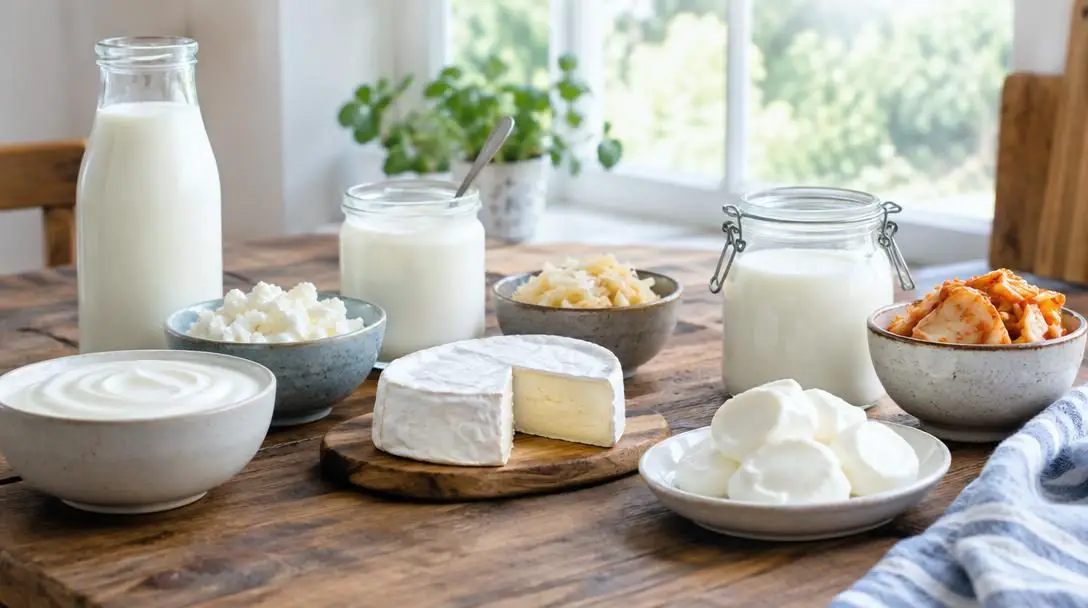
For thousands of years before the advent of mechanical refrigeration and industrial food science, human societies turned to microbiological processes to preserve fresh milk. Raw milk spoils rapidly when exposed to ambient heat, but ancestral communities observed that deliberately introducing beneficial microorganisms created an acidic environment in which harmful, illness-causing pathogens could not easily multiply. Over countless generations, this practical survival strategy gave rise to a rich global legacy of cultured foods, including yogurt, kefir, buttermilk, cheese, and sour cream, which served as daily nutritional bedrocks across varied culinary landscapes.
Today, contemporary biological research validates what traditional cultures recognized empirically: cultured milk products do far more than extend shelf stability. The biochemical transformations that occur during fermentation break down milk sugars and proteins, synthesize organic acids, and populate dairy matrices with trillions of beneficial living bacteria. By converting standard milk into a dense vehicle of bioavailable nutrients and therapeutic probiotics, fermented dairy acts as a powerful functional food that supports digestion, metabolic stability, immune defense, and long-term health.
Key takeaways
- Fermentation transforms liquid milk by using beneficial bacteria and yeasts to convert natural lactose into lactic acid, enhancing nutrient bioavailability and creating a characteristic tangy flavor.
- Cultured dairy provides high-quality protein alongside key micronutrients like calcium, vitamin D, and vitamin B12, bolstered by live probiotic cultures that balance the gut microbiome.
- Regular consumption of fermented dairy strengthens gastrointestinal defense, relieves irritable bowel syndrome symptoms, and trains systemic immune responses by supporting the gut, where over 70 percent of immune cells reside.
- Probiotic dairy products support metabolic and cardiovascular health by improving insulin sensitivity, blunting blood sugar spikes, reducing blood pressure, and optimizing lipid profiles.
The biological mechanics of dairy fermentation
At its biochemical foundation, dairy fermentation is an anaerobic conversion process wherein specific microorganisms metabolize carbohydrates to produce organic acids, carbon dioxide, or alcohols. In cultured dairy, the primary target of this microbial activity is lactose, a disaccharide sugar naturally present in raw mammalian milk. Introduced starter cultures—primarily lactic acid bacteria from genera such as Lactobacillus, Lactococcus, and Streptococcus—metabolize this lactose and produce lactic acid as their chief byproduct.
As lactic acid accumulates within the liquid dairy substrate, the chemical environment undergoes a significant transformation. The progressive accumulation of hydrogen ions causes the liquid's pH to drop sharply. This acidic shift disrupts the structural stability of casein, the primary protein family in milk. As the pH approaches casein's isoelectric threshold, these proteins lose their natural electric repulsion, uncoil, and physically coagulate together into a dense, semi-solid three-dimensional network. This structural change is what produces the signature viscous texture, creamy body, and sharp, refreshing tang characteristic of cultured milk.
Beyond changing physical texture, this microbial activity acts as an external pre-digestive step that dramatically enhances the bioavailability of intrinsic nutrients. Bioavailability refers to the proportion of a nutrient that successfully passes across the human intestinal barrier into the bloodstream to be utilized by cells. The enzymatic activity of fermenting bacteria cleaves long, complex protein chains into short bioactive peptides and free amino acids. Furthermore, it demineralizes casein micelles, releasing vital micronutrients such as calcium, phosphorus, and magnesium from rigid chemical bonds so that your digestive tract can absorb them with minimal physiological effort.
By pre-digesting complex milk sugars and structural proteins, beneficial fermenting bacteria transform liquid dairy into a nutrient-dense food that human intestines can absorb with remarkable efficiency.
Core nutritional profile and bioactive elements
Fermented dairy foods stand apart from standard fortified beverages and ultra-processed dairy foods because their nutritional richness stems from living biological interactions. The finished food delivers an intricate assembly of macro- and micronutrients suspended in an easily digestible, highly functional food matrix:
- Concentrated, bioavailable protein: Protein forms the structural foundation of every tissue in the human body, providing the amino acids required for repairing muscle, constructing vital enzymes, and synthesizing signaling hormones. The partial hydrolysis of milk proteins carried out by starter cultures means these amino acids are ready for rapid uptake, putting less strain on stomach acid and pancreatic enzymes.
- Essential skeletal minerals: Fermented dairy is exceptionally rich in calcium and phosphorus. Calcium is critical not only for building bone mineral density across all stages of life, but also for conducting electrical nerve impulses, contracting skeletal and cardiac muscle, and activating vascular clotting cascades.
- Synergistic fat-soluble and water-soluble vitamins: Cultured dairy supplies bioavailable vitamin D, which works closely with calcium to regulate bone mineral deposition and modulate systemic immune activity. It is also an exceptional dietary reservoir of vitamin B12 (cobalamin), an essential cofactor necessary for the synthesis of red blood cells, cellular energy generation, and the maintenance of the myelin sheath that shields peripheral nerves.
- Therapeutic live probiotics: Unlike pasteurized non-fermented dairy, genuine cultured dairy carries vast populations of live, resilient bacteria and yeasts. These beneficial microorganisms survive the harsh bath of stomach acid and bile salts to enter the intestines, where they temporarily colonize the mucosa, crowd out undesirable opportunistic pathogens, and balance the resident microbial flora.
Traditional and modern fermented dairy varieties
The vast world of cultured dairy spans thousands of distinct products, each shaped by the specific microbial strains, ambient incubation temperatures, moisture levels, and aging techniques used during production. Here is how the most prominent traditional staples compare in terms of their physical characteristics, preparation methods, and active microflora.
| Product | Primary Culture Base | Characteristic Texture | Distinctive Nutritional Feature |
|---|---|---|---|
| Yogurt | Lactic acid bacteria | Thick, smooth, spoonable | High protein density when strained |
| Kefir | Symbiotic grains (bacteria & yeasts) | Drinkable, slightly effervescent | Broadest microbial diversity |
| Buttermilk | Mesophilic lactic cultures | Fluid, lightly thickened | Low-fat matrix with rich acidic tang |
| Cheese | Bacterial cultures plus rennet | Firm, semi-solid, or crumbly | Highly concentrated minerals and protein |
| Sour Cream | Lactic cultures in dairy cream | Heavy, velvet-like spread | Rich fat-soluble nutrient medium |
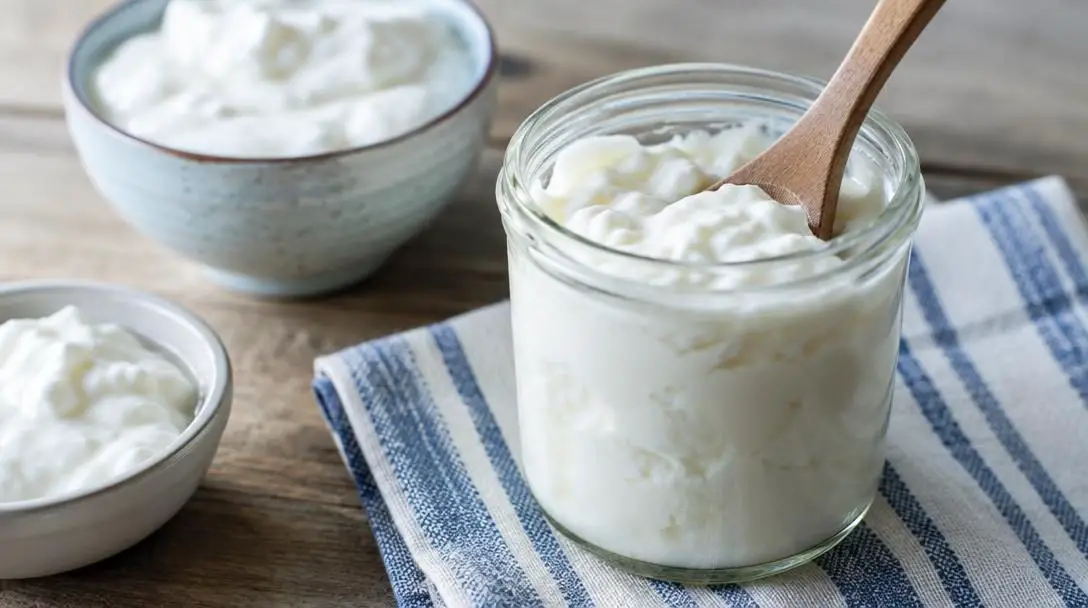
Yogurt
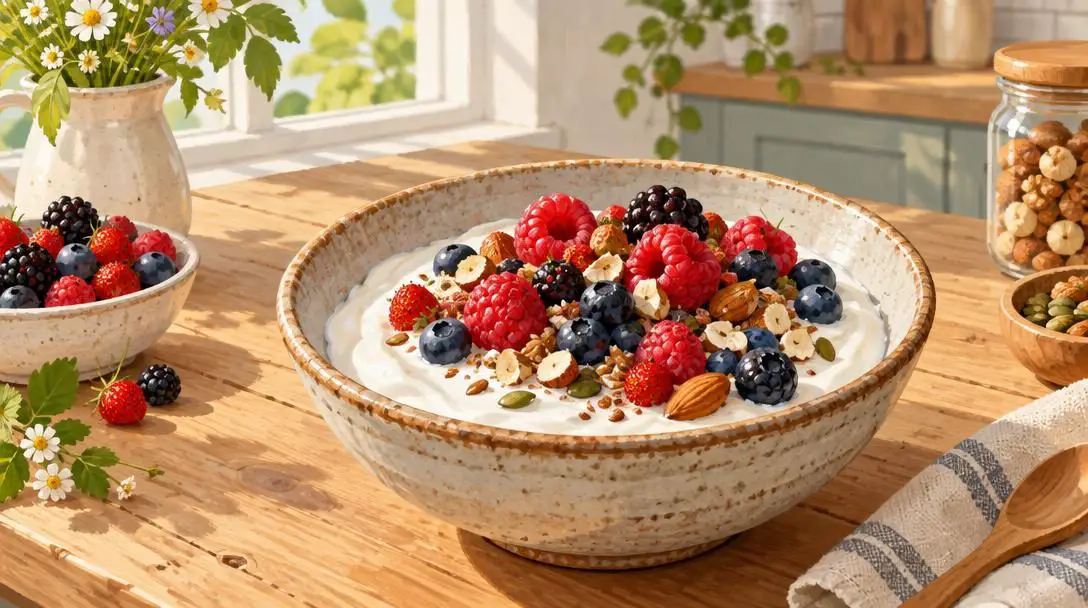
- Production method: Milk fermented with specific bacterial strains under controlled, warm temperatures
- Key variation: Greek yogurt, mechanically strained to remove liquid whey
- Texture profile: Creamy, cohesive, and spoonable
Yogurt is the most widely recognized fermented dairy staple across the globe. Standard yogurt is manufactured by blending milk with specific bacterial cultures and maintaining an elevated, stable incubation temperature until the milk acidifies and gels. In the production of Greek yogurt, manufacturers run the fermented mixture through fine strainers or centrifuges to eliminate the watery liquid whey. This concentration step yields an exceptionally dense, velvet-like consistency with roughly twice the protein content of unstrained varieties, making it an ideal choice for muscle recovery and prolonged meal satiety.
Kefir
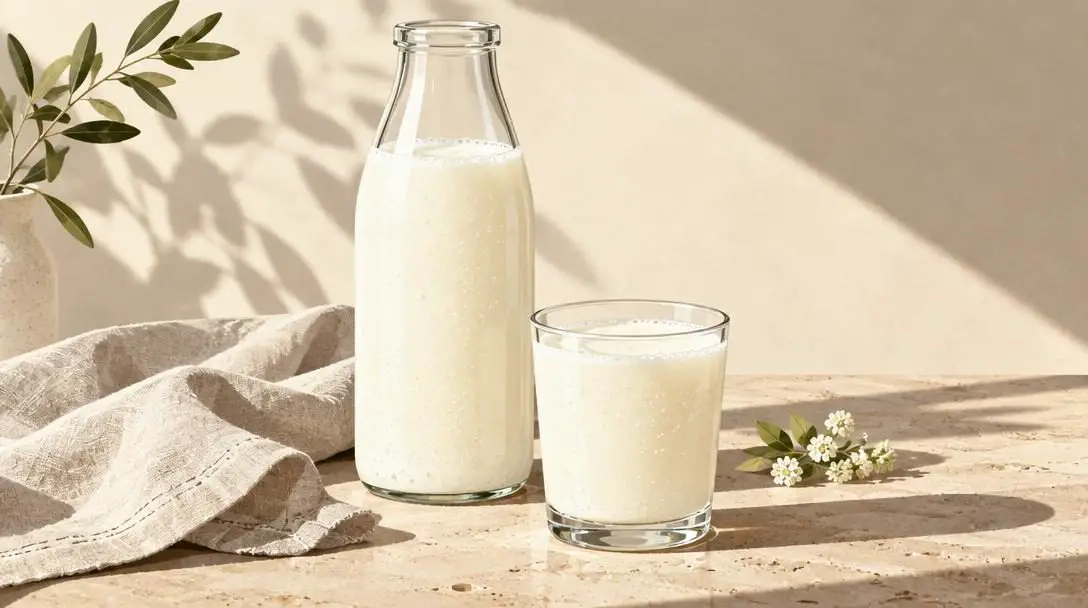
- Production method: Milk cultured using living, symbiotic kefir grains
- Microbial profile: Complex matrix combining diverse lactic bacteria and functional yeasts
- Texture profile: Pourable, fluid liquid with a delicate effervescence
Originating in the Caucasus Mountains, kefir is a drinkable cultured dairy product made through a unique dual-fermentation process. Rather than relying solely on isolated bacterial strains, kefir is inoculated with kefir grains—rubbery, gelatinous structures composed of proteins, lipids, and complex sugars that house a diverse, symbiotic community of bacteria and yeasts. The inclusion of yeasts produces minor amounts of carbon dioxide and organic flavor compounds, giving traditional kefir its lively effervescence and tangy, complex taste profile. Because its microbial diversity is significantly broader than that of conventional yogurt, kefir represents one of the most potent probiotic beverages available.
Buttermilk
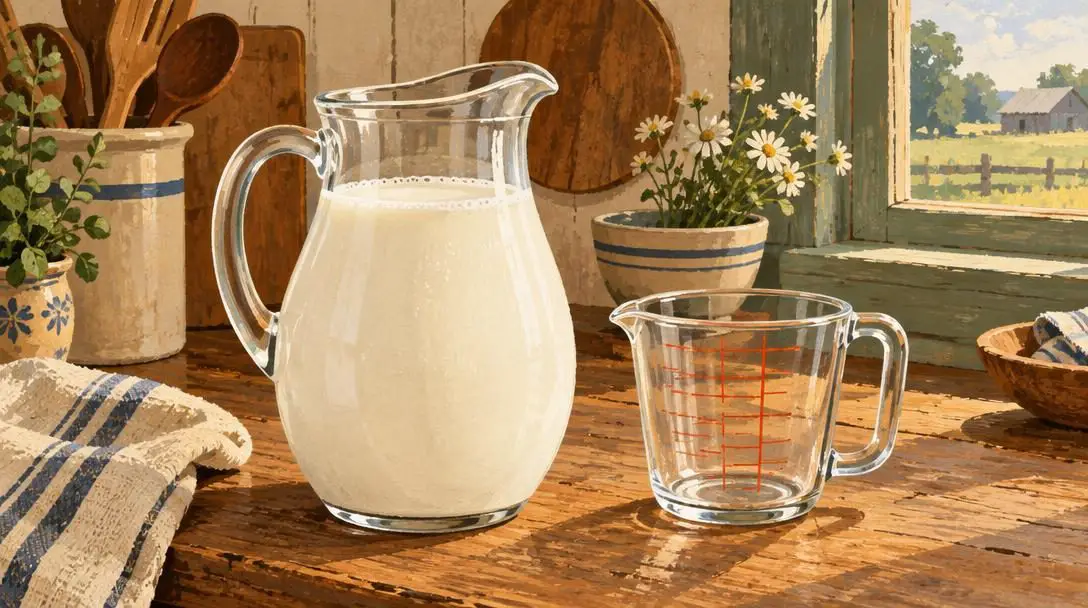
- Production method: Pasteurized low-fat milk soured with specialized bacterial cultures
- Culinary role: Consumed as a tart beverage or used to activate leavening agents in baking
- Texture profile: Viscous liquid, thinner than yogurt but heavier than sweet milk
While historical buttermilk was the tart, residual liquid left behind after churning butter from cultured cream, contemporary commercial buttermilk is produced directly by introducing mesophilic lactic cultures into fresh milk. These bacteria ferment the milk at moderate room temperatures until it acidifies and thickens lightly. Buttermilk is distinguished by its clean, sharp acidity, which not only makes it a refreshing, hydrating drink in many parts of the world, but also makes it functionally valuable in culinary applications, where its lactic acid reacts with alkaline baking soda to produce tender, airy baked goods.
Cheese
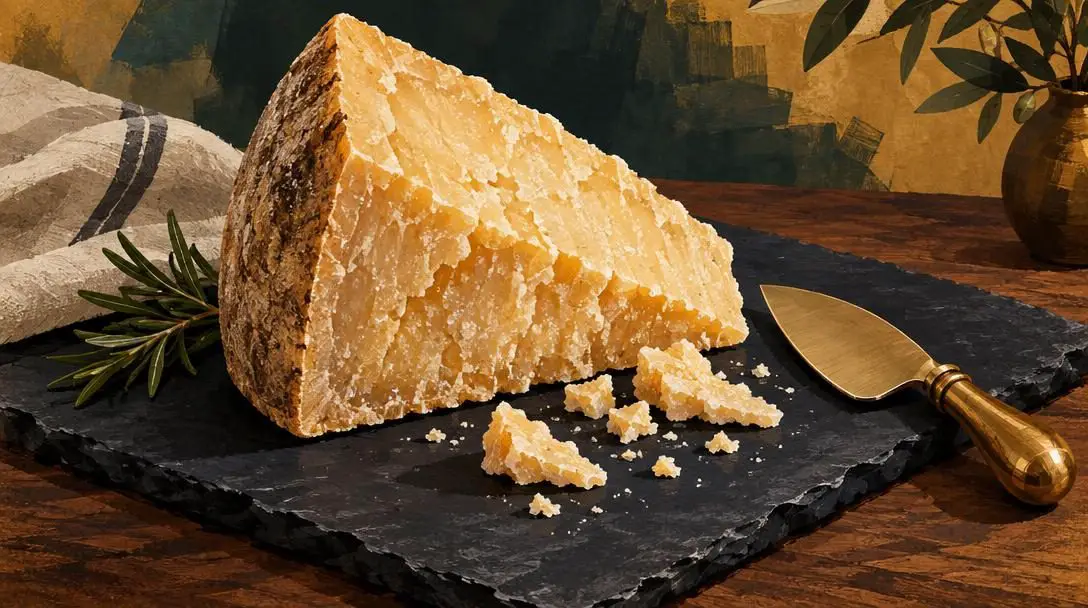
- Production method: Bacterial fermentation paired with enzymatic rennet coagulation
- Aging process: Ranging from fresh, unaged curds to wheels aged for multiple years
- Texture profile: Ranging from soft and creamy to hard and crystalline
Cheese is a concentrated, nutrient-dense food born from a two-step transformation: microbial fermentation coupled with enzymatic coagulation. Starter bacteria first acidify the milk, after which rennet—an enzyme complex—is added to rapidly cleave casein proteins, separating the milk into firm solid curds and liquid whey. Cheesemakers drain, cut, salt, press, and shape the remaining curds before transferring them into climate-controlled environments for aging. Over months or years of ripening, microbial enzymes break down residual fats and proteins, generating deep savory flavors, destroying remaining traces of lactose, and packing essential minerals into an shelf-stable food.
Sour Cream
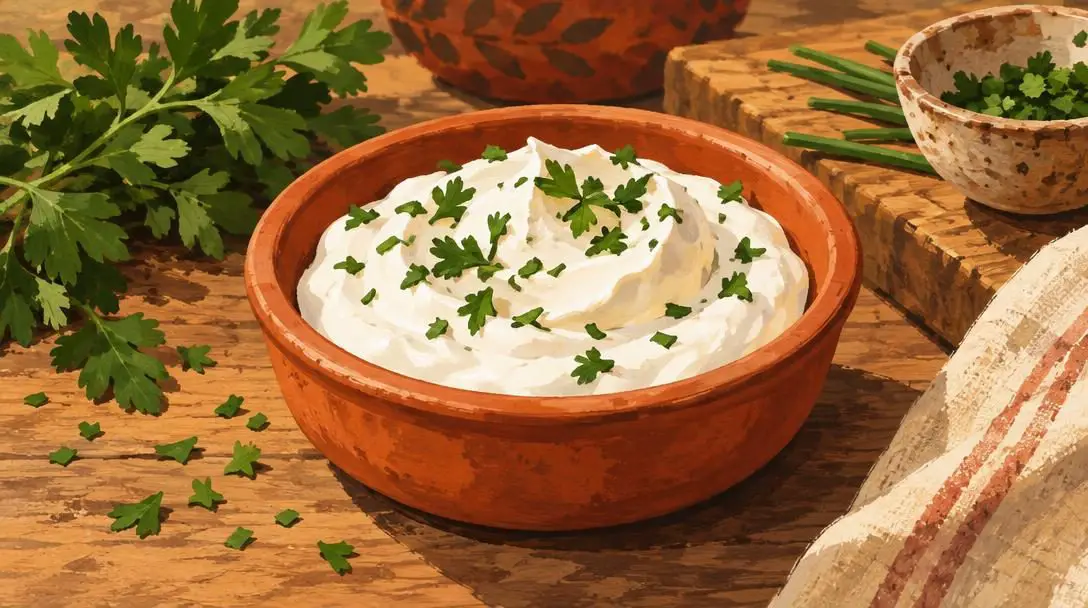
- Production method: Culturing rich dairy cream with lactic acid bacteria
- Primary use: Savory condiment, enrichment base, and finishing topping
- Texture profile: Heavy, smooth, thick, and spoonable
Unlike fermented dairy products created from skim or whole milk, sour cream is made by introducing acid-producing bacterial cultures directly into pasteurized dairy cream. As the bacteria generate lactic acid within this high-fat environment, the cream naturally thickens into a luxurious, spoonable emulsion with a clean, balancing acidity. Widely utilized as an accent for hearty baked potatoes, savory stews, and traditional Mexican dishes, sour cream adds rich texture while contributing fat-soluble bioactive nutrients to complex, savory meals.
Digestive health and gut microbiome equilibrium
The human gastrointestinal tract is inhabited by a dense ecosystem containing trillions of microorganisms, collectively referred to as the gut microbiome. This complex internal community is vital for synthesizing key vitamins, maintaining mucosal epithelial integrity, neutralizing harmful dietary compounds, and digesting complex fibers. Modern dietary habits, antibiotic use, and physical stress can destabilize this delicate microbial balance, precipitating dysbiosis—a state marked by an overgrowth of opportunists and a depletion of beneficial commensals.
Consuming fermented dairy supplies a continuous influx of live probiotic organisms, which fortify the resident microflora and help preserve microbial balance throughout the digestive tract. Clinical investigations demonstrate that routine intake of cultured dairy can alleviate persistent functional gastrointestinal distress, visibly reducing uncomfortable bloating, excess gas production, and irregular bowel patterns such as sudden diarrhea or constipation.
Moreover, fermented dairy offers therapeutic relief for individuals dealing with chronic inflammatory and functional digestive conditions, most notably irritable bowel syndrome (IBS). The organic acids generated during fermentation lower the intraluminal pH of the colon, creating a mildly acidic environment where invasive pathogenic bacteria cannot easily thrive. This barrier effect protects against foodborne gastrointestinal infections while calming irritation across the sensitive intestinal lining.
Immune system regulation and systemic inflammation
A substantial portion of the human immune system—estimated to exceed 70 percent—is physically concentrated directly within the tissues lining the gastrointestinal tract, primarily inside gut-associated lymphoid tissue (GALT). Because the intestinal lining is the primary boundary separating the external world from the sterile interior of the body, immune cells stationed there must continually distinguish between harmless food antigens, beneficial commensal microbes, and dangerous foreign pathogens.
The bioactive peptides and live probiotic strains in fermented dairy actively communicate with these localized immune sentries. Research demonstrates that probiotics train immune cells to respond more swiftly and appropriately to actual physiological threats, increasing the production of protective secretory antibodies (such as IgA) without triggering excessive, damaging inflammation. This immune priming reduces the incidence and severity of everyday systemic challenges, including common upper respiratory tract infections.
Equally critical is the ability of cultured dairy to calm unchecked systemic inflammation. Chronic low-grade inflammation is an underlying driver of numerous degenerative disorders, tissue breakdown, and hypersensitivity reactions. The beneficial bacteria found in cultured dairy help maintain tight junctions between individual epithelial cells in the gut wall, preventing inflammatory bacterial endotoxins from leaking out into systemic circulation. By keeping internal defenses regulated, these foods help calm inappropriate inflammatory cascades and lower the baseline risk of allergic reactions.
Cardiovascular and metabolic protections
Beyond gastrointestinal health, longitudinal health research indicates that the habitual consumption of fermented dairy plays an important role in managing long-term chronic disease risks, particularly regarding heart disease and metabolic syndrome. While whole milk products were historically scrutinized for their saturated fat content, contemporary nutritional research indicates that the unique food matrix of cultured dairy confers notable cardioprotective and anti-diabetic advantages.
In terms of metabolic regulation, the regular intake of fermented dairy products has been linked to distinct improvements in cellular insulin sensitivity. When peripheral tissues, especially skeletal muscle and liver cells, respond efficiently to insulin, the body is able to clear glucose from circulating blood smoothly and effectively. This reduces chronic strain on the insulin-producing beta cells of the pancreas, directly protecting against the onset of insulin resistance and type 2 diabetes.
Simultaneously, cultured dairy positively influences key markers of cardiovascular function:
- Blood pressure normalization: During the fermentation process, starter cultures break down casein and whey into short, biologically active tripeptides that act as natural inhibitors of angiotensin-converting enzyme (ACE), helping blood vessels relax and reducing arterial pressure.
- Favorable lipid metabolism: Certain probiotic strains interact directly with dietary cholesterol in the gut lumen, binding to it and assisting in its elimination, which helps normalize overall circulating cholesterol profiles.
- Reduction of oxidative vascular stress: The organic acids and natural antioxidant compounds present in aged and fermented dairy prevent the oxidation of low-density lipoproteins, keeping arterial walls flexible and healthy.
Satiety, appetite regulation, and weight management
Maintaining a balanced body weight is a cornerstone of lifelong wellness, yet conventional caloric restriction often triggers powerful physiological appetite signals that lead to rebound overeating. Fermented dairy offers a distinct structural advantage for weight management due to its natural combination of high-density protein and biological satiety regulators.
Dietary protein is widely documented as the most satiating of all macronutrients. Consuming high-protein cultured foods, such as strained Greek yogurt or cottage-style cheeses, stimulates the release of key peptide hormones within the gut—such as peptide YY (PYY) and glucagon-like peptide-1 (GLP-1)—while simultaneously blunting the release of ghrelin, the primary hormone that signals hunger to the brain. This biochemical response delays gastric emptying and promotes long-lasting sensations of fullness after meals.
Furthermore, emerging scientific research highlights a direct link between the composition of the gut microbiota and metabolic efficiency. Dysbiosis in the gut can lead to increased energy harvest from otherwise indigestible foods, along with metabolic endotoxemia that encourages fat storage. By regularly introducing beneficial bacterial strains that support a balanced, diverse microbiome, individuals can encourage a leaner metabolic profile. Clinical trials confirm that when incorporated into a balanced diet, the daily intake of fermented dairy foods supports modest, sustainable body weight loss and helps prevent progressive visceral fat accumulation.
Simple ways to add fermented dairy to daily meals
Adopting the health advantages of cultured dairy does not require elaborate recipes or major culinary changes. Because these foods are available in a broad range of textures and flavor profiles, they can easily replace non-fermented staples in common meals through straightforward, practical substitutions.
- Upgrade your morning breakfast base: Replace standard sweet milk or heavily processed creamers with plain, unsweetened yogurt or chilled kefir. Pour kefir over whole-grain oats and seeds, blend it into a fruit and green smoothie, or layer rich Greek yogurt with raw walnuts and fresh berries for a quick, protein-dense start to your day.
- Build wholesome savory dressings and cold dips: Use plain yogurt or cultured sour cream as a replacement for processed mayonnaise in homemade sauces. Whisk together plain yogurt, crushed garlic, freshly chopped dill, sea salt, and a splash of lemon juice to create a versatile condiment that elevates roasted vegetables, grain bowls, and grilled poultry.
- Enrich marinades and chilled soups with buttermilk: Take advantage of buttermilk's delicate acidity by using it as a liquid tenderizing base for poultry marinades, blending it into chilled summer cucumber soups, or mixing it into traditional sourdough and whole-grain baked goods to produce a light, tender crumb.
- Incorporate real aged cheeses into main courses: Choose traditional fermented cheeses that have undergone extensive curing—such as authentic aged Cheddar, Parmesan, or Gouda—and grate them in moderate portions over salads, vegetable bakes, and whole grains to maximize savory flavor and boost bioavailable mineral intake.
- Finish hot savory dishes with a cool cultured accent: Spoon a dollop of real cultured sour cream or full-fat Greek yogurt directly over spicy bean chilis, hearty lentil stews, or roasted root vegetables immediately before serving to add richness and temper heat.
Mistakes that compromise the benefits of cultured dairy
While the health profile of genuine fermented dairy is well-established, modern commercial manufacturing shortcuts and poor preparation methods can inadvertently undermine these benefits. Avoiding common pitfalls ensures you reap the full therapeutic potential of these ancient foods.
- Consuming products laden with added sugars: Many commercial fruit-flavored yogurts, drinkable kefir bottles, and dessert-style cheeses are packed with high-fructose corn syrup, cane sugar, and artificial colorings. Excess dietary sugar fuels the growth of harmful gut pathogens and accelerates systemic inflammation, directly canceling out the metabolic benefits of the probiotics. Always choose plain, unsweetened products and sweeten them yourself using whole, fresh fruit.
- Overheating live probiotic foods: Heat is the primary enemy of delicate probiotic bacteria. While cooking with buttermilk, yogurt, or sour cream adds rich texture to baked casseroles, sauces, and breads, sustained oven or stovetop heat destroys living bacteria. To safeguard these active cultures, enjoy cultured products chilled, or stir them into warm dishes only after removing the pan from the heat source.
- Purchasing chemically acidified imitations: In an effort to cut production times, some modern manufacturers make items labeled "cottage cheese," "ricotta," or "sour cream" by adding direct chemical acidifiers (such as lactic acid, citric acid, or glucono-delta-lactone) rather than letting natural bacterial cultures ferment slowly. These shortcut products lack beneficial living probiotics, bioavailable peptides, and the metabolic advantages of traditional fermentation. Check the ingredient label to verify the presence of active, living starter cultures.
- Introducing large servings too quickly: If your digestive system is not accustomed to receiving active probiotic foods or substantial amounts of dairy solids, consuming multiple large servings in a single day can trigger temporary bloating, mild gas, or bowel irregularities. Give your gut microbiome time to adjust by starting with a few tablespoons of yogurt or a small glass of kefir each day, progressively increasing your intake over a week or two.
Frequently asked questions
Can I eat fermented dairy if I am lactose intolerant?
Many individuals with mild to moderate lactose intolerance tolerate traditional fermented dairy very well. During the biological fermentation process, lactic acid bacteria consume much of the natural milk sugar, converting it into lactic acid and dramatically reducing the total lactose content of the food. Furthermore, dense strained products like Greek yogurt, along with long-aged cheeses, have almost all of their residual liquid whey removed, leaving behind only trace levels of lactose.
What is the difference between ordinary yogurt and kefir?
While both foods are prepared by culturing milk, yogurt is produced using a small selection of specific thermophilic lactic acid bacteria that yield a thick, spoonable texture. Kefir is fermented at room temperature using kefir grains—a symbiotic matrix of dozens of bacterial strains and beneficial yeasts. This dual-action fermentation makes kefir a drinkable, lightly effervescent beverage with a significantly wider variety of probiotic organisms.
Do all cheeses contain live probiotics?
No, not all commercial cheeses contain live probiotic cultures. While all real cheeses rely on bacterial fermentation during their initial production, intense heat processing (common in shelf-stable, individually wrapped processed cheeses) destroys beneficial microorganisms. To consume living cultures through cheese, look for raw-milk or traditionally aged, unpasteurized varieties such as naturally aged Cheddar, Gouda, Parmesan, or artisanal blue cheeses.
Does cooking or baking with buttermilk destroy its health benefits?
High cooking and baking temperatures will kill the living probiotic cultures present in buttermilk. However, the food does not lose all of its nutritional value; heat-treated buttermilk still provides bioavailable proteins, calcium, potassium, and easily digestible vitamins, and its acidity tenderizes dough and activates leavening agents.
How much fermented dairy should I eat each day for health benefits?
Most clinical and nutritional studies suggest that consuming one to two standard servings of cultured dairy daily is sufficient to support a healthy gut microbiome and promote metabolic wellness. A standard serving corresponds to approximately one cup of plain yogurt or kefir, or one to two ounces of aged, traditionally prepared cheese.
The bottom line
Fermented dairy represents an ideal synergy between ancient culinary wisdom and modern nutritional science. By harnessing the natural enzymatic activity of beneficial bacteria and yeasts, the simple fermentation of milk turns a perishable liquid into an easily digestible, highly bioavailable food. Packed with dense proteins, skeletal minerals, vital vitamins, and trillions of living probiotic organisms, cultured dairy items like yogurt, kefir, buttermilk, cheese, and sour cream provide systemic health support that extends far beyond baseline nutrition.
Whether your goal is to soothe persistent digestive complaints, strengthen immune defenses, normalize metabolic markers, or achieve sustainable satiety for weight management, adding genuine cultured dairy to your daily diet is an accessible and proven strategy. By choosing unflavored, minimally processed foods that feature live cultures and protecting those delicate organisms from high cooking heat, you can make these time-tested foods a lasting cornerstone of your long-term wellness routine.