Top 5 Craziest Sports Stars

Professional athletics has long functioned as a high-intensity arena where peak physical performance, fierce rivalries, and volatile human emotions converge. When immense financial wealth, around-the-clock media scrutiny, and unique personal temperaments collide under competitive pressure, the results often extend far beyond the playing field and dominate global headlines.
Across sporting history, certain figures have transcended their athletic achievements through disruptive personal lives, bizarre public declarations, and polarizing legal crises. By examining the careers of Kyrie Irving, Dennis Rodman, Mike Tyson, Diego Maradona, and Tonya Harding, readers can better understand the cultural forces that elevate unpredictable athletes into enduring pop culture icons.
Key takeaways
- Extraordinary athletic skill often creates a protective buffer that allows unconventional or problematic behavior to be tolerated by fans and leagues.
- Public fixation is driven by a media landscape that amplifies personal spectacle, eccentric personal styling, and controversial statements for engagement.
- Objective analysis requires separating harmless individual expression, such as dyed hair or fashion choices, from dangerous or criminal actions.
- Modern digital platforms accelerate the spread of unverified claims and heighten public reactions compared to past media eras.
At a glance: Five unpredictable sports figures
The athletes highlighted below built legendary sports resumes while generating unprecedented levels of outside attention, ranging from philosophical oddities to major criminal trials.
| Athlete | Sport | Key Athletic Accolades | Defining Controversies | Media and Cultural Footprint |
|---|---|---|---|---|
| Kyrie Irving | Basketball | 2016 champion, Rookie of the Year, 7-time All-Star, 2014 All-Star MVP | Flat-earth declarations, claims of a John F. Kennedy assassination conspiracy | Willingness to debate unorthodox theories with anyone |
| Dennis Rodman | Basketball | Multitime champion and renowned defensive icon | Wore a wedding dress, multiple visits to North Korea, befriended Kim Jong-Un | Fluorescent hair, piercings, international basketball diplomat in Pyongyang |
| Mike Tyson | Boxing | Heavyweight world champion | 1987 Holyfield ear bite, prison sentence, cocaine use, prosthetic device for drug tests | Facial tattoo, The Hangover cameo, Adult Swim animated series |
| Diego Maradona | Soccer | World Cup winner and celebrated Argentine national hero | Three-day cocaine binges, firing air rifle at reporters, violent on-pitch assaults | Candlelit shrines in Argentina, godlike sports adoration |
| Tonya Harding | Figure Skating | Olympic-bound competitor | Plot to assault a rival skater's knee using a police baton | Documentaries, feature films, and decades of retrospective scrutiny |
The profiles of five unpredictable sports icons
Each of these five athletes carved out an unmistakable place in modern sports history, pairing world-class talent with off-field developments that shocked observers worldwide.
Kyrie Irving

- Sport: Basketball
- Major Accomplishments: Rookie of the Year, 2016 NBA Champion, 7-time All-Star, 2014 All-Star Game MVP
- Notable Statements: Flat-earth assertions, claims regarding a conspiracy in the death of John F. Kennedy
Kyrie Irving established himself as one of the most gifted and creative ball-handlers in modern basketball history. Throughout his career, he achieved major milestones including taking home Rookie of the Year honors, claiming an NBA championship ring in 2016, earning selection to seven All-Star squads, and capturing the Most Valuable Player award at the 2014 All-Star Game. Despite these athletic triumphs, his media profile became increasingly defined by his philosophical and conspiratorial worldview.
Irving attracted massive public debate by publicly declaring that the Earth is flat. He additionally challenged established history by advancing the claim that there was an active conspiracy behind the assassination of President John F. Kennedy. Known as a competitor willing to converse with anyone, Irving's unfiltered platforms frequently generated widespread bewilderment among analysts and fans alike, exemplifying how elite athletes can use their visibility to broadcast personal theories.
Dennis Rodman
- Sport: Basketball
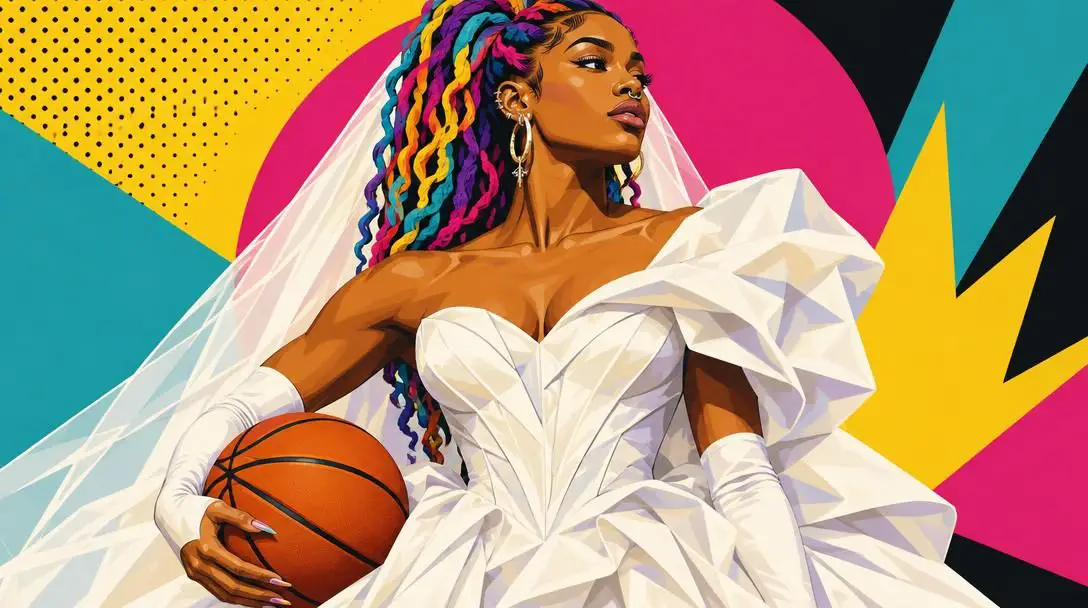
- Defining Visual Style: Constantly shifting hair colors, piercings, bridal gown appearance
- Geopolitical Involvement: Traveled to North Korea, established a personal friendship with Kim Jong-Un
Dennis Rodman became a worldwide symbol of athletic eccentricity throughout the 1990s and beyond. On the court, his relentless rebounding and ferocious defensive intensity were matched only by his visual unpredictability. He captured headlines across the globe by showcasing ever-changing neon hair colors, groundbreaking body piercings, and boundary-pushing public appearances, most notably arriving at a book promotion wearing a complete, ornate wedding dress.
In his post-playing years, Rodman's public narrative took an unprecedented international turn through his multiple visits to North Korea. Rodman forged a personal relationship with the country's supreme leader, Kim Jong-Un, publicly describing the authoritarian leader as a friend for life. Rodman traveled repeatedly to the isolated nation to train the North Korean national basketball team, drawing severe global criticism due to North Korea's extensively documented record of human rights violations.

Mike Tyson
- Sport: Boxing
- Legal and Disciplinary History: Three years in prison following a rape conviction, drug test circumvention
- Entertainment Projects: The Hangover, animated comedy series on Adult Swim
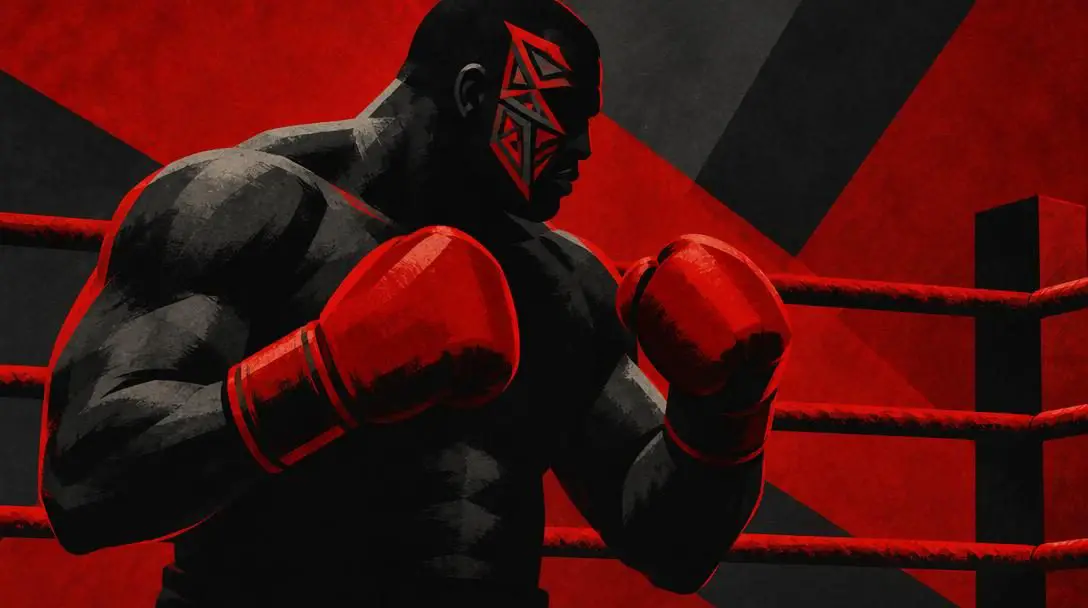
Inside the boxing ring, Mike Tyson was celebrated as an unstoppable heavyweight force whose punching power and raw aggression struck fear into opponents and reporters alike. Yet his personal life and career were marked by severe legal trouble and volatile outbursts. Following a rape conviction, Tyson served three years in prison before his release in 1995. Inside the ring, his aggression crossed ethical and sporting lines during a notorious 1987 bout when he bit opponent Evander Holyfield's ear.
Tyson also admitted to prolonged periods of heavy cocaine usage and openly described using a prosthetic device to deliver clean urine samples during mandatory drug screenings. Even his physical appearance stoked controversy when he added a prominent tribal tattoo to his face, a choice initially interpreted as an alarming warning sign of instability. Over time, however, American entertainment media reabsorbed Tyson, turning him into a beloved pop culture fixture through appearances in hit comedy films like The Hangover and his own comedic animated program on Adult Swim.
Diego Maradona

- Sport: Soccer
- Cultural Standing: Reified as a national sports deity with perpetual candlelit shrines in Argentina
- Documented Incidents: Three-day cocaine binges, air rifle shooting, on-pitch brawling
In Argentina and throughout the international soccer landscape, Diego Maradona was revered with an intensity approaching religious devotion. Supporters established continuous candlelit shrines dedicated to his brilliance, honoring the playmaking genius who delivered unforgettable international victories. However, this godlike status coexisted alongside severe personal volatility, health crises, and chemical dependency.
Maradona's turbulent life featured three-day cocaine binges and violent confrontations with the public and press. On one occasion, he discharged an air rifle directly at journalists gathered outside his residence; on others, he was documented karate-kicking individuals during heated altercations. This combative spirit also surfaced during official matches, with cameras capturing moments where he simultaneously delivered an elbow into one opponent's face while driving a knee into another competitor's head.
Tonya Harding

- Sport: Figure Skating
- Pinnacle Achievement: Olympic-bound elite competitor
- Defining Scandal: Hired an attacker to assault rival skater with a police baton
Tonya Harding ascended to the elite tiers of competitive figure skating through technical skill, physical strength, and fierce determination, earning a place as an Olympic competitor. Yet her athletic achievements were permanently eclipsed by one of the most infamous conspiracies in the history of international sports. Harding's inner circle orchestrated an assault against her primary competitor, who had been celebrated by the media as America's sweetheart.
The plot culminated in the hiring of an attacker who ambushed the rival skater and struck her directly on the kneecap using a heavy police baton. The brazen physical assault shocked the world and forever changed the tone of figure skating coverage. The fallout led to criminal convictions, permanent athletic disqualification, and decades of retrospective media examinations, spawning multiple documentary features and an acclaimed Hollywood motion picture.
Why society fixates on erratic competitors
The lasting fascination with unpredictable sports figures reveals significant truths about media incentives and public consumption. When an elite competitor achieves athletic greatness, society often establishes an unusual relationship with their personal conduct, balancing fascination with moral condemnation.

The public often tunes in just as much for the spectacle of an athlete's personal turmoil as for their performance on the field.
Four underlying mechanisms drive this lasting cultural fixation:
- Extreme talent as an accountability buffer: In professional sports, elite production frequently buys extraordinary leniency. When an athlete delivers championships or drives international ratings, organizations and fans often tolerate erratic outbursts, conspiratorial views, or personal misconduct far longer than they would for average performers.
- Media amplification loops: Shocking behavior generates unprecedented audience engagement. Outlandish statements regarding geography or sudden diplomatic journeys to isolated dictatorships provide non-stop content for sports analysis, television debates, and digital discourse.
- The cult of personal spectacle: When a competitor builds a reputation for volatile unpredictability, viewers begin watching their personal lives with the same voyeuristic interest typically reserved for reality television characters.
- Entertainment rehabilitation: Over time, the entertainment industry frequently recasts deeply troubled figures as eccentric personalities, allowing athletes with serious past offenses to transition smoothly into mainstream commercial projects and comedy programming.
How to critically evaluate sports controversies
Navigating the continuous cycle of breaking news and volatile behavior across modern sports requires an objective analytical framework. Readers can evaluate high-profile athletic controversies by following five practical steps.
- Separate athletic performance from personal authority: Acknowledge that exceptional hand-eye coordination, speed, or tactical vision does not confer expertise in geopolitics, epidemiology, or science. Appreciate physical skill while treating personal commentary with standard skepticism.
- Distinguish benign style choices from harmful actions: Categorize athlete behaviors accurately by separating harmless self-expression—such as unconventional hairstyles, tattoos, and wardrobe selections—from violent or predatory crimes that carry physical and legal consequences.
- Assess geopolitical engagements objectively: When athletes interact with foreign regimes, analyze the visits through the lens of international relations and documented human rights records rather than treating the trips as lighthearted sporting adventures.
- Review long-term personal accountability: Monitor whether an individual acknowledges past misconduct, accepts institutional sanctions, or continues to repeat destructive patterns across multiple decades.
- Examine the commercial incentives of the media: Consider whether reporting is aimed at uncovering verified facts or whether outlets are intentionally exaggerating erratic behavior to boost page views and social media engagement.
Common pitfalls in sports media analysis
When sports commentators and everyday fans discuss polarizing figures, analytical missteps frequently distort the conversation. Avoiding these common traps ensures a more balanced perspective:
- Conflating eccentricity with criminality: Grouping benign personal views or quirky public appearances alongside violent battery or sexual offenses diminishes the severity of actual crimes and muddles honest ethical critique.
- Attempting to construct subjective harm rankings: Trying to establish an absolute ranking of which athlete is the most erratic or damaging is inherently subjective. Readers should focus on verified historical facts rather than subjective moral competitions.
- Excusing damaging behavior due to athletic greatness: Extraordinary success on the field should never serve as an excuse for violent assaults, drug test fraud, or the targeting of competitive rivals.
- Accepting athlete opinions as verified facts: Because prominent athletes possess massive social platforms, impressionable audiences can easily mistake high-profile public statements for thoroughly researched truths.
- Overlooking the enabling ecosystem: Athletes who display uncontrolled behaviors rarely operate alone. Franchises, agents, promoters, and governing bodies frequently overlook misconduct to protect the revenues generated by athletic success.
The evolving landscape of sports celebrity
The intersection of athletics, celebrity culture, and news broadcasting continues to shift rapidly in the digital era. In previous decades, scandals like Diego Maradona's air rifle incident or Tonya Harding's plotting were mediated through print journalism and scheduled television broadcasts. Today, players possess immediate, unfiltered access to millions of followers, allowing controversial opinions to spread globally within seconds.
This direct access accelerates both the spread of erratic claims and the velocity of public backlash. Furthermore, major sports leagues—such as the NFL, which regularly faces high-profile behavioral incidents on an almost weekly basis—continue to satisfy an intense cultural appetite for drama that mirrors mainstream reality television programming.
Ultimately, modern sports fans retain the power to choose how they engage with volatile sports figures. Whether deciding to purchase merchandise, attend games, or support entertainment spin-offs featuring controversial athletes, maintaining a clear separation between athletic entertainment and ethical behavior remains an essential personal responsibility.
Frequently asked questions
Why did Kyrie Irving face public backlash regarding his personal statements?
Kyrie Irving drew intense public scrutiny after publicly stating that the Earth is flat and suggesting that a conspiracy was behind the assassination of President John F. Kennedy, demonstrating how elite competitors can use their visibility to spread unorthodox theories.
What was the primary controversy surrounding Dennis Rodman's international travel?
Dennis Rodman faced widespread international criticism for his repeated visits to North Korea, where he trained the national basketball team and established a close friendship with supreme leader Kim Jong-Un despite the nation's severe human rights record.
How did Mike Tyson transition from serious legal controversies to mainstream entertainment?
Following a three-year prison sentence, drug test circumvention, and the notorious 1987 ear-biting incident with Evander Holyfield, Tyson was gradually embraced by pop culture through comedy cameos in films like The Hangover and his own animated series on Adult Swim.
What major on-field and off-field incidents defined Diego Maradona's career?
Maradona struggled with three-day cocaine binges, shot an air rifle at journalists outside his home, and engaged in on-pitch violence that included elbowing one opponent while kneeing another in the head, all while being worshipped as a deity in Argentina.
What led to Tonya Harding's permanent ban from competitive figure skating?
Harding's career collapsed after her associates orchestrated an attack on her rival competitor, hiring an assailant who struck the rival skater's kneecap with a police baton to eliminate her from competition.
The bottom line
Professional sports will always serve as a reflection of peak human capability and extreme human frailty. The careers of Kyrie Irving, Dennis Rodman, Mike Tyson, Diego Maradona, and Tonya Harding prove that extraordinary physical skill does not shield individuals from personal instability, controversial worldviews, or catastrophic misjudgments. By recognizing the difference between harmless eccentric expression and genuine criminal harm, viewers can appreciate remarkable athletic achievements while maintaining a grounded, objective understanding of sports celebrity culture.