Vitamins And Supplements: What You Should Know

Walking through the aisles of any pharmacy, grocery store, or online wellness retailer reveals an overwhelming array of colorful bottles promising improved vitality, stronger bones, enhanced immunity, and deeper longevity. With dietary supplements expanding into a multibillion-dollar global industry, millions of people incorporate over-the-counter tablets, softgels, powders, and gummies into their daily routines. Yet amid attractive marketing claims and widespread availability, navigating the supplement market requires a clear understanding of human nutrition, biological limits, and product safety.
Dietary supplements are designed to serve as targeted tools rather than universal solutions or substitutes for nutritious living. While certain vitamins and minerals provide proven benefits for specific health profiles and verified deficiencies, they cannot replicate the complex nutritional matrix provided by whole foods. Approaching supplementation with critical scrutiny, professional guidance, and an awareness of personal biochemistry is essential for safeguarding both your physical health and your household budget.
Key takeaways
- Supplements are formulated to fill specific nutritional gaps and should never replace a balanced diet rich in whole foods.
- Excessive intake of fat-soluble nutrients can cause severe physiological harm, including organ toxicity and metabolic disruption.
- Independent third-party verification from organizations like NSF International and ConsumerLab is crucial for ensuring label accuracy and product purity.
- Consulting a healthcare provider or registered dietitian ensures proper clinical testing, accurate dosing, and protection against dangerous drug interactions.
The biological role of dietary supplements
To understand the purpose of commercial supplements, one must first recognize the fundamental difference between isolated nutrients and whole nutrition. Human physiology evolved to extract essential vitamins, minerals, antioxidants, and trace elements from a varied diet consisting of vegetables, fresh fruits, whole grains, legumes, and lean proteins. Within whole foods, these micronutrients do not exist in isolation; they work in synergy with dietary fiber, natural enzymes, and complex phytochemicals that modulate how nutrients are absorbed, metabolized, and utilized by human cells.
When you ingest an isolated vitamin in tablet or capsule form, the body processes it without this synergistic food matrix. While supplements can elevate circulating blood levels of targeted compounds, supplements cannot duplicate the comprehensive health benefits of wholesome dietary habits. Their medical purpose is restorative: to elevate low nutrient concentrations in people who cannot meet their physiological demands through food intake alone, whether due to medical conditions, dietary restrictions, limited sunlight, or biological life stages.
Dietary supplements are meant to fill verified nutritional voids, not serve as a substitute for wholesome, real food.
Furthermore, human organs handle nutrients according to strict metabolic rules based on chemical solubility. Understanding this distinction is vital for avoiding accidental toxicity:
- Water-soluble vitamins: Nutrients such as vitamin C and the B-complex vitamins dissolve in water. When consumed in amounts that exceed current cellular demands, healthy kidneys filter out the excess, which is then excreted through urine. However, mega-dosing can still strain organs or cause temporary distress.
- Fat-soluble vitamins: Nutrients including vitamins A, D, E, and K dissolve in lipids and are absorbed alongside dietary fats. Because excess amounts are stored in adipose tissue and the liver rather than readily flushed away, they can accumulate over time to toxic concentrations.
Common types of dietary supplements
While the modern supplement aisle features thousands of specialty compounds, botanical extracts, and chemical formulations, consumer demand remains largely centered around several foundational categories. Each addresses specific aspects of everyday physiology and nutritional intake.

Multivitamins
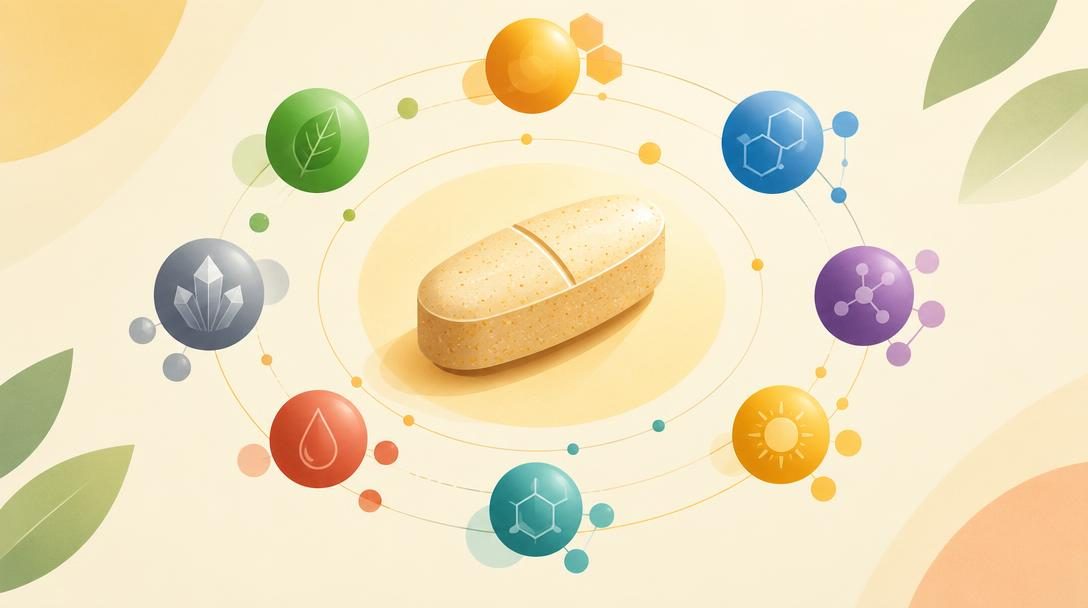
Multivitamins combine a wide spectrum of essential micronutrients—typically including primary vitamins and essential minerals—into a single daily serving. Rather than functioning as a concentrated therapeutic treatment for a specific illness, a multivitamin serves primarily as a general nutritional safety net. They are most commonly beneficial for individuals who experience inconsistent diets, older adults with reduced nutrient absorption, or people recovering from restrictive medical circumstances. While convenient, a multivitamin cannot compensate for a diet dominated by ultra-processed foods.
Vitamin D

Vitamin D functions more like a hormone than a conventional vitamin, playing a pivotal physiological role in regulating calcium absorption, maintaining bone density, and modulating immune defenses. Under ideal conditions, human skin synthesizes vitamin D naturally when exposed to ultraviolet B rays from sunlight. However, geographic location, seasonal weather shifts, office-bound lifestyles, and sun protection frequently lead to sub-optimal circulating levels. Because relatively few foods contain significant amounts of natural vitamin D, targeted supplementation is often recommended by physicians following clinical blood tests.
Fish Oil

Extracted from cold-water oily fish, fish oil supplements are prized for their high concentration of long-chain omega-3 fatty acids, specifically eicosapentaenoic acid (EPA) and docosahexaenoic acid (DHA). These vital fatty acids are integral structural components of cell membranes throughout the human body and provide robust support for cardiovascular health and normal inflammatory response. For individuals who do not regularly consume fatty fish like salmon, sardines, or mackerel, fish oil supplements offer an effective dietary alternative to support heart function.
Probiotics

Probiotics are formulations containing live, beneficial microorganisms designed to colonize or support the existing microbial communities residing in the human gastrointestinal tract. A balanced gut microbiome is intimately linked to efficient digestion, mucosal barrier integrity, and general immune response. Supplemental probiotics introduce targeted strains of bacteria to assist gut equilibrium, particularly for individuals experiencing digestive discomfort or those seeking to support microbial diversity.
At a glance: comparing core supplement categories
Choosing among different dietary aids requires understanding their primary functions, target biological systems, and how the body typically sources them. The table below details the distinctive characteristics of these four prominent supplement types.

| Supplement Category | Key Nutritional Content | Primary Health Focus | Natural Source or Mechanism | Common Dietary Gap Addressed |
|---|---|---|---|---|
| Multivitamins | Broad spectrum of vitamins and minerals | Overall metabolic support and nutritional baseline | Balanced, varied whole-food meals | General micronutrient shortfalls from inconsistent eating |
| Vitamin D | Vitamin D (calciferol) | Bone density, calcium uptake, and immune health | Dermal synthesis via sunlight exposure; fortified foods | Limited sunlight exposure and low dietary intake |
| Fish Oil | Omega-3 fatty acids (EPA and DHA) | Cardiovascular maintenance and lipid balance | Fatty, cold-water marine fish | Infrequent or absent consumption of seafood |
| Probiotics | Live beneficial bacteria cultures | Gastrointestinal balance and digestive support | Fermented foods like yogurt, kefir, and kraut | Low intake of naturally fermented foods and gut distress |
A step-by-step guide to choosing supplements safely
Because dietary supplements are generally regulated under different statutory frameworks than prescription pharmaceuticals, consumers must actively exercise diligence when purchasing products. Following an organized, clinical evaluation process helps ensure you consume pure, effective, and appropriately dosed products.
- Consult a qualified healthcare professional: Before purchasing bottles or powders, schedule an appointment with your primary care physician or a registered dietitian. A qualified clinician can review your medical history, evaluate clinical symptoms, order diagnostic blood work to check for real deficiencies, and verify whether a supplement is biologically necessary.
- Conduct brand and manufacturer research: Examine the background and operational standards of the manufacturing company. Choose established brands with transparent supply chains, robust quality control procedures, and long-standing reputations for adhering to current good manufacturing practices.
- Verify independent third-party certification: Look for seals of approval from independent analytical organizations such as NSF International or ConsumerLab. These neutral third parties evaluate commercial batches to certify that the product contains the precise ingredients listed on the label and is completely free from dangerous contaminants such as heavy metals, unlisted pharmaceuticals, or microbial pathogens.
- Scrutinize product labels completely: Read the entire product packaging carefully. Examine the active ingredient concentrations per serving, review the inactive excipients and binding agents, check expiration dates, and note the specific serving size. Many products require consuming several capsules to reach the stated dosage.
- Adhere strictly to clinical and label directions: Consume only the dose recommended on the packaging or prescribed by your healthcare provider. Never increase your daily dose under the mistaken assumption that taking more will produce faster, superior, or enhanced physiological results.
Frequent mistakes to avoid when taking supplements
Navigating the supplement market without objective guidelines frequently leads to costly and potentially hazardous errors. By learning to recognize common consumer missteps, you can protect your physical well-being and avoid wasting money on unnecessary regimens.
- Using pills as a replacement for real food: Attempting to counterbalance a diet heavy in refined sugars and ultra-processed snacks with a multivitamin is biologically ineffective. Isolated pills do not provide the complex fiber, macro balance, and bioactive phytochemicals that whole vegetables, fruits, whole grains, and lean proteins deliver.
- Failing to disclose supplements to your doctor: Many botanical compounds, concentrated vitamins, and minerals interact directly with prescription medications. For instance, some supplements can alter blood clotting, interfere with blood pressure medications, or reduce the absorption of life-saving prescriptions. Keep an updated list of everything you ingest and bring it to every clinical consultation.
- Assuming natural always means safe: A common consumer fallacy is believing that over-the-counter availability equates to harmlessness. High doses of natural nutrients can exert potent pharmacological effects, leading to biological stress, organ burden, or organ toxicity over time.
- Purchasing based solely on price: The cheapest supplement on a retail shelf or digital marketplace often achieves its low price point by bypassing rigorous quality testing or employing inferior raw ingredients. Choosing unverified products risks exposure to mislabeled potencies or dangerous heavy metal contaminants.
- Self-diagnosing deficiencies: Experiencing everyday lethargy, mild mood dips, or skin changes does not automatically mean you suffer from iron, vitamin B, or vitamin D deficiency. Assuming a biological deficit without diagnostic lab work often results in consuming unneeded supplements while ignoring the true underlying medical cause.
Frequently asked questions
Can a daily multivitamin make up for a poor diet?
No. A multivitamin offers isolated micronutrients but lacks the dietary fiber, complex matrix of phytonutrients, and synergistic biological compounds found in whole grains, fruits, vegetables, and lean proteins.
Why is independent third-party testing so important for supplements?
Because supplements face different regulatory oversight than prescription drugs, third-party testing by organizations like NSF International or ConsumerLab verifies that what is printed on the label matches what is in the pill and confirms the product is free of harmful contaminants.
Is it dangerous to take higher doses of vitamins than recommended?
Yes. Excessively high intake—particularly of fat-soluble vitamins like vitamin A—can lead to toxic accumulation in tissues and cause serious health issues, including dizziness, nausea, and severe liver damage.
How do I know if I actually need to take a dietary supplement?
The only accurate way to identify a genuine nutrient deficiency is through a clinical evaluation and laboratory blood tests guided by a physician or registered dietitian.
Who benefits most from taking a vitamin D supplement?
Individuals who have limited sun exposure, live in high-latitude regions, follow diets low in natural vitamin D sources, or have laboratory-confirmed blood deficiencies benefit significantly from targeted supplementation under clinical guidance.
The bottom line
Dietary vitamins and supplements hold a legitimate, scientifically validated place in modern healthcare when used judiciously to correct verified deficiencies and address distinct biological needs. However, their true therapeutic power lies in targeted, measured application rather than indiscriminate, daily consumption. A pill cannot replace the profound health benefits delivered by regular physical activity, restful sleep, and a balanced diet grounded in real, unadulterated whole foods.
Before introducing any new supplement into your wellness routine, pause and evaluate your daily meals. Prioritize preparing nourishing meals centered on vegetables, seasonal fruits, fiber-rich whole grains, and lean proteins. If specific dietary limitations or clinical symptoms persist, partner with your doctor or a registered dietitian. By combining objective laboratory diagnostic testing with certified, third-party tested brands, you can ensure that every supplement you consume supports your long-term health safely, effectively, and intelligently.