What you don’t know about clean beauty
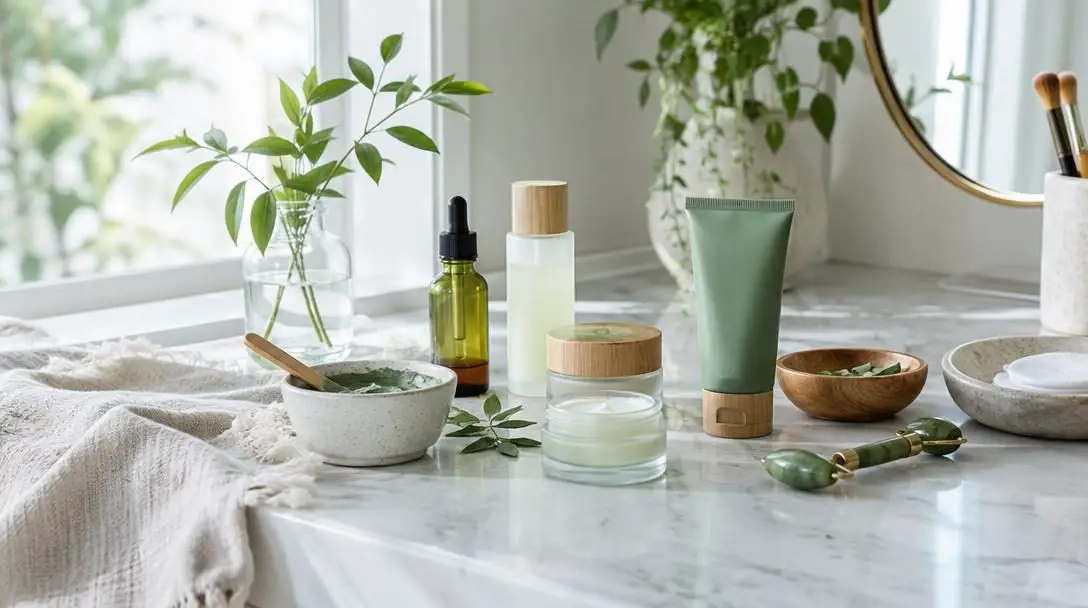
Walk through any modern department store, browse an online boutique, or scan the crowded aisles of your neighborhood drugstore, and you will see countless bottles, jars, and tubes stamped with the word clean. Marketers have turned the phrase into one of the most powerful sales drivers in the personal care industry, promising shoppers a healthier, more conscious way to care for their skin and hair. Yet behind the minimalist packaging and soothing color palettes lies an industry landscape fraught with ambiguity, where brands write their own rules and shoppers are left to decipher what is genuinely beneficial.
Because marketing teams use the term freely, an enormous amount of confusion and misinformation has formed around the beauty counter. Everyday shoppers often assume that a clean label represents a government-inspected guarantee, a binding promise of absolute purity, or an ironclad badge of gentleness for delicate skin. In reality, the cosmetic market is far more nuanced, blending legitimate consumer advocacy with unregulated commercial spin. Learning the actual science, manufacturing realities, and regulatory truths behind the buzzwords empowers you to look past marketing claims and choose personal care products that truly support your health and skin needs.
Key takeaways
- The term clean beauty lacks any standardized legal or governmental definition, leaving every manufacturer free to establish its own criteria.
- Clean beauty prioritizes user safety and non-toxic formulas, whereas green beauty concentrates on environmental sustainability and ethical sourcing.
- Natural ingredients are not inherently safe, nor are lab-created synthetic compounds inherently hazardous or inferior.
- Essential preservatives are required in liquid and cream formulas to prevent the rapid growth of dangerous mold, yeast, and bacteria.
- Plant-derived ingredients such as citrus extracts, essential oils, and natural fragrances are frequent culprits behind skin irritation and allergic dermatitis.
The regulatory void behind cosmetic marketing
The primary source of confusion for modern beauty consumers is the stark absence of regulatory oversight. In the grocery sector, a food producer cannot slap an organic label onto a carton of produce or a box of cereal unless the item satisfies explicit, clearly defined criteria established by regulatory authorities. Food items bearing certified seals must strictly abide by uniform farming, handling, and processing guidelines subject to outside inspection. If an agricultural business cuts corners, it risks legal penalties and the loss of its certification.
There is nothing like that for clean beauty. Because no governing body enforces labeling standards for clean beauty, any beauty product manufacturer can define for itself what the phrase means. One beauty company might use the term to indicate that they avoid a small handful of common irritants, such as artificial dyes or mineral oil. Down the aisle, another brand might use the identical clean label to market products that completely exclude hundreds of distinct components from an internal prohibited list. Neither brand is violating a standardized industry rule, because no formal definition exists across the cosmetic sector.
Despite the lack of legal enforcement, most cosmetic chemists and consumers generally agree on the core intent: clean beauty products must not contain any toxic ingredients, and the product label should honestly declare everything that is inside the formula. Many dedicated manufacturers voluntarily adhere to these principles, operating with exemplary integrity and complete transparency. Nevertheless, because there is no legal requirement compelling them to do so, everyday consumers must rely heavily on the individual reputation of the specific manufacturer to be ensured of a product that is truly clean.
Clean vs. green: sorting out the industry buzzwords
In retail displays and advertising campaigns, clean beauty and green beauty are frequently grouped together as if they were interchangeable concepts. While neither term enjoys a formal legal definition, there are distinct differences in their core characteristics that most industry experts agree on. Conflating the two can lead shoppers to purchase items that fail to align with their personal values or skincare goals.
Green beauty, like green goods in any other industry, is expected to be eco-friendly. Products that present themselves under the green beauty banner are usually plant-based, sustainably sourced, and produced without any cruelty to animals. These environmental and ethical characteristics are admirable, but they focus squarely on ecological stewardship rather than personal safety alone. It is entirely possible for a cosmetic product to be exceptionally green—packaged in biodegradable materials and pressed from sustainably farmed herbs—and still contain natural ingredients that are toxic or hazardous to human tissue.
Conversely, a beauty product can be completely safe for human use and yet fail to qualify as green. For instance, a formulation might contain animal products such as honey, beeswax, and silk. While these components are traditional, time-tested, and safe to apply to the skin, their presence means the formulation is not strictly vegan or entirely animal-free. Clean focuses primarily on the elimination of non-toxic risks for the user, whereas green focuses on environmental impact and animal welfare.
| Attribute | Clean Beauty | Green Beauty | Natural Beauty |
|---|---|---|---|
| Primary Focus | Human safety and non-toxic formulas | Environmental impact and animal welfare | Botanical and earth-derived ingredients |
| Regulatory Definition | None; defined by brand | None; defined by brand | None; loosely applied |
| Safe Synthetics Allowed | Yes, provided they are non-toxic | Rarely; leans plant-based | No; emphasizes raw botanicals |
| Animal-Derived Ingredients | Allowed (e.g., beeswax, honey, silk) | Excluded or strictly cruelty-free | Often allowed if natural |
| Preservative Approach | Utilizes safe, stable compounds | Focuses on eco-friendly preservation | Relies on botanical stabilizers |
The science of sourcing: natural vs. synthetic
A widespread assumption among consumers is that natural ingredients are inherently good, while synthetic ingredients are inherently bad. However, this simplistic view does not reflect the reality of chemistry. Natural substances are not automatically safe for application. After all, poison ivy and nightshade mushrooms are completely natural, but you certainly would not want to find them in your beauty products.
Clean beauty products must be non-toxic, but they are not called on to be all natural.
Modern science has developed a vast multitude of synthetic beauty ingredients that are perfectly safe. Laboratory-derived components allow chemists to achieve specific textures, stability, and functional benefits without carrying the impurities that raw plant extracts sometimes harbor. When plant extracts are harvested from nature, their chemical composition can vary significantly based on fluctuating weather, soil quality, seasonal rainfall, and extraction methods. This natural variation is why some botanical components can introduce unwanted impurities, degradation, or allergens into a formulation.
Synthetic counterparts, by contrast, are created through controlled chemical reactions. This predictable process produces identical molecules every single batch, completely free from the environmental contaminants that wild-harvested plants might carry. Because they are synthetic, scientists are continually working to improve and refine them in controlled laboratory environments, stripping away known allergens and irritants to ensure high tolerability.
Preservation science plays a critical role in how modern skincare functions. Liquid and cream formulas actively need some preservatives; without them, formulas quickly become unstable and turn into breeding grounds for harmful bacteria, mold, and yeast. A clean cosmetic relies on preservatives that keep the product shelf-stable without introducing toxic compounds into the skin. Safe synthetic stabilizers preserve the integrity of the formula, showing how modern chemistry directly supports personal hygiene and consumer safety.
Why clean does not always mean gentle
Another common misconception is that purchasing a clean product guarantees that your skin will not experience redness, itching, or inflammation. Clean beauty products are not necessarily more gentle than conventional cosmetics. Just as some people react poorly to synthetic ingredients, others do not get along well with certain natural ingredients. Several common clean beauty components are known to cause topical skin irritation and set off allergic reactions:
- Citrus extracts: Ingredients derived from lemon, lime, grapefruit, and bergamot contain volatile compounds that frequently spark topical sensitivity, irritation, and phototoxic reactions when exposed to sunlight.
- Essential oils: Highly concentrated plant distillates—such as tea tree, lavender, peppermint, and eucalyptus—contain potent chemical constituents that can trigger severe contact dermatitis in sensitive individuals.
- Natural fragrances: Blended aromatic plant resins and botanical distillates contain complex organic mixtures that can easily spark reactions, making them just as provocative to delicate skin as synthetic scents.
Conversely, plenty of synthetic ingredients are intentionally formulated to be hypoallergenic and are just fine for sensitive skin. Laboratory chemists can isolate a single calming molecule, leaving behind the complex cocktail of organic irritants that plants produce to protect themselves from pests. Just because a formula is marketed under a clean label does not make it universally safe for reactive, compromised, or allergy-prone skin types.
Five common mistakes cosmetic consumers make
When shopping for cosmetics, it is easy to fall into predictable traps set by persuasive advertising. Recognizing these common errors will prevent frustration, skin problems, and wasted money.
Assuming all natural substances are safe
Believing that nature only produces harmless substances overlooks the reality that many botanical extracts contain natural irritants, allergens, and phototoxic compounds. Natural origins do not equal biocompatibility, and plenty of dangerous compounds are produced by plants as natural chemical defenses.
Equating clean beauty with green beauty
Buying a product because it claims to be green does not automatically guarantee that it is safe and non-toxic for your skin barrier. Similarly, assuming a clean product must be vegan ignores the fact that clean formulations frequently use safe, skin-nourishing animal-derived components like beeswax, honey, or silk.
Fearing all synthetic preservatives
Avoiding preservatives entirely puts you at serious risk of applying contaminated, microbially degraded cosmetics to your face and eyes. Unpreserved water-based serums and lotions provide ideal conditions for microscopic pathogens to multiply rapidly.
Relying strictly on front-of-package claims
Assuming that terms like pure, clean, or botanical are vetted by a regulatory authority leads to false confidence. Front labels are marketing copy designed to drive sales, whereas the real composition of the product is found only on the back panel.
Ignoring individual skin tolerance and allergies
Believing clean formulas are universally gentle can lead to adverse skin reactions. Potent plant oils and concentrated botanical extracts can easily disrupt sensitive moisture barriers, regardless of whether a brand markets the formula as clean.
A step-by-step guide to vetting cosmetic products
Taking control of your personal care purchases requires moving beyond surface-level marketing slogans and looking directly at what goes into the bottle. Follow these five practical steps to build a safe, reliable, and effective routine:
- Read the full ingredient deck: Always look beyond the front label. Examine the official list of ingredients printed on the back of the packaging or the brand's website to identify what is actually present in the formulation.
- Familiarize yourself with manufacturer reputations: Because there is no governing body regulating the clean label, you must rely on the reputation of the specific manufacturer. Look for companies that demonstrate ongoing transparency and provide honest explanations for why they choose each component.
- Identify your personal triggers: If your skin is sensitive, watch out for natural irritants such as essential oils, natural fragrances, and citrus extracts, even if they appear in products marketed as clean.
- Embrace safe synthetics: Do not dismiss a product simply because it includes a laboratory-developed compound. Remember that preservatives are necessary to keep formulations stable and safe from dangerous bacteria.
- Perform a patch test: Before applying any new clean product across your entire face or body, apply a small amount to an inconspicuous area, such as your inner arm, to see if an allergic reaction or irritation develops.
Frequently asked questions
Does the government regulate clean beauty products?
No. There is currently no governing body or regulatory authority that legally defines or enforces standards for clean beauty labeling. Unlike the organic food industry, which requires certification and compliance with government rules, cosmetic companies are free to define clean according to their own internal marketing guidelines.
What is the main difference between clean and green beauty?
Clean beauty focuses primarily on human health and bodily safety by seeking to eliminate non-toxic risks for the user. Green beauty concentrates on environmental sustainability, cruelty-free manufacturing, and plant-based, eco-friendly sourcing. A product can be green yet contain skin irritants, or clean while containing animal-derived ingredients like honey.
Are synthetic ingredients worse for your skin than natural ones?
No. Laboratory-derived synthetic ingredients are often purer, more stable, and less prone to causing allergic reactions than natural plant extracts. Controlled synthesis produces uniform molecules free from the environmental contaminants, seasonal variations, and allergens that wild-harvested botanicals can introduce.
Why do clean cosmetics still need preservatives?
Water-based liquid and cream cosmetics require preservatives to prevent the growth of harmful bacteria, yeast, and mold. Without effective, safe preservatives, cosmetics quickly degrade and become breeding grounds for dangerous microbes that can cause severe skin and eye infections.
Can clean beauty products cause allergic reactions?
Yes. Clean products frequently use concentrated botanicals, including essential oils, citrus extracts, and natural fragrances, all of which are common triggers for topical irritation, redness, and contact dermatitis in sensitive individuals.
The bottom line
Despite the commercial confusion and lack of industry-wide regulation, the broader trend toward thoughtful cosmetic formulation is largely a positive development for consumers. There are plenty of reputable manufacturers who are genuinely dedicated to crafting products that are safe, non-toxic, and transparently labeled. The key to navigating this growing market is recognizing that the term clean on a bottle represents a brand's marketing stance rather than a legal standard.
As you evaluate your current product lineup, consider what matters most to your personal values and your specific skin type. If your priority is environmental responsibility, you may want to focus on green beauty characteristics such as cruelty-free practices and plant-based, sustainably sourced materials. If your main concern is bodily safety, your focus should center on non-toxic ingredients, stable formulations, and reputable brands that honestly declare everything inside their products. By understanding how cosmetics are made, looking past front-of-package slogans, and conducting simple patch tests, you can curate a routine that truly protects your skin and supports your long-term health.