Which Careers Will Still Be Viable In 20 Years?

Planning for long-term career viability requires looking closely at how society and technology interact. Over the past two decades, digital tools and changing economic priorities have reshaped industries across the globe. Looking forward twenty years, technological advances and automation will touch nearly every role, eliminating routine tasks while simultaneously creating new workplace dynamics.
While economic shifts and emerging software make predicting the workforce difficult, certain fields possess structural advantages that insulate them from replacement. Occupations that depend on nuanced human judgment, hands-on physical adaptability, complex design, or community protection will remain essential. Four sectors stand out as uniquely durable: health care, skilled trades, engineering, and the military.
Key takeaways
- Four primary sectors—health care, the skilled trades, engineering, and the military—are uniquely positioned to remain viable over the next twenty years.
- Technological advances frequently augment human workers by increasing productivity and precision rather than eliminating their positions entirely.
- Roles that operate in unpredictable physical environments or require fine motor skills are significantly harder and more expensive to automate than desk-bound routines.
- Demographic trends, such as an expanding and aging global population, guarantee sustained real-world demand for hands-on medical and infrastructural services.
- Long-term job stability requires adopting a mindset of continuous learning to master emerging diagnostic, digital, and mechanical tools.
Four Career Paths Built to Outlast Automation
When assessing which careers will survive the next two decades, the primary test is whether an automated system or computer program can realistically replace the human worker. The following four career sectors demonstrate that technology often reinforces the need for human expertise instead of making it obsolete.
| Career Field | Credential Requirement | Primary Driver of Demand | Relationship to Technology |
|---|---|---|---|
| Health Care | Certifications to advanced medical degrees | Growing and aging population demographics | Assisted by artificial intelligence and diagnostic computer systems |
| Skilled Trades | Industry certifications and apprenticeships | Ongoing maintenance of physical infrastructure | Supported by specialized mechanical and diagnostic tools |
| Engineering | Specialized degrees and technical coursework | Need to build, program, and maintain modern systems | Direct drivers and creators of automated solutions |
| The Military | Service training and technical qualifications | Sustained national defense and global security needs | Operated and supervised remotely by human personnel |
Health Care
- Core Driver: Expanding and aging demographic base
- Educational Scope: Professional certifications to doctoral medical degrees
- Key Roles: Doctors, nurses, clinical staff, and healthcare technology specialists
Health care is widely recognized as one of the most stable and reliable industries in the modern economy. While medical technologies, drug delivery methods, and procedural standards will shift over the next twenty years, the fundamental need for human intervention remains constant. A primary factor driving this endurance is global demographics: the overall population continues to grow, and existing populations are living longer, resulting in an unprecedented increase in the demand for long-term clinical care and treatment.
Far from eliminating healthcare jobs, advanced artificial intelligence and automated systems expand what healthcare providers can accomplish. Sophisticated algorithms assist physicians in recognizing patterns, diagnosing complex conditions, and prescribing individualized treatment courses. However, software cannot replace the empathy, physical dexterity, and critical bedside decision-making provided by nurses, doctors, and clinical support staff. As medical systems integrate more hardware and software, healthcare providers are expanding their hiring to include technical specialists alongside frontline medical practitioners.
Skilled Trades
- Core Driver: Non-routine maintenance of physical environments
- Educational Scope: Vocational credentials, trade apprenticeships, and licensing
- Key Roles: Carpenters, welders, plumbers, and specialized technicians
Skilled trades represent occupations focused on hands-on physical labor that requires specialized technical knowledge. Unlike many corporate positions, trade professions typically require vocational certifications or structured apprenticeships rather than four-year university degrees. This category includes essential workers such as welders, carpenters, electricians, and x-ray technicians whose day-to-day responsibilities cannot be distilled into standardized digital instructions.
Trades will remain durable over the next twenty years because they are inherently difficult to automate. A computer program cannot navigate a crawlspace to repair burst plumbing, and developing robots with the sensory perception and dexterity needed to frame custom architectural carpentry remains prohibitively expensive. Skilled tradespeople operate in non-standardized, constantly changing environments where tools serve to assist the worker rather than replace them. Furthermore, these professions are fundamentally recession-proof, as societies must maintain power lines, water systems, structural components, and medical equipment regardless of broader economic conditions.
Engineering
- Core Driver: Creation and maintenance of automated infrastructure
- Educational Scope: Technical coursework, design foundations, and engineering degrees
- Key Roles: Software engineers, mechanical specialists, and robotics designers
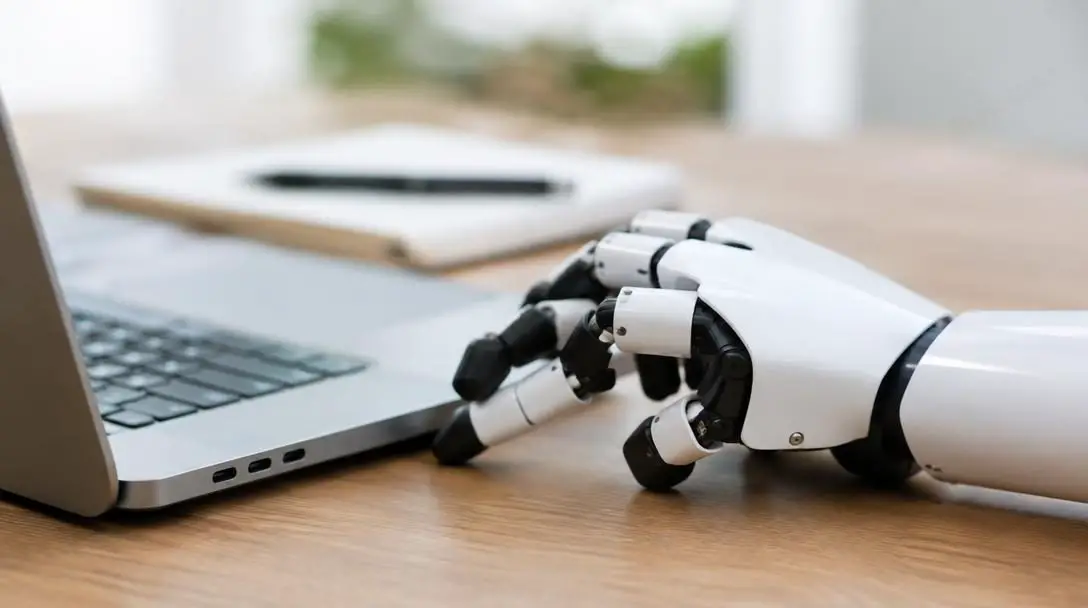
Engineering occupies a unique position in the modern economy because engineers design the very systems, artificial intelligence platforms, and robotic assemblies that automate other occupations. As technology permeates every facet of commerce, the demand for individuals capable of conceptualizing, programming, and maintaining advanced systems will continue to rise. Rather than being threatened by technological progression, engineers sit at the very center of it.
In many respects, engineering is evolving into an advanced trade that requires precise technical literacy to diagnose and fix complicated machines. Emerging infrastructure relies on a balance between digital code and physical hardware, meaning engineers must ensure that automated tools, energy grids, and manufacturing plants operate without failure. As long as businesses, governments, and communities demand more sophisticated technology, engineers will enjoy some of the brightest career prospects available.
The Military
- Core Driver: Persistent necessity of national defense
- Educational Scope: Military branch training, technical academies, and operational certifications
- Key Roles: Service personnel, communications specialists, and remote vehicle operators
National defense remains an enduring priority for societies worldwide. While international cooperation remains a universal aspiration, geopolitical realities indicate that professional military forces will remain necessary across the next twenty years. Although military careers are not suited to everyone, they offer reliable occupational longevity backed by comprehensive technical training and clear advancement pathways.
Modern military operations illustrate how automation transforms tasks without removing the human operator. A clear historical precedent occurred in 1912 with the introduction of the first autopilot flight; despite more than a century of automated flight systems, the technology has never eliminated the need for human pilots. Similarly, modern unmanned aerial vehicles (UAVs) do not operate independently; they are piloted and monitored remotely by trained service personnel. The specific equipment used in the military will continue to evolve, but human oversight, ethical responsibility, and strategic command remain completely irreplaceable.
In high-stakes fields such as health care and national defense, automated tools alter how duties are performed without removing the critical human judgment behind them.
The Mechanics Behind Long-Term Career Longevity
Understanding why certain professions endure while others decline requires examining how automation interfaces with real-world problems. Careers that survive major technological upheavals share specific structural characteristics that insulate them from digital obsolescence:
- Complementary technology: Durable fields use technology to expand worker capabilities rather than substitute for them. In medicine, diagnostic software speeds up image analysis, allowing practitioners to treat more patients effectively.
- Environmental variability: Automated machinery excels in structured, predictable settings like assembly lines. Roles that require navigating irregular physical spaces—such as residential plumbing or outdoor construction—present logistical challenges that software cannot solve.
- Economic practicality: Constructing, programming, and maintaining a humanoid robot capable of dynamic motor skills remains vastly more expensive than employing trained human technicians.
- Accountability and ethics: High-stakes choices involving human lives, national security, or legal liability necessitate human accountability. Automated systems cannot bear ethical responsibility for errors in care or tactical execution.
- System upkeep and repair: As society builds more machines, communication networks, and software platforms, the need for technicians and engineers to calibrate, troubleshoot, and repair those systems expands proportionally.
How to Prepare for an Enduring Career
Securing a position that remains relevant twenty years from now requires deliberate evaluation and focused skill development. Follow these sequential steps to align your capabilities with durable fields:

- Audit your daily trajectory: Review your current work responsibilities to determine whether they consist of routine, repetitive data processing or require dynamic problem-solving, emotional communication, and physical adaptability.
- Explore trade credentials: Look into vocational programs, community colleges, and union apprenticeships to learn requirements for high-demand licenses in welding, carpentry, electrical work, or medical imaging.
- Pursue healthcare qualifications: Evaluate entry points across clinical medicine, ranging from targeted imaging and laboratory certificates to comprehensive degrees in nursing, therapy, or medicine.
- Build engineering foundations: Develop foundational skills in mathematics, computer systems, and physical sciences to understand how to design, calibrate, and service complex hardware and digital networks.
- Investigate military technical tracks: Research how modern service branches deploy technical personnel, exploring specialties in remote vehicle piloting, communications infrastructure, and logistics management.
- Commit to ongoing technological literacy: Dedicate regular time to learning the new hardware, computer applications, and diagnostic equipment adopted by your industry instead of resisting operational updates.
Common Career Planning Pitfalls to Avoid
Navigating career longevity can easily go wrong if you rely on common cultural assumptions about work, degrees, and modern automation. Keep these major missteps in mind when making your career plans:
- Assuming automation eliminates all human roles: Technological integration rarely replaces an entire occupation overnight; instead, it eliminates routine duties while moving the human worker into an analytical, supervisory, or specialized capacity.
- Believing a university degree is mandatory: Many people overlook the trades under the mistaken impression that financial stability requires a four-year bachelor's degree. Skilled trade certifications offer direct entry into essential, well-compensated, recession-proof roles.
- Resisting new workplace tools: Working in a durable field does not mean your daily workflow will remain frozen in time. Healthcare practitioners, tradespeople, and military personnel who reject new software tools risk falling behind their peers.
- Overlooking demographic trends: Focusing solely on tech startups while ignoring basic population metrics causes job seekers to miss the sustained expansion of elder care, clinical diagnostics, and localized infrastructure services.
- Ignoring the need for physical maintenance: Digital applications cannot fix damaged physical infrastructure, cracked foundations, or malfunctioning electrical grids. The physical world always requires human hands to keep it running.
Strategic Considerations Before Making a Career Shift
As you assess your future, choosing the right industry requires matching macro-level trends with your individual situation. Evaluating the following operational factors will help narrow your focus:
Personal work environment preferences must guide your decision. Health care demands high interpersonal resilience, patience, and empathetic communication. Skilled trades require physical endurance, manual dexterity, and spatial reasoning. Engineering calls for abstract problem-solving, structured mathematics, and patient analytical design. The military demands self-discipline, adaptability, and an orientation toward team structure.
Educational investment and timelines vary dramatically between these pathways. A trade certificate or military entry pathway allows workers to earn wages rapidly with minimal student debt. By contrast, advanced engineering tracks or clinical medical roles require years of focused university study and higher upfront capital investments.
Geographic requirements also shape your career flexibility. Health care and the skilled trades exist in every population center, allowing you to find employment in almost any town, city, or rural district. Conversely, specialized engineering disciplines may concentrate near industrial or technological manufacturing hubs, while military assignments depend entirely on government defense postings.
Frequently asked questions
Will artificial intelligence replace medical doctors within 20 years?
No. While artificial intelligence and advanced diagnostic computer systems will help doctors identify illnesses and suggest treatment plans, they cannot replace the complex human judgment, clinical procedures, and bedside communication required in healthcare environments.
Why are the skilled trades considered recession-proof?
Skilled trades provide services that societies cannot defer, such as repairing ruptured pipes, fixing electrical grids, and maintaining structural integrity. Because these needs exist regardless of the economic climate, skilled labor remains in demand during downturns.
Do unmanned aerial vehicles eliminate the need for military pilots?
No. Unmanned aerial vehicles still require human pilots to control them, evaluate mission conditions, and make critical tactical decisions remotely. The role shifts from being physically present in the cockpit to operating the aircraft from a ground control station.
Do I need a four-year university degree to secure a long-term viable career?
No. Skilled trades such as welding, carpentry, and specialized diagnostic roles like x-ray technology require industry certifications and apprenticeships rather than four-year college degrees, while offering high stability and protection from automation.
How does an aging population impact career stability in health care?
An aging population naturally requires more frequent medical evaluations, treatments for chronic illnesses, and physical assistance. This demographic shift guarantees an expanding demand for nurses, doctors, and clinical technicians over the next two decades.
The Bottom Line
Preparing for the workforce of the next twenty years does not require guessing which consumer gadgets will be popular or chasing every short-lived digital trend. Instead, long-term security rests on foundational human needs: bodily health, physical infrastructure, technological creation, and collective defense. By acquiring verified certifications, mastering the digital tools that augment these essential fields, and recognizing the value of hands-on skill, you can build a resilient professional path that stands firm against technological displacement.