World’s Best Spots for Sport Fishing
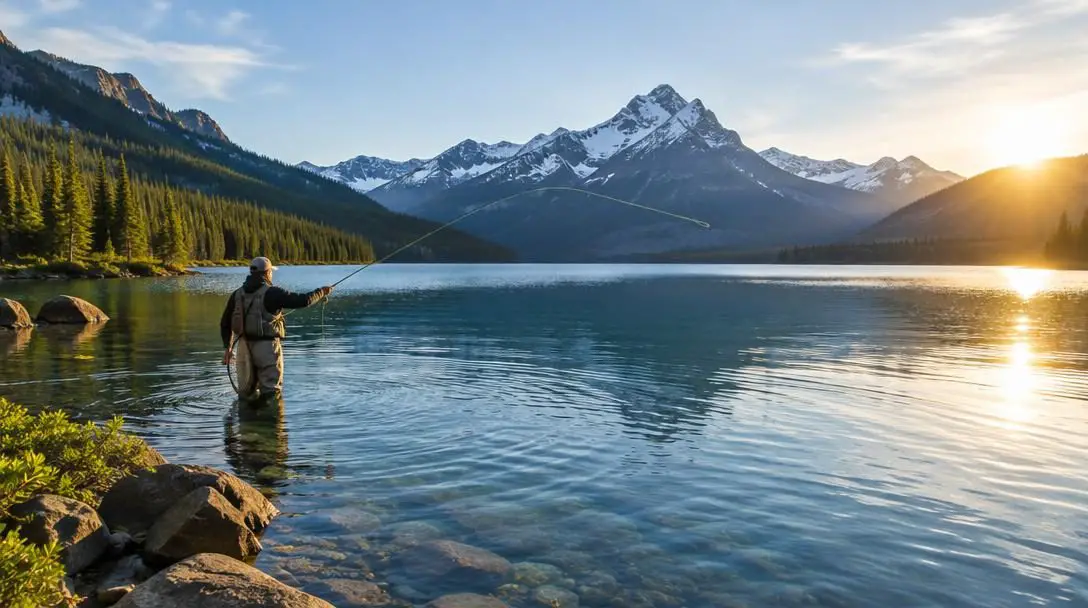
For centuries, adventurous anglers have ventured into open waters to test their skill, patience, and resolve against the most formidable ocean game fish on earth. What once existed as an arduous, resource-heavy enterprise restricted to commercial fleets or individuals with personal sea vessels has transformed into a globally accessible sport. Thanks to modern maritime navigation, dedicated charter operations, and professional championship circuits, outdoor enthusiasts can now reach the planet's richest ocean habitats with unprecedented ease.
The world's premier sport fishing grounds are shaped by rare underwater topography. Massive continental drop-offs, deep-sea trenches, coral barrier systems, and nutrient-dense ocean currents converge in specific waters, creating thriving corridors where apex pelagic species gather to feed. From the sun-drenched volcanic depths of the Pacific to isolated coral atolls in the Indian Ocean, discovering where these ocean titans assemble is the cornerstone of planning an unforgettable angling expedition.
Key takeaways
- Kailua-Kona, Hawaii, is the only place in the world where anglers can target 1,000-pound marlin at any time of the year.
- San Juan, Puerto Rico, serves as the grand finale for the Sport Fishing Championship and hosts the historic International Billfish Tournament every August.
- The Bahamas holds more than 50 official sport fishing world records across its archipelago of 16 principal islands.
- Cold-water fisheries like Prince Edward Island, Canada, offer short but intensely productive summer windows for giant tuna and mackerel.
At a glance: The world's top sport fishing waters
Choosing an offshore angling destination requires matching target species with regional ecosystems and seasonal peaks. The table below details the distinctive qualities that define the planet's premier deep-sea and flats destinations.
| Destination | Primary Region | Primary Game Species | Key Fishery Feature |
|---|---|---|---|
| Kailua-Kona | Hawaii, United States | Blue marlin (over 1,000 lbs) | Year-round access to 1,000-pound billfish |
| San Juan | Puerto Rico | Blue marlin, billfish | Famous Blue Marlin Alley and Billfish Pass |
| Lizard Island | Queensland, Australia | Giant black marlin, tuna, trevally | Great Barrier Reef outer shelf access |
| The Bahamas | Caribbean / Atlantic | Marlin, sailfish, tuna | Over 50 official fishing world records |
| Key West | Florida, United States | Marlin, tuna, kingfish | Diverse regional marina specializations |
| Prince Edward Island | Atlantic Coast, Canada | Giant bluefin tuna, mackerel | High-latitude cold-water summer fishery |
| Alphonse Island | Seychelles, Indian Ocean | Bonefish, trevally, milkfish | Remote flats and blue-water drop-offs |
Premier sport fishing destinations around the globe
Every major sport fishing destination provides a distinct angling atmosphere. While some regions center on intense deep-sea trolling for billfish, others offer delicate shallow-water wading across pristine flats.
Kailua-Kona, Hawaii
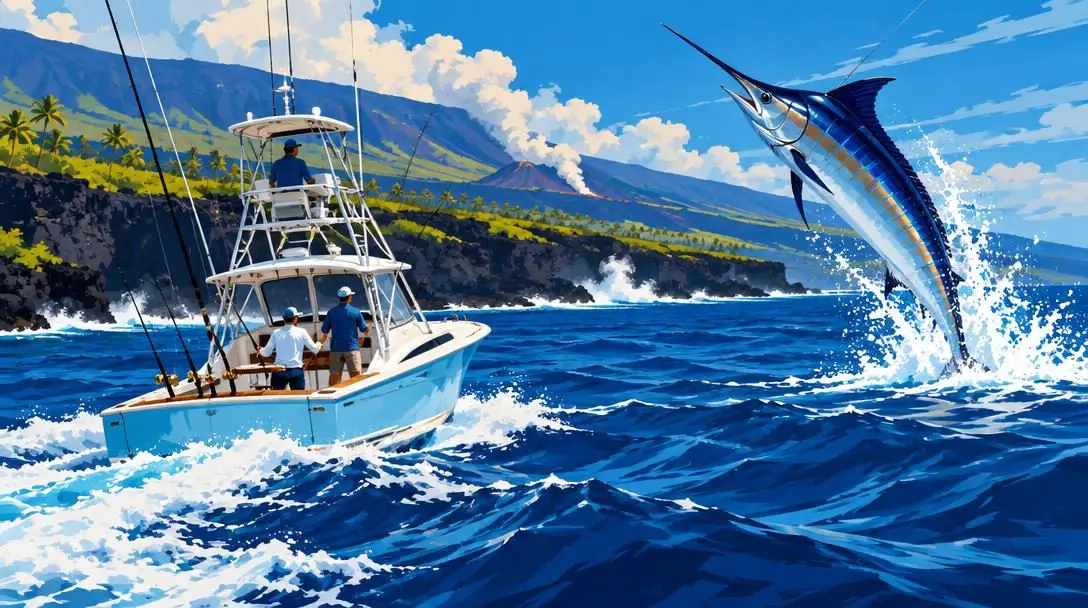
- Geographic Location: Big Island of Hawaii
- Target Species: Giant marlin (1,000+ pounds)
- Seasonality: Year-round availability
- Key Trait: Deep waters immediately offshore
Hawaii is celebrated as the premier state for sport fishing in the United States, largely due to its volcanic ocean floor that drops off precipitously just outside the harbor mouths. Kailua-Kona, situated on the western shore of the Big Island, stands as the undisputed center of Hawaii's big-game legacy. Fleets of professional charter vessels leave Kailua-Kona daily to navigate deep pelagic trenches in pursuit of colossal marlin.
What distinguishes Kona from every other big-game port on the planet is its exceptional combination of size and consistency. Anglers regularly encounter marlin exceeding 1,000 pounds, and these legendary fish can be encountered during any month on the calendar. Local crews emphasize that Kailua-Kona is the single destination on earth where anglers have a genuine chance of hooking a thousand-pound "grander" marlin all year long.
San Juan, Puerto Rico
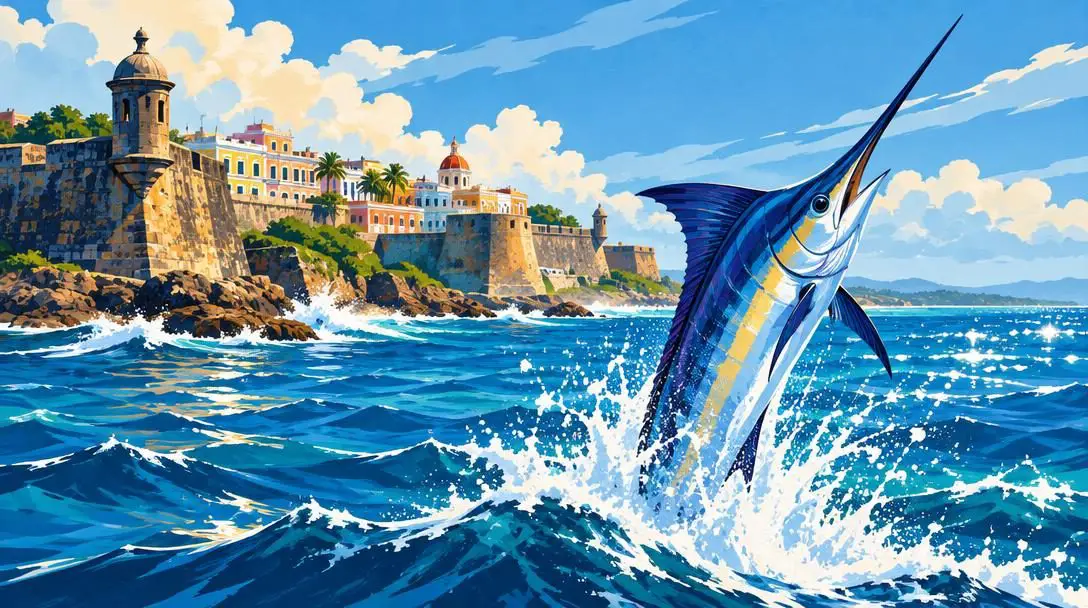
- Geographic Location: Northern coast of Puerto Rico
- Target Species: Blue marlin and diverse billfish
- Peak Season: May through September (August tournament)
- Signature Waterways: Blue Marlin Alley and Billfish Pass
San Juan is a vibrant capital city that doubles as a competitive battleground for pelagic billfish enthusiasts. The Sport Fishing Championship, the largest sport fishing organization in the world, deliberately concludes its high-stakes tournament season in the waters outside San Juan. The city is also home to the prestigious International Billfish Tournament held every August, an event that draws world-class teams when migration numbers peak.
The surrounding oceanic trenches have rightfully earned monikers like Blue Marlin Alley and Billfish Pass. While the August tournament is famous for yielding some of the largest specimens of the year, anglers can tap into exceptional action throughout the extended local season, which begins in May and continues through September.
Lizard Island, Australia
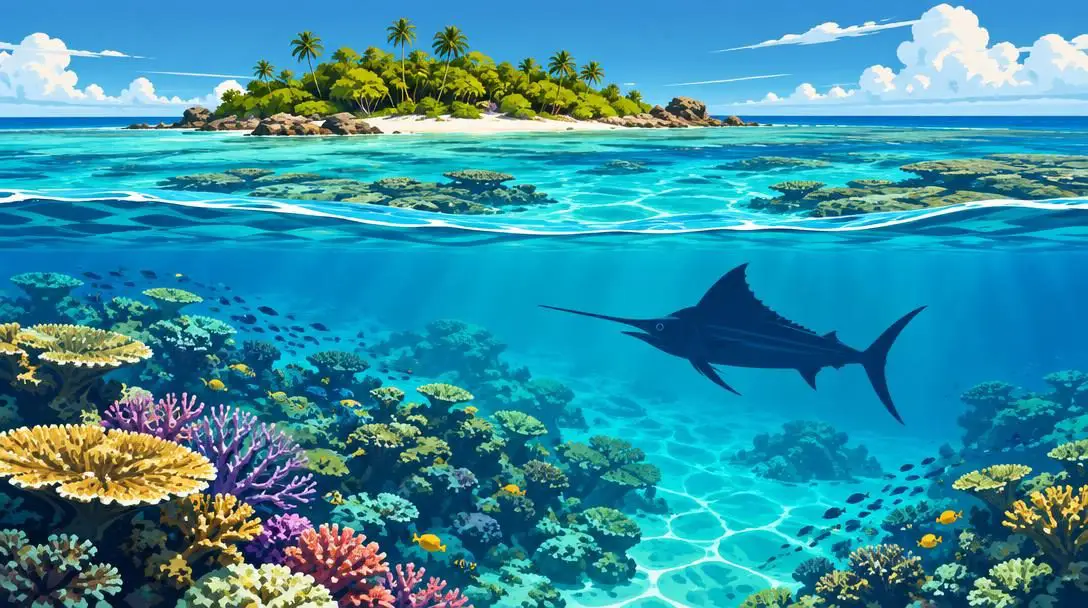
- Geographic Location: Great Barrier Reef, Queensland
- Target Species: Giant black marlin, tuna, queenfish, trevally
- Transit Time: 50 minutes offshore to outer drop-offs
- Park Status: Protected national park
Situated directly along Queensland's Great Barrier Reef, Lizard Island offers an extraordinary blend of natural isolation and heavy-tackle angling. The island itself is a protected national park famous for its flourishing population of native monitor lizards. Beneath the surface, the nearby shallow reefs provide constant action for species such as queenfish, trevally, and mackerel, catering to a wide variety of charter fishing styles.
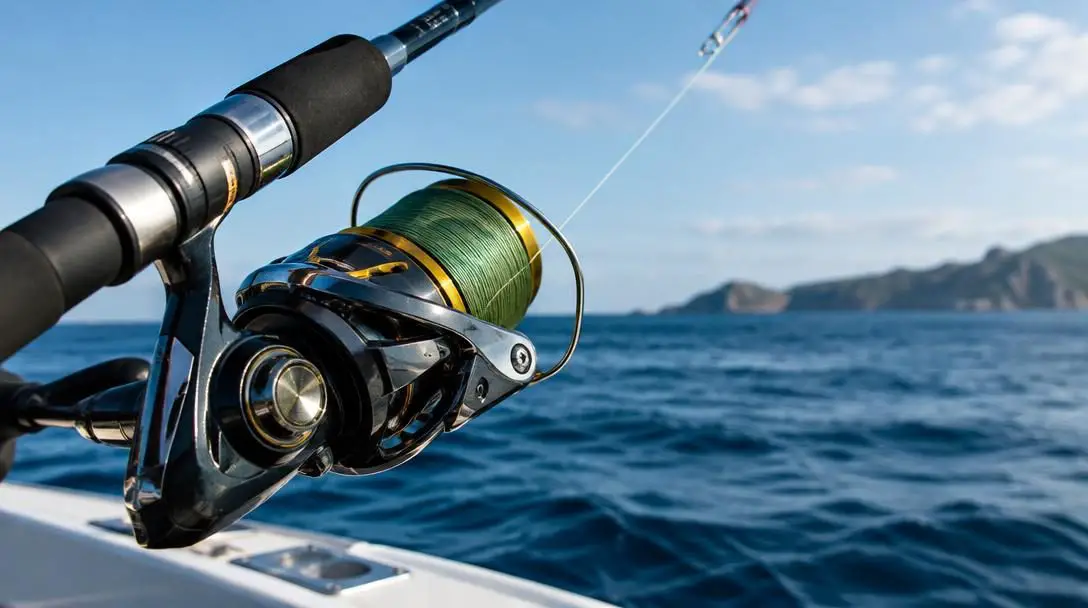
For anglers chasing world-class predators, Lizard Island serves as the launching pad for the outer reef shelf. A boat journey of roughly 50 minutes offshore brings vessels to the deep continental shelf, where giant black marlins and powerful ocean tuna feed along the reef barrier.
Unique underwater drop-offs and nutrient-rich currents turn select oceanic regions into undisputed capitals of modern sport fishing.
The Bahamas
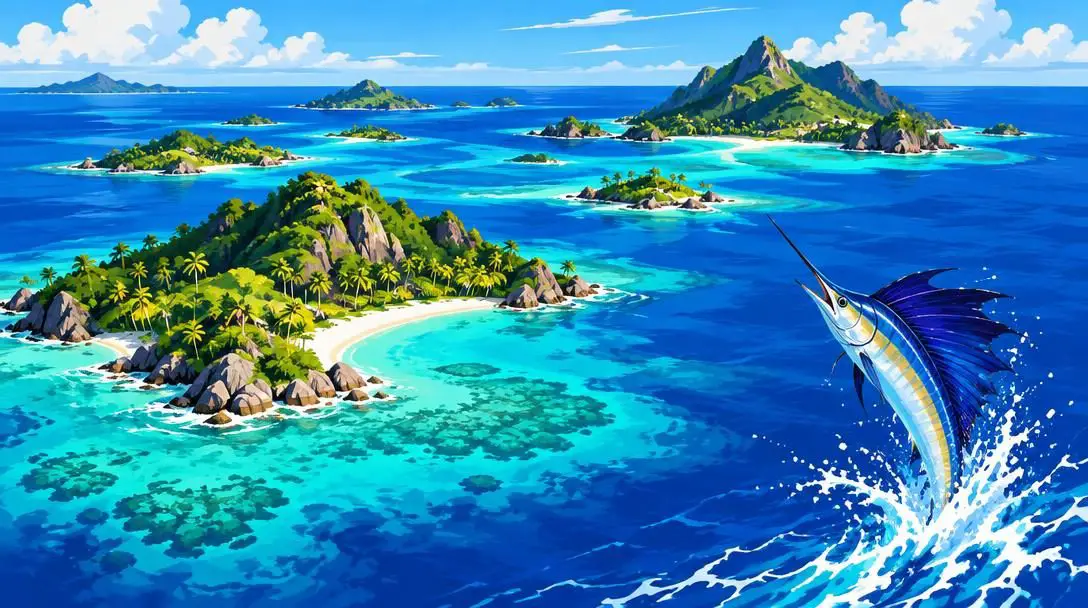
- Geographic Location: Atlantic archipelago of 16 principal islands
- Target Species: Marlin, sailfish, and tuna
- Record Hauls: Over 50 official fishing world records
- Accessibility: Cobalt blue deep water minutes from marinas
Spread across an archipelago of 16 principal islands, the Bahamas has long been one of the world's most iconic maritime destinations. Its crystalline waters drop rapidly from turquoise shallows into deep, cobalt-blue expanses that support massive aggregations of pelagic predators. The extraordinary fertility of these waters is evidenced by the more than 50 world fishing records registered throughout the island chain.
Anglers traveling to the Bahamas can challenge prestigious game species including marlin, sailfish, and tuna without enduring grueling offshore runs. Because deep oceanic drop-offs sit remarkably close to full-service marinas and luxury resorts, captains can deploy their trolling spreads within minutes of leaving the slip.
Key West, Florida
- Geographic Location: Florida Keys, United States
- Target Species: Marlin, tuna, kingfish
- Marine Life: Frequent sightings of wild surfacing dolphins
- Charter Network: Specialized regional marinas
Anchor of the Florida Keys, Key West provides one of the most accessible and high-energy sport fishing experiences on the American mainland. Every season, thousands of anglers travel down the Overseas Highway to trailer their own vessels or enlist the services of seasoned local charter captains. Key West provides dependable, year-round access to an enviable lineup of game fish, including marlin, tuna, and explosive kingfish.
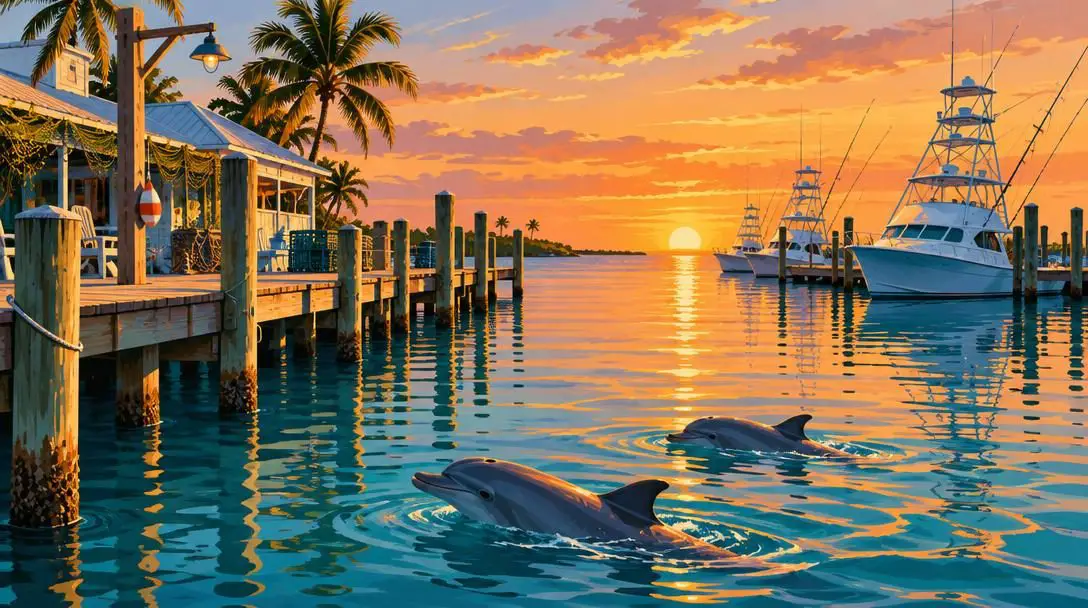
A day on the water in Key West frequently includes viewing wild dolphins surfacing across the surface channels. Because different regional marinas throughout Key West focus on completely distinct types of game fish and specialized habitats, visiting anglers often arrange multi-day trips to explore varied marine zones.
Prince Edward Island, Canada
- Geographic Location: Gulf of St. Lawrence, Atlantic Canada
- Target Species: Giant bluefin tuna and mackerel
- Season Length: Short summer window
- Local Economy: Driven primarily by commercial fishing and tourism
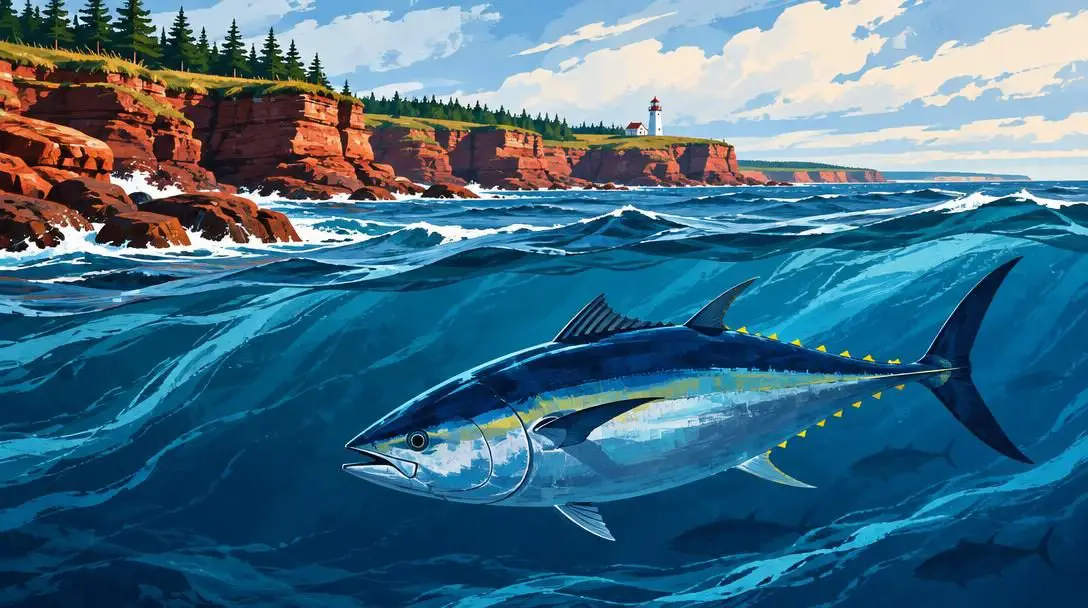
Prince Edward Island represents the cold-water frontier of big-game angling. As Canada's smallest province, the island depends heavily on commercial fishing and seasonal tourism to fuel its economy. The waters surrounding Prince Edward Island harbor some of the largest, heaviest tuna and mackerel found anywhere on earth, drawing big-game specialists who want to challenge massive northern ocean predators.
Due to the island's high-latitude northern climate, the offshore sport fishing season is noticeably compact compared to tropical fisheries. Charters operate during a concentrated summer window, utilizing heavy tackle to hunt massive pelagic fish that enter the nutrient-rich northern currents to gorge on schooling baitfish.
Alphonse Island, Seychelles
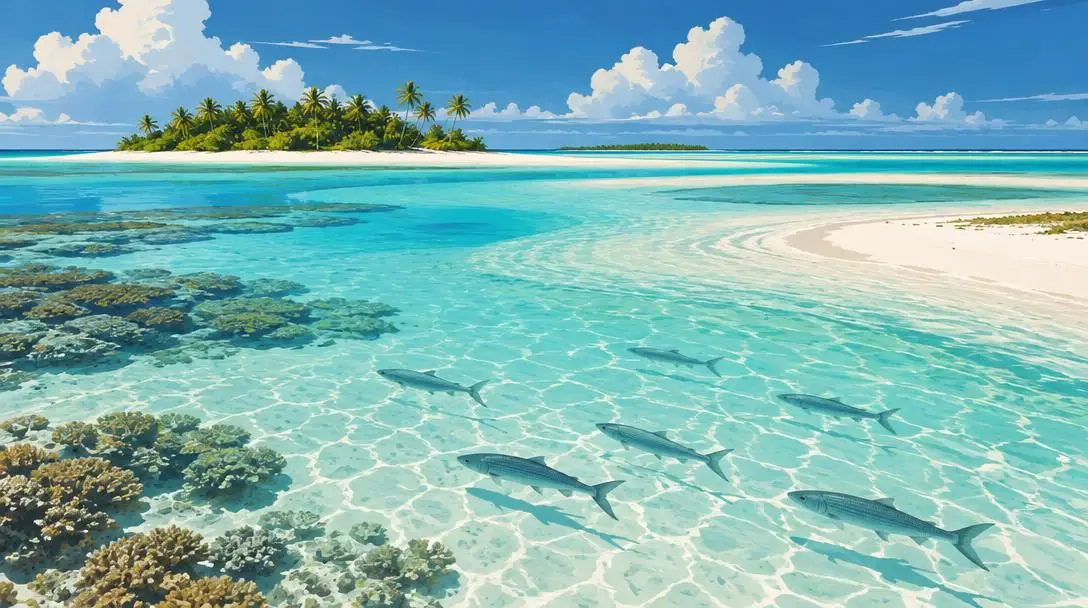
- Geographic Location: Seychelles archipelago, east of mainland Africa
- Target Species: Bonefish, trevally, milkfish
- Species Count: Over a dozen exotic ocean fish
- Angling Formats: Shallow flats wading and blue-water drops
Located in the Indian Ocean east of the African continent, Alphonse Island is an untouched saltwater paradise. While the eastern coast of Africa is often overlooked in global sport fishing discussions, the surrounding atolls of the Seychelles support an exceptionally diverse marine ecosystem with more than a dozen targeted game species.
Alphonse Island is especially celebrated for its shallow sand flats and coral lagoons, where anglers stalk bonefish, giant trevally, and hard-fighting milkfish on light tackle. Beyond the flats, steep blue-water drops provide immediate access to deep-sea ocean predators, giving anglers two entirely different world-class fisheries in a single remote location.
Mechanics of big-game ocean sport fishing
Succeeding on the open ocean requires a working knowledge of marine biology, ocean topography, and specialized tackle configurations. Catching fish of massive proportions involves distinct tactical principles that contrast sharply with tranquil freshwater angling.
Ocean game fish do not swim randomly across the sea; they concentrate along underwater topography. Submarine trenches, continental shelves, and barrier reefs force deep, nutrient-laden currents toward the surface. These upwellings support rich schools of baitfish, creating natural highways where pelagic predators systematically hunt.
To locate feeding fish across vast expanses of open water, offshore vessels rely on wide trolling spreads. The boat cruises at controlled speeds while trailing an array of artificial lures, rigged dead bait, or lively swimming baitfish at staggered distances and depths behind the transom. This spread imitates a scattered school of distressed prey, provoking aggressive surface strikes from cruising marlin, sailfish, and tuna.
Subduing a monster fish requires specialized fighting systems designed to minimize angler fatigue and protect tackle integrity. When targeting thousand-pound marlin or massive cold-water tuna, vessels employ heavy-duty fighting chairs bolted directly into the deck, paired with bent-butt trolling rods and wide-spool conventional reels. In shallower water or mobile fisheries, anglers utilize ergonomic stand-up harnesses that transfer the intense pressure of the battle away from the arms and directly into the legs and core.
How to plan a major sport fishing expedition
Organizing a successful ocean fishing charter requires proactive research and careful logistical coordination. Following these four structured steps will ensure your offshore trip delivers maximum time on the water.
- Align target species with seasonal migrations: Identify the specific fish you want to encounter and confirm that destination's peak biological window. If your goal is blue marlin in San Juan, target May through September, with August being ideal for tournament action. For Prince Edward Island tuna, restrict your planning to the short summer season.
- Select a specialized charter fleet: Research boats that specialize exclusively in your preferred species and fishing method. In diverse harbors like Key West or Lizard Island, specific captains dedicate their operations to particular target species; avoid booking generic sightseeing cruises if your priority is serious angling.
- Confirm vessel gear and regional licensing: Contact your chosen charter to clarify what equipment is included on the boat. Professional deep-sea outfits typically provide high-grade conventional tackle, terminal gear, bait, and local maritime permits, but remote atolls like Alphonse Island may require you to supply specific casting setups.
- Prepare for offshore ocean conditions: Long days on open water demand physical preparation. Pack polarized sunglasses to spot fish beneath the surface glare, appropriate sun-protective apparel, and reliable motion sickness remedies taken prior to leaving the dock.
Common mistakes to avoid on charter trips
Even experienced travelers can encounter difficulties when booking an offshore excursion. Watch out for these four common pitfalls:
- Assuming year-round availability across all destinations: While Kailua-Kona offers year-round opportunities for thousand-pound marlin, the vast majority of international fisheries operate around narrow seasonal peaks. Arriving in Prince Edward Island after summer or visiting San Juan outside marlin season will leave you with limited charter options and empty waters.
- Overlooking transit times to the fishing grounds: Not all fishing grounds are right outside the breakwater. While Bahamian drops sit close to port, fishing the Great Barrier Reef's outer shelf from Lizard Island requires an offshore transit of roughly 50 minutes each way. Account for travel times when evaluating charter schedules.
- Relying on arm strength instead of mechanical leverage: Trying to muscle a multi-hundred-pound billfish using arm strength alone leads to rapid exhaustion. Anglers must rely on the vessel's positioning, proper mechanical reel drag settings, and leg-driven leverage through fighting chairs or harnesses.
- Ignoring non-angling local attractions: Many of the world's finest fishing destinations are surrounded by extraordinary cultural and natural wonders. Neglecting to explore Lizard Island's national park trails or the historic streets of San Juan limits the overall travel experience.
Frequently asked questions
Where is the best place to catch a 1,000-pound marlin?
Kailua-Kona on the Big Island of Hawaii is widely considered the top location. It is the only place in the world where 1,000-pound marlin can be caught consistently at any time of the year thanks to its deep coastal waters.
What makes San Juan, Puerto Rico, famous among sport fishermen?
San Juan is famous for waters known as Blue Marlin Alley and Billfish Pass. It serves as the championship host city for the Sport Fishing Championship and holds the historic International Billfish Tournament every August during the peak of its May-to-September marlin season.
Why is the Bahamas credited with so many fishing world records?
The Bahamas features an archipelago of 16 principal islands where fertile, cobalt-blue pelagic trenches sit right next to shallow flats and protective barrier reefs, producing abundant populations of marlin, sailfish, and tuna that have yielded over 50 world records.
How long is the sport fishing season in Prince Edward Island?
Due to Prince Edward Island's high-latitude northern location in Canada, its deep-sea sport fishing season is noticeably shorter than tropical destinations, operating as a concentrated summer window focused on massive tuna and mackerel.
What types of fish can you catch at Alphonse Island in the Seychelles?
Alphonse Island offers access to more than a dozen exotic species. Anglers fish its shallow flats and blue-water drops for hard-fighting species like bonefish, trevally, and milkfish.
The bottom line
Modern sport fishing delivers an unmatched connection to the open sea, pairing modern maritime navigation with the raw power of the ocean's apex predators. Whether you seek the year-round grander marlin of Kailua-Kona, the high-stakes tournament waters of San Juan, the remote flats of Alphonse Island, or the summer giants of Prince Edward Island, matching your personal goals to the right marine environment is the key to an unforgettable ocean adventure. With careful seasonal planning, specialized charter selection, and respect for pelagic ecosystems, the world's premier fishing grounds offer angling thrills found nowhere else on earth.