5 Amazing Travel Experiences To Have Before You Die
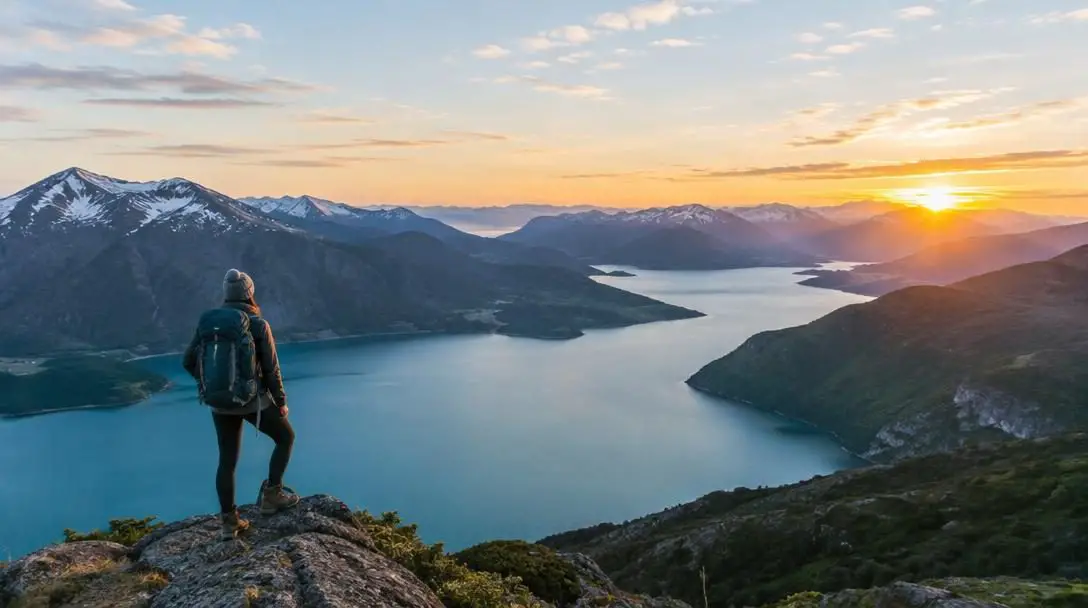
Standard vacations offer rest and relaxation, but transformative travel reshapes how you perceive the world. For travelers seeking profound adventure and awe-inspiring natural environments, the far reaches of our planet hold incomparable rewards. Whether descending into limestone chambers beneath the desert or witnessing auroras flare across frozen skies, stepping outside routine life offers lasting perspective.
From the polar extremes of the Arctic and Antarctic to the ancient stone monuments of early empires, certain destinations demand exploration. Setting out on these life-changing journeys requires understanding their unique environments, navigating complex logistics, and respecting the cultural and natural landscapes that make each location extraordinary.
Key takeaways
- Polar adventures in the Arctic and Antarctica showcase extreme light cycles, towering glaciers, and fragile polar ecosystems.
- Underground wonders like New Mexico's Carlsbad Cavern provide direct access to massive geological formations deep inside the earth.
- Cross-continental journeys through Morocco and Gibraltar combine remote Saharan dune trekking with historic maritime crossroads.
- Architectural wonders spanning the Americas, the Mediterranean, Africa, and Asia let travelers walk directly through human history.
- Careful seasonal timing, long-lead booking, and specialized gear are essential for navigating remote and rugged travel environments safely.
At a glance: Five extraordinary bucket-list journeys
| Destination | Primary Geographic Environment | Key Sights and Features | Optimal Timing Window |
|---|---|---|---|
| The Arctic Circle | Subpolar ocean and tundra | Aurora Borealis, midnight sun, coastal fjords | September or March for auroras; summer for Polar Day |
| Antarctica | Isolated frozen continent | Glaciers, penguin colonies, Cape Horn crossing | Southern hemisphere summer |
| Carlsbad Cavern | Subterranean limestone cave | 4,000-foot Big Room, elevator transit, sunset bat flight | Year-round underground; warm seasons for evening bats |
| Morocco and Gibraltar | Desert, mountain ranges, and coastal straits | Sahara dunes, Atlas mountains, souks, Barbary Apes | Shoulder seasons for moderate desert temperatures |
| Ancient Civilizations | Global archaeological heritage landscapes | Machu Picchu, Petra, Roman forums, stone pyramids | Varies by region and local climate patterns |
Five remarkable destinations for adventurous travelers
The Arctic Circle
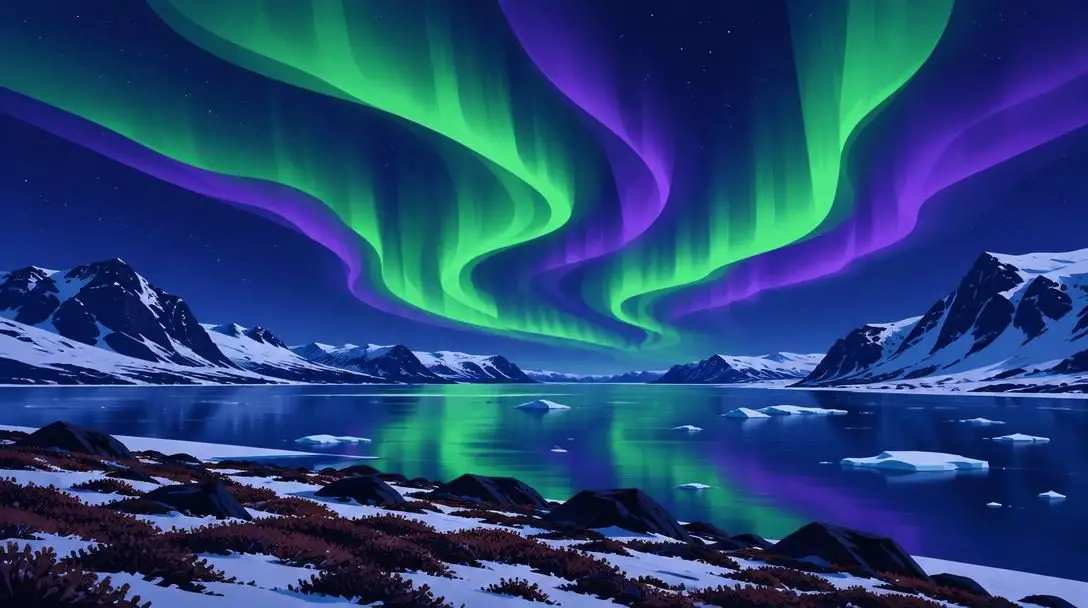
- Top viewing territories: Iceland, Greenland, Norway, Finland, Sweden, and Alaska
- Best aurora months: September and March
- Summer daylight duration: Up to four months without a sunset
Venturing north of the Arctic Circle takes you into one of the starkest, most luminous wilderness regions on Earth. During the winter months, visitors brave freezing temperatures to gaze upon the Aurora Borealis, which cascades through the night sky in vibrant curtains of green, violet, and gold. Planning your visit around September or March offers the greatest probability of catching brilliant displays, as these months typically combine heightened solar activity, crisp dark skies, and relatively stable weather.
Travelers choosing to visit during the Arctic summer encounter an entirely different natural wonder known as Polar Day. For up to four months, the sun never drops below the horizon, bathing rugged tundra landscapes and deep coastal fjords in continuous amber light. While the midnight sun eliminates any chance of spotting the northern lights, it provides round-the-clock daylight for hiking, coastal boat tours, and wilderness exploration across northern Europe and North America.
Antarctica
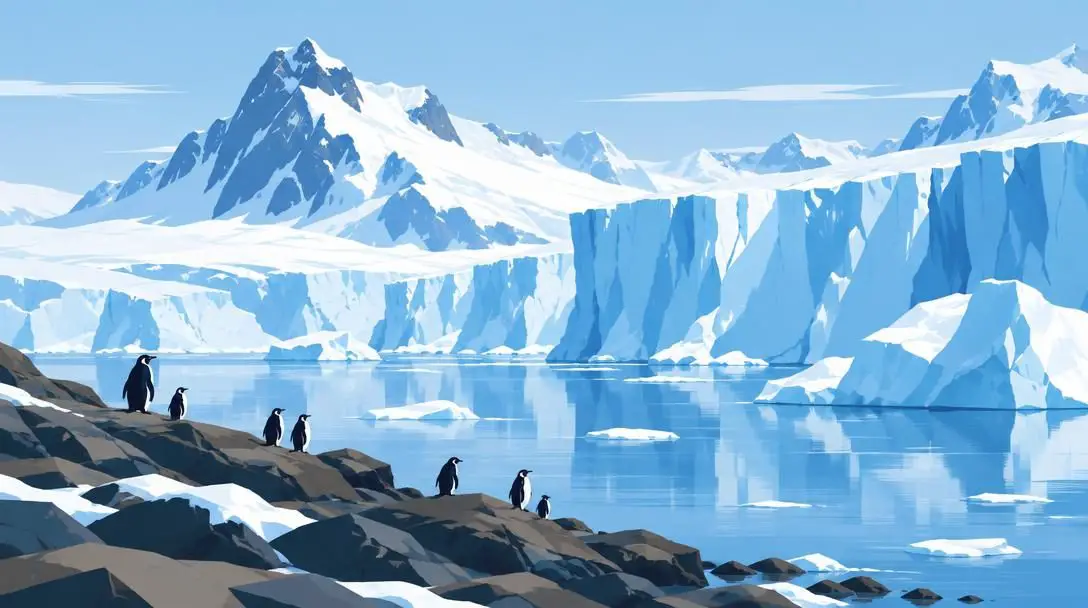
- Settlement status: No permanent human population; dedicated to science
- Gateway departure point: Ushuaia, Argentina
- Signature wildlife: Penguin colonies and marine life
Representing the final wild frontier, Antarctica remains completely free of permanent human towns, maintained under international agreements strictly for scientific research and environmental preservation. Because commercial access is closely monitored and carefully limited, visiting the frozen continent is a rare privilege. Authorized expedition cruises navigate turbulent southern waters to allow passengers to set foot directly on the vast ice sheets and barren rocky shores.
Most Antarctic voyages depart from Ushuaia, Argentina—celebrated as the southernmost city on Earth—before sailing past the rugged, wave-battered bluffs of Cape Horn. Once across the Drake Passage, visitors encounter towering blue glaciers, navigate ice-choked channels via small inflatable landing craft, and observe massive colonies of nesting penguins thriving along the windswept Antarctic Peninsula.
Carlsbad Cavern
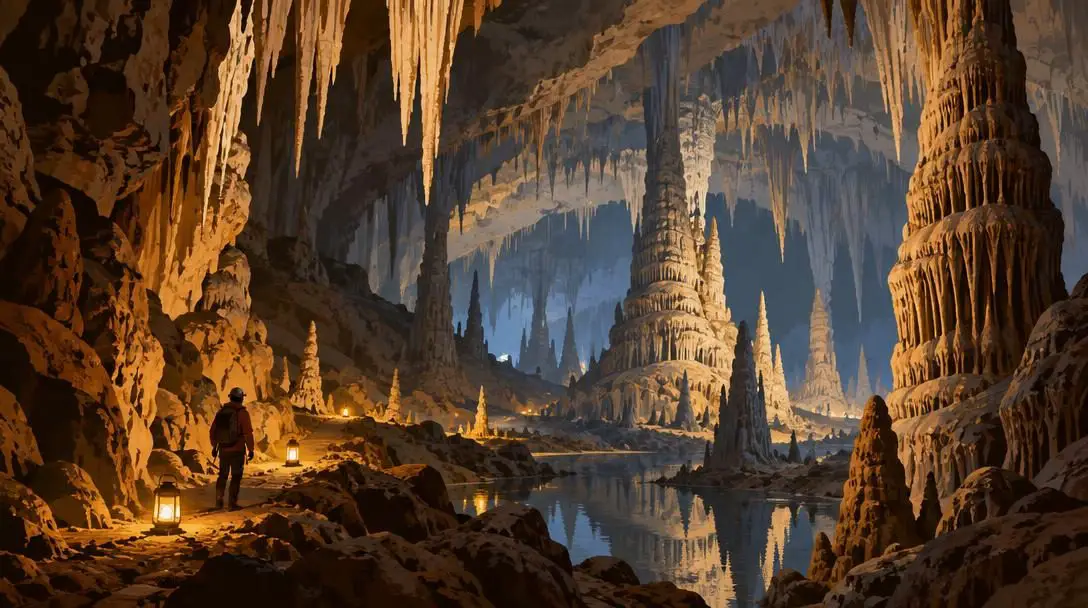
- Location: Southern New Mexico, United States
- Primary chamber: The Big Room, measuring 4,000 feet in length
- Subterranean amenity: Underground cafeteria accessible by elevator
You do not need to journey to polar extremes to encounter an alien environment; you can descend thousands of feet straight into the crust of planet Earth. Located within Carlsbad National Park in southern New Mexico, Carlsbad Cavern is universally regarded as one of the world's most spectacular cave systems. Its crown jewel is the Big Room, an enormous subterranean hall stretching 4,000 feet long, filled with intricate stalactites, stalagmites, and towering mineral draperies formed over millions of years.
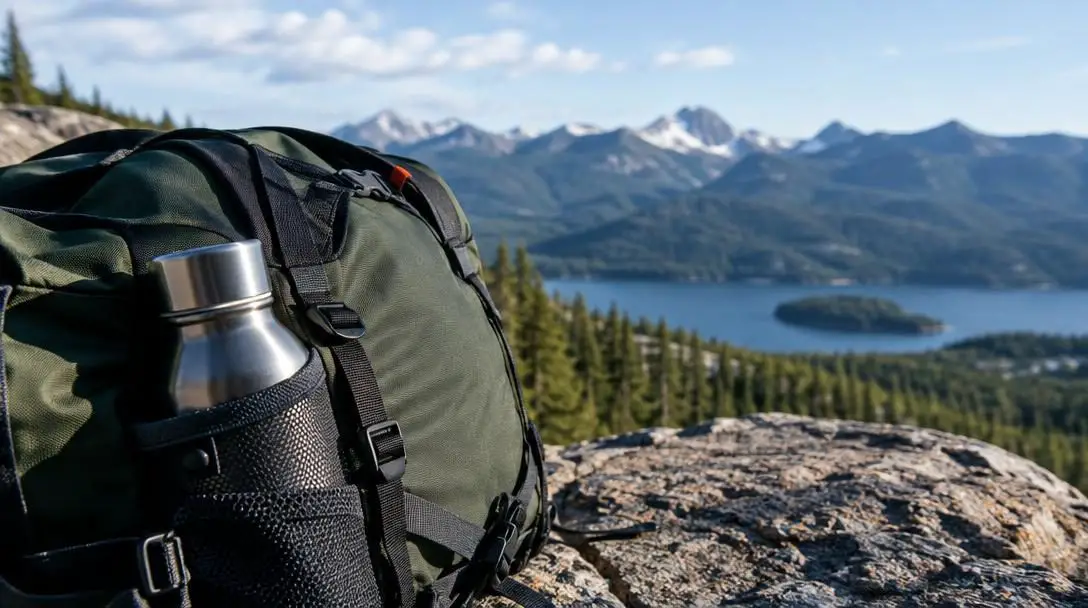
Modern engineering makes the cavern remarkably accessible. A high-speed elevator whisks visitors hundreds of feet down into the cool chambers, where they can walk along paved trails and even purchase a meal in an underground cafeteria. As dusk falls outside, thousands of bats swirl out from the cave's natural entrance in dense, spiraling clouds to hunt for insects across the desert landscape. Discovery remains ongoing in this subterranean wilderness, with a major cave chamber find recorded as recently as three years ago.
Morocco and Gibraltar
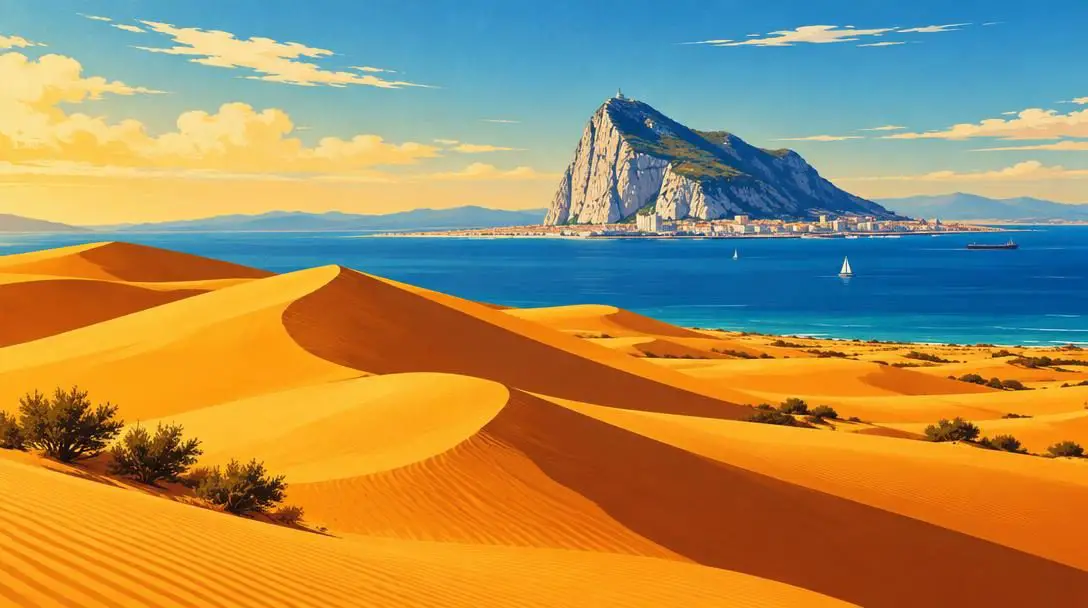
- Key desert feature: Vast shifting dunes of the Sahara Desert
- Mountain traverse: The rugged Atlas mountain range
- Unique wildlife: Barbary Apes residing on the Rock of Gibraltar
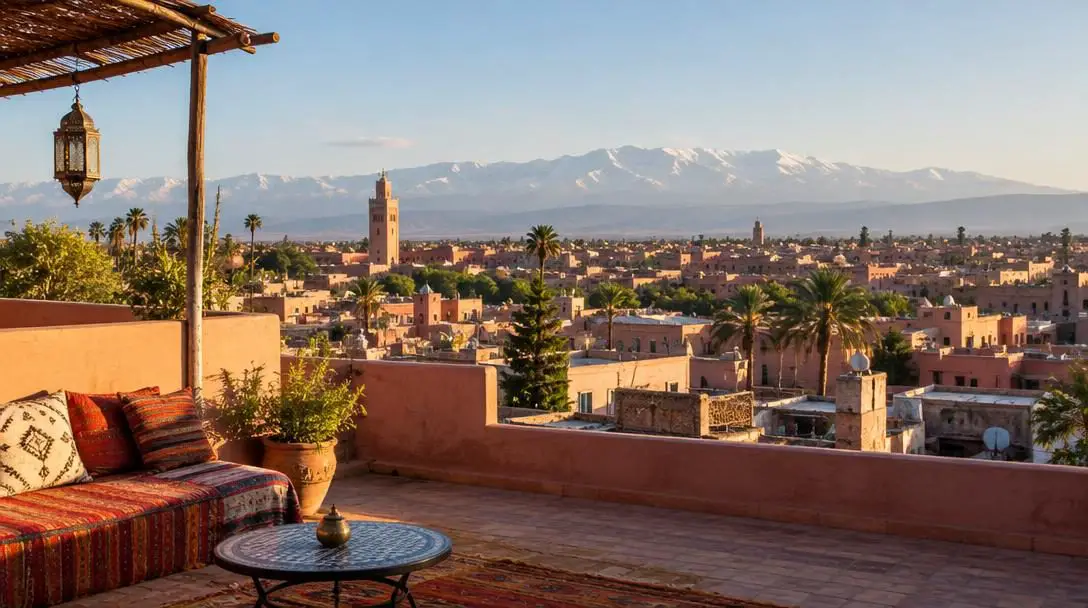
A journey through Morocco awakens the senses through an extraordinary mix of desert landscapes, historic trading towns, and deep Berber traditions. Many travelers explore the country by combining rugged four-wheel-drive jeep excursions with traditional camel treks. This approach enables you to traverse the jagged passes of the Atlas mountains, venture into the rolling sand dunes of the Sahara Desert, and share an evening meal and tea with welcoming Bedouin families in remote desert encampments.
Beyond the desert interior, Morocco's coastal regions and historic cities offer bustling souks packed with spices, textiles, and handcrafted goods. In Casablanca, visitors can relax at the legendary Rick's Cafe before heading north to conclude their adventure. A short ferry ride across the Strait of Gibraltar—the narrow channel dividing the Mediterranean Sea from the Atlantic Ocean—brings travelers to Gibraltar. This British territory features dramatic coastal views and the famous wild Barbary Apes that have lived atop the limestone rock for centuries.
Ancient Civilizations
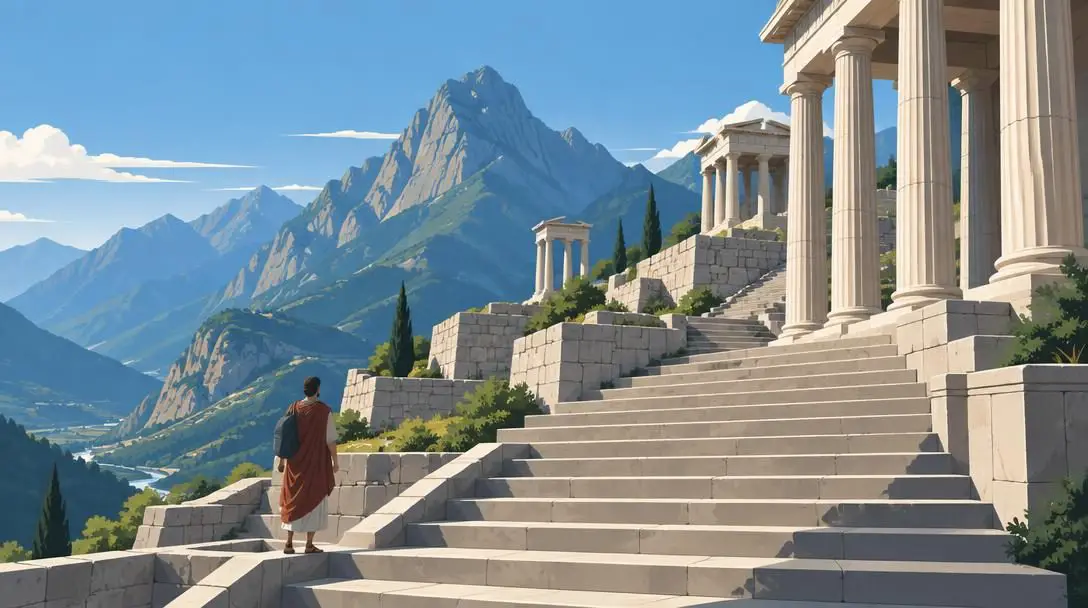
- Highlighted regions: South America, the Middle East, the Mediterranean, East Asia, and North America
- Iconic structures: Incan citadels, Nabataean facades, stone pyramids, and imperial palaces
- Conservation standard: Heavily regulated paths and designated heritage corridors
For lovers of history, architecture, and archaeology, walking through the architectural remains of ancient civilizations offers an incomparable thrill. In South America, travelers can hike high into the cloud forests of the Peruvian Andes to behold the stone terraces of Machu Picchu. In Jordan, the rose-red stone facades of Petra emerge from narrow desert canyons, showcasing the master engineering of the ancient Nabataeans. Farther west along the Nile, travelers encounter the towering temples, tombs, and colossal statues of ancient Egypt.
The journey through human achievement continues across every continent. You can explore sacred biblical landscapes in Israel, walk among the ruins of the Parthenon in Athens, or step into the sprawling Roman Forum and Colosseum. In East Asia, travelers can tour the expansive imperial palaces of Beijing, China. Closer to home in North America, the Southwest preserves ancient Native American cliff dwellings tucked beneath massive canyon overhangs, while Mexico showcases towering stone pyramids built by the Maya and Teotihuacan cultures.
Stepping outside your familiar comfort zone and following your curiosity across remote landscapes is the true essence of world travel.
Understanding the geography behind natural and historic wonders
Appreciating these extraordinary destinations requires recognizing the powerful geological and environmental forces that shaped them over vast periods of time. The polar regions, while superficially similar in their freezing temperatures, are geographic opposites. The Arctic is a frozen ocean surrounded by populated continents, where diverse indigenous cultures have lived alongside fluctuating light cycles for thousands of years. Antarctica, conversely, is an isolated continent surrounded by deep, stormy waters, preserved entirely from permanent settlement by international scientific consensus.
Subterranean systems such as Carlsbad Cavern illustrate the patient power of chemical erosion. Over millions of years, water laden with sulfuric acid carved out vast hollow chambers within Permian limestone reefs. These underground voids evolved into stable, sheltered habitats that now host intricate subterranean biomes and seasonal migratory bat populations. On the surface, desert and archaeological routes reveal how geography directly shapes human settlement. Ancient trade corridors across the Sahara Desert and urban centers carved into limestone cliffs show how human ingenuity has continually conquered harsh, arid environments.
How remote expeditions and archaeological visits operate
Embarking on transformative travel requires understanding the specific operational mechanics of each trip style. Travel to delicate or remote environments functions under vastly different rules than conventional resort tourism:
- Polar expedition operations: Journeys to Antarctica rely on ice-strengthened vessels adhering to international environmental treaties. Passenger landing numbers are carefully regulated, and shore transfers operate via rigid inflatable boats to prevent shoreline erosion and wildlife disturbance. In the Arctic, aurora viewing requires tracking solar wind speed and local barometric pressures to locate clear skies.
- Subterranean navigation: Commercial cave systems depend on engineered infrastructure. Carlsbad Cavern relies on structural elevator shafts, graded concrete pathways, low-impact lighting grids, and subterranean visitor facilities that allow safe movement hundreds of feet beneath the surface without damaging mineral deposits.
- Desert expedition logistics: Desert crossings in Morocco pair high-clearance four-wheel-drive vehicles with camel caravans. Motorized vehicles manage long, rocky traverses through the Atlas mountains, while camels navigate fragile, shifting sand dunes to reach low-impact Bedouin-style wilderness camps.
- Heritage conservation corridors: Major ancient monuments manage high visitor volumes using daily permit quotas, regulated entry time slots, and defined walking paths designed to protect ancient masonry and sandstone from accelerated wear.
Step-by-step guide to planning an extraordinary expedition
Transforming bucket-list dreams into a practical travel itinerary requires early preparation and rigorous planning. Follow these sequential steps to ensure your journey is seamless and safe:
- Determine your exact seasonal window: Align your travel calendar with the physical realities of the destination. If your goal is seeing the Aurora Borealis, plan for September or March. If you wish to visit Antarctica, target the southern hemisphere summer when sea routes are navigable.
- Secure permits and expedition bookings well in advance: Because polar cruise berths and historic landmark permits are strictly limited by international conservation policies, book your reservations nine to twelve months ahead of departure.
- Acquire specialized, destination-specific gear: Polar expeditions require technical multi-layered outerwear, thermal wool base layers, and insulated waterproof boots. Desert trekking demands loose, sun-protective fabrics and durable trail footwear, while cave excursions necessitate dependable headlamps and non-slip soles.
- Finalize documentation and evacuation coverage: Confirm your passport holds at least six months of remaining validity, secure necessary entry visas, and purchase comprehensive travel insurance policies that specifically include emergency medical evacuation from remote wilderness regions.
- Build physical endurance: Prepare your body for the physical demands of your chosen route. Incorporate regular cardiovascular exercise and walking on uneven terrain into your weekly routine to handle high altitudes, long cave climbs, and rugged desert walks comfortably.
Common travel mistakes to avoid
Expeditions to extreme or distant environments carry elevated logistical risks. Avoid these frequent mistakes to ensure your trip is memorable for the right reasons:
- Underestimating rapid temperature fluctuations: Failing to pack proper layers can leave you vulnerable. Polar air can cause severe cold exposure rapidly, while Saharan deserts experience dramatic temperature plummets as soon as the sun drops beneath the horizon.
- Overloading your itinerary: Attempting to string together too many distant sights across a single vacation causes physical exhaustion and superficial visits. Allow buffer days to absorb local culture, rest, and adapt to unexpected weather delays.
- Disregarding cultural protocols: Whether sharing an evening meal in a Bedouin community or visiting ancient religious sites, neglecting local customs, modesty guidelines, and etiquette can alienate local communities.
- Breaching environmental protection rules: Straying from marked trails, touching delicate cave formations, or stepping inside prohibited ruins damages irreplaceable heritage assets and can result in significant legal fines.
- Neglecting gradual acclimatization: High-altitude mountain destinations and intense desert heat require deliberate pacing, frequent rest breaks, and continuous hydration to avoid altitude sickness and heat-related exhaustion.
Frequently asked questions
When is the best time of year to view the northern lights?
The optimal months for viewing the Aurora Borealis in the Arctic Circle are September and March. These months provide an ideal combination of increased solar activity, dark nights, and relatively stable meteorological conditions across prime viewing destinations such as Iceland, Norway, Sweden, Finland, Greenland, and Alaska.
Can everyday travelers actually set foot on Antarctica?
Yes. Although Antarctica has no permanent civilian population and is dedicated primarily to scientific research, travelers can join authorized expedition cruises. These ice-strengthened vessels take passengers across the Drake Passage from Ushuaia, Argentina, and utilize small inflatable boats to conduct supervised shore landings among glaciers and penguin colonies.
What makes Carlsbad Cavern distinct from other caves?
Carlsbad Cavern features the Big Room, a massive natural limestone chamber measuring 4,000 feet long. The national park offers unique visitor infrastructure, including modern elevator access directly into the cavern and an underground cafeteria. It also hosts thousands of bats that exit the cave in dense swarms at sunset, alongside ongoing exploration that yielded a major discovery just three years ago.
How do travelers transition from Morocco to Gibraltar?
After exploring Morocco's desert dunes, Atlas mountains, and coastal cities, travelers can take a short passenger ferry across the Strait of Gibraltar. This maritime crossing links North Africa directly with Gibraltar, a British overseas territory known for its iconic limestone rock and resident population of wild Barbary Apes.
What types of ancient civilization sites offer the best experiences?
Travelers seeking ancient history can choose from diverse global destinations depending on their interests: Incan mountain architecture at Machu Picchu in Peru, rock-carved desert cities in Petra, riverside temples along the Nile in Egypt, classical forums and temples in Rome and Athens, imperial palaces in Beijing, Native American cliff dwellings in the American Southwest, or monumental stone pyramids in Mexico.
The bottom line
Embarking on transformative travel requires curiosity, respect for natural environments, and thoughtful preparation. Whether your ambition draws you to the shimmering night skies of the Arctic Circle, the icy isolation of Antarctica, the subterranean depths of Carlsbad Cavern, the desert trails of Morocco, or the monumental ruins of ancient civilizations, these extraordinary destinations reward those who step outside their comfort zones. By respecting the natural forces that created them, honoring local communities, and planning carefully, you can turn once-in-a-lifetime travel dreams into enduring reality.