The Best Food Markets Around the World: Explore Local Cuisine and Flavors
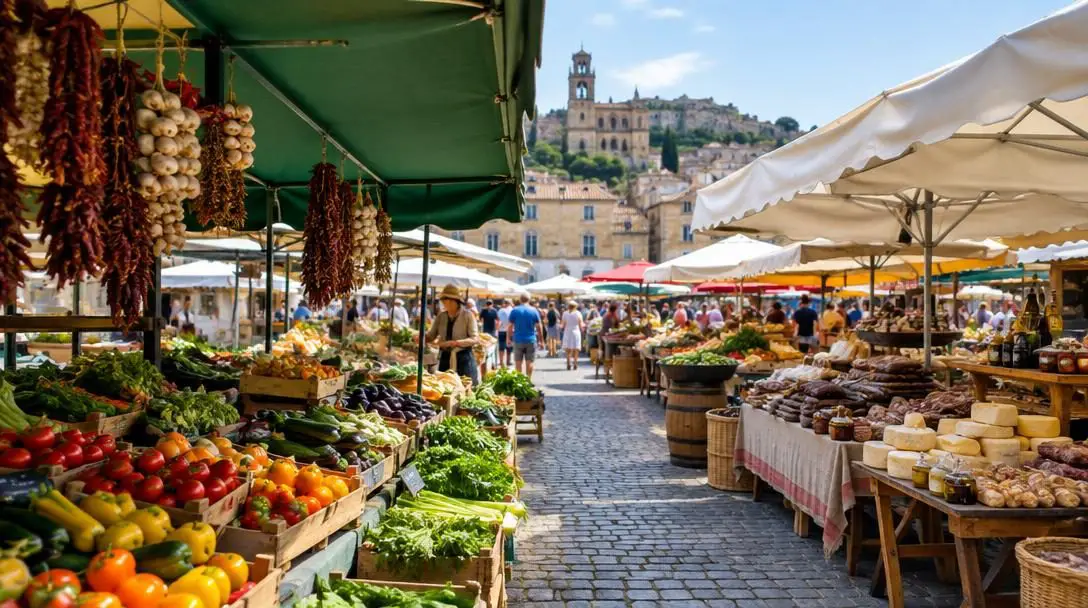
Stepping into a traditional food market connects travelers directly with the culinary soul of a city. Long before modern grocery chains introduced endless aisles of plastic wrapping, uniform lighting, and centralized corporate distribution, public trading halls served as the vital heartbeat of civic life. In these bustling spaces, growers, butchers, fishmongers, and bakers sell seasonal harvests and time-honored preparations directly to their neighbors.
Across the globe, distinct historic marketplaces have survived fires, modern redevelopment, and shifting retail habits by remaining true to their core mission: celebrating authentic, high-quality regional food. From historic cast-iron municipal halls to dynamic Silk Road trading grounds, exploring legendary food markets offers an unmatched sensory introduction to world cuisines and living cultural traditions.
Key takeaways
- Historic food markets preserve centuries of culinary heritage, regional biodiversity, and face-to-face commerce that modern supermarkets cannot replicate.
- Market models vary from daily permanent halls and specialized wet markets to weekly gathering grounds operating on historic trade routes.
- Iconic destinations like Borough Market, St. Lawrence Market, and the English Market survived urban declines through strategic grassroots restorations.
- Navigating these hubs successfully requires verifying specific operating days, carrying local cash, and timing visits around morning restocking and midday food service.
At a glance: Legendary food markets around the world
Each historic food destination offers a distinct architectural setting, operational cadence, and culinary focus shaped by its geographic origin and local community needs.
| Market Name | Location | Established / Opened | Operating Schedule | Key Specialties |
|---|---|---|---|---|
| St. Lawrence Market | Toronto, Canada | 1845 | Year-round | Artisanal goods, meats, baked items |
| Mercado De La Merced | Mexico City, Mexico | Historic origin | Daily | Chilies, indigenous produce, street cuisine |
| Borough Market | London, United Kingdom | 11th century | Weekly schedule | British produce, charcuterie, baked goods |
| Kashgar Market | Kashgar, China | Historic Silk Road | Sundays only | Livestock, silks, spices, grilled meats |
| Union Square Greenmarket | New York City, USA | Mid-1970s | Four days per week | Seasonal farm produce, cheeses, orchard ciders |
| Mercado Central | Santiago, Chile | 1872 | Daily year-round | Fresh maritime seafood, traditional restaurants |
| Or Tor Kor Market | Bangkok, Thailand | Modern era | Daily | Premium tropical fruits, pastes, food court |
| Rue Mouffetard Market | Paris, France | Historic street | Daily except Monday | 200+ cheese varieties, artisan baguettes, cured meats |
| Spice Bazaar | Istanbul, Turkey | 1660 | Daily | Aromatics, dried seasonings, sweets, teas |
| English Market | Cork, Ireland | 1788 | Daily except Sunday | Fresh fish, butcher cuts, organic items, wine |
Ten legendary markets across the continents
Public markets provide an unfiltered look into the pantry of a country. Whether set beneath vaulted Victorian iron arches or laid out along ancient stone cobblestones, these ten destinations stand out for their historic endurance and community importance.
St. Lawrence Market
- Location: Toronto, Canada
- Original Construction: 1845
- Total Area: Over 111,000 square feet
- Levels: Two distinct floors
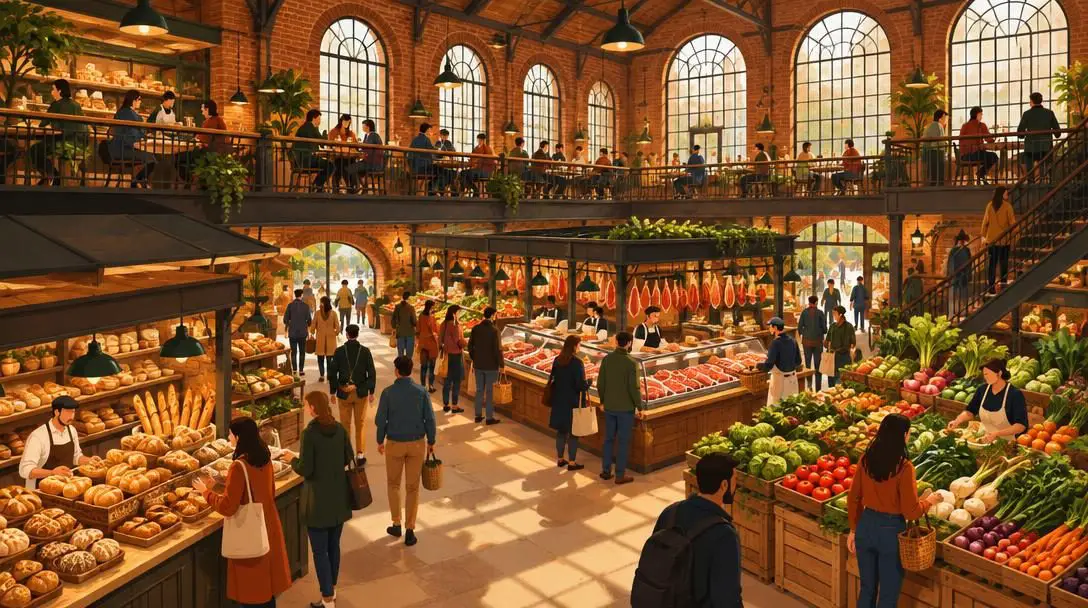
In 1845, the burgeoning municipality of Toronto erected a grand city hall. Following the municipal government's relocation near the dawn of the twentieth century, the historic landmark was repurposed into what is now the internationally renowned St. Lawrence Market. Spanning more than 111,000 square feet across two levels, the market underwent an extensive modernization campaign during the 1970s. This careful renovation updated municipal amenities while preserving the complex's authentic nineteenth-century brick architecture.
Today, the sprawling retail hall houses dozens of specialty food merchants, family butchers, fishmongers, and bakers. Visitors encounter an environment that combines the scale of a major commercial center with the personalized service of independent purveyors, making it a primary supplier for both neighborhood residents and regional home cooks.
Mercado De La Merced
- Location: Mexico City, Mexico
- Market Designation: Largest retail market in Mexico City
- Culinary Signature: Indigenous produce, spices, and fresh chilies
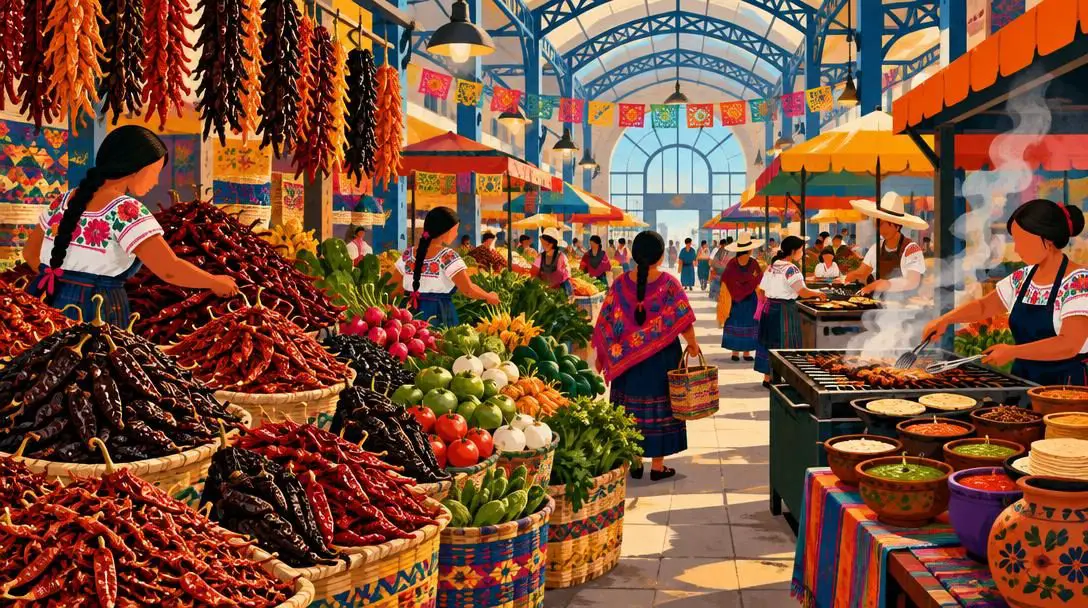
Standing as the premier retail marketplace in Mexico's sprawling capital, Mercado De La Merced was once so vast that commercial activity spilled over an entire city neighborhood. Historically serving as the commercial core for arriving wholesale items, La Merced today remains an essential destination for anyone eager to explore authentic Mexican gastronomy at affordable prices.
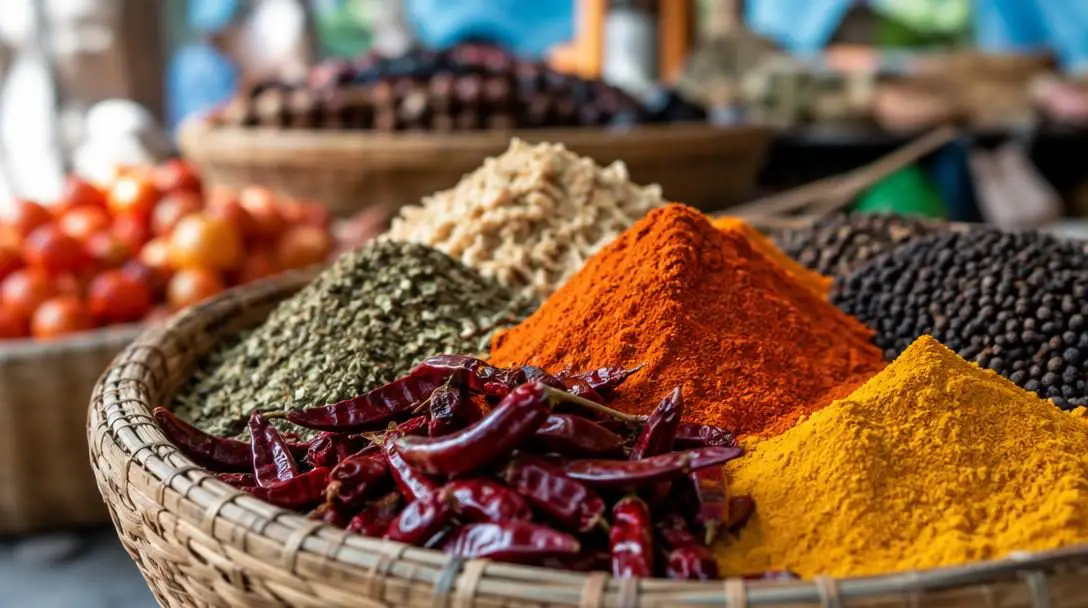
The market's maze of covered walkways features mounds of dried and fresh chilies, indigenous herbs, fresh produce, and handmade spice blends. For locals and travelers tired of standard resort dining, the market operates as a vibrant culinary alternative where traditional street foods are prepared fresh across hundreds of open-flame cooking stalls.
Borough Market
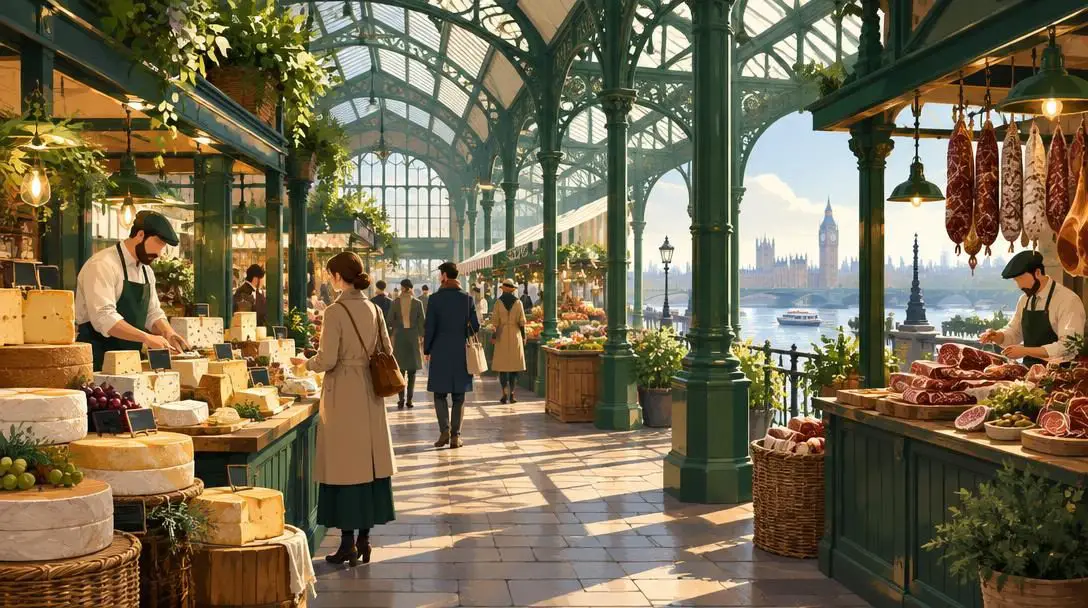
- Location: London, United Kingdom
- Origin Date: Early 11th century
- Geographic Setting: Alongside the River Thames
With a documented lineage stretching back to the early eleventh century, London's Borough Market ranks among the most ancient surviving trading places in Europe. Operating along the southern banks of the River Thames, it served as an essential commercial artery through medieval times, receiving livestock, produce, and imported cargo directly from river barges.
During the twilight decades of the twentieth century, shifting industrial shipping patterns caused customer foot traffic and vendor occupancy to decline sharply. However, a coordinated revitalization plan in the late 1990s restored the historic green cast-iron halls to their former prominence. Borough Market now functions as an international gastronomic center, offering farm-fresh British meats, regional cheeses, specialty baked items, and street-food stalls representing diverse worldwide cuisines.
Kashgar Market
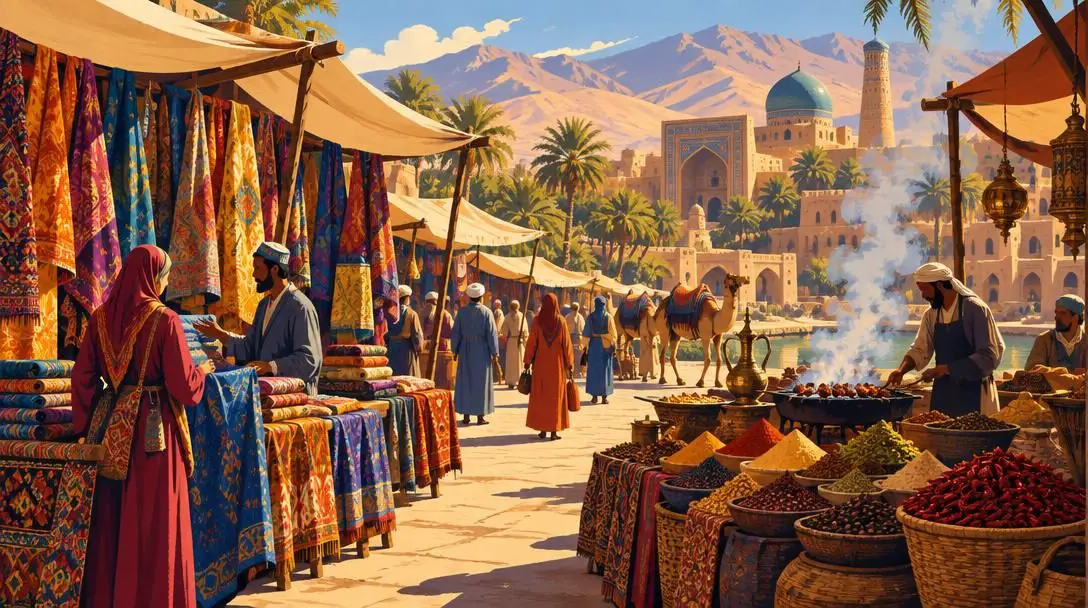
- Location: Kashgar, China
- Trading Day: Sundays only
- Historical Context: Historic Silk Road trading oasis
Operating exclusively one day each week, the Sunday bazaar at Kashgar presents a living link to the legendary Silk Road trade routes. Every weekend, thousands of farmers, traders, and artisans travel from surrounding desert oases and rural villages to buy and sell in vast open-air grounds and temporary pavilions.
The bazaar serves as an indispensable anchor for the regional economy. Visitors encounter an astonishing variety of goods, ranging from farm livestock and handwoven regional silks to raw minerals, knives, and precious jewelry. Amid the trading, street-side charcoal grills continuously turn out regional breads, skewers, and steaming noodle bowls, filling the air with woodsmoke and fragrant regional spices.
Union Square Greenmarket
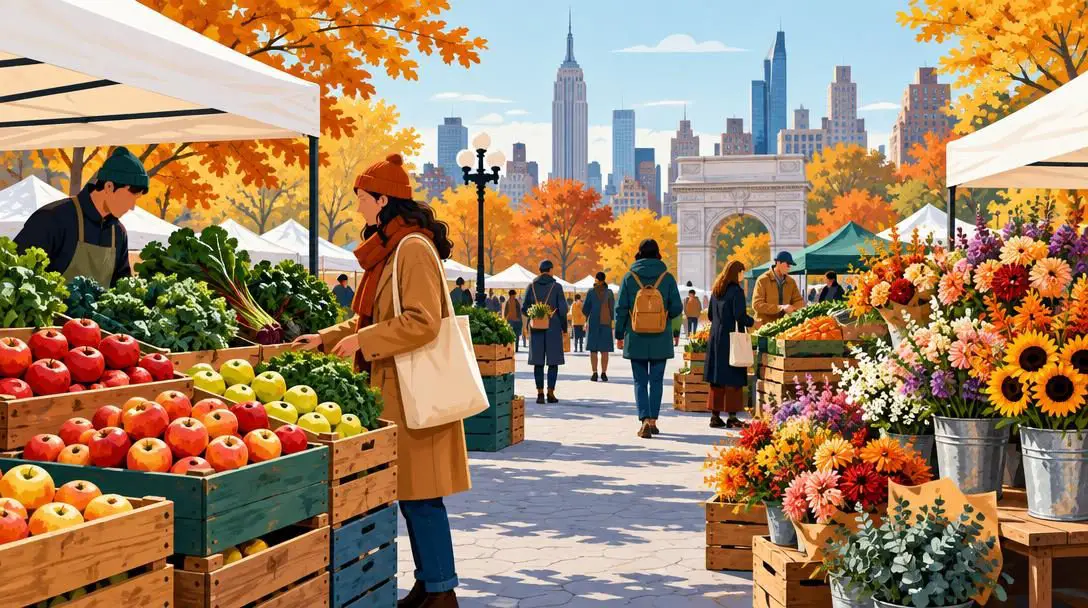
- Location: New York City, USA
- Founded: Mid-1970s
- Frequency: Four days per week
- Peak Vendor Count: More than 100 regional producers
Conceived in the mid-1970s as an experimental bridge between struggling regional family farms and urban consumers, the Union Square Greenmarket has grown into an internationally respected model for sustainable urban food distribution. Operating on four designated days each week in the center of Manhattan, the open-air square hosts more than one hundred regional growers during its peak harvest periods.
The market provides local households and celebrated chefs with direct access to freshly harvested fruits, heirloom vegetables, small-batch farmstead cheeses, wild-caught coastal seafood, cut flowers, and cold-pressed orchard ciders. By eliminating intermediaries, the market keeps rural agricultural acreage viable across neighboring states.
Traditional food markets connect communities directly with the land, transforming everyday grocery shopping into a living cultural celebration.
Mercado Central
- Location: Santiago, Chile
- Inauguration Year: 1872
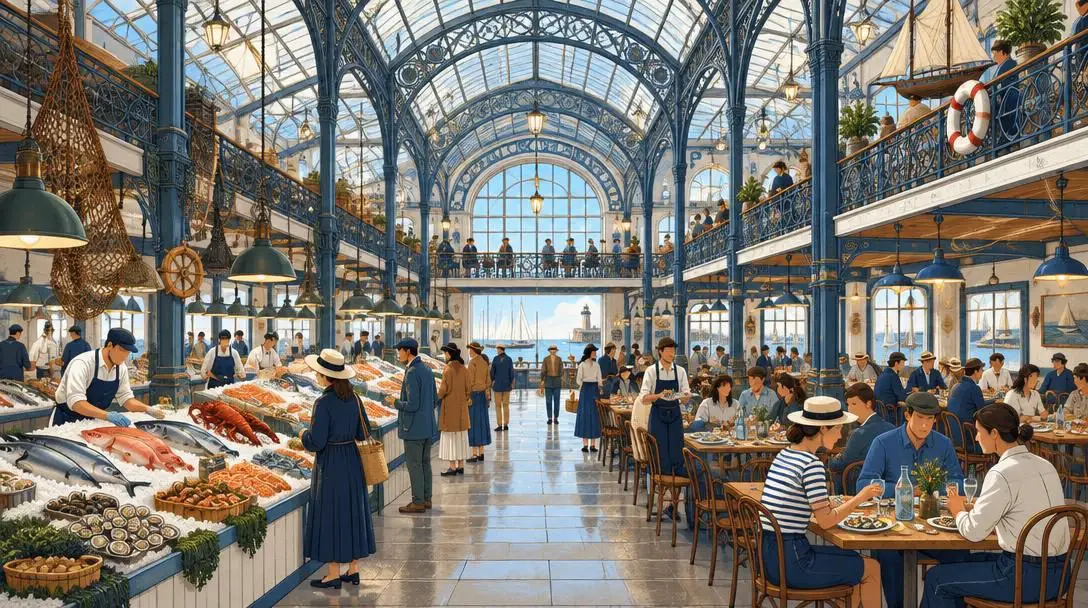
- Structural Design: Two-story hall with vaulted cast-iron roof
Following a catastrophic mid-nineteenth-century fire that razed the city's historic Plaza del Abasto, the municipal authorities of Santiago commissioned a replacement structure that officially opened in 1872. Recognized as an architectural marvel, the two-story Mercado Central stands out as the sole South American market featured in this premier tier of global culinary destinations.
The hall is sheltered by an intricate vaulted cast-iron superstructure fabricated in Britain and shipped across the ocean. Inside, the market features scores of fishmongers displaying an extraordinary assortment of cold-water Pacific catch, alongside butcher shops and produce stalls. At its center, casual maritime eateries serve steaming bowls of traditional seafood chowders and freshly dressed local shellfish to a bustling daily audience.
Or Tor Kor Market
- Location: Bangkok, Thailand
- Format: High-end covered wet market and food hall
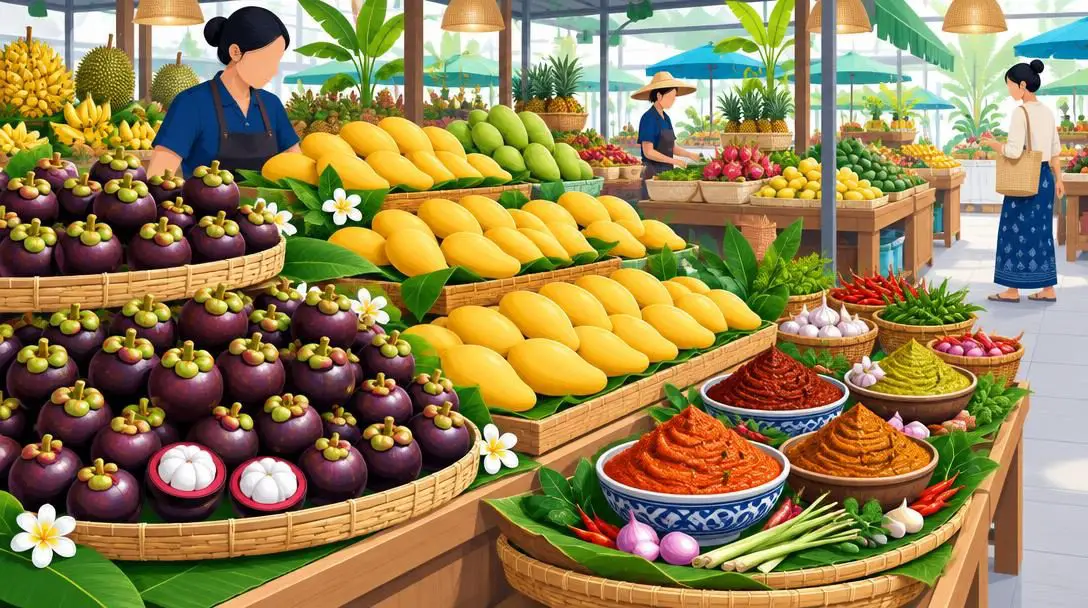
- Primary Offerings: Premium fruits, seafood, curry pastes, and ready-to-eat meals
While Bangkok contains hundreds of open-air bazaars and roadside markets, Or Tor Kor Market holds an exceptional status among local cooks and visiting gourmands. Unlike congested, narrow wet markets, Or Tor Kor is celebrated for its spotless, well-lit passageways, pristine vendor tables, and strict quality standards that attract domestic shoppers from across the country.
Stallholders display immaculate piles of native tropical fruits—such as mangosteens, durian, and mangoes—alongside fresh seafood, cured meats, and freshly pounded curry pastes. The rear quadrant of the facility features an expansive food court filled with ready-to-eat regional curries, grilled meats, and coconut desserts, requiring repeated trips to fully experience its breadth.
Rue Mouffetard Market
- Location: Paris, France
- Schedule: Daily except Mondays
- Specialty Highlight: Upwards of 200 distinct varieties of cheese
Occupying one of the most vibrant historic quarters of Paris, the open-air market running down the gentle incline of Rue Mouffetard embodies traditional French shopping culture. Every day except Monday, neighborhood merchants spread their displays onto the ancient cobblestones, transforming the pedestrian thoroughfare into a bustling food corridor.
The street features specialized storefronts and stalls that focus intensely on distinct crafts. Most notably, local affineurs and cheesemongers display more than two hundred regional cheese varieties, complemented by artisan bakeries producing crusty baguettes, independent butchers curing charcuterie, and greengrocers curating seasonal French greens and orchard fruits.
Spice Bazaar
- Location: Istanbul, Turkey
- Constructed: 1660
- District: Historic Eminönü quarter
- Independent Vendors: Over 80 historic storefronts
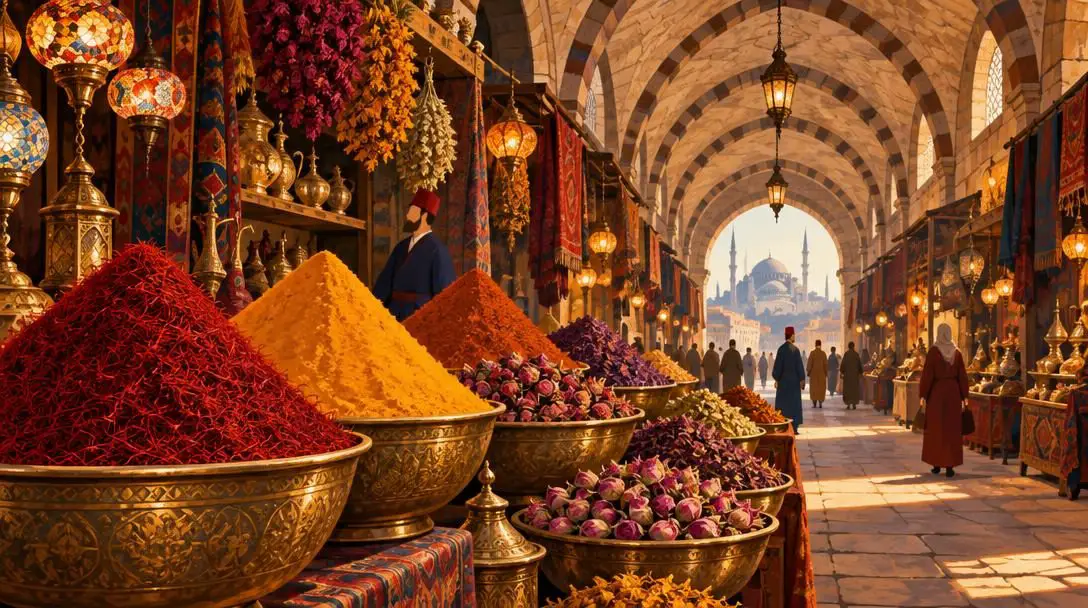
Erected in 1660 as an integral revenue-generating element of the New Mosque complex, Istanbul's Spice Bazaar (known locally as the Mısır Çarşısı) is widely considered the most beautiful covered trading venue in the city. Located in the waterfront Eminönü quarter, the bazaar historically received cargo and seasonings imported through trade caravans that originated across the Far East and North Africa.
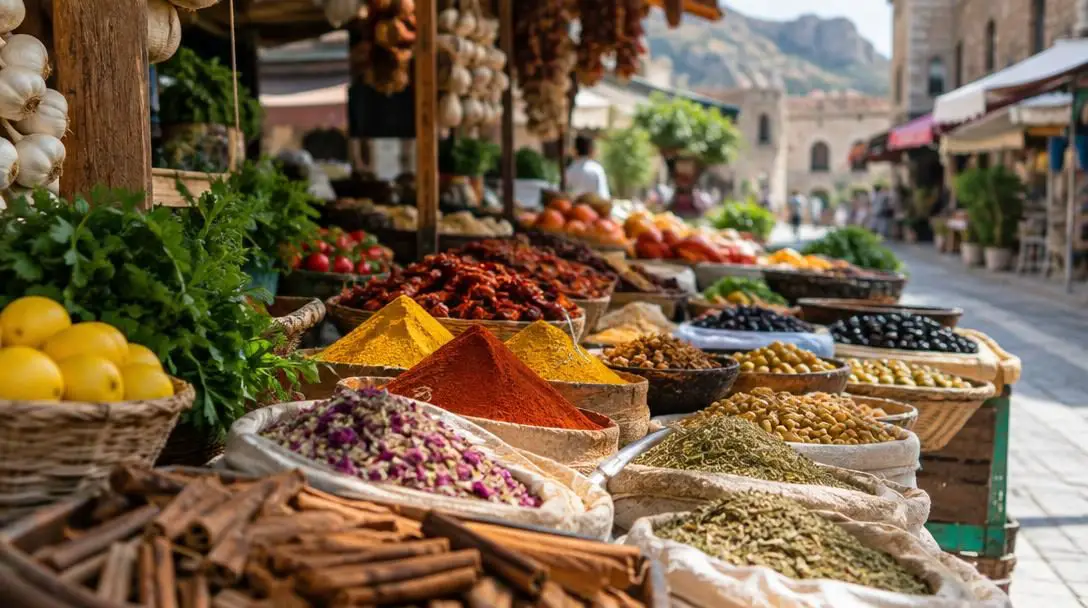
Sheltered under an L-shaped vaulted stone roof, more than eighty independent merchant shops showcase vibrant towers of fragrant ground spices, dried edible flowers, herbal infusions, dried fruits, and authentic Turkish confections. Interspersed among the culinary stalls are master craftspeople vending traditional teas, ceramics, and handcrafted jewelry.
English Market
- Location: Cork, Ireland
- Established: 1788
- Operational Days: Open daily except Sunday
Continuously serving the people of County Cork since 1788, the English Market is celebrated as one of the finest historic covered food halls in the British Isles. The market has withstood economic depressions, extensive civic reorganizations, and multiple major fires, maintaining its original purpose across centuries of urban development.
Inside its Victorian cast-iron interior, visitors find an array of local butcher counters specializing in regional meats, fishmongers sourcing directly from the Atlantic coast, organic produce stalls, artisan bakeries, and wine shops. Functioning both as a primary daily grocery hub for Cork residents and as a proud civic monument, the market represents the heart of contemporary Irish agricultural pride.
How global food markets operate
Understanding how historic markets organize their vendor stalls, supply chains, and customer interactions makes navigating them far more rewarding. Most global markets fall into three primary structural models:
- Daily municipal food halls: Structures like Toronto's St. Lawrence Market, Santiago's Mercado Central, and Cork's English Market provide permanent, climate-protected shelter. Merchants hold multi-year leases, maintaining steady inventory throughout the calendar year with consistent selections of fresh meat, seafood, cheese, and prepared lunches.
- Periodic farmers' and traders' markets: Operations like Kashgar Market and New York's Union Square Greenmarket rely on dynamic setups. Vendors transport goods from surrounding rural communities on specific days of the week, setting up temporary booths at sunrise and disassembling their stalls by evening.
- Open street corridors and wet markets: Venues like Paris's Rue Mouffetard and Bangkok's Or Tor Kor integrate open pedestrian paths or covered open-air pavilions. These operations blend raw provisions with active food stalls where cooks boil, steam, or grill meals directly in front of shoppers.
Practical steps for exploring food markets
Getting the most out of an international food market requires thoughtful preparation. Following these operational steps will help ensure a rewarding and seamless market excursion:
- Confirm operating days and hours before departure: Traditional food venues rarely follow modern shopping mall schedules. Kashgar Market gathers exclusively on Sundays, the English Market in Cork closes on Sundays, and Rue Mouffetard suspends operations every Monday. Check official notices to avoid empty stalls.
- Time your arrival based on your personal goals: If your priority is photographing vibrant produce displays or securing fresh catches before stock thins, arrive during the early morning hours. If your goal is sampling freshly prepared hot lunches, plan your arrival to coincide with the busy midday rush.
- Secure small denominations of local currency: While modern storefronts may accept electronic payments, independent farmers, specialty fruit vendors, and open-fire cooks frequently rely on physical cash. Having modest bills and coins speeds up minor purchases and avoids frustrating vendors.
- Converse with stallholders: Independent merchants possess encyclopedic knowledge about their inventory. Asking cheesemongers, fishmongers, or spice traders about which items are peak in season unlocks the highest-quality goods and provides valuable insight into local food preparation.
Common mistakes to avoid in public markets
The fast-paced, crowded environment of traditional bazaars can easily overwhelm first-time visitors. Avoid these common missteps:
- Arriving on a full stomach: Markets like Or Tor Kor, Mercado De La Merced, and Borough Market feature extensive prepared-food options. Eating a heavy breakfast at your accommodations restricts your capacity to sample regional street specialties.
- Handling delicate produce without permission: In many European and Asian markets, picking through delicate berries, soft cheeses, or fragile mushrooms without asking the vendor is considered serious discourtesy. Always allow the stallholder to inspect and package items for you.
- Confining your walk to the primary corridors: Central corridors typically experience the heaviest tourist foot traffic and higher markups. Venturing into side aisles and peripheral corners regularly reveals authentic, multigenerational shops with superior pricing.
- Blocking busy pedestrian pathways: Historic markets are functioning commercial workplaces where porters move heavily laden handcarts. Remain conscious of spatial surroundings, keep personal items secure, and step aside when stopping to consult maps or take photos.
Frequently asked questions
Which market is the oldest among these global culinary destinations?
Borough Market in London traces its recorded trading history back to the early eleventh century, making it the oldest market on this list. Istanbul's Spice Bazaar dates to 1660, and Cork's English Market has traded continuously since 1788.
Can travelers find prepared, ready-to-eat meals at these food markets?
Yes. Markets like Or Tor Kor in Bangkok, Borough Market in London, Mercado Central in Santiago, and Mercado De La Merced in Mexico City house extensive hot-food stalls, dedicated food courts, and sit-down maritime restaurants serving regional dishes made on site.
Are credit and debit cards accepted by vendors in historic public markets?
While many vendors in urban covered halls like Toronto's St. Lawrence Market or London's Borough Market accept digital payments, carrying cash remains essential for smaller purchases, street-food stalls, and traditional open-air markets like Kashgar.
What makes Or Tor Kor Market in Bangkok unique compared to other wet markets?
Or Tor Kor is widely celebrated for its pristine cleanliness, bright and orderly layout, and strictly enforced quality standards. It specializes in premium-grade tropical fruits, prepared curries, and pastes that draw home cooks and culinary professionals from across Thailand.
The bottom line
Visiting a historic food market transforms how people appreciate the relationship between food, geography, and human community. Navigating the fragrant stone arcades of Istanbul's Spice Bazaar, sampling farmhouse cheeses on the cobblestones of Paris, or watching fishermen haul the day's catch beneath Santiago's cast-iron vaults connects travelers directly to authentic regional cultures.
The lessons learned in these enduring culinary spaces can easily inspire daily life at home. By prioritizing community farmers' markets, sourcing seasonal ingredients from independent producers, and planning travel around historic market schedules, you can support regional food security while experiencing the world's most vibrant gastronomic traditions.