Brazil On A Budget: 5 Essential Tips
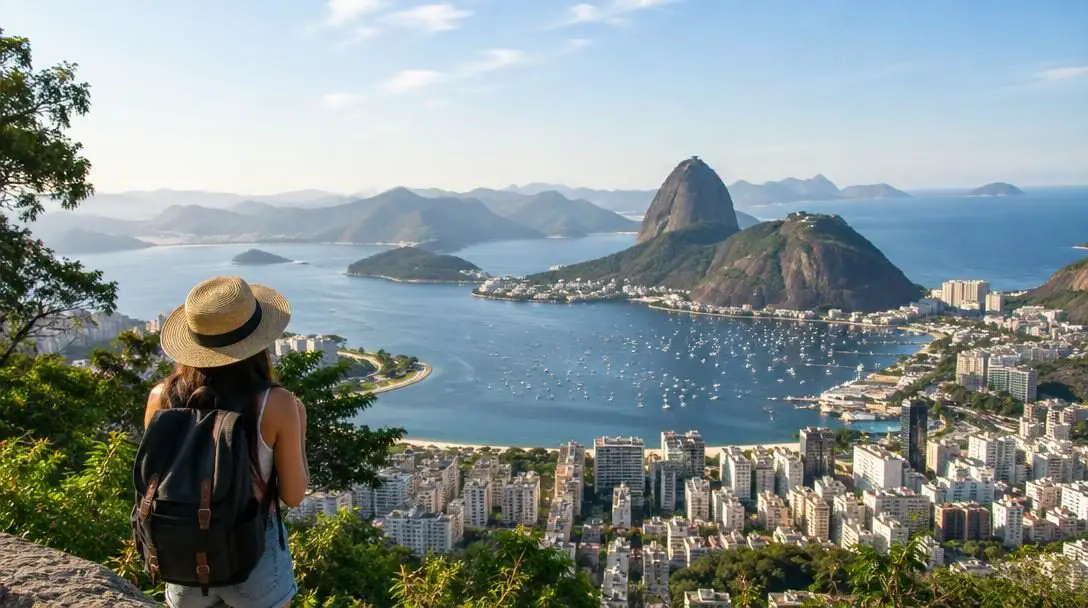
Brazil holds an undeniably commanding presence on the global stage. As the largest nation in South America and the country with the sixth-highest population in the world, it boasts an immense geographical footprint filled with celebrated natural wonders, iconic coastlines, and rich regional cultures. Yet, despite these world-class assets, Brazil experiences an unexpectedly modest share of the international tourism market. Within the Americas, it ranks as the sixth most-visited country, welcoming roughly 6.5 million foreign travelers each year.
A primary reason many prospective visitors hesitate before booking a journey to Brazil is the widespread perception that the country is an expensive vacation destination. For travelers accustomed to cheap overseas excursions, local price tags can initially seem daunting. However, experiencing Brazil without depleting your savings is entirely possible. By adopting targeted strategies regarding transport hubs, local accommodations, road travel, and neighborhood markets, visitors can comfortably navigate this South American powerhouse on a well-managed budget.
Key takeaways
- Brazil receives approximately 6.5 million annual visitors, placing it sixth among the most-visited nations in the Americas.
- Scheduling flights between May and September and booking through major hubs like Sao Paulo or Brasilia unlocks the country's lowest airfare rates.
- Opting for secure mid-range hotel rooms under $30 per night offers far greater personal safety and value than traditional dorm hostels.
- Renting a vehicle for $10 to $20 per day is often far more economical, safe, and flexible than relying exclusively on public transit networks.
- Exploring secondary destinations like Natal, Porto Alegre, and Belo Horizonte provides authentic regional culture at a fraction of the cost of mega-cities.
Rethinking the Economics of Budget Travel in Brazil
Navigating Brazil on a limited budget requires discarding standard international backpacking assumptions. In many regions of Southeast Asia or Europe, keeping expenses minimal involves booking the lowest-priced hostel bunks and relying exclusively on municipal buses or rail lines. In Brazil, however, that playbook can backfire. Travel logistics are shaped by an enormous geographic expanse, an unusual domestic pricing structure, and critical safety realities.
Personal security must remain a primary consideration throughout your itinerary. Brazil faces documented safety challenges, ranking as the ninth most dangerous country in the world due to elevated crime statistics. Consequently, cutting corners by choosing insecure lodgings or navigating unfamiliar transit hubs with heavy luggage can expose visitors to unnecessary hazards. Thrifty travel in Brazil is not about finding the cheapest possible option at all costs; it is about finding exceptional value that preserves personal safety, peace of mind, and overall mobility.
Five Essential Strategies to Maximize Your Travel Budget
By shifting your spending toward secure private lodgings, low-cost rental cars, authentic street-level dining, and mid-sized cities, you can bypass the country's most inflated tourist costs while discovering its remarkable landscapes.
Strategic Flight Routes and Seasonal Booking
Airfare often represents the single largest expenditure of an international itinerary, but deliberate route selection and calendar timing can significantly lower this hurdle. Flight pricing into Brazil is heavily dictated by airport capacity. The country's largest aviation gateways consistently offer the most competitive entry fares. Sao Paulo serves as the primary gateway, operating two major facilities: Guarulhos International, which serves as the most affordable point of entry in the country, and Congonhas, which remains comparably priced. Beyond Sao Paulo, travelers can often locate attractive arrival fares via Viracopos International in Campinas or through Brasilia International. Flying into Rio de Janeiro tends to be slightly more expensive, though the rate difference is frequently modest.
Timing your trip between May and September delivers the lowest seasonal airfares of the year. This calendar window corresponds with the Southern Hemisphere's cooler months, though regional climates vary sharply: northern territories remain warm and tropical, while the south turns distinctly cooler. Travelers must take care to steer clear of major national holiday periods, such as Labour Day, which marks the start of the winter season and triggers abrupt increases in ticket prices and seat scarcity.
Mid-Range Private Hotels Over Shared Hostels
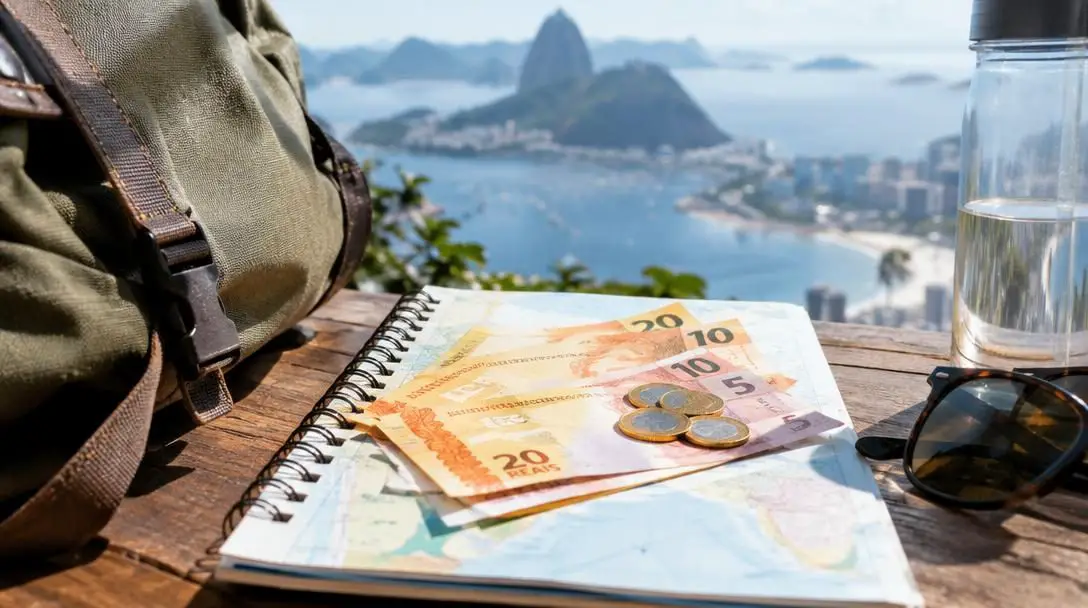
Backpackers visiting international hubs are accustomed to paying $10 to $15 per night for dorm beds, but replicating that tactic in Brazil is often an unwise trade-off. Given the elevated crime environment, sharing dorm rooms with strangers or staying in poorly secured budget facilities compromises basic peace of mind. Fortunately, Brazil's hospitality market features an uncommon pricing dynamic: modern mid-range hotels provide private, secure accommodations at rates far lower than comparable facilities in North America or Western Europe.
Comfortable private rooms in reputable mid-range hotels frequently rent for under $30 per night, complete with dedicated on-site security, private bathrooms, and front-desk assistance. For those desiring upscale amenities, full-scale resort properties routinely cost around $70 per night. Upgrading from a bare-bones hostel to a secure private room requires an insignificant cash difference while delivering crucial safeguards for your luggage and personal well-being.
Upgrading from a bare-bones hostel dorm to a secure mid-range hotel room costs only a few dollars more while providing critical safety and peace of mind.
Street Food Dining and Supermarket Essentials
Food expenses can quickly erode an otherwise well-planned travel fund if visitors default to traditional sit-down restaurants. Standard dining rooms in Brazil charge prices that are either comparable to or only slightly below standard rates in the United States. In contrast, tapping into the local street food culture yields exceptional regional flavors at minimal expense. Wholesome roadside specialties regularly sell for under $5 per meal, and even hearty portions purchased from high-end street food vendors rarely exceed $10.
Self-catering through neighborhood grocery stores offers an additional layer of savings, particularly on extended visits. Because Brazil's everyday cost of living sits markedly lower than in the United States or the United Kingdom, domestic supermarket goods reflect that lower cost base. Focusing your purchases on locally grown, native agricultural staples like mangoes and bananas guarantees fresh nutrition for pennies. Conversely, purchasing non-native imported pantry goods will drive grocery tallies up, negating the natural affordability of local markets.
Daily Car Rentals Over Public Transit Networks
While standard budget advice across the globe encourages taking regional buses and commuter trains, Brazil completely reverses this economic principle. Rental cars across the country are remarkably inexpensive, averaging roughly $20 per day—roughly one-fourth of the going rate found across the United States. During competitive booking windows, dedicated budget agencies even offer daily vehicle rates below $10.
Renting a car provides essential speed, flexibility, and a substantial layer of personal protection. Instead of navigating hectic public transport depots with exposed luggage or paying for multiple private transfers, travelers maintain total control over their schedule. While certain rural back roads suffer from poor maintenance, sticking to the primary national highways provides an orderly driving experience that feels very similar to operating a motor vehicle on major highways in the United States.

Secondary Cities Beyond Major Megacities
Where you travel inside Brazil's vast territory plays a decisive role in what you spend each day. The highest lodging rates, meal expenses, and entertainment costs concentrate heavily inside the primary urban centers of Sao Paulo, Rio de Janeiro, and Brasilia. Because Brazil's population and commercial infrastructure are largely gathered within these enormous focal points, leaving them immediately lowers your travel overhead.
Secondary urban areas offer deeply rewarding cultural landscapes, distinctive regional cuisines, and dramatic shorelines without the premium pricing found in the mega-cities. Destinations such as Natal, Porto Alegre, and Belo Horizonte allow travelers to experience rich regional traditions while maintaining modest daily expenditures. More remote wilderness expeditions, such as journeys into the Amazon Rainforest, present remarkable opportunities but involve logistical complexities that make them best suited for advanced, highly experienced travelers.
Accommodation Options in Brazil at a Glance
Evaluating Brazil's lodging categories helps clarify why mid-range properties deliver the highest value for budget-conscious travelers seeking to balance cost and personal security.
| Lodging Category | Estimated Nightly Cost | Safety and Security Level | Recommended Traveler Profile |
|---|---|---|---|
| Shared Hostel Dorms | $10 – $15 | Minimal; higher exposure to theft and property loss | Strictly for travelers prioritizing rock-bottom costs over safety |
| Mid-Range Private Hotels | Under $30 | Substantial; private locked rooms and dedicated reception security | Best overall choice for budget travelers seeking value and safety |
| Full Resort Properties | Around $70 | High; gated premises, professional staffing, and full amenities | Travelers seeking resort-style comfort without international luxury pricing |
A Step-by-Step Blueprint for Planning an Affordable Trip
Executing an economical journey across Brazil requires organizing airfare, lodging, transit, and route logistics in a deliberate sequence. Follow these practical steps to keep overall spending to a minimum:
- Monitor flight routes into Guarulhos International and Congonhas in Sao Paulo, Viracopos International in Campinas, or Brasilia International, comparing them against incoming flights to Rio de Janeiro to identify the cheapest port of entry.
- Schedule your departure dates within the affordable travel window running from May through September, checking regional calendars to ensure your trip avoids major holiday surges like Labour Day.
- Book private lodging within reputable mid-range hotels priced between $30 and $70 per night to secure your belongings and establish a safe base of operations.
- Reserve a rental vehicle in advance through a reputable budget agency to lock in daily rates between $10 and $20, avoiding expensive regional bus transfers.
- Map transit routes along well-maintained primary highways to maintain smooth driving conditions while avoiding deteriorated local surfaces.
- Structure daily food plans around local street food vendors for meals priced under $5 to $10, supplemented with local supermarket runs for native fruits like bananas and mangoes.
- Build an itinerary that balances primary urban sights with secondary regional cities such as Natal, Porto Alegre, or Belo Horizonte to reduce daily accommodation and activity costs.
Budget Pitfalls and Common Mistakes to Avoid
Travelers accustomed to backpacking across other continents often stumble into expensive or risky assumptions when visiting Brazil. Sidestep these common errors to safeguard your finances and your personal comfort:
- Defaulting to hostel dormitories: Saving a modest $10 to $15 per night on a shared dorm does not justify the heightened safety risks in a country facing serious crime challenges.
- Eating exclusively in sit-down restaurants: Relying on standard dining rooms results in food bills similar to those in the United States, rapidly erasing funds that could be preserved through $5 street food.
- Assuming rental cars are unaffordable luxuries: Ignoring car rentals out of habit causes travelers to miss out on rates as low as $10 to $20 per day, which often beat the combined cost and hassle of long-haul transit.
- Booking trips during national holiday spikes: Traveling across peak holiday windows like Labour Day brings sudden spikes in both ticket pricing and lodging scarcity.
- Purchasing expensive imported groceries: Stocking up on imported foreign goods at local supermarkets drives grocery totals higher, whereas purchasing native produce like mangoes and bananas keeps spending down.
- Restricting your route solely to major mega-cities: Remaining exclusively inside Rio de Janeiro, Brasilia, or Sao Paulo locks your itinerary into the country's steepest price tiers.
- Underestimating wilderness travel logistics: Attempting demanding expeditions into deep wilderness zones like the Amazon Rainforest without proper travel experience can lead to unnecessary expenses and logistical complications.
Frequently asked questions
What is the cheapest time of year to visit Brazil?
The most affordable window to travel across Brazil spans from May through September. During these months, seasonal airfares and local accommodation rates hit their lowest levels, though travelers should take care to avoid major holiday periods such as Labour Day, which triggers price surges.
Why should budget travelers avoid dorm hostels in Brazil?
Brazil ranks as the ninth most dangerous nation globally, making personal security a vital consideration. Because private mid-range hotel rooms can easily be secured for less than $30 per night, the minor financial savings of a $10 to $15 hostel bunk do not offset the increased risk of theft and safety concerns.
How much can you expect to spend on daily meals?
Travelers who focus on street food can comfortably eat satisfying roadside meals for under $5, with generous portions rarely exceeding $10. Supplementing these meals with native supermarket items like bananas and mangoes keeps daily food costs exceptionally low compared to sit-down restaurants.
Is renting a car practical for budget travelers in Brazil?
Yes. Car rentals in Brazil average roughly $20 per day—about one-fourth of typical rates in the United States—and specialized budget agencies sometimes offer daily rates under $10. Driving on the country's primary highways offers a familiar experience similar to driving in the United States while enhancing personal safety and travel autonomy.
Which Brazilian cities are most affordable for international visitors?
Secondary urban destinations such as Natal, Porto Alegre, and Belo Horizonte provide significantly lower lodging, meal, and entertainment expenses compared to the country's primary mega-cities like Sao Paulo, Rio de Janeiro, and Brasilia.
The bottom line
Brazil's reputation as a cost-prohibitive destination often deters vacationers, yet affordable travel throughout the country is practical when approached with the right strategy. Rather than depending on traditional backpacking habits that can compromise personal safety, smart travelers can capitalize on low-cost private hotel rooms, inexpensive rental vehicles, and authentic street dining. By scheduling travel between May and September and venturing into welcoming secondary cities like Natal and Belo Horizonte, you can experience Brazil's captivating culture and natural grandeur without exceeding your financial limits.