Egypt On A Budget: 5 Essential Tips
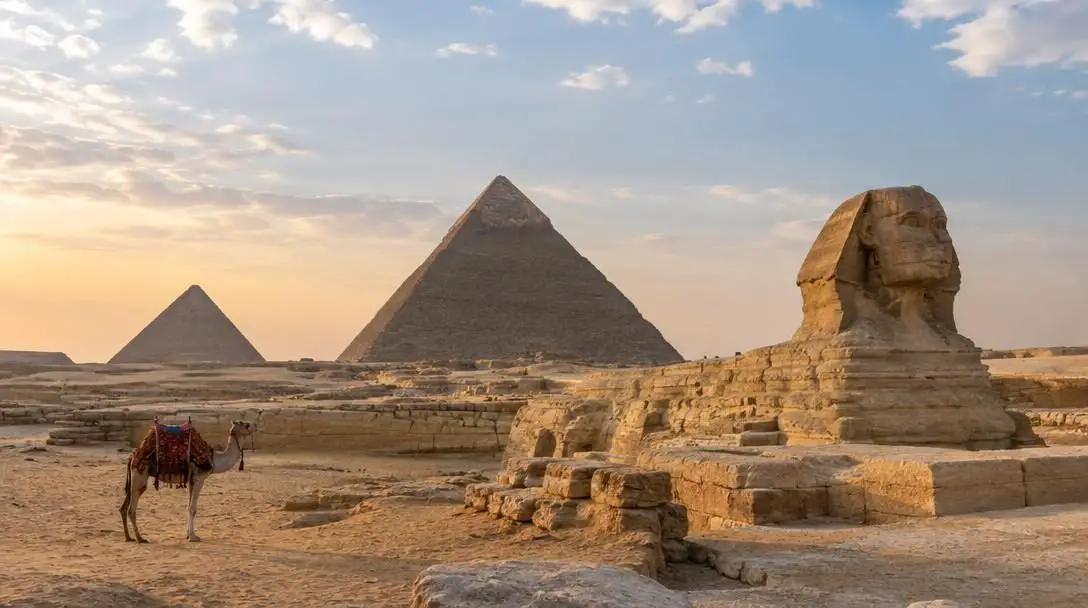
Egypt holds an enduring place on global travel bucket lists, preserving some of the oldest monuments known to humanity, including the Great Pyramids and the Sphinx. As the most visited country in Africa, it welcomes around 13 million international tourists every year—slightly outpacing Morocco and far exceeding South Africa. With a population exceeding 100 million people, Egypt ranks among the 15 largest nations in the world, sustained by a massive tourism industry that powers infrastructure and communities across both bustling urban centers and ancient heritage regions.
Despite its legendary stature and historical scale, Egypt remains an exceptionally affordable destination for budget-conscious travelers. By taking advantage of high-volume flight routes, cheap passenger rail networks, traditional street food, and bundled archaeological site passes, visitors can explore the country's ancient wonders without draining their savings.
Key takeaways
- Flying into Cairo International Airport provides substantially lower airfare than booking into regional hubs like Luxor or Aswan.
- Visiting during the off-season between May and September delivers the steepest discounts on flights and accommodations for those comfortable with desert heat.
- Bundling the Cairo Pass and Luxor Pass for $150 saves significant money compared to buying individual monument admissions.
- Navigating cities via ride-sharing apps and taking cross-country passenger trains for as little as $10 eliminates costly car rentals and domestic flights.
- Dining at neighborhood eateries serving staples like koshari and shawarma keeps daily meal costs between $2 and $5.
Understanding travel costs across Egypt
Managing a budget in Egypt depends on understanding three core dynamics: your international arrival point, the travel season you select, and your approach to day-to-day ground expenses. Because Egypt has such an expansive tourism footprint, strong competition keeps foundational prices low, provided you avoid standard tourist traps and luxury hotel markups.
International airfare is dictated by airline competition. Regional tourism airports such as Luxor International and Aswan International handle far fewer flights, which keeps ticket prices elevated. In contrast, Cairo International Airport is the busiest transit hub in Egypt, handling the greatest volume of daily flights and commanding the most competitive airfares from global carriers.
Seasonality plays an equally influential role in your total expenses. The travel window from May through September represents the summer off-season. While daytime temperatures become intensely hot, overall visitor numbers drop, prompting airlines and accommodations to slash rates. For travelers accustomed to dry, hot climates—such as the desert weather of Phoenix or Las Vegas—navigating an Egyptian summer is completely manageable and unlocks substantial savings.
Five essential tips for visiting Egypt on a budget
Relying on strategic geographic planning, regional resources, and bundled ticketing allows independent travelers to reduce overall expenses while experiencing the country's premier ancient attractions.
Fly into Cairo International Airport

- Facility status: Busiest airport in Egypt
- Strategic benefit: Highest daily flight volume and airline competition
- Geographic role: Primary hub for northern attractions and onward rail routes
When booking flights, avoid purchasing international arrivals directly into regional hubs such as Luxor International or Aswan International. Because Cairo International Airport handles the country's largest volume of air traffic, international carriers compete aggressively, resulting in significantly cheaper ticket prices. Arriving in Cairo also establishes a natural geographic base, allowing you to tour northern sights like the Pyramids of Giza before traveling south.
Travel in the summer off-season
- Target months: May through September
- Climate comparison: Similar to Las Vegas or Phoenix desert heat
- Financial impact: Lowest annual rates on lodging and flights
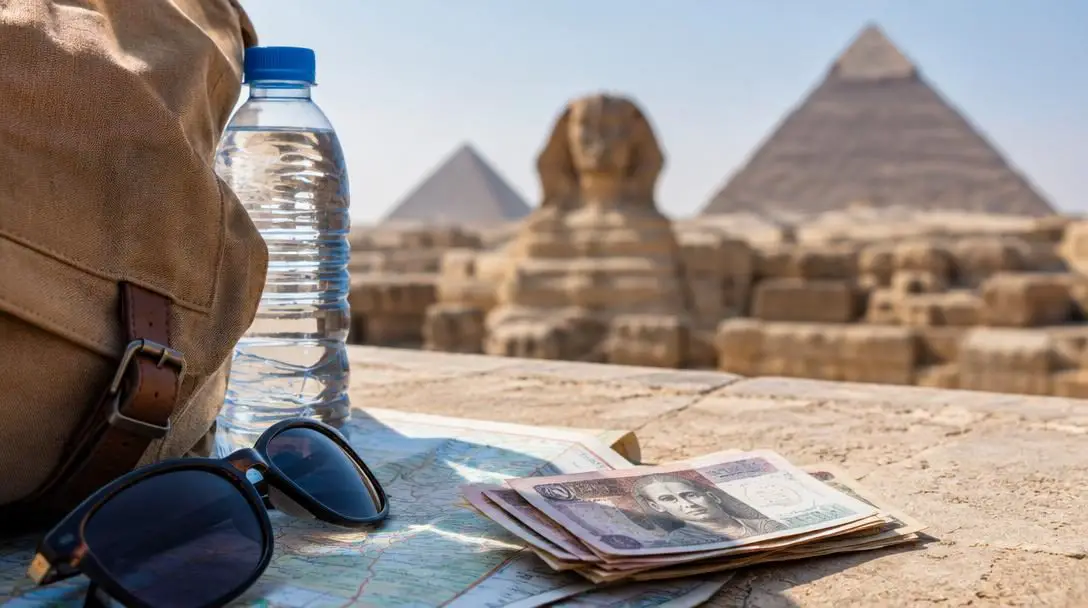
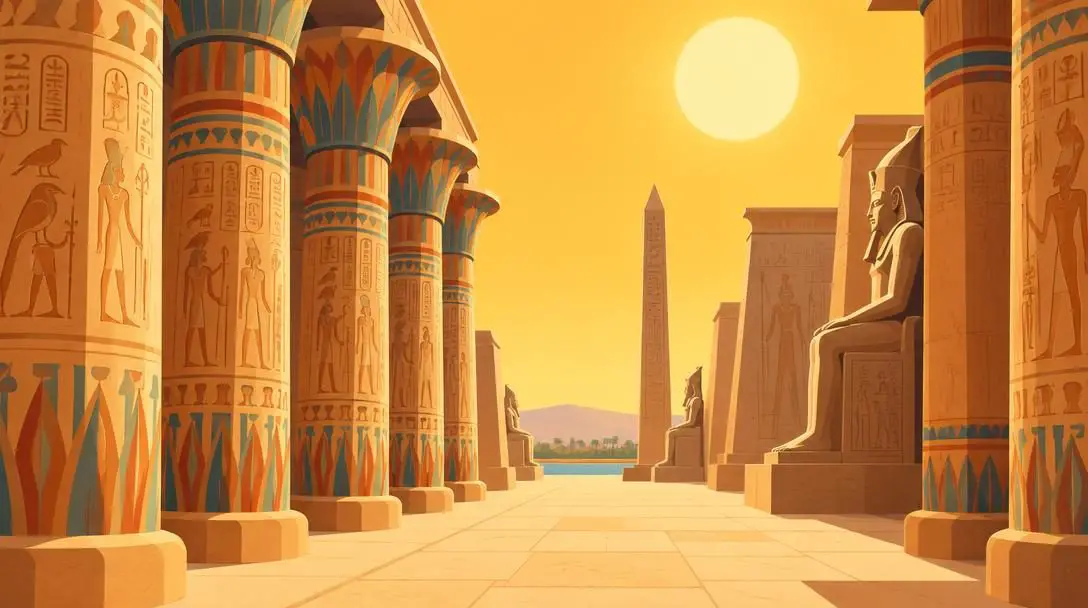
Planning your journey between May and September allows you to capture the lowest seasonal rates across the hospitality sector. The intense summer heat naturally discourages mainstream tourist crowds, compelling hotels and flight operators to offer deep discounts. If you can handle high desert temperatures, the summer months provide quiet archaeological sites and unmatched financial value.
Eat locally instead of at international chains
- Street meal cost: Approximately $2 to $3
- Sit-down diner cost: Around $5 for a full meal
- Key local dishes: Koshari, shawarma, and kebabs
Skip the Western-style restaurant chains and hotel-adjacent dining venues clustered in commercial districts, as they charge inflated prices for standard fare. Instead, embrace local street stalls and neighborhood eateries. Traditional dishes such as freshly shaved shawarma, spiced grilled kebabs, and hearty bowls of koshari provide authentic flavors at nominal costs, keeping daily nourishment expenses down to just a few dollars.
Navigate haggling and touts assertively
- Commerce style: Traditional open-air bargaining
- Common challenge: Commission-seeking middlemen (touts)
- Core countermeasure: Clear boundaries and polite local refusals
Bargaining is a standard element of local commerce in Egyptian markets, but persistent street touts frequently target international tourists. These individuals aim to position themselves as unsolicited guides or middlemen, directing visitors toward specific shops to collect commissions or tips. Practicing personal assertiveness, walking with clear direction, and learning how to say "No thank you" in the local language protects your daily spending money from unwanted pressure.
Use regional transit apps, buses, and trains
- Intercity train fares: Starting as low as $10
- City transport: Ride-sharing apps, local buses, and scooters
- Costly alternative: Rental vehicles and unmetered street taxis
Avoid renting a car or relying on standard street taxis, which often carry high rental rates, confusing traffic patterns, or inflated fares. Instead, use modern ride-sharing apps within urban centers to guarantee transparent, low-cost pricing. For long-distance intercity transit between cultural hubs, the national passenger rail network delivers comfortable journeys across the country for as little as $10, completely bypassing the expense of regional domestic flights.
A cross-country train ride can take you between historical regions for as little as ten dollars, delivering massive transportation savings.
How to maximize your sightseeing budget
Sightseeing admission fees can accumulate rapidly if you buy single-entry tickets at every ancient temple, museum, and pyramid gate. Travelers planning a comprehensive route can save substantial money by taking advantage of official multi-attraction passes.
- Assess your travel duration: If you plan to spend roughly five days exploring ancient monuments, calculate the total cost of separate admissions against a comprehensive pass.
- Select your standalone regional pass: The standalone Cairo Pass and Luxor Pass each cost $100 and remain valid for five days of entry to major regional attractions.
- Bundle your passes across regions: If you intend to visit both Cairo and Luxor, purchase both passes together. The combined package rate drops to $150, delivering significant savings across a five-day itinerary.
- Consider premium access requirements: Baseline passes exclude certain restricted royal tombs. Upgrading to a combined premium pass costs $200 (without student credentials) and unlocks access to these exclusive locations.
- Apply student discounts: Present an official, valid student identification card at purchase to receive a 50 percent discount on site passes, cutting your historical admission fees in half.
| Pass Type | Standard Cost | Student Cost | Validity Period | Coverage Scope |
|---|---|---|---|---|
| Cairo Pass (Standalone) | $100 | $50 | 5 Days | Major historical sites and monuments across Cairo |
| Luxor Pass (Standalone) | $100 | $50 | 5 Days | Major temples and archaeological sites in Luxor |
| Combined Cairo & Luxor Pass | $150 | $75 | 5 Days | Standard major monuments across both cultural hubs |
| Premium Combined Pass | $200 | $100 | 5 Days | All standard sites plus select restricted royal tombs |
Handling street touts and marketplace bargaining
Shopping in Egyptian open-air markets involves traditional bargaining practices, much like negotiating prices in street markets across Mexico or China. Because merchants typically open negotiations with high asking prices, countering with a respectful, reasonable offer is expected and standard. Maintaining a friendly, polite tone keeps negotiations enjoyable and productive.
However, visitors must differentiate between routine merchant haggling and encounters with touts. Touts are aggressive middlemen who look for foreign visitors who do not speak the local language. They attempt to escort tourists into specific stalls or recommend services, demanding fees or earning commissions that ultimately inflate purchase prices.
To keep your spending under your control, project confidence and assertiveness. If an individual approaches you unsolicited, do not hesitate to state clearly that you do not have money to spend. Learning common Egyptian Arabic pleasantries—most notably the local phrasing for "No thank you"—is one of the most reliable ways to diffuse unwanted attention and prevent unnecessary expenditures.
Everyday dining: slashing food expenses
Food is one of the easiest areas to trim your daily budget in Egypt without missing out on cultural richness. While Cairo contains a wide selection of international dining chains, these establishments are heavily marked up and cater primarily to travelers seeking familiar Western menus. Opting for authentic neighborhood venues provides higher quality meals at minimal cost.
- Koshari: Widely regarded as Egypt's national dish, this hearty bowl combines lentils, macaroni, rice, and chickpeas topped with spiced tomato sauce and crispy fried onions for an inexpensive, filling meal.
- Shawarma: Shaved, marinated beef or chicken roasted on a vertical spit and wrapped in warm flatbread, available at neighborhood street stands for quick lunches.
- Kebabs: Skewered cuts of seasoned meat grilled over open charcoal, providing an affordable source of protein at local casual diners.
- Neighborhood markets: Local produce stalls and bakeries selling fresh fruit and flatbreads allow travelers to pick up staples for pennies between sit-down meals.
Common mistakes that inflate travel expenses
Travelers often overspend in Egypt simply by applying assumptions from previous vacations elsewhere. Avoiding a few common logistical errors will keep your expenses firmly in check:
- Renting an automobile: High rental fees, erratic city driving patterns, and cheap public transit make renting a car an unnecessary and stressful expense.
- Hailing unmetered street taxis: Grabbing cabs off the street often results in contested fares; using modern ride-sharing apps provides fixed, highly affordable pricing.
- Booking domestic flights: Choosing flights between Cairo, Luxor, and Aswan is considerably more expensive than taking the cross-country passenger train, which starts around $10.
- Leaving student identification behind: Forgetting your official student card forfeits the 50 percent savings available on Cairo and Luxor historical passes.
- Purchasing standalone site tickets: Paying separate admission fees at every tomb, pyramid, and museum gate quickly exceeds the cost of a bundled regional pass.
- Showing hesitation to street touts: Pausing to politely converse with aggressive touts encourages further pursuit; being firm and assertive saves both time and money.
Frequently asked questions
Why is flying into Cairo cheaper than flying into Luxor or Aswan?
Cairo International Airport is the busiest airport in the country, handling the largest volume of flights daily. This heavy traffic creates intense competition among global airlines, keeping ticket prices significantly lower than routes serving regional tourism hubs like Luxor or Aswan.
Is visiting Egypt during the summer off-season manageable?
Yes, provided you are comfortable with dry, high-temperature desert climates similar to Phoenix or Las Vegas. Traveling between May and September brings intense heat, but it also delivers the lowest accommodation rates, cheaper flights, and far smaller crowds at major archaeological monuments.
What is the difference between standard and premium travel passes?
Standard standalone passes for Cairo or Luxor cost $100 each (or $150 bundled) and grant access to the primary historical sites in those areas. The $200 premium bundled pass includes everything in the standard package while adding access to select restricted royal tombs that require special entry.
How much can I expect to spend on street food each day?
Local dining is remarkably inexpensive. Street vendors and small stalls serve traditional meals like koshari or shawarma for roughly $2 to $3 per serving, while sit-down meals at casual neighborhood eateries generally cost around $5.
What is the cheapest way to travel between major Egyptian cities?
The long-distance passenger rail network is the most economical option. Cross-country trains connect major historical hubs for as little as $10, offering a comfortable alternative to expensive domestic flights or rental vehicles.
The bottom line
Exploring Egypt does not require an extravagant budget. By choosing Cairo International Airport as your transit gateway, tolerating the off-season summer climate, and taking advantage of bundled sightseeing passes, you can experience the nation's premier historical treasures at a fraction of standard tour costs. Combined with affordable cross-country trains, ride-sharing apps, and savory local street food, independent travelers can enjoy an unforgettable journey across one of the world's most historic landscapes while keeping daily expenses strictly under control.