Indonesia On A Budget: 5 Essential Tips
Indonesia stands out on the global stage due to its extraordinary geographic footprint and demographic scale. It ranks among the five largest countries on Earth, sitting just behind China, India, and the United States, and encompasses more than 275 million residents across its vast territory. Geographically, it is the 15th-largest country in the world by total surface area, composed of five main primary islands alongside more than 18,000 smaller islands and inlets scattered across warm tropical waters. Despite these colossal proportions and its astonishing cultural variety, international arrival figures tell an unexpected story. Across the broader Asia-Pacific region, Indonesia barely places inside the top 10 most visited international destinations, attracting roughly 15.5 million visitors in a typical year.
This relative shortfall in arrivals means that millions of international travelers routinely bypass what is genuinely one of the most affordable and visually captivating nations on Earth. Throughout the archipelago, untouched landscapes, scenic shorelines, and dramatic volcanic terrain cost virtually nothing to admire. By understanding the practical realities of local transport networks, seasonal pricing shifts, and regional food traditions, travelers can experience the full majesty of this island nation on an exceptionally lean daily budget.
Key takeaways
- Routing international arrivals into Jakarta's Soekarno-Hatta International Airport unlocks the lowest base airfare before connecting regionally.
- Traveling during the low-season window from October through April—especially during January and February—drastically reduces lodging and ground transit expenses.
- Opting for inter-island passenger ferries and daily vehicle rentals provides massive cost savings over regional flights and standard tourist transport.
- Relying on neighborhood food stalls and traditional buffets keeps total weekly sustenance costs under $40, provided expensive alcohol is avoided.
- Conducting polite, lighthearted bargaining at open-air roadside markets secures fair rates without alienating local shopkeepers.
The 5 Essential Budget Strategies for Indonesia
Maximizing value across an Indonesian journey requires navigating a unique combination of international aviation gateways, equatorial weather patterns, and local commerce norms. Embracing the following five targeted approaches will help independent travelers unlock significant savings while traversing the country's islands and cultural centers.
Fly into Soekarno-Hatta International Airport
- Location: Jakarta, Java
- Passenger volume: Roughly three times any other airport in Indonesia
- Alternative entry hubs: Denpasar (Ngurah Rai) and Surabaya (Juanda)
The primary opportunity for substantial savings begins long before arriving in Southeast Asia. As a general rule across major aviation networks, international hubs that handle the highest volume of air traffic offer the most competitive fares. In Indonesia, Soekarno-Hatta International Airport in Jakarta serves as the primary gateway, processing approximately three times the passenger volume of any other airport in the nation. This immense volume translates into steady competition among long-haul carriers, making Jakarta the most economical point of entry by a wide margin.
While many holiday travelers reflexively search for direct long-haul flights into resort regions like Bali via Ngurah Rai International Airport in Denpasar, these tickets frequently command high seasonal markups. Secondary hubs such as Denpasar or Juanda International Airport in Surabaya represent viable arrival points, but landing in Jakarta first consistently yields lower baseline pricing. Once in the capital, travelers can seamlessly connect to secondary destinations utilizing affordable domestic carriers, protecting a significant percentage of their overall travel funds.
Travel Between October and April
- Discount window: October through April
- Cheapest months: January and February
- Typical climate: Elevated tropical rainfall and temperatures near 90°F
Seasonality plays a definitive role in determining lodging rates and tour pricing across the archipelago. The primary discount window opens in October and runs through April, corresponding with the tropical wet season. Within this extended off-peak phase, January and February represent the two absolute cheapest months of the year for visiting Indonesia. During these mid-winter months, accommodation providers, tour operators, and vehicle rental services slash prices to attract visitors during the annual lull in arrivals.
Visiting during this low-cost period requires travelers to accommodate shifting weather conditions. Daily temperatures consistently hover near 90 degrees Fahrenheit, accompanied by frequent tropical downpours and high humidity. However, rain showers are frequently concentrated into intense afternoon bursts rather than day-long washouts. Travelers who embrace the tropical downpours are rewarded with lush green scenery, fewer crowds at renowned natural landmarks, and rock-bottom nightly rates across hotels and homestays.
Choose Ferries, Scooters, and Rental Cars Over Standard Transit
- Inter-island ferry cost: Under $4 between Bali and Lombok
- Daily scooter rental: Approximately $3 per day
- Daily car rental: Approximately $10 to $15 per day
Ground and maritime transport in Indonesia can be extraordinarily cheap if travelers bypass conventional tourist shuttles and short-hop commercial flights. Public passenger ferries run regular services between adjacent landmasses for pocket change. For instance, the scenic water passage connecting Bali and Lombok costs under $4 per passenger, offering dramatic coastal views while eliminating the airport check-in lines and high baggage fees associated with regional air travel.
For terrestrial travel, conventional advice suggesting reliance on public metropolitan transit does not always match local conditions. In urban zones and provincial towns, competent riders can rent a scooter for around $3 per day, unlocking complete autonomy to tour rural temples, rice terraces, and isolated shorelines. For small travel groups or individuals unaccustomed to chaotic traffic patterns, self-drive rental cars provide another economical alternative, averaging between $10 and $15 per day. Splitting a modest rental car among two or three travelers is often cheaper and markedly more comfortable than hiring private drivers or buying multiple transit passes.
Eat at Neighborhood Stalls and Buffets
- Stall dish pricing: Under $1 for noodle and rice meals
- Local buffet pricing: Around $2 to $3 per meal
- Estimated weekly food expense: Under $40 total
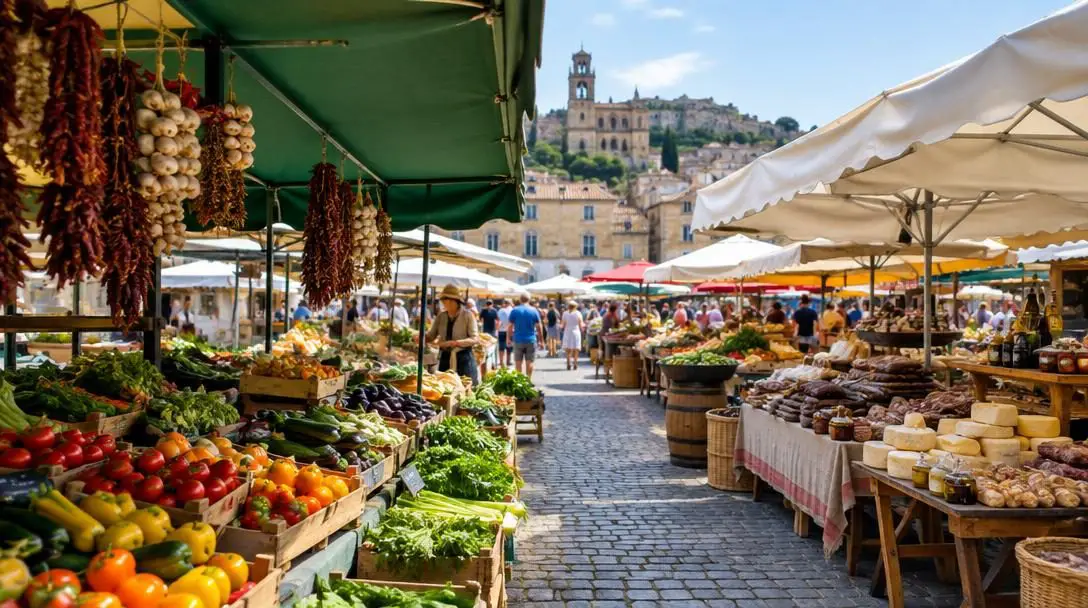
Daily living expenditures in Indonesia drop dramatically when visitors embrace the country's vibrant informal culinary scene. While glamorous downtown restaurants and executive dining venues—such as the luxury establishments favored by corporate executives in major Asian hubs like Bangkok—charge Western prices, everyday neighborhood food stalls serve nourishing meals for an astonishingly low price point. Freshly prepared noodle and rice specialties at local roadside stands routinely cost under $1 per dish.
For greater variety, family-run buffets present an array of freshly prepared meats, vegetables, tempeh, and curries, where a heaping plate typically tallies between $2 and $3. A visitor dining primarily at local neighborhood establishments can easily maintain a total weekly food budget of under $40 while enjoying wholesome, authentic regional cuisine three times a day.
Cutting alcohol purchases entirely allows your daily sustenance budget to remain at record lows.
The primary hazard to an otherwise microscopic food budget is alcoholic beverages. Due to national tax structures and regional import policies, beer, wine, and spirits carry steep price tags that bear no relationship to the ultra-cheap cost of local food. Travelers who assume alcoholic drinks will match the bargain prices of their dinner frequently inflate their overall daily expenditures. Omitting alcohol from everyday dining habits preserves baseline meal savings and keeps daily outlays at absolute minimums.
Practice Respectful Bargaining at Open-Air Markets
- Primary shopping venue: Open-air bazaars and roadside stalls
- Standard pricing model: Flexible, unlisted rates meant to be negotiated
- Recommended approach: Polite conversation and modest requests
Retail commerce across Indonesia's open-air bazaars, regional craft centers, and rural roadside stands operates on an informal pricing structure rather than rigid point-of-sale pricing. In these lively commercial spaces, price tags are almost universally absent, and the initial figure stated by a vendor is deliberately set high with the expectation of an eventual compromise. Travelers who simply pay the first quoted price routinely pay several times the fair market value of the item.
Successful bargaining in Indonesian markets relies on courtesy, warmth, and good humor rather than aggressive confrontation. Viewing a market interaction as a hostile financial duel can deeply insult local merchants and stallholders. Instead, initiate a friendly conversation, demonstrate genuine interest in the merchandise, and lightheartedly mention that you are traveling on limited funds. Politely requesting a reduction of a few dollars creates an equitable transaction where you secure a fair rate while ensuring the shopkeeper retains a meaningful, dignified profit.
Comparing Budget Options Across the Archipelago
Making smart logistical trade-offs is the cornerstone of keeping travel expenses low across an archipelago spanning thousands of miles. By evaluating transportation, seasonality, and daily expenses against standard tourist choices, visitors can see how modest daily savings accumulate into hundreds of dollars in preserved capital over a multi-week trip.
| Category | Budget Strategy | Standard Tourist Option | Typical Cost or Savings |
|---|---|---|---|
| International Airfare | Fly into Jakarta (Soekarno-Hatta) | Direct international arrival to Bali | Lowest base airfare due to 3x passenger volume |
| Travel Season | Off-peak (October to April) | Dry season (May to September) | Cheapest rates in January and February |
| Inter-Island Transit | Local water ferries | Short regional flights | Under $4 between Bali and Lombok |
| Daily Land Travel | Scooter rental or rental car | Fixed public transit or private tours | $3/day for scooter; $10–$15/day for rental car |
| Daily Sustenance | Neighborhood stands and buffets | Downtown tourist dining and alcohol | Under $1 dishes; week of food under $40 |
Step-by-Step Budget Planning Itinerary
Transforming these financial concepts into an efficient real-world expedition requires a clear sequence of decisions during the planning phase. Following these actionable steps will keep costs minimal from departure through the duration of your journey.
- Target the primary aviation hub: Center your initial international flight search on Soekarno-Hatta International Airport in Jakarta, comparing routes with Denpasar or Surabaya but prioritizing Jakarta for lowest base fares.
- Schedule during the low-cost season: Book your travels between October and April, homing in on January or February if maximum savings are your goal, keeping in mind the tropical rains and 90-degree heat.
- Focus on outdoor destinations: Design your route around walking, natural scenery, and open-air exploration in renowned areas such as Bali, Yogyakarta, and Lombok rather than paid metropolitan indoor sights.
- Use budget ferries for inter-island journeys: Skip regional flights when crossing shorter distances between nearby islands, taking local ferries such as the passage between Bali and Lombok for under $4.
- Select the right ground transport: If you possess sufficient driving experience and feel confident navigating dense urban traffic with unfamiliar traffic laws, rent a scooter for around $3 per day; otherwise, rent a car for $10 to $15 per day.
- Seek out neighborhood eateries: Steer clear of high-priced city center dining rooms and look for small street food stands and local buffets outside downtown sectors for sub-$1 dishes and $2 to $3 meals.
- Cut alcohol purchases: Exclude alcoholic beverages from your daily routine, as drinks represent an unusually expensive category compared to local food and basic services.
- Practice respectful market bargaining: In open-air stalls lacking fixed prices, establish friendly rapport and politely state that you have limited funds to shave a few dollars off goods.
Common Budget Mistakes and Pitfalls to Avoid
Even cautious travelers can find their financial projections derailed by overlooking subtle logistical realities. Awareness of common local miscalculations allows you to maintain control over your wallet throughout your stay.
- Overpaying for international arrivals: Booking directly into secondary regional hubs without checking routes into Jakarta first.
- Fearing the wet season: Avoiding the October-to-April travel window entirely, missing out on rock-bottom off-peak accommodation rates.
- Underestimating city traffic: Renting a scooter without extensive prior riding experience, creating dangerous travel hazards.
- Assuming public transit is always best: Overlooking daily car rentals at $10 to $15 per day, which can be cheaper and far more flexible for groups.
- Eating in westernized commercial centers: Missing neighborhood noodle and rice stalls that offer meals for under $1.
- Purchasing alcohol carelessly: Assuming drink prices mirror inexpensive local meals, which quickly inflates daily entertainment costs.
- Accepting initial market quotes: Paying quoted market prices without haggling in open-air bazaars where initial rates are intentionally elevated.
- Engaging in hostile bargaining: Arguing aggressively over small amounts, which strains interactions with polite local merchants.
Geographic Pacing and Route Considerations
Indonesia's sprawling layout demands realistic logistical planning. Because the nation stretches across more than 18,000 islands and inlets, moving from one region to another can take substantial time. A budget-friendly trip requires striking a balance between seeing diverse destinations and limiting unnecessary transfers that erode both time and money.
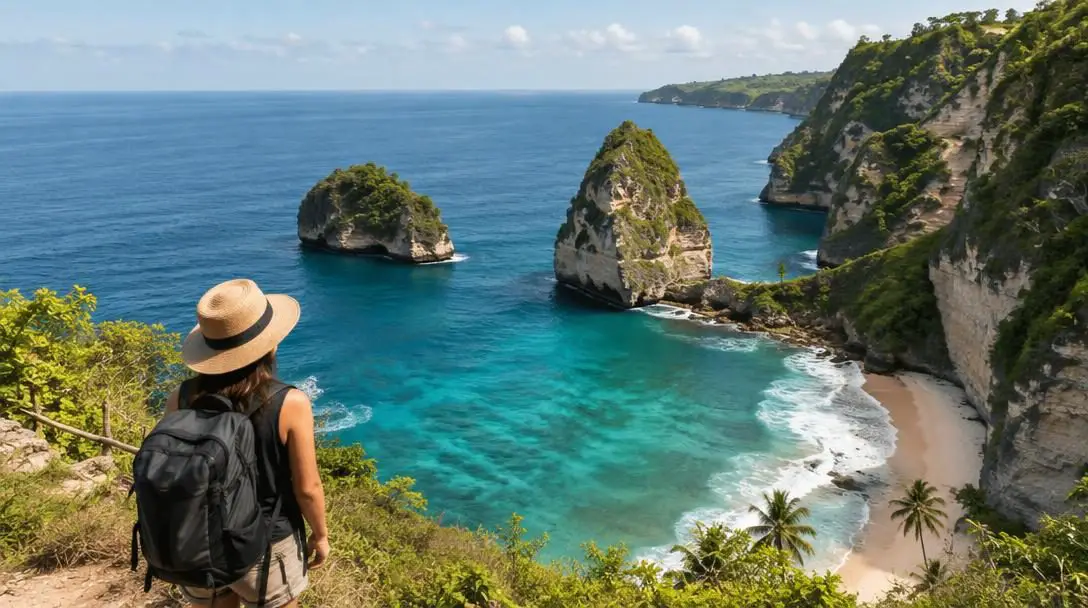
Focusing an itinerary around key regions such as Java, Bali, and Lombok creates a varied, manageable travel loop. In Java, historic cultural cities like Yogyakarta provide rich historical walking environments without expensive entry barriers. Crossing by low-cost public transport into Bali and taking the passenger ferry onward to Lombok allows travelers to see world-class volcanic scenery and dramatic beaches for minimal transit expenditure.
Additionally, travelers visiting during the low-cost period of January and February must prepare for equatorial conditions. When exploring outdoor landscapes in high humidity and near-90-degree heat, carrying reusable water bottles, protective rain ponchos, and breathable attire prevents emergency convenience purchases at inflated tourist rates. Thoughtful preparation ensures you can comfortably explore outdoor wonders without overspending.
Frequently asked questions
Which airport in Indonesia offers the cheapest international flights?
Soekarno-Hatta International Airport in Jakarta is generally the cheapest hub for international arrivals. Because it handles roughly three times the passenger volume of any other airport in Indonesia, high airline competition drives down international ticket prices compared to secondary gateways like Denpasar or Surabaya.
When is the most affordable time of year to visit Indonesia?
The most affordable period is the low-season window stretching from October through April. January and February are the two cheapest months of the year, offering significant discounts on accommodations and ground services for travelers willing to navigate tropical rains and 90-degree Fahrenheit temperatures.
How much does local transportation cost in Indonesia?
Local transport is exceptionally cheap. Public inter-island ferries cost under $4 for passages such as Bali to Lombok. On land, scooter rentals run approximately $3 per day in major centers, while economy rental cars average between $10 and $15 per day.
How much money is needed for food per week in Indonesia?
By dining at local neighborhood stalls and traditional buffets, an entire week of food can cost under $40. Individual rice or noodle dishes at street stalls cost under $1, while generous buffet plates average between $2 and $3, provided expensive alcoholic drinks are avoided.
Is bargaining acceptable when shopping in Indonesia?
Yes, bargaining is an established tradition in open-air bazaars and roadside stalls where prices are unlisted. Haggling should always remain polite, cheerful, and modest; explaining that you have limited funds is an effective way to negotiate a fair discount of a few dollars without causing offense.
The bottom line
Indonesia remains one of the world's greatest values for independent travelers. While it ranks among the five most populous nations on Earth and spans thousands of tropical islands, its modest arrival numbers mean that much of its territory remains accessible at authentic, uninflated local prices. By routing through Jakarta, traveling during the off-peak wet season, prioritizing local ferries and affordable vehicle rentals, dining at neighborhood stalls, and shopping with good-humored etiquette, you can experience the nation's magnificent shorelines and cultural treasures on a truly minimal daily budget.