Thailand On A Budget: 5 Essential Tips
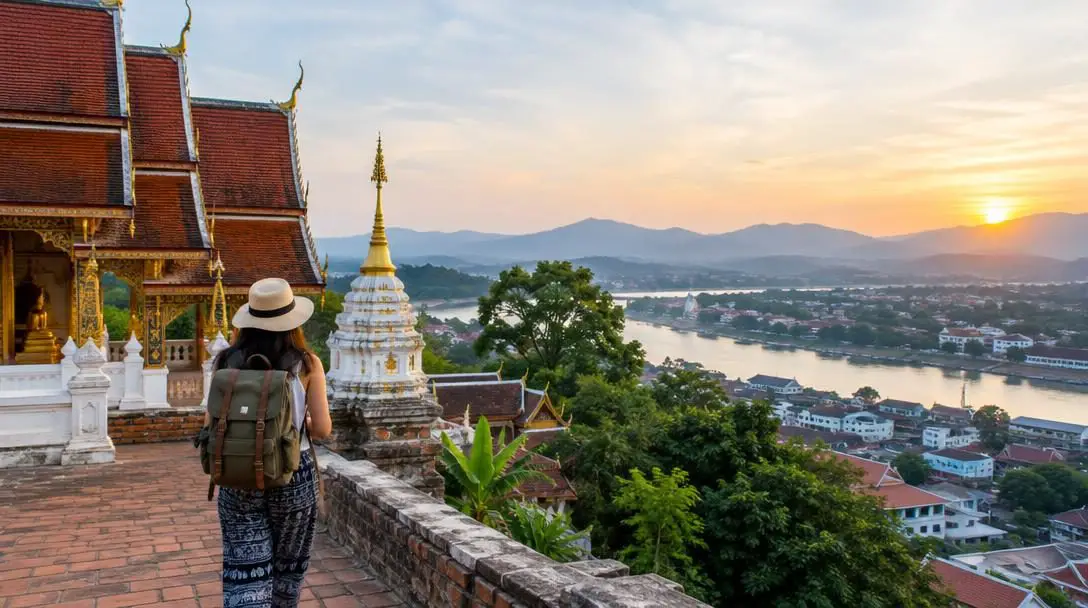
Thailand holds a storied position on the global travel circuit. Beyond its historic Buddhist temples, striking tropical geography, and dynamic urban centers, the Southeast Asian kingdom is revered worldwide as an elite value destination. Demographically, Thailand ranks among the largest nations on Earth, securing a spot in the top 25 globally with a population exceeding 66 million residents—placing it ahead of nations like South Africa, Italy, and South Korea. Matching this domestic scale is a massive tourism economy that welcomes approximately 40 million international visitors every year. Within Asia, Thailand's inbound arrivals are second only to China, easily outpacing regional powerhouses like Japan and Malaysia.
Travelers flock to the country for its extraordinary cultural heritage and pristine coastal landscapes, but its sheer financial accessibility is just as compelling. Several international indices have ranked Thailand as the number-one cheapest country to visit worldwide. Simply landing within its borders immediately lowers the overall financial friction of travel compared to journeys across North America, Europe, or East Asia. However, an inherently inexpensive destination can still turn surprisingly costly if a visitor fails to grasp local commerce. Navigating intercontinental flights, daily transit, lodging, and dining requires an appreciation of domestic pricing dynamics to avoid common tourist-facing markups.
Key takeaways
- Thailand's low baseline costs can quickly compound if travelers rely on tourist-facing services rather than domestic infrastructure.
- Booking flights during the May-to-October off-season—specifically June—delivers deep discounts on international airfare into Bangkok's Suvarnabhumi Airport.
- Regulated metered taxis and state-run passenger trains are substantially cheaper and safer than unmetered novelty rides like tuk-tuks.
- Private two-star and three-star hotels routinely cost between $5 and $10 per night, eliminating the need to sacrifice comfort in shared hostel dormitories.
- Eating at public food courts and street stalls provides fresh, made-to-order meals for $2 to $5 while bypassing sit-down restaurant surcharges.
Understanding local price dynamics in Southeast Asia
Maximizing a travel budget in Thailand depends on distinguishing between services designed for foreign convenience and systems built for ordinary domestic use. The nation operates across two distinct economic tracks: one oriented around foreign tourists who lack knowledge of regular market prices, and another serving local residents going about daily life. Reaching true cost efficiency requires selecting services anchored in everyday local consumption rather than novelty or foreign-targeted marketing.
True cost efficiency requires choosing services anchored in everyday domestic consumption rather than novelty marketing.
Ground transportation presents an especially counterintuitive pricing structure for many Western visitors. In the United States and Europe, hailing a private automobile is seen as an expensive luxury, while open-air vehicles or smaller two-wheeled transport modes are assumed to be cheap alternatives. In Thailand, the reality is reversed. The famous three-wheeled tuk-tuks, along with motorbikes carrying two to three passengers, market themselves directly to sightseers. Because tuk-tuks operate on unmetered negotiations rather than fixed distances, they consistently cost significantly more than traditional metered automobiles. In contrast, standard taxis utilize a strictly regulated meter starting at roughly $1, with incremental increases of about $0.15 per kilometer.
Essential strategies to stretch your budget
Successfully executing an ultra-affordable journey requires aligning your calendar, transit choices, lodging, and meals with local market realities. Bypassing commercial marketing allows your travel capital to go significantly further, unlocking high standards of comfort without premium pricing. The table below outlines how common tourist traps compare against standard domestic alternatives across core expense categories.
| Category | Budget strategy | Typical cost | Cost trap to avoid |
|---|---|---|---|
| Airfare | Fly off-season into Suvarnabhumi Airport | Lowest annual base fares | Peak travel dates outside May–October |
| Urban Transit | Regulated metered taxis | ~$1 base, ~$0.15 per km | Negotiated, unmetered tuk-tuk rides |
| Intercity Travel | State passenger trains and national buses | A few dollars per route | Expensive private transport and regional flights |
| Lodging | Two-star and three-star private hotels | $5 to $10 per night | Defaulting to shared hostel dorms |
| Dining | Public food courts and street stalls | $2 to $5 per meal | Promotional sit-down tourist restaurants |
1. Book flights around off-season windows
- Off-Season Window: May through October
- Optimal Value Month: June
- Primary Entry Hub: Bangkok Suvarnabhumi Airport (BKK)
Intercontinental airfare represents the single largest upfront expense for most visitors. To minimize this cost, plan your departure to match Southeast Asia's seasonal patterns. The United States summer months coincide with the lowest ticket prices of the year. Thailand's official off-season starts in May and extends through October, driven by the arrival of the monsoon season. July and August feature the absolute cheapest airfare due to peak rainfall across the peninsula.
Travelers who want deep flight discounts without encountering the heaviest continuous downpours should focus on June, which offers an optimal balance between low airfare and manageable weather. When searching for flight routes, focus your search on Suvarnabhumi Airport in Bangkok. Because it serves as the largest, busiest airport in the country, it consistently captures the lowest base fares from international carriers due to pure operational volume. If flights into Suvarnabhumi do not suit your itinerary, monitor Don Mueang International or Phuket as functional entry points, comparing their overall rates before booking.
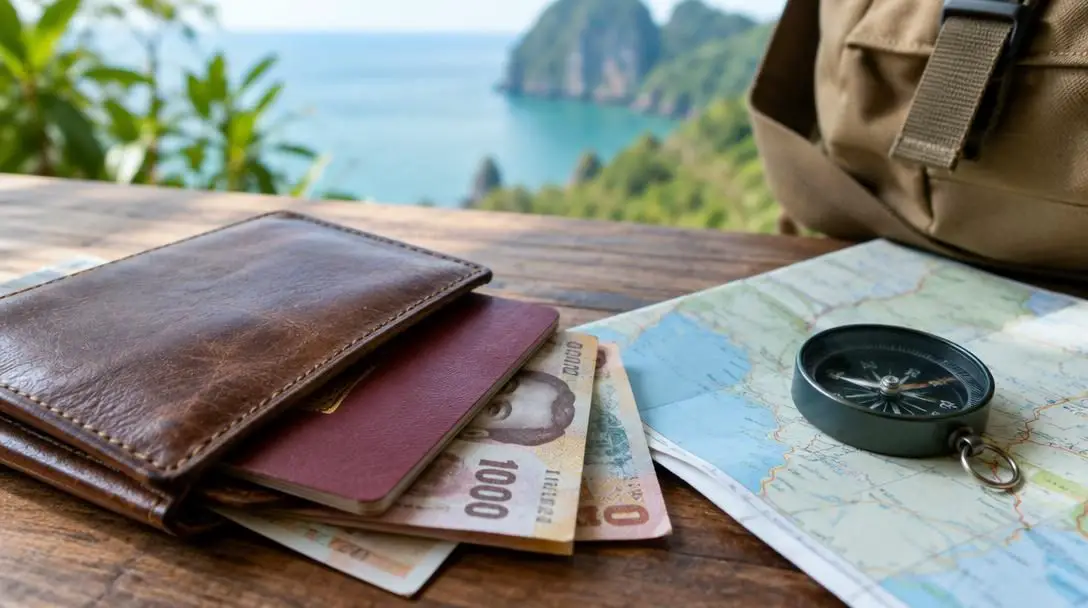
2. Rely on regulated metered taxis and trains
- Taxi Base Rate: Approximately $1.00
- Distance Accrual: Roughly $0.15 per kilometer
- Regional Options: State railway network and national bus lines
Daily intra-city travel costs can quickly spiral if you rely on novel tourist transport. Rather than hailing iconic three-wheeled tuk-tuks, stick to standard metered passenger cars. Always verify that the driver begins the journey with the standard regulated base meter rate of approximately $1, followed by the normal $0.15 per kilometer progression. Doing so avoids the inflated, unmetered price negotiations common among tuk-tuks and tourist-oriented motorbike rides.
For journeys extending beyond city boundaries into surrounding provinces, take advantage of the state-run transit infrastructure. Thailand's passenger train network and national bus lines are heavily subsidized, allowing travelers to journey across wide stretches of the country for just a few dollars. These ground options offer a safe, reliable, and scenic alternative to regional domestic flights, providing panoramic views of rural landscapes while preserving your travel funds.
3. Choose value-priced standard hotels over hostels
- Budget Hotel Range: $5 to $10 per night
- Comfort Upgrade Range: $10 to $20 per night
- National Ceiling: Rarely exceeds $20 for standard rooms
Travelers often assume that staying in a hostel dorm bed is the only way to safeguard their funds. In Thailand, the exceptionally low baseline cost of private hospitality creates an entirely different landscape. Expanding your booking searches to include two-star and three-star hotels reveals fully private, secure rooms priced between $5 and $10 per night across major cities and regional towns alike.
For travelers desiring additional conveniences, spending just above $10 per night unlocks high levels of comfort, air conditioning, and upgraded amenities, while remaining well below the $20 ceiling typical of standard hotel rooms nationwide. Prioritizing standard budget hotels over dorms provides restful privacy, personal security, and quiet recovery after long travel days without placing any strain on your wallet.
4. Eat at public food courts and street stalls
- Typical Dish Cost: $2 to $3
- Hearty Full Meal: $4 to $5
- Format: Independent adjacent vendor stalls
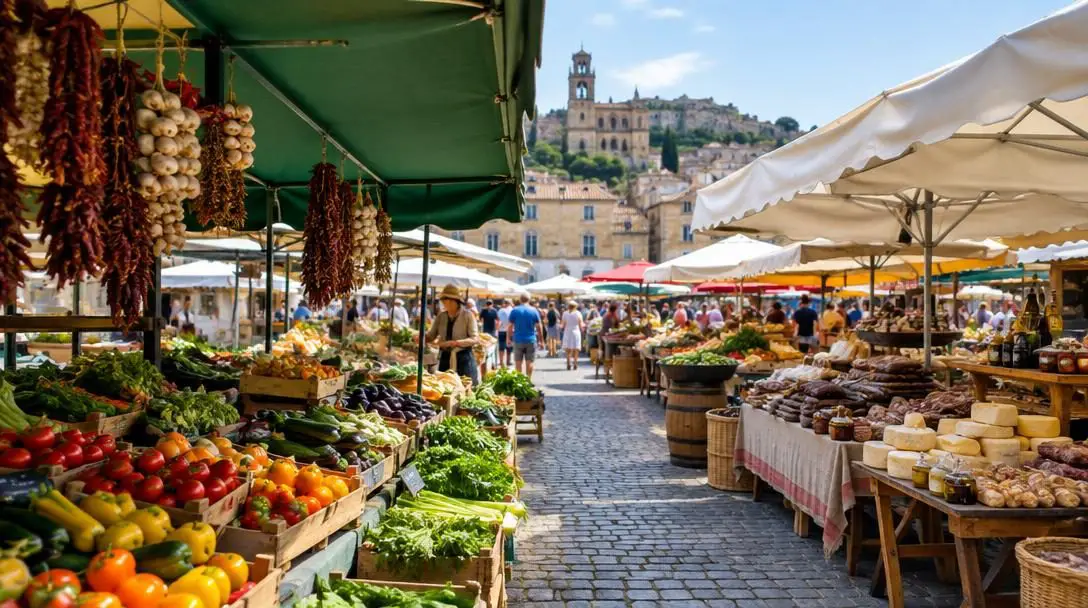
Food is one of the greatest highlights of Thai culture, and finding the best food aligns perfectly with keeping costs down. While high-end sit-down dining rooms and promotional tourist restaurants charge inflated prices, street stalls and busy public food courts offer top-quality cuisine at everyday rates. These dining hubs serve as the backbone of daily life for millions of local residents.
In open communal food courts, dozens of independent operators set up adjacent stalls, serving regional noodle dishes, curries, and stir-fries. Because these vendors compete directly for the patronage of regular workers, prices stay exceptionally low. A hearty, made-to-order meal rarely costs more than $4 to $5, with numerous selections available for $2 or $3. Embracing this culinary model lets you eat exceptionally well three times a day for a fraction of the price charged by Western-style restaurants.
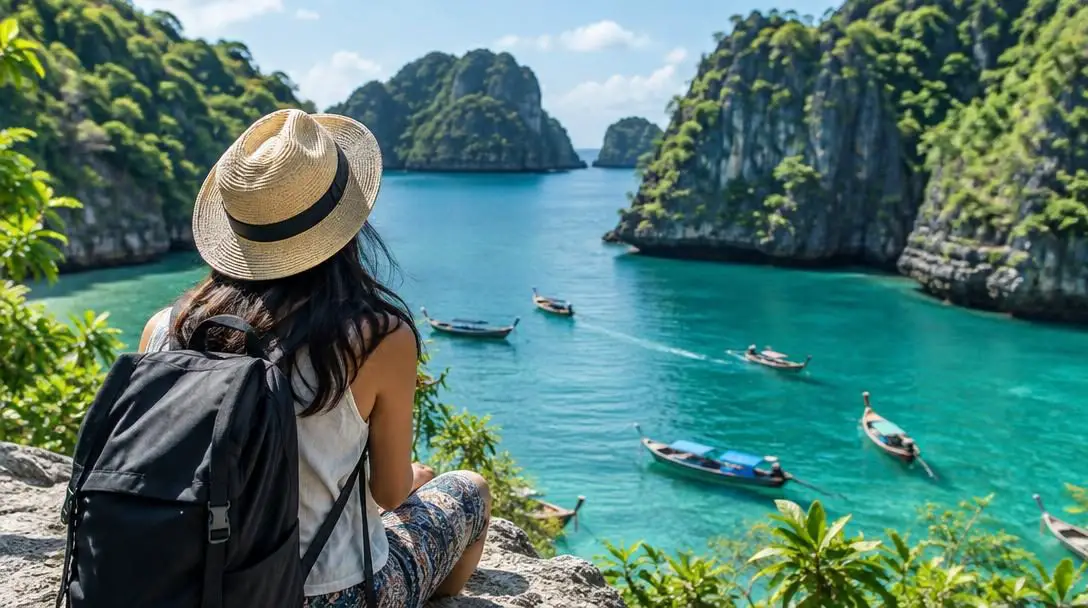
5. Prioritize free urban sights and national parks
- Free Urban Sights: Amulet Market, Lumphini Park, King Prajadhipok Museum
- Iconic Viewpoint: Panoramic terrace of the Golden Mount
- Top Public Preserves: Khao Yai, Khao Sok, and Erawan National Parks
Sightseeing expenses can add up rapidly if you purchase commercial tour packages or visit privately operated entertainment resorts. Instead, shape your daily schedule around historic, cultural, and outdoor attractions that require no entrance fees or carry minimal public charges. Within Bangkok, visitors can spend hours walking through the bustling Amulet Market, soaking in the sights, sounds, and active trades entirely for free.
Additional cost-free capital sights include relaxing along the expansive shaded paths of Lumphini Park, exploring the historical collections at the King Prajadhipok Museum, and walking up the panoramic terrace of the Golden Mount for wide city vistas. When you are ready to venture beyond urban limits, visit Thailand's magnificent public wilderness preserves. Celebrated reserves such as Khao Yai National Park, Khao Sok National Park, and Erawan National Park showcase pristine rainforests, dramatic limestone formations, and native wildlife without the commercial markups found at private tourist resorts.
Common budget pitfalls to avoid
Even with low baseline expenses, visitors can burn through their travel funds by falling into regular tourist traps. Keeping an eye out for these frequent mistakes will ensure your money stays where it belongs:
- Using tuk-tuks for regular daily commutes: Riding a tuk-tuk is a classic novelty, but making it your primary mode of transit is expensive. Because drivers rely on unmetered negotiations, the agreed fare is almost always significantly higher than a standard metered taxi traversing the exact same distance.
- Defaulting strictly to hostel dorms: Travelers frequently fail to check standard hotel rates, assuming a shared dorm bunk is the only economical option. This results in sacrificing privacy when private hotel rooms can be secured for just $5 to $10 per night.
- Dining in high-profile sit-down restaurants: Seeking out establishments marketed as the "best restaurant" or frequenting Western sit-down venues introduces unnecessary price markups. While still cheaper than American restaurants, they charge multiples of what identical food costs at adjacent market stalls.
- Buying keepsakes at cultural markets: Browsing vibrant cultural centers like the Amulet Market is entirely free. The mistake comes when travelers feel obligated to purchase curiosities, converting an otherwise zero-cost cultural walk into an unplanned shopping spree.
- Traveling during peak high-season dates: Booking outside the May-to-October window avoids the monsoon season, but it triggers high-season ticket pricing. Overlooking the transitional off-season window in June means paying the year's highest airfares.
How to organize a low-cost itinerary
Setting up your day-to-day transit, lodging, and sightseeing according to local pricing structures requires only a few logical steps:
- Select an off-season entry point: Book an inbound international flight targeting Bangkok's Suvarnabhumi Airport during the low-season window, prioritizing June for affordable fares and moderate rainfall.
- Base yourself near municipal transit: Choose a two-star or three-star hotel priced between $5 and $10 per night within easy reach of rail lines or metered taxi routes.
- Plan meals around market hubs: Locate neighborhood food courts and street stall clusters to keep your daily food spend between $6 and $15 for three full meals.
- Fill your days with public attractions: Tour free municipal landmarks like Lumphini Park, the Amulet Market, and the King Prajadhipok Museum before paying for commercial tours.
- Connect to wilderness areas by train: Use the state-run railway system for a few dollars to access major protected reserves like Khao Yai, Khao Sok, or Erawan National Park.
Frequently asked questions
Why are metered taxis cheaper than tuk-tuks in Thailand?
Metered taxis operate under government-regulated pricing starting at approximately $1 with incremental increases of about $0.15 per kilometer. Tuk-tuks cater primarily to tourists and operate entirely on unmetered fare negotiations, which almost always result in higher prices than a standard taxi meter.
Which month offers the best balance of low airfare and good weather?
June offers an optimal middle ground. Thailand's off-season spans from May through October due to monsoon rains, with the cheapest flights appearing in July and August. June captures deep off-season ticket discounts before the heaviest rainfall arrives.
Is it necessary to stay in youth hostels to travel Thailand on a budget?
No. Basic private rooms in two-star and three-star hotels often cost between $5 and $10 per night. Comfortable rooms with air conditioning and modern amenities rarely exceed $20 per night, making private accommodations just as cost-effective as shared dorms.
How much should I expect to spend on food per day?
By dining at open public food courts and street food stalls, individual dishes typically cost between $2 and $3, while a hearty full meal costs $4 to $5. A traveler eating three full street meals a day can comfortably eat well for roughly $6 to $15 daily.
Which major airport offers the cheapest flights into Thailand?
Bangkok's Suvarnabhumi Airport (BKK) generally offers the lowest international airfares because it is the country's primary and busiest hub, handling the highest operational flight volumes from global carriers.
The bottom line
Thailand remains one of the world's most rewarding travel destinations, combining world-class cultural treasures and natural wonders with peerless affordability. While the kingdom welcomes 40 million visitors annually and ranks as the globe's top value destination, enjoying its benefits without overspending requires understanding domestic economic structures. By planning arrivals around off-season flight dates, utilizing regulated metered taxis and trains, opting for budget private hotels, dining at authentic food stalls, and prioritizing free cultural sights, travelers can experience the very best of Thailand on an extraordinary budget.