5 Benefits of Music Therapy in Respiratory Health and Wellbeing

Living with chronic respiratory conditions like asthma or chronic obstructive pulmonary disease (COPD) creates persistent daily hurdles that extend far beyond physical breathlessness. Routine tasks such as walking across a room, ascending stairs, or completing light chores can deplete energy reserves, triggering a distressing cycle of physical exhaustion and psychological panic. While conventional pulmonary medicine—including bronchodilators, inhaled corticosteroids, and structured rehabilitation—remains essential for preserving airway stability, integrative therapies are increasingly recognized for addressing the complete physiological and emotional needs of patients.
Among complementary modalities, clinical music therapy has established itself as an evidence-based discipline that bridges mechanical lung rehabilitation and nervous system regulation. By engaging both the somatic and autonomic nervous systems through intentional acoustic interventions, music therapy helps patients retrain breathing patterns, tone vital respiratory musculature, reduce symptom-induced anxiety, and reclaim functional independence.
Key takeaways
- Music therapy functions as an evidence-based clinical modality that combines auditory-motor pacing with emotional and neurological regulation.
- Targeted rhythmic interventions and therapeutic singing strengthen respiratory muscles and improve overall lung mechanics in patients with chronic airway diseases.
- Clinical studies demonstrate measurable improvements in anxiety, breathing efficiency, sleep quality, and daytime fatigue across diverse patient groups.
- Music interventions must serve as a structured complement to physician-prescribed medications and rehabilitation programs rather than a replacement.
How Music Therapy Interacts with the Respiratory System
The human respiratory system is biologically unique because it operates under both autonomic control and conscious, somatic direction. While the brainstem coordinates automatic breathing without voluntary oversight, an individual can actively alter the rhythm, depth, and duration of each inhalation and exhalation. Music therapy leverages this dual control through several interconnected physiological pathways.
A central biological mechanism involves auditory processing and vagus nerve stimulation. Auditory pathways in the brain share deep connections with the vagus nerve, the primary superhighway of the parasympathetic nervous system. Because the vagus nerve directly influences respiration rates, heart rate variability, and bronchial smooth muscle constriction, soothing auditory patterns help blunt the sympathetic "fight-or-flight" response that frequently causes rapid, shallow hyperventilation during episodes of dyspnea.
Music also impacts the body's endocrine balance. Prolonged respiratory distress elevates circulating levels of stress hormones, particularly cortisol and adrenaline, trapping patients in chronic hyper-arousal. Engaging in structured music interventions encourages the release of endorphins, the body's natural neurochemicals for pain relief and relaxation, which decrease physical muscle guarding around the chest wall.
Mechanically, music delivers an external temporal framework through auditory-motor entrainment. When a music therapist introduces steady tempos, individuals naturally align their breath cycles to the acoustic meter. Specialized vocal interventions like therapeutic singing act as an internal calisthenic workout: vocalization requires prolonged, controlled exhalation, which engages the diaphragm and intercostal muscles while counteracting dynamic airway collapse and air trapping.
Music therapy bridges the critical gap between mechanical pulmonary rehabilitation and autonomic nervous system regulation.
5 Benefits of Music Therapy in Respiratory Health and Wellbeing
Integrating clinical music therapy into pulmonary care plans produces measurable advantages supported by peer-reviewed studies. Below are five central benefits for respiratory health and psychological well-being.
Reduction in Stress and Anxiety Levels
Shortness of breath reliably provokes severe anxiety. When air feels restricted, instinctual panic triggers rapid, shallow breathing, which exacerbates airway resistance and leaves more stale air trapped in the lungs. This distressing feedback loop can make minor physical exertion feel overwhelming. Music therapy interrupts this acute panic cycle by down-regulating sympathetic nervous system activity and fostering physical relaxation through endorphin release.
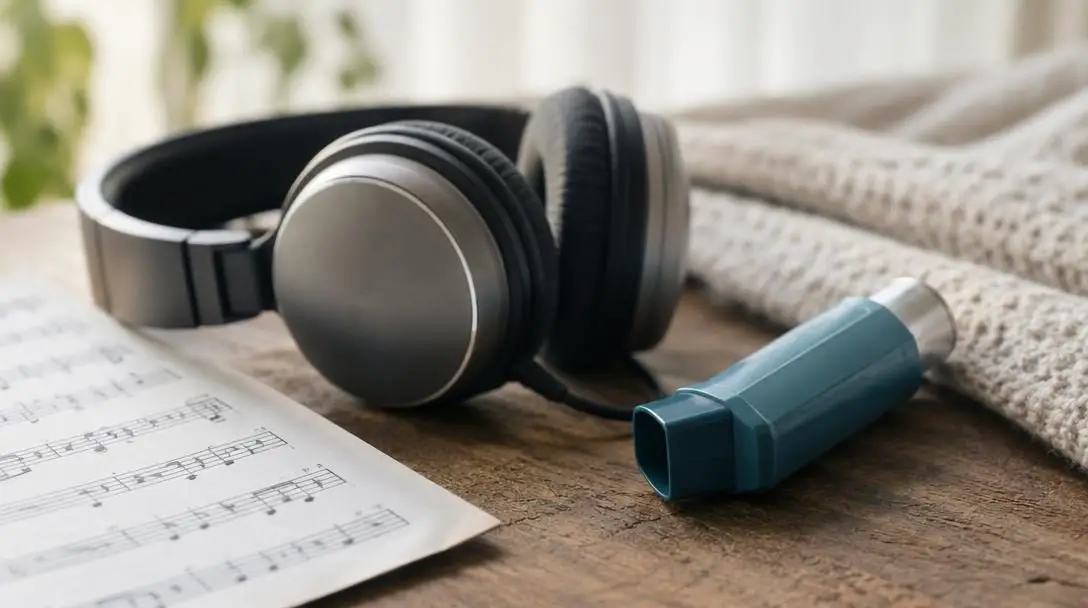
The clinical efficacy of music therapy in high-stress medical environments is well documented. Research published in the Journal of Music Therapy demonstrated that music therapy significantly reduced anxiety levels in patients undergoing bronchoscopy, an invasive diagnostic procedure used to examine the pulmonary airways. By curbing acute anxiety before and during respiratory challenges, patients avoid hyperventilation and maintain more stable physiological parameters.
Improvement in Breathing Patterns
Standard pulmonary rehabilitation relies heavily on controlled breathing techniques, yet many patients find it difficult to sustain these mechanics independently. Music therapy provides an audible, predictable scaffold that makes breath regulation intuitive. Therapists utilize pursed-lip breathing, where patients inhale through the nose and exhale slowly through pursed lips, set to precise musical tempos. This rhythmic extension of exhalation builds positive back-pressure in the airways, preventing bronchial collapse.
A study published in the Journal of Cardiopulmonary Rehabilitation and Prevention confirmed that music therapy protocols improved respiratory muscle strength and endurance in individuals diagnosed with chronic obstructive pulmonary disease (COPD). Consistent musical entrainment trains patients to abandon rapid, shallow chest breathing in favor of controlled, diaphragmatic breath cycles that carry over into everyday activities.
Increased Lung Function
Beyond symptom management, active music interventions provide direct mechanical conditioning for pulmonary tissues. Both receptive listening and active participation stimulate vagal pathways to balance autonomic airway tone. When music therapy incorporates active vocal toning, sustained singing, or the playing of wind instruments, it functions as targeted respiratory muscle training that engages the diaphragm and intercostal musculature.
These functional gains have been observed across various age groups. A study published in the Journal of Asthma reported that music therapy improved lung function metrics and reduced the need for rescue inhalers among pediatric asthma patients. Strengthening the muscular engine of respiration expands functional vital capacity, facilitates airway clearance, and preserves stamina for physical exertion.
Enhanced Mood and Emotional Wellbeing
Coping with an incurable or progressive respiratory condition often limits social interaction, constrains physical mobility, and leads to depressive symptoms. Music therapy offers an expressive, non-verbal and verbal creative outlet that counteracts isolation while stimulating endorphin production. This neurochemical release elevates baseline mood and softens the perception of physical limitation.
The emotional benefits are particularly striking in palliative care contexts. According to a study published in the Journal of Palliative Medicine, music therapy interventions significantly elevated mood and lowered anxiety in hospice patients suffering from advanced respiratory illnesses. When the psychological burden of breathlessness is systematically alleviated, patients report a higher subjective quality of life despite chronic disease progression.

Better Sleep Quality
Restorative sleep is vital for tissue recovery, immune health, and daytime respiratory function. However, chronic lung conditions frequently disrupt nighttime rest through nocturnal coughing, orthopnea, and fear of suffocating during sleep. The resulting exhaustion worsens daytime dyspnea, diminishes physical endurance, and increases sensitivity to pain and stress.
Music therapy serves as a gentle, non-pharmacological aid to encourage sleep initiation and maintenance. By slowing cardiac activity and relieving somatic tension, music promotes deeper stages of rest. A study in the Journal of Advanced Nursing demonstrated that music therapy improved overall sleep quality and reduced daytime fatigue in individuals living with COPD, providing patients with the physiological reserves needed to manage daily respiratory demands.
Clinical Evidence at a Glance
The therapeutic benefits of music interventions in pulmonary medicine are supported by clinical trials spanning distinct patient cohorts and clinical settings:
| Therapeutic Focus | Primary Mechanism | Observed Clinical Outcome | Supporting Journal |
|---|---|---|---|
| Stress & Anxiety | Endorphin release and sympathetic downregulation | Reduced acute procedural anxiety during airway examination | Journal of Music Therapy |
| Breathing Mechanics | Auditory-motor entrainment with pursed-lip exercises | Increased respiratory muscle strength and endurance in COPD | Journal of Cardiopulmonary Rehabilitation and Prevention |
| Lung Function | Diaphragm and intercostal muscle engagement via singing | Improved pulmonary function and reduced rescue inhaler use | Journal of Asthma |
| Emotional Health | Creative expression and neurochemical mood elevation | Enhanced overall mood and lowered distress in hospice care | Journal of Palliative Medicine |
| Sleep Quality | Parasympathetic activation and somatic relaxation | Enhanced sleep duration, decreased nighttime waking, and reduced fatigue | Journal of Advanced Nursing |
Practical Steps for Incorporating Music Therapy
Integrating clinical music therapy into a pulmonary care regimen requires a structured, intentional approach. Patients and caregivers can follow these six practical steps:
- Consult your healthcare team: Speak with your pulmonologist or respiratory therapist before starting. Clarify how musical exercises can coordinate with your current bronchodilator schedules, oxygen therapy, and pulmonary rehabilitation sessions.
- Seek a credentialed music therapist: Find a professional holding board certification in music therapy. A credentialed clinician will evaluate your baseline respiratory capacity, identify physiological limitations, and design tailored protocols.
- Practice guided pursed-lip breathing: Select slow, continuous instrumental music with a stable meter. Inhale slowly through your nose for a set count of beats, and exhale smoothly through pursed lips for twice that duration to empty trapped air.
- Engage in structured vocal exercises: Incorporate vocal toning, humming, and melodic singing as prescribed by your therapist. These exercises tone the vocal folds, engage the diaphragm, and support prolonged exhalation.
- Develop a dedicated relaxation routine: Establish a daily therapeutic window—either during stressful afternoons or directly before bedtime—to listen to calibrated playlists that reduce heart rate and relax chest muscles.
- Track your symptoms and progress: Keep a daily log noting subjective breathing ease, sleep quality, rescue inhaler frequency, and general mood to review during routine clinical appointments.
Common Mistakes to Avoid
Although music therapy is safe and adaptable, specific missteps can reduce its efficacy or cause undue physical strain:
- Replacing prescribed medications: Music therapy is strictly a complementary modality. Discontinuing maintenance inhalers, corticosteroids, or supplemental oxygen in favor of musical exercises creates serious medical risks.
- Confusing passive listening with clinical therapy: Relaxing with commercial music at home offers comfort, but it lacks the targeted physiological pacing, muscle conditioning, and assessment delivered by a certified professional.
- Choosing disruptive music for breathing work: Compositions featuring sudden dynamic shifts, erratic rhythms, or aggressive percussion can trigger involuntary startle reflexes and dysregulate breathing.
- Pushing beyond physical breath limits: Overextending vocal exercises, forcing excessively long exhalations, or holding the breath can cause dizziness, coughing spasms, and acute oxygen desaturation.
Frequently asked questions
Is music therapy safe for individuals with severe COPD or asthma?
Yes, music therapy is non-invasive and highly adaptable for various stages of chronic lung disease. However, it must always complement—never replace—standard medical care, and exercises should remain within the patient's comfortable breathing capacity under clinician guidance.
What is the difference between music listening and clinical music therapy?
While casual listening provides recreational enjoyment, clinical music therapy involves specific, goal-directed interventions designed and monitored by a board-certified professional to target respiratory mechanics, nervous system regulation, and emotional health.
How does therapeutic singing help lung capacity?
Therapeutic singing demands active diaphragmatic engagement, precise breath pacing, and extended exhalation. This acts as a targeted conditioning workout for the diaphragm and intercostal muscles, reducing air trapping and enhancing functional breath control.
Can music therapy reduce the need for asthma inhalers?
Research published in the Journal of Asthma showed a reduction in rescue inhaler use among pediatric asthma patients participating in music therapy. However, changes to medication usage must only be made under the direct supervision of a prescribing physician.
The Bottom Line
Living with chronic respiratory illness involves persistent physical exertion and emotional vigilance. Clinical music therapy offers a scientifically supported, non-pharmacological pathway to ease this burden. By linking the rhythm of music to the mechanics of the breath, patients can strengthen respiratory musculature, quiet chronic anxiety, improve sleep quality, and restore a sense of agency to their daily breathing routines.