Understanding Hypertension: Symptoms, Causes, and Treatment Options

Hypertension represents one of the most critical and widespread public health challenges in modern medicine. Often referred to simply as high blood pressure, this chronic condition quietly develops over years or even decades, exerting relentless mechanical strain across the human vascular system without triggering immediate distress. Because the body gradually accommodates shifting internal pressures, individuals frequently carry dangerously elevated readings for long periods without realizing anything is wrong.
According to data from the World Health Organization (WHO), hypertension is responsible for an estimated 7.5 million deaths worldwide each year, establishing it as a leading global cause of premature mortality. Gaining a comprehensive understanding of how arterial pressure works, the overlapping lifestyle and genetic factors that cause it to climb, the diagnostic assessments clinicians use, and the targeted treatment strategies available is essential for protecting cardiovascular health across a lifetime.
Key takeaways
- Hypertension is often called a silent killer because sustained, vessel-damaging blood pressure routinely produces no noticeable physical symptoms.
- A standard healthy blood pressure reading is approximately 120/80 mmHg, tracking systolic force during heart contraction and diastolic force during cardiac rest.
- Uncontrolled high blood pressure inflicts long-term microvascular damage on the heart, brain, kidneys, and eyes.
- Effective management pairs lifestyle modifications—such as dietary sodium reduction, exercise, and weight management—with targeted medications or procedural therapies.
Understanding Blood Pressure Numbers and Vascular Mechanics
To understand the clinical danger of hypertension, one must first examine the physics of normal circulation. The human circulatory system relies on the heart as a central muscular pump. With every beat, oxygenated blood is propelled outward through an extensive network of elastic blood vessels known as arteries. As this fluid volume travels through the arterial tree, it pushes outward against the delicate inner lining of the vessel walls. The quantifiable measurement of this force is what clinicians record as blood pressure.
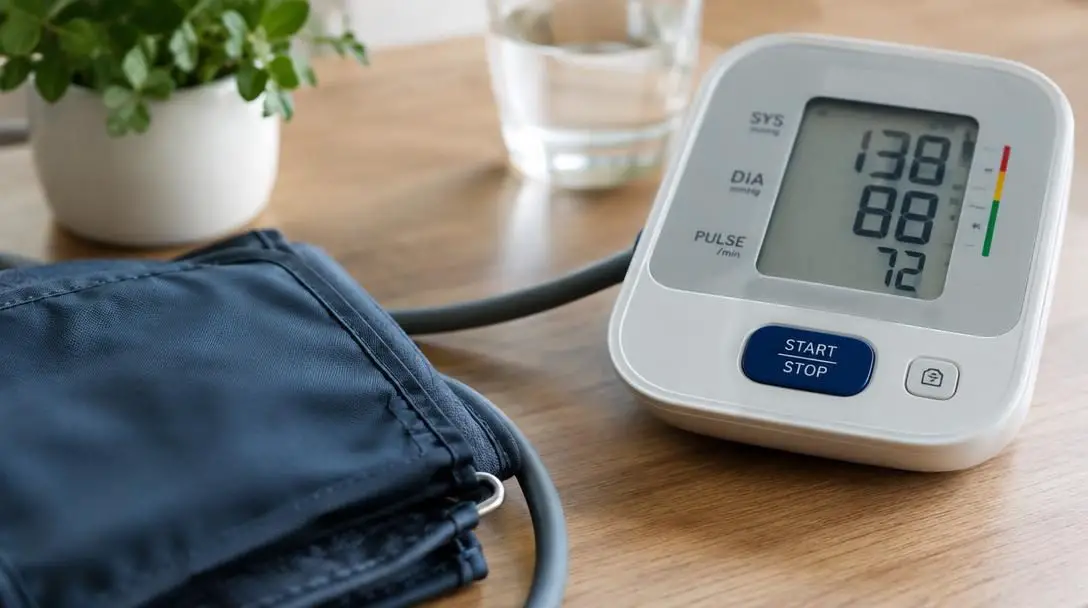
Using an inflatable arm cuff, healthcare professionals record arterial pressure in millimeters of mercury (mmHg). The resulting evaluation yields two distinct figures, typically presented as a ratio such as 120/80 mmHg:
- Systolic Pressure: The top or first numerical value measures the peak pressure exerted against the arterial lining at the precise moment the heart muscle contracts, forcefully discharging blood into systemic circulation.
- Diastolic Pressure: The bottom or second numerical value measures the residual pressure resting inside the arterial network when the heart relaxes between consecutive contractions to refill with blood.
Under clinical standards, a measurement hovering around 120/80 mmHg represents normal baseline pressure. When a patient registers readings that are consistently elevated beyond these recognized limits across multiple independent tests, a formal diagnosis of hypertension is made.
Persistent mechanical force transforms resilient, flexible arterial walls into rigid and narrowed channels, forcing the heart to work substantially harder with every single beat.
Healthy arteries are naturally elastic and pliant, stretching and rebounding rhythmically to buffer the surges of blood created by the beating heart. However, prolonged exposure to excessive pressure causes microscopic tears and sustained structural stress within the endothelial lining. Over time, the vascular walls become thicker, stiffer, and noticeably narrowed. Because the blood vessels lose their ability to accommodate fluid easily, the heart is forced to exert greater effort to circulate blood, gradually weakening the cardiac muscle while depriving peripheral capillary beds—most notably in the kidneys, brain, and retinas—of adequate, regulated perfusion.
Recognizing Symptoms and Critical Warning Signs
The primary reason hypertension poses such a catastrophic health threat is its fundamentally asymptomatic nature. Vast numbers of people live with severe, organ-damaging blood pressure levels while feeling completely energetic and functional. It is a dangerous misconception that elevated blood pressure consistently produces obvious discomfort or reliable physical indicators.
When systemic blood pressure surges into acutely dangerous ranges or places severe, sudden strain on the vascular network, distinct symptoms can emerge. Patients experiencing these hypertensive crises or severe elevations may report:
- Frequent, persistent, or throbbing headaches
- Bouts of dizziness, unsteadiness, or lightheadedness
- Blurred vision or unexpected visual disturbances
- A feeling of tightness, pressure, or overt chest pain
- Unexplained shortness of breath during routine physical tasks
Because these warning signs can easily stem from unrelated physiological problems, their presence does not definitively prove blood pressure is high, nor does their complete absence prove blood pressure is healthy. The only foolproof technique for confirming arterial pressure is objective clinical measurement.
Causes and Compounding Risk Factors
Hypertension rarely develops from a single, isolated trigger. Instead, it typically emerges from an intersection of daily lifestyle patterns, preexisting metabolic or structural medical disorders, and unmodifiable physiological characteristics.
Daily choices and habits wield an enormous influence over vascular resistance. Elevated intake of dietary sodium forces the kidneys to retain excess water, expanding total intravascular volume and driving internal pressure upward. Conversely, eating patterns lacking in fresh vegetables, whole grains, and fruits fail to provide the essential nutrients required for optimal vascular tone. Physical inactivity reduces overall cardiac conditioning, forcing an unconditioned heart to labor harder to sustain circulation. Furthermore, tobacco smoking introduces chemical toxins that actively damage the smooth inner lining of the arteries while prompting immediate, temporary spikes in blood pressure. Unmanaged chronic psychological stress causes regular surges of stress hormones, which constrict arterial pathways and elevate the resting heart rate.
Beyond lifestyle contributors, multiple chronic medical disorders directly disrupt systemic blood pressure control. Underlying conditions that frequently induce or accelerate hypertension include:
- Diabetes: Elevated blood sugar damages vascular structures and impairs normal endothelial elasticity over time.
- Chronic Kidney Disease: When renal filtering capacity declines, the body struggles to balance fluids and electrolytes, directly causing fluid overload and elevated systemic pressure.
- Sleep Apnea: Repeated drops in blood oxygen during disrupted sleep trigger sudden surges in central sympathetic nervous activity, elevating nighttime and daytime blood pressure.
Finally, non-modifiable factors establish baseline vulnerability. Genetics play a major role, meaning individuals with a documented family history of high blood pressure face a substantially higher likelihood of developing the condition themselves. Age is an equally unavoidable factor; decades of mechanical wear cause arterial walls to gradually lose their supple, youthful elasticity, predisposing older individuals to elevated systolic numbers.
Clinical Diagnostic Tools and Evaluations
Because an isolated high reading can stem from momentary emotional stress, acute anxiety, caffeine intake, or physical exertion, clinicians do not diagnose hypertension on the basis of a single measurement. Instead, doctors require consistently elevated readings recorded across multiple separate appointments before establishing a formal medical diagnosis.
Once high blood pressure is verified, healthcare providers conduct comprehensive clinical investigations to check for secondary causes and evaluate whether any internal organ damage has already occurred. The primary diagnostic tools utilized include:
- Blood Tests: Laboratory panels measure baseline kidney function, circulating electrolytes, and fasting blood sugar levels, helping physicians identify underlying diabetes or renal dysfunction.
- Urine Tests: Urinalysis checks for the presence of microscopic proteins or markers of renal filtration stress, revealing early kidney damage caused by vascular strain.
- Electrocardiogram (ECG): By recording the minute electrical signals moving through cardiac tissue, an ECG reveals irregular heart rhythms and structural enlargement of heart chambers resulting from prolonged overwork.
- Echocardiogram: This non-invasive ultrasound examination visualizes the heart's valves, chambers, and muscle walls in real time, assessing how effectively the muscle pumps and whether the ventricular walls have abnormally thickened.
- Cardiac Stress Tests: By tracking heart performance and arterial pressure while the patient walks on a treadmill or pedals a stationary bicycle, clinicians assess how the cardiovascular system manages elevated physical workloads.
Pharmacological and Procedural Interventions
When lifestyle adjustments alone fail to return arterial pressure to safe ranges, medical providers prescribe targeted pharmaceutical therapies. Because high blood pressure can stem from fluid overload, elevated heart output, or constricted blood vessels, different classes of medication address distinct physiological mechanisms.
| Medication Class | Primary Mechanism of Action | Main Cardiovascular Effect |
|---|---|---|
| Diuretics | Stimulate kidneys to excrete sodium and water | Reduces total blood volume in the arteries |
| Beta-Blockers | Block adrenaline effects on cardiac beta receptors | Slows heart rate and diminishes contraction force |
| ACE Inhibitors | Block formation of blood-vessel-constricting hormones | Relaxes and expands the arterial network |
| Calcium Channel Blockers | Prevent calcium entry into heart and arterial muscle cells | Relaxes vascular smooth muscle for easier flow |
Diuretics
Often referred to as water pills, diuretics encourage the kidneys to filter elevated amounts of sodium and water out of the bloodstream and into the urine. By shedding this excess fluid volume, total intravascular pressure decreases, significantly reducing the mechanical workload placed on arterial walls.
Beta-Blockers
These pharmaceutical agents interrupt the action of sympathetic stress hormones on the cardiovascular system. By reducing the overall resting heart rate and diminishing the muscular force exerted with every heartbeat, beta-blockers reduce the cardiac output pumped into circulation, effectively dampening arterial pressure.

Angiotensin-Converting Enzyme (ACE) Inhibitors
ACE inhibitors work biochemically by suppressing the body's synthesis of angiotensin II, a potent natural hormone that drives systemic vasoconstriction. By preventing this hormone from constricting blood vessels, the medication encourages the entire arterial network to dilate, relax, and expand, allowing blood to circulate under lower resistance.
Calcium Channel Blockers
Muscle cells lining the arterial walls and cardiac chambers require calcium ions to contract forcefully. Calcium channel blockers selectively inhibit the cellular transport of calcium into these muscle cells. Consequently, the smooth muscle surrounding blood vessels relaxes, widening arterial lumens and facilitating unimpeded blood flow.
Renal Denervation
For individuals dealing with treatment-resistant hypertension that does not respond adequately to multi-drug medical regimens, advanced interventional procedures may be considered. Renal denervation is a minimally invasive catheter procedure that applies focused energy to selectively ablate or disrupt the overactive sympathetic nerve fibers running along the renal arteries, quieting excessive neurological signaling that drives blood pressure skyward.
Angioplasty
When high blood pressure is directly caused or aggravated by the mechanical narrowing of major blood vessels—such as renal artery stenosis—physicians may perform an angioplasty. During this catheter-based intervention, a specialist guides a tiny deflated balloon directly into the narrowed vascular segment and inflates it, widening the vessel passage and restoring unrestricted blood flow to critical organs.
Lifestyle Strategies for Lowering Blood Pressure
Every clinical guideline underscores that lifestyle modifications form the foundation of hypertension prevention and ongoing therapy. Even when medications are deemed necessary, daily habits dictate how effectively those drugs work and can frequently lower the dosage required.
- Achieve and maintain a healthy weight: Extra body weight forces the heart to push blood through larger volumes of tissue. Losing even a modest amount of excess weight yields measurable reductions in both systolic and diastolic measurements.
- Shift toward a nutrient-rich, low-sodium diet: Emphasize meals based on fresh produce, legumes, and whole grains while aggressively limiting processed foods, packaged meals, and restaurant takeout, which contain heavy amounts of hidden sodium.
- Establish consistent aerobic activity: Commit to at least 150 minutes of moderate aerobic exercise every week. Activities like brisk walking, lap swimming, and recreational cycling build cardiovascular endurance, allowing the heart to circulate blood with far less resistance.
- Eliminate tobacco consumption: Quitting all smoking and tobacco products stops ongoing chemical damage to the vascular endothelium and prevents abrupt nicotine-induced spikes in vascular tension.
- Moderate alcohol consumption: Limiting alcohol intake relieves metabolic strain on liver function and avoids unnecessary elevations in autonomic blood pressure stimulation.
- Develop intentional stress reduction practices: Integrate structured relaxation practices into everyday life. Techniques such as deep diaphragmatic breathing, mindfulness meditation, or daily outdoor walks help blunt the release of vessel-constricting stress hormones.
- Maintain consistent clinical surveillance: Schedule regular preventive checkups with a healthcare provider to ensure readings remain within designated target ranges, allowing emerging issues to be caught before vascular damage occurs.
Common Pitfalls in Blood Pressure Management
Managing high blood pressure requires vigilance and consistency. Unfortunately, because the disease rarely causes pain, patients frequently fall victim to predictable behavioral and conceptual mistakes that jeopardize their long-term health:
- Equating the absence of symptoms with safety: Assuming that feeling energetic and pain-free means blood pressure is healthy is the single most pervasive mistake in cardiovascular care. Arterial degradation happens silently.
- Stopping medications once readings normalize: When blood pressure drops back into the normal range, patients sometimes assume their condition is cured and stop their prescriptions. In reality, normal numbers prove the medication is functioning as intended; discontinuing pills almost always triggers a rebound spike.
- Relying entirely on pharmaceuticals while neglecting lifestyle: Prescription medications cannot neutralize the systemic cardiovascular damage caused by smoking, intense dietary sodium intake, severe stress, and chronic physical inactivity. Drug therapy is designed to supplement healthy living, not replace it.
- Ignoring hidden sodium in modern diets: Simply removing the salt shaker from the dinner table is not enough. The vast majority of excessive dietary sodium comes packaged inside commercially processed foods, pre-made sauces, canned goods, and restaurant meals. Careful label reading is necessary to keep daily intake in check.
- Relying on rare, sporadic measurements: Measuring blood pressure only once a year at an annual physical fails to provide an accurate portrait of overall cardiovascular health. Consistent tracking under relaxed, repeatable conditions provides the actionable data doctors need.
Frequently asked questions
Why is hypertension called the "silent killer"?
Hypertension earned this title because it rarely produces obvious symptoms or daily physical discomfort, even when arterial pressures reach dangerously high levels. As a result, individuals often live for years without realizing their vascular system, heart, and kidneys are sustaining continuous, cumulative damage.
What do the systolic and diastolic numbers mean?
The top (systolic) number measures the maximum pressure exerted against arterial walls when the heart contracts and pumps blood out into the body. The bottom (diastolic) number measures the residual pressure remaining in the arteries when the heart rests and refills between beats.
Can high blood pressure be cured permanently?
For most people, primary hypertension is a chronic condition that must be actively managed throughout life rather than cured permanently. While healthy lifestyle choices and medications can bring readings down into normal ranges, stopping treatment or reverting to unhealthy habits will typically cause blood pressure to rise again.
How does excess sodium raise blood pressure?
Excess sodium prompts the body to pull extra water into the bloodstream through osmosis. This expansion of total intravascular fluid volume increases the mechanical force against arterial walls, elevating systemic blood pressure and making the heart work harder.
Why do doctors take multiple readings before diagnosing hypertension?
Blood pressure fluctuates naturally throughout the day in response to anxiety, recent physical movement, caffeine, or clinical stress (often called white-coat syndrome). To avoid misdiagnosis, healthcare providers require consistently elevated readings across separate visits before confirming high blood pressure.
The bottom line
Hypertension is a quiet yet formidable condition that affects millions of people globally, driving serious long-term complications including stroke, heart failure, renal impairment, and vision loss. Because it develops without pain or early warning signals, proactive health monitoring is the only definitive way to detect elevated pressure before irreversible vascular damage occurs.
Whether through adopting a nutrient-rich diet, engaging in daily physical activity, shedding excess weight, or adhering to proven pharmacological treatments, controlling high blood pressure is entirely achievable. By partnering with healthcare providers and remaining consistent with everyday healthy habits, individuals can protect their blood vessels, ease the workload on their hearts, and safeguard their long-term health.