5 Benefits of Using Mobile Location Tracker Services

Mobile location tracker services have evolved from specialized positioning systems into an indispensable capability woven directly into modern electronics. Rather than relying on bulky standalone navigation units, today's consumer smartphones and connected wearables leverage sophisticated internal operating frameworks to pinpoint physical coordinates. These tools communicate live positioning data across mobile operating systems, native software utilities, and connected web dashboards, transforming raw coordinates into actionable everyday insights.
Because modern smartphones are almost constantly carried by their owners, location awareness has shifted from an occasional aid used during cross-country road trips into an ongoing backdrop for personal life, household management, commercial logistics, and scientific fieldwork. By examining the fundamental advantages of location tracking technology—along with the network architectures that support it—users can better harness these capabilities to safeguard family members, recover valuable equipment, improve workplace workflows, and meet personal wellness benchmarks.
Key takeaways
- Mobile location tracking integrates global satellite networks, cellular towers, Wi-Fi databases, and movement sensors to deliver real-time geographic coordinates.
- The technology enhances personal safety through travel route verification, parental check-ins, and rapid emergency coordination.
- Day-to-day convenience is expanded by simplifying social meetups and offering remote recovery options for lost or stolen devices.
- Commercial enterprises use location tracking to supervise off-site staff, prevent time theft, and optimize logistical delivery routes.
- Health and ecological applications range from chronic illness management and fitness metrics to urban pollution indexing and wildlife migration studies.
Core Technologies Powering Modern Location Tracking
To appreciate how tracking platforms deliver geographic coordinates, it helps to understand the underlying infrastructure. Modern mobile devices do not rely on a single sensor; instead, they combine several distinct inputs to calculate a user's location with varying degrees of precision depending on local conditions.
Global Navigation Satellite Systems (GNSS), which include networks like GPS, provide the most precise positioning in unobstructed outdoor spaces. Satellites orbiting the planet broadcast signals encoded with atomic timestamps. By determining the microsecond delays between signals arriving from multiple satellites, a device uses mathematical trilateration to fix its exact latitude, longitude, and elevation.
When physical obstructions block the sky, devices transition to cellular network triangulation. Mobile phones maintain frequent communication with local cellular transmission towers. By assessing signal attenuation and transit time across adjacent base stations, the carrier network computes an estimated geographic radius. While less pinpointed than satellite positioning, cellular triangulation functions reliably in dense environments and during overcast weather.
For indoor environments where structural walls weaken satellite reception, wireless network positioning takes over. Devices detect the unique identifiers of nearby Wi-Fi access points and measure their relative signal strength against public and proprietary network registries. Supplementing these radio systems are internal inertial movement sensors—including accelerometers, digital compasses, and gyroscopes—which continuously calculate direction, speed, and step cadences between network pings.
| Positioning Method | Optimal Environment | Primary Signal Source | Relative Accuracy | Battery Impact |
|---|---|---|---|---|
| GNSS / Satellite | Open outdoor areas, highways | Orbital satellite constellation | High (within meters) | High |
| Cellular Triangulation | Suburban corridors, transit routes | Cellular carrier towers | Moderate (hundreds of meters) | Low |
| Wi-Fi Positioning | Indoor venues, urban centers | Local wireless access points | Moderate to High indoors | Moderate |
| Internal Sensors | Tunnels, basements, dead zones | Accelerometers and gyroscopes | Short-term relative precision | Very Low |
Five Key Benefits of Mobile Location Tracker Services
Modern location services deliver measurable advantages across multiple aspects of daily life. The most notable advantages fall into five primary areas: personal safety, personal convenience, operational efficiency, health and fitness management, and broader environmental initiatives.
Safety and Personal Security
The primary advantage of mobile location tracking is the substantial improvement it offers to personal security. When traversing unfamiliar cities, poorly illuminated pedestrian routes, or late-night transit corridors, real-time spatial awareness keeps individuals oriented and prevents them from wandering into hazardous or isolated environments.
For parents and caregivers, location tracking provides invaluable peace of mind. Connected tracking applications allow parents to confirm that children have safely arrived at school, returned home, or reached scheduled social activities. When children travel long distances for sports competitions, field trips, or community events, parents can monitor transit progress without constantly interrupting the child with calls or messages. In an emergency, first responders and family members can determine a person's exact physical coordinates instantly.
Everyday Convenience and Device Recovery
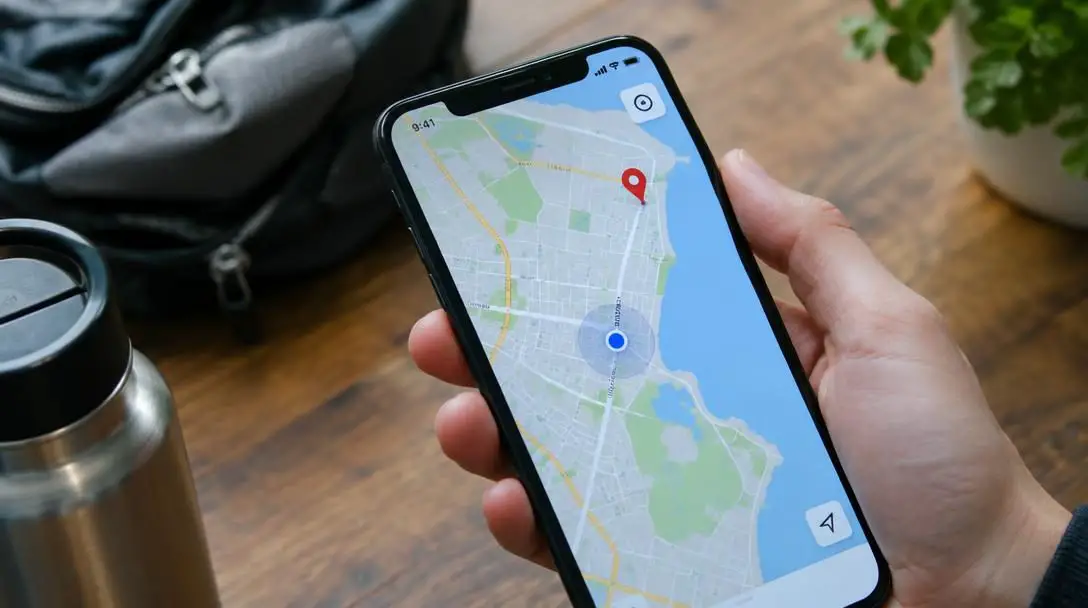
Beyond emergency security, location-aware software simplifies everyday logistical headaches. A major benefit is the ability to locate lost or stolen smartphones. Smartphones carry sensitive banking apps, private messages, personal photographs, and business documents. Built-in remote location tools pinpoint a missing phone's location on an interactive map, allowing owners to retrieve it or remotely lock and wipe the system before unauthorized individuals gain access.
Location tracking also removes friction during social gatherings. Finding friends in crowded parks, festival venues, or sprawling shopping centers often leads to confusing phone calls and poor landmark descriptions. By temporarily sharing a live location beacon, groups can coordinate meetups seamlessly and navigate directly toward one another without frustration.
Real-time spatial awareness transforms everyday mobile devices from passive communication tools into responsive, active systems for personal protection and convenience.
Operational Efficiency and Workforce Logistics
For commercial enterprises, field services, and logistics fleets, mobile tracking is a powerful driver of workplace productivity. Business operators who employ remote field technicians, maintenance crews, or on-site workers can verify that team members have arrived at scheduled job sites. This visibility minimizes unauthorized time misuse, improves dispatch accountability, and ensures customer appointments are honored promptly.
Delivery networks benefit considerably from route optimization features supported by location tracking. Software systems route drivers around congested traffic corridors directly to delivery docks and doorsteps. By cutting down wrong turns and transit idling, businesses maintain strict delivery schedules, preserve vehicle lifespan, reduce fuel waste, and strengthen customer trust through dependable delivery estimates.
Fitness, Health, and Chronic Care Support
Location data plays a central role in contemporary wellness, exercise analysis, and medical oversight. Modern fitness platforms use tracking to document physical training metrics, recording travel paths, average pace, overall distance, elevation gains, and estimated calories burned during running, walking, or cycling workouts. Maintaining an objective record of completed workouts assists athletes and casual fitness enthusiasts in setting realistic goals and monitoring physical improvement over time.
For individuals managing chronic medical conditions, such as diabetes, location tracking adds useful context to ongoing health routines. Integrated medical and lifestyle applications can correlate geographic habits with blood sugar fluctuations, meal timings, and prescribed medication schedules. Patients can set location-triggered reminders—such as an alert to check glucose levels upon arriving at the gym or entering a dining establishment—helping build positive habits that mitigate chronic complications.
Environmental Awareness and Wildlife Research
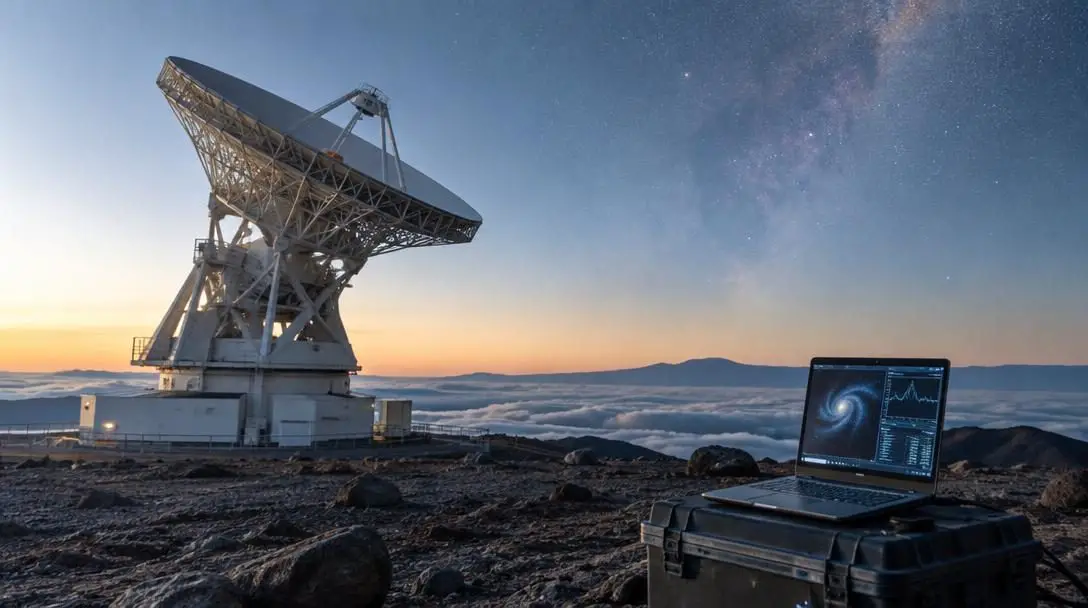
The utility of geographic positioning extends well beyond human logistics to support ecological research and environmental preservation. Wildlife biologists place tracking collars and location-aware tags on wild animals to monitor migration corridors, breeding zones, and territory boundaries. These movement datasets give researchers valuable insight into how shifting climate patterns impact native species, helping conservation groups design protected corridors and safeguard endangered populations.
In municipal settings, mobile location tracking aids urban environmental health programs. Connected sensors deployed on transit fleets or carried via crowdsourcing tools collect air quality indicators and noise levels across varied sectors. City administrators use these geographic overlays to identify localized pollution hotspots, redirect heavy transit vehicles, and implement data-backed environmental interventions that benefit community health.
How to Set Up and Configure Location Tracking Responsibly
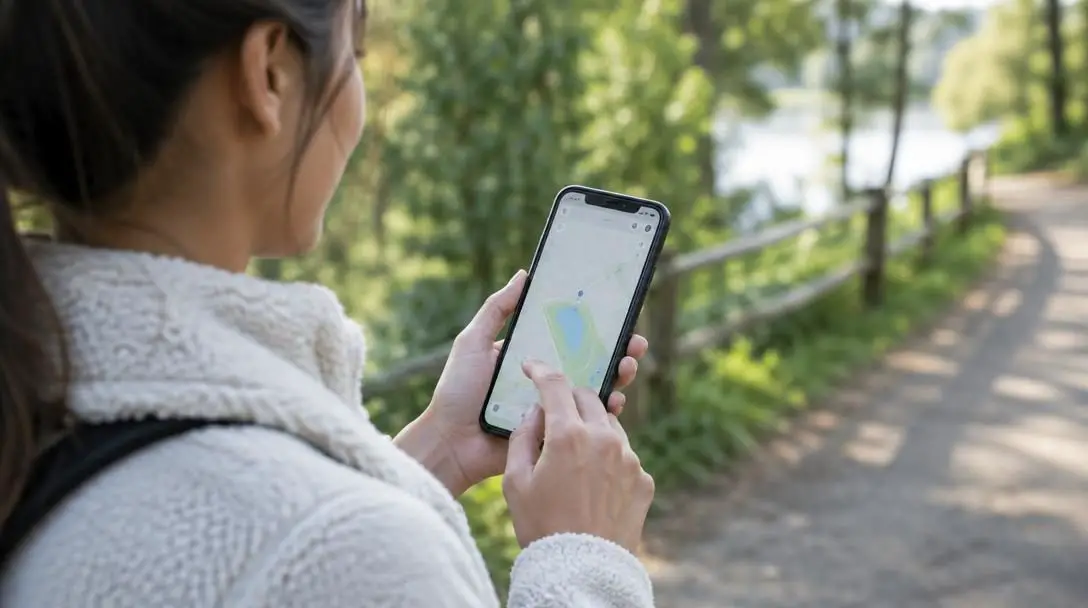
To gain the advantages of location services while preserving battery life and personal privacy, configure your device intentionally. Follow these progressive steps to set up tracking safely:
- Activate native operating system recovery utilities: Turn on built-in services like Apple Find My or Google Find My Device. Ensure remote locate, lock, and erase capabilities are toggled on so you can track your device if it is misplaced.
- Audit and restrict application permissions: Open your smartphone's privacy settings and examine which apps have access to your positioning data. Set apps to access location only while actively open, reserving continuous background tracking for essential navigation or safety tools.
- Configure location sharing with trusted contacts: Select an established communication or parental software tool to establish mutual location sharing with spouses, family members, or children. Verify that everyone involved understands when their coordinate data is visible.
- Calibrate health and fitness tools: Launch your preferred activity tracking or wellness apps, authorize necessary workout permissions, and enter baseline information such as step goals and workout tracking parameters.
- Adjust background refresh and power management: Check the device's battery optimization settings. Exempt critical emergency tracking tools from aggressive power savers while restricting background data refresh for non-essential applications.
Common Mistakes to Avoid With Location Services
While location tracking provides significant benefits, poor configuration or thoughtless implementation can cause battery problems, security vulnerabilities, or interpersonal strain. Be sure to avoid these frequent oversights:
- Granting indiscriminate location permissions: Many games, shopping portals, and social media platforms request location access during installation despite having no technical need for it. Granting blanket permission exposes your travel patterns and drains system memory.
- Overestimating indoor positioning accuracy: Satellite signals struggle to penetrate steel, concrete, and sub-ground structures. Expecting pinpoint accuracy inside multi-story parking garages, subway stations, or department stores can cause confusion when your digital beacon wanders.
- Implementing covert or uncommunicated family tracking: Monitoring family members without clear, transparent discussions often damages interpersonal trust. Establish clear agreements with teenagers and relatives, framing location sharing around personal security, mutual assistance, and travel convenience.
- Delaying emergency recovery setup: A common error is attempting to locate a lost device only after it has disappeared. If native recovery utilities are not paired with an active account beforehand, recovering a missing device is almost impossible.
- Ignoring rapid battery drain: Leaving multiple resource-intensive navigation or live-streaming tracking tools operating concurrently in the background can deplete a battery before the day concludes, leaving you without communications when you need them most.
Ongoing Management and Future Considerations
Because digital habits and personal environments shift over time, location tracking configurations should not remain static. Periodically auditing your device settings ensures that tracking remains an asset rather than a privacy liability or battery drain.
Schedule a routine quarterly audit of all installed applications. Delete unneeded software and revoke location privileges from tools that no longer require them. Reviewing your sharing list ensures you are not broadcasting coordinates to acquaintances, former coworkers, or outdated contact groups.
Family tracking strategies should also adapt as children grow older. While close oversight is appropriate for young children walking to school, older adolescents benefit from shifting toward mutual check-in agreements or travel-specific tracking during long road trips. This balanced approach protects safety while respecting individual autonomy.
For business owners and fleet supervisors, tracking policies require clear operational boundaries and transparent guidelines. Document what data is gathered, when tracking is active, and how that information is stored. Operating within established legal privacy frameworks ensures workforce management technology improves operational throughput without eroding employee trust.
Frequently asked questions
How accurate is mobile location tracking indoors compared to outdoors?
Outdoor location tracking using satellite systems like GPS is typically accurate within a few meters when skies are clear. Indoors, satellite signals are degraded by concrete, metal, and roofing materials. Devices then rely on cellular triangulation and nearby Wi-Fi network directories, which usually reduces positional precision to a broader radius of 10 to 50 meters.
Can I locate my smartphone if it has run out of battery or is turned off?
If a phone is powered down, live GPS tracking cannot calculate real-time movements. However, most modern operating systems log the device's last known location just before the battery died or the network disconnected. Some newer devices also maintain low-power Bluetooth beaconing that adjacent devices can detect, helping you locate a turned-off phone nearby.
How does location tracking assist with chronic illnesses like diabetes?
Tracking software supports chronic disease management by linking physical coordinates to health schedules. Applications can prompt users to test blood sugar levels, log meals, or administer medication upon arriving at gyms, workplaces, or restaurants. Location tracking also logs exercise distances and activity burns, providing an objective overview of how physical exertion influences metabolic control.
Why does continuous GPS tracking consume so much smartphone battery?
Continuous GPS tracking requires the device's dedicated positioning chip and cellular radio to run constantly, pinging satellites, calculating complex mathematical trilateration algorithms, and uploading coordinate updates across mobile data connections. This uninterrupted processing and antenna activity drains the battery far faster than standard background standby operations.
What is the difference between cellular triangulation and Wi-Fi positioning?
Cellular triangulation measures the timing delay and relative signal strength between your phone and multiple nearby cellular carrier towers to approximate your location across a broader area. Wi-Fi positioning scans for local wireless access points and matches their unique addresses against known geographic databases, which provides better accuracy inside commercial buildings and urban centers.
The bottom line
Mobile location tracking services have moved far beyond basic driving directions to become a comprehensive framework supporting everyday safety, organizational efficiency, personal fitness, and conservation research. By understanding the technologies behind satellite trilateration, cellular triangulation, and Wi-Fi positioning, users can configure their devices thoughtfully. Regular permission audits, transparent family communication, and proactive device security ensure you enjoy the full benefits of location awareness while safeguarding your privacy and battery life.