5 Best Chicago Cubs First Round Draft Picks
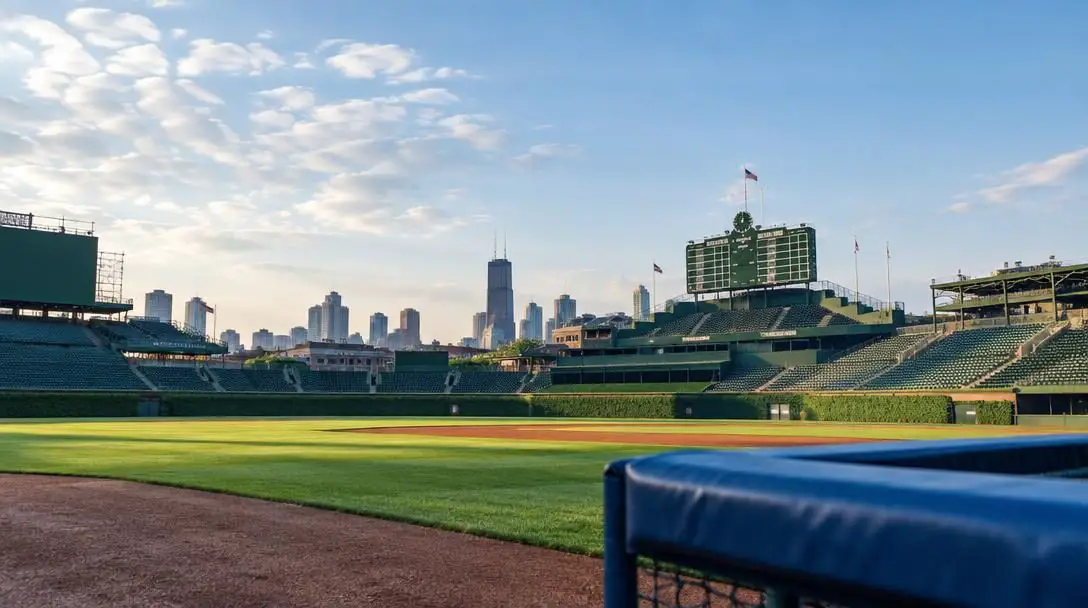
Every summer, the Major League Baseball First-Year Player Draft offers franchises an opportunity to alter their competitive trajectories in a single afternoon. While conventional baseball wisdom suggests that opening-round selections carry the highest probability of stardom, amateur scouting remains an unpredictable pursuit where late-round picks occasionally outshine early favorites. Throughout their storied history, the Chicago Cubs have experienced both extremes of this drafting reality, selecting franchise cornerstones who redefined baseball on the North Side alongside high-profile selections who never quite reached the big leagues.
Assessing the best first-round choices in Cubs history requires distinguishing between overall career accomplishments and the tangible production delivered while wearing a Chicago uniform. Certain standout talents, such as Josh Donaldson, blossomed into stars after departing the organization, meaning their ultimate achievements did not directly benefit the Wrigley Field faithful. By narrowing the scope to North Side contributions, hardware, postseason heroics, and sustained excellence, five distinct players separate themselves from the rest of the franchise's first-round ledger.
Key takeaways
- Evaluating draft success requires prioritizing a player's direct impact in Chicago over accomplishments attained later with other organizations.
- Shawon Dunston stands alone as the only player in Chicago Cubs franchise history selected with the number-one overall draft pick.
- Core members of the historic 2016 World Series championship roster, including Kris Bryant, Javier Baez, and Kyle Schwarber, were home-grown first-round selections.
- Kerry Wood produced arguably the greatest single-game pitching performance in baseball history during his 1998 Rookie of the Year campaign.
The legacy of first-round drafting on the North Side
Building a sustained contender in Major League Baseball demands disciplined talent identification, player development, and roster execution. For the Chicago Cubs, navigating the first round has historically presented a mix of legendary triumphs and cautionary tales. When front offices align scouting intuition with patient minor-league instruction, top picks can evolve into championship anchors. Several respected players came remarkably close to cracking the top tier of all-time Cubs selections, including Rafael Palmeiro, Nico Hoerner, Mark Prior, and Corey Patterson, each leaving a lasting imprint during their respective eras.
The standard for genuine first-round excellence goes beyond longevity; it requires transforming regular-season consistency into defining postseason achievements. The ultimate standard of draft performance for the Cubs remains the multi-year competitive window that culminated in breaking the franchise's 108-year championship drought.
Evaluating historical draft value requires looking past raw career totals to examine what a player truly delivered while wearing the home uniform.
At a glance: Chicago's premier first-round selections
| Player | Draft Year | Draft Pick | Cubs Tenure | Primary Position | Key Accolades with Chicago |
|---|---|---|---|---|---|
| Kris Bryant | 2013 | 2nd Overall | 7 Seasons | Third Base | 2015 NL Rookie of the Year, 2016 NL MVP, World Series Champion |
| Kerry Wood | 1995 | 4th Overall | 12 Seasons | Right-Handed Pitcher | 1998 NL Rookie of the Year, 20-Strikeout Game |
| Javier Baez | 2011 | 9th Overall | 8 Seasons | Shortstop | 2x All-Star, 2020 Gold Glove, World Series Champion |
| Shawon Dunston | 1982 | 1st Overall | 12 Seasons | Shortstop / Outfield | 2x All-Star, 175 Franchise Stolen Bases |
| Kyle Schwarber | 2014 | 4th Overall | 6 Seasons | Outfield | 121 Home Runs, World Series Champion |
The 5 best Chicago Cubs first-round draft picks
The following five players delivered extraordinary value to the Cubs organization after hearing their names called in the opening round, earning individual awards, delivering iconic moments, and securing baseball's ultimate prize.
Kyle Schwarber
- Draft selection: 4th Overall, 2014
- Amateur background: Indiana University
- Cubs career totals: 551 Games, 121 Home Runs
- Departure: Signed with Washington in 2021
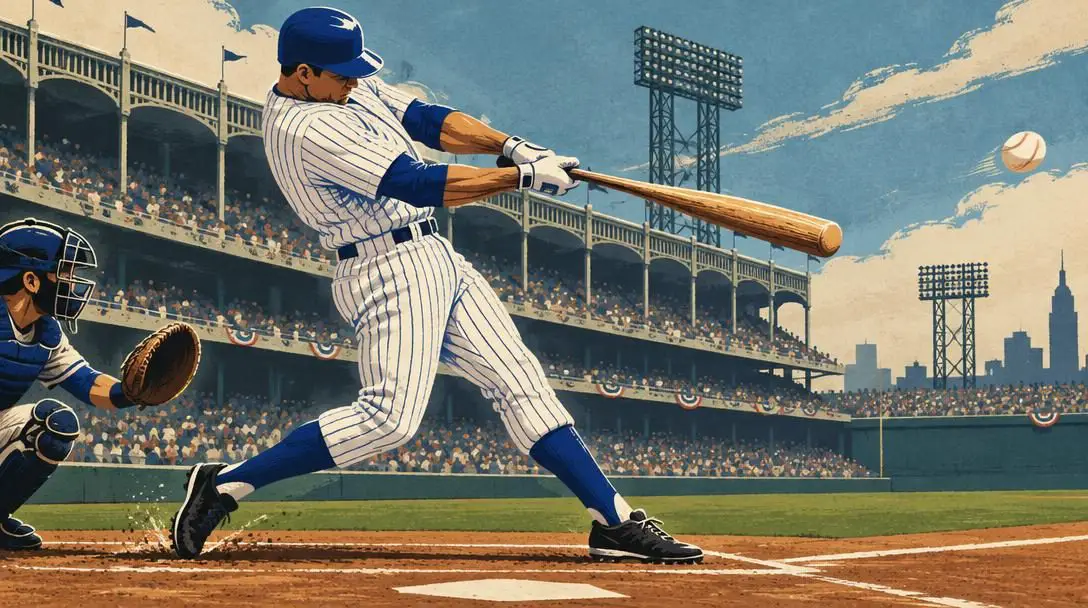
Indiana University is not widely recognized as a traditional collegiate pipeline for major league baseball talent, yet Kyle Schwarber completely shattered those expectations ahead of the 2014 draft. While Schwarber spent his collegiate career as a catcher, Chicago evaluated his offensive ceiling as a transcendent power tool and drafted him fourth overall with the clear intention of deploying him in the outfield. Schwarber required minimal developmental seasoning, earning a promotion to the major leagues in June 2015 and instantly providing thunder in the middle of the batting order.
During his rookie campaign, Schwarber smashed 16 home runs across just 69 regular-season games, announcing himself as a potent offensive weapon. Across 551 total contests with the Cubs, he launched 121 home runs, including vital postseason blasts that anchored the club's offensive attack during their championship era. Although his tenure in Chicago concluded prior to the 2021 campaign when he joined Washington, Schwarber established himself as an unforgettable fan favorite and an essential component of the team's golden generation.
Shawon Dunston
- Draft selection: 1st Overall, 1982
- Primary positions: Shortstop and Outfield
- Cubs career totals: 12 Seasons, .267 BA, 107 HR, 175 SB
- Honors: 2x National League All-Star
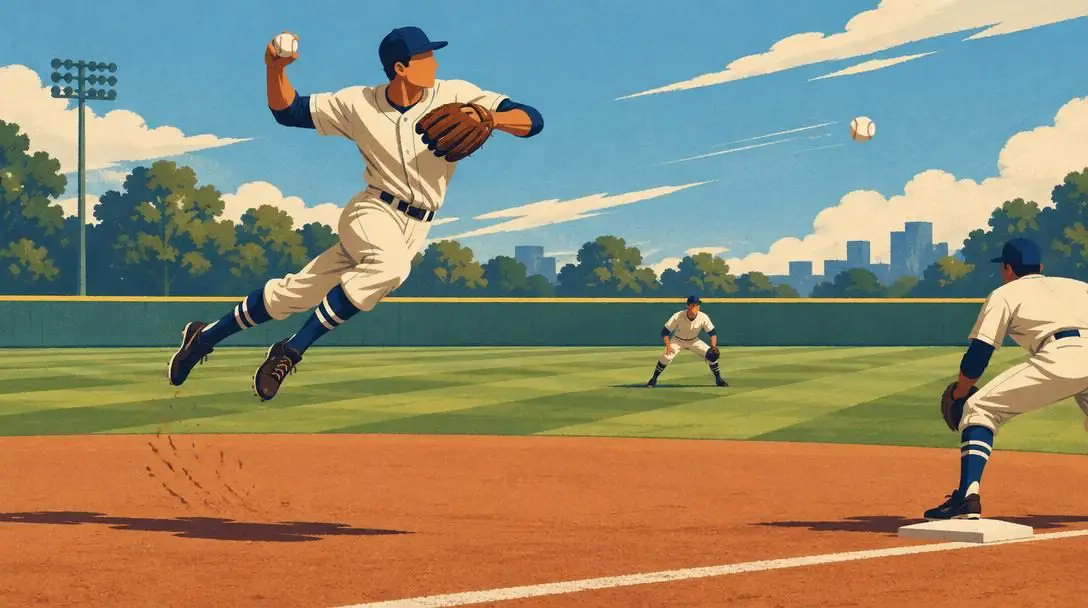
Among the hundreds of players selected by the organization across decades of drafts, Shawon Dunston stands alone in franchise lore as the only individual ever chosen first overall. Tabbed at the top of the 1982 selection process, Dunston worked through the minor league pipeline with high expectations surrounding his raw athleticism and elite throwing arm. He earned his major league debut at the beginning of the 1985 campaign, cementing himself as the everyday shortstop on the North Side.
Dunston spent 12 seasons in Chicago over two distinct stints with the franchise, displaying dependable defense and surprising offensive pop. His blend of speed and power produced 107 home runs, a .267 batting average, and 175 stolen bases in a Cubs uniform. A two-time All-Star selection, Dunston provided steadiness through multiple organizational rebuilds, proving that holding the number-one selection could translate into a prolonged, productive major league tenure.
Javier Baez
- Draft selection: 9th Overall, 2011
- Primary position: Shortstop / Infielder
- Cubs career totals: 8 Seasons, .262 BA, 140 HR
- Honors: 2x All-Star, 2020 Gold Glove, 2016 World Series Winner
The 2016 Chicago Cubs roster remains etched in baseball immortality for breaking the century-old championship curse, and Javier Baez was undeniably the emotional spark plug of that collective group. Selected ninth overall in 2011, Baez arrived in the majors three years later with a distinct, magnetic playing style. Marked by free-swinging aggression at the plate, unmatched instincts on the basepaths, and miraculous defensive tags in the field, Baez rapidly evolved into one of the sport's most electrifying stars.
During his eight seasons in Chicago, Baez developed into a complete superstar, winning a Gold Glove award at shortstop in 2020 alongside two All-Star nods. He compiled 140 home runs and a .262 batting average while consistently delivering game-changing plays in high-leverage situations. His flair for the dramatic and exceptional defensive range made him an indispensable contributor to the most successful era of modern Cubs baseball.
Kerry Wood
- Draft selection: 4th Overall, 1995
- Amateur background: High School (Texas)
- Cubs career totals: 12 Seasons, 80-68 Record, 3.67 ERA
- Honors: 1998 NL Rookie of the Year, Historic 20-Strikeout Game
Entering the 1995 draft out of Texas, hard-throwing pitcher Kerry Wood carried enormous buzz, with industry evaluators comparing his upper-nineties fastball and devastating breaking stuff to Roger Clemens. The Cubs used the fourth overall pick to bring Wood into the organization, and after three seasons of development, he made his major league debut in 1998. Wood produced an unforgettable rookie campaign, compiling a 13-6 record with a 3.40 earned run average to secure the National League Rookie of the Year award.
The signature highlight of Wood's career arrived on May 6, 1998, when he authored what remains widely regarded as the most dominant single-game pitching performance in baseball history: a 20-strikeout, one-hit complete game against the Houston Astros. Wood spent 12 seasons with the Cubs, posting an 80-68 record with a 3.67 ERA while transitioning seamlessly between the starting rotation and the bullpen. His loyalty to the franchise and electric arm cemented his status as a permanent North Side icon.
Kris Bryant
- Draft selection: 2nd Overall, 2013
- Amateur background: University of San Diego (Las Vegas native)
- Cubs career totals: 7 Seasons, .279 BA, 160 HR
- Honors: 2015 NL Rookie of the Year, 2016 NL MVP, 2016 World Series Winner
No first-round selection in franchise history delivered on expectations as rapidly or comprehensively as third baseman Kris Bryant. Chosen second overall in 2013 out of collegiate baseball, Bryant entered professional ball with polished offensive mechanics and immediate superstar upside. Upon reaching the majors in 2015, he instantly altered the dynamic of the lineup, forming an iconic offensive tandem alongside Anthony Rizzo.
Bryant captured the 2015 National League Rookie of the Year award with a .275 average, 26 home runs, and 99 runs batted in. The very next season, Bryant earned the 2016 National League Most Valuable Player award, serving as the cornerstone of the lineup that captured the World Series crown and fielding the final ground ball to clinch Game 7. Over seven seasons in Chicago, Bryant registered a .279 batting average and launched 160 home runs before his memorable North Side tenure concluded with a midseason trade to the San Francisco Giants in 2021.
How front offices navigate the first round
Securing high-impact major league stars through the draft is a year-round, multi-tiered organizational process. Understanding how premier athletes end up in Chicago requires examining the standard mechanisms governing amateur player acquisition:
- Amateur scouting and nationwide tracking: Scouting personnel evaluate amateur baseball players competing across high schools, junior colleges, and four-year universities throughout North America, compiling video footage, physical measurements, and performance metrics.
- Draft board construction: Front offices build comprehensive ranking boards that assess athletic tools, positional versatility, injury histories, signability, and psychological profiles.
- Slot assignment by regular-season record: Major League Baseball assigns opening-round draft positions based primarily on the prior season's standings, granting high selections to clubs undergoing rebuilding cycles.
- War room selection and roster fit: When placing their official pick, executives weigh the best available athlete against specific organizational needs, determining whether to select polished college hitters or upside-heavy pitchers.
- Contract negotiations and player assignment: Following the selection, clubs negotiate signing bonuses with player representatives before assigning prospects to developmental affiliate leagues.
A practical framework for evaluating draft classes
Judging the ultimate success of an amateur draft class requires patience and structured criteria rather than knee-jerk draft night reactions. Fans and analysts can apply a clear process to determine organizational draft efficacy:
- Measure the timeline to major league promotion: Determine whether the prospect advanced rapidly like Kris Bryant and Kyle Schwarber or required several developmental campaigns like Shawon Dunston and Javier Baez.
- Quantify tenure and longevity with the drafting club: Calculate the cumulative games played, innings logged, and overall service time recorded specifically for the original franchise.
- Track major league individual awards: Review the hardware earned by draft picks, including Rookie of the Year awards, Most Valuable Player honors, Gold Gloves, and All-Star invitations.
- Evaluate high-leverage and postseason performance: Assess how the selected players performed in critical playoff games and whether their contributions led directly to pennants or World Series titles.
- Analyze roster transition value: Examine what the franchise received when the player departed, observing whether trade returns or sustained contention periods maximized the pick's long-term utility.
Frequent mistakes in assessing historical drafts
Misinterpreting draft data is common among baseball enthusiasts. Avoiding standard analytical pitfalls helps contextualize historical performance accurately:
- Crediting external stardom to the drafting team: Celebrating a draft choice who developed into an elite performer only after being traded to another club ignores the reality that the drafting team failed to capture that on-field production.
- Fixating on original defensive designations: Assuming a player must stay at their drafted position can cloud judgment, as prospects drafted as catchers or shortstops often deliver peak value after transitioning to the outfield or third base.
- Assuming high first-round picks carry zero risk: Even selections inside the top five possess substantial volatility, and a noticeable percentage of early draft choices never reach the major leagues.
- Overlooking role flexibility between starters and relievers: Viewing pitching success strictly through regular-season starting assignments disregards how hybrid arms like Kerry Wood provide critical value across rotations and bullpens over prolonged careers.
What to consider when tracking future draft prospects
As new amateur classes enter the Chicago minor league system each year, evaluating their long-term potential requires monitoring the developmental markers established by past franchise greats. Observers should track how swiftly top draft picks conquer advanced minor league pitching, noting whether advanced collegiate hitters demonstrate the plate discipline necessary for an accelerated timeline. Furthermore, following defensive versatility helps anticipate potential positional shifts before a prospect arrives at Wrigley Field.
Balancing high-floor collegiate performers with raw, high-ceiling prep athletes remains the core philosophical challenge of modern scouting departments. By contrasting new prospect progression against the benchmarks set by past Rookie of the Year winners and All-Stars, baseball fans can set grounded, realistic expectations for the next wave of North Side talent.
Frequently asked questions
Who is the only number-one overall draft pick in Cubs history?
Shawon Dunston is the only player in Chicago Cubs history selected with the first overall pick in the draft, chosen at the top of the 1982 amateur draft.
Which Cubs first-round picks won the Rookie of the Year award?
Both Kerry Wood in 1998 and Kris Bryant in 2015 won the National League Rookie of the Year award after being selected by Chicago in the first round.
Why is Josh Donaldson not ranked among the top Cubs first-round picks?
Although the Cubs drafted Josh Donaldson in the first round in 2007, his major individual accomplishments and peak production occurred after he was traded to other franchises, limiting his direct contribution to Chicago.
Did Kyle Schwarber stay at his original draft position with the Cubs?
No, Kyle Schwarber was drafted out of Indiana University as a catcher, but the Cubs immediately transitioned him to the outfield to accelerate his path to the majors and maximize his offensive potential.
What notable players narrowly missed the top five Cubs draft ranking?
Rafael Palmeiro, Nico Hoerner, Mark Prior, and Corey Patterson are prominent first-round selections who produced strong tenures in Chicago but finished just outside the all-time top five.
The bottom line
Navigating the amateur draft requires foresight, patience, and developmental precision. The Chicago Cubs' greatest first-round selections demonstrate that while drafting remains an imperfect science, identifying elite talent in the opening round can reshape an entire franchise. From Shawon Dunston's sustained longevity and Kerry Wood's historic pitching dominance to the championship core of Kris Bryant, Javier Baez, and Kyle Schwarber, these top selections rewarded organizational faith by authoring the finest moments in modern North Side baseball history.